
Lhasa
Lhasa, also known as the God Land and the Sunshine City, an international tourist city with snow covered plateau and ethnic characteristics approved by the State Council. a mysterious holy city standing on the Qinghai-Tibet Plateau, is like a bright pearl, emitting unique charm. It is not only the capital of the Tibet Autonomous Region but also a place yearned for by countless people.
Therefore, it has won the reputation of “the city of sunlight.” The Lhasa River, like a silver ribbon, slowly flows through the city, adding a bit of agility and softness to this city. Surrounded by mountains, it forms a magnificent picture with the ancient buildings of the city.
It is the political, economic, cultural, scientific and educational center of Tibet, and also the holy land of Tibetan Buddhism. Most of our Tibet tour basic start from Lhasa to whole part of Tibet.
Geographical Location
Lhasa has three districts and five counties. By the end of 2022, Lhasa has a registered residence population of 581200. Lhasa is one of the first national historical and cultural cities, renowned for its beautiful scenery, long history, unique customs and traditions, and strong religious power. In the 7th century, 33rd Tubo reign King Songtsen Gampo unified the snow land and moved the political center from south part of Tibet (Tsedang) to Lhasa. Since from that time Lhasa became the capital city till today. Lhasa is located in the southwest of China with Lhasa elevation at 3,658 meters above sea level, the middle of Tibet Plateau, the north of the Himalayas, and the valley plain in the middle reaches of the Lhasa Kyichu River, a tributary of the the Yarlung Zangbo River (Brahmaputra).
History and Culture
Lhasa has a long and splendid history and culture. It is a holy land of Tibetan Buddhism and carries the beliefs and hopes of countless believers.
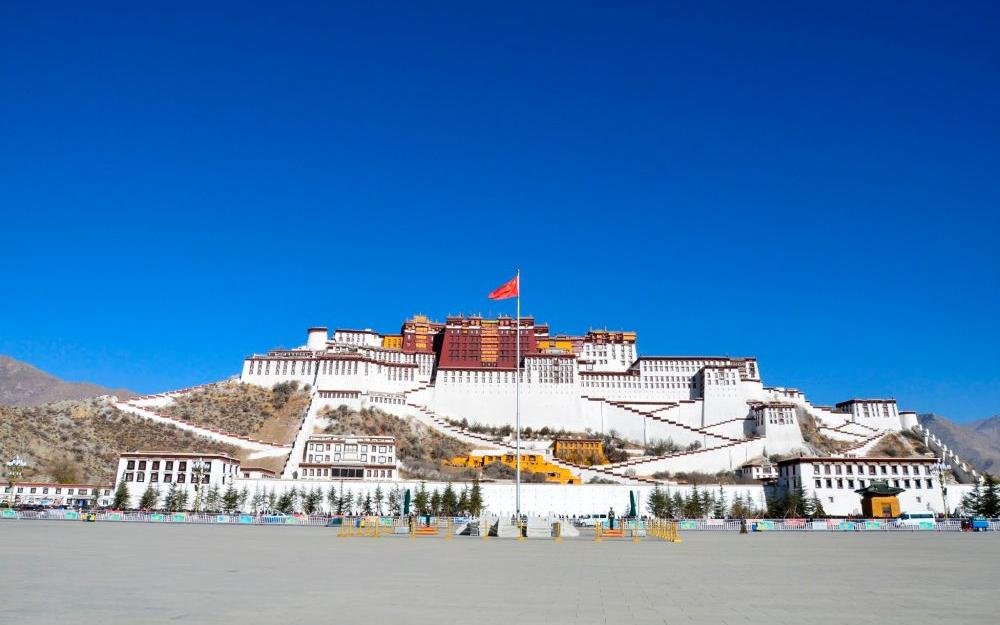
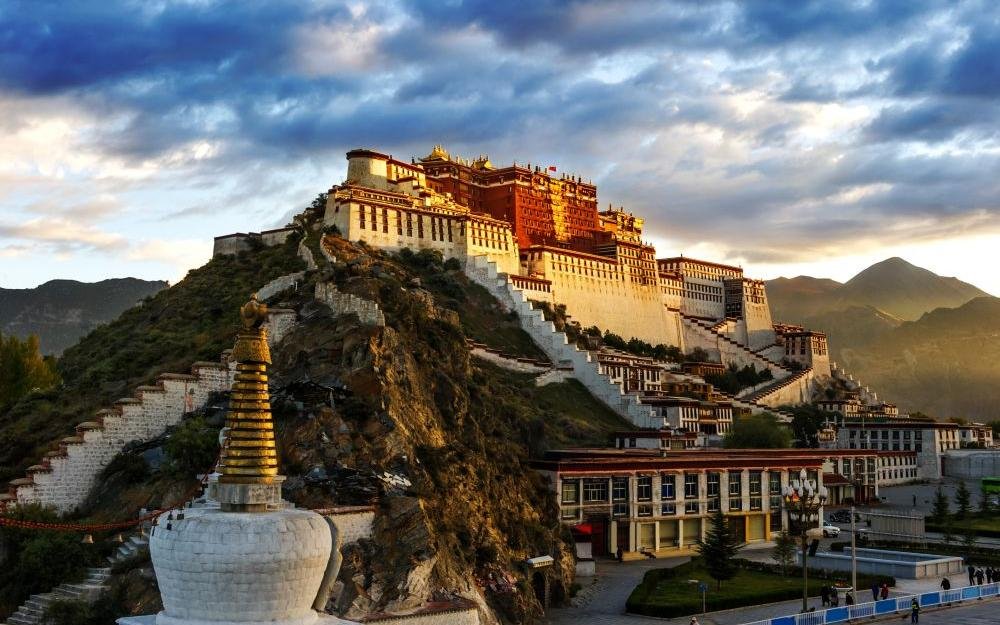
In the 7th century, Songtsen Gampo built the Potala Palace to marry Princess Wencheng. This majestic palace is built against the mountain. The red and white walls shine brightly under the sunlight, and the golden roof highlights its dignity and solemnity. The palace houses a large number of cultural relics and artworks. Each piece seems to be telling the glory of ancient Tibetan civilization. From exquisite murals to precious Buddha statues, from ancient classics to gorgeous costumes, all show the wisdom and creativity of the Tibetan people.
The Jokhang Temple is also an important symbol of Lhasa’s history and culture. As the center of pilgrimage for Tibetan Buddhist believers, the temple enshrines the 12-year-old equal-sized statue of Sakyamuni, attracting many believers to come and worship from all directions. The architectural style of the Jokhang Temple is unique, integrating the architectural characteristics of Tibet, Tang Dynasty, Nepal, and India. It is the crystallization of multicultural exchanges and integration.
In addition, there are many ancient temples and palaces in Lhasa, such as Drepung Monastery, Sera Monastery, Norbulingka, etc. Drepung Monastery is one of the largest monasteries in Tibet. The architecture is magnificent, and the Buddhist atmosphere in the monastery is strong. Sera Monastery is famous for its wonderful debating activities. The intense debating scenes of the monks make people feel the profoundness and broadness of Buddhism. Norbulingka is a beautiful garden. It used to be the summer palace of the Dalai Lama. The garden is full of green trees and lush flowers and plants, and the palace buildings are extremely exquisite.
Attraction Introduction
Potala Palace
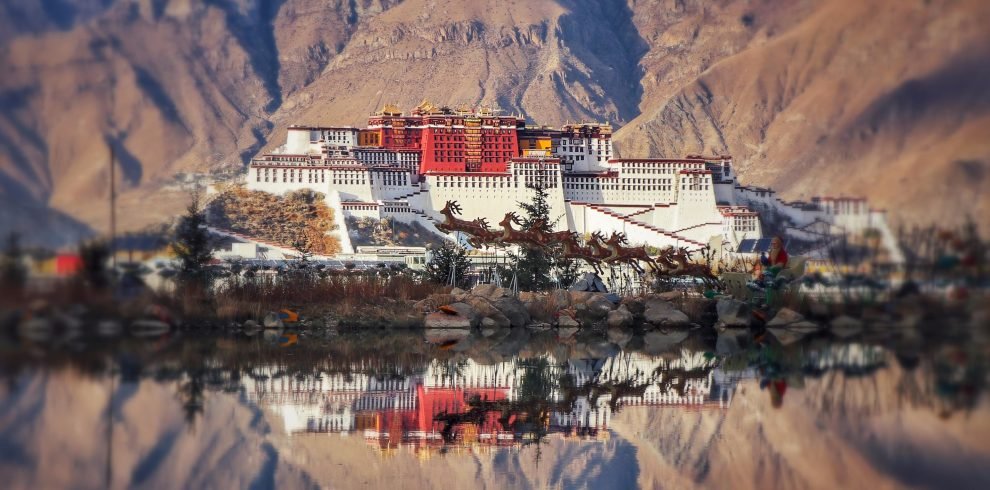
The Potala Palace is undoubtedly the landmark building of Lhasa and also a world cultural heritage. It is divided into the White Palace and the Red Palace. The White Palace is mainly the office and residence of the Dalai Lama, while the Red Palace is mainly used to enshrine Buddha statues and store scriptures. Standing on the Potala Palace Square and looking up at this magnificent palace, a sense of awe cannot help but well up in one’s heart. Entering the palace, the exquisite murals, gorgeous decorations, and precious cultural relics are dizzying.
Jokhang Temple
The Jokhang Temple is not only a religious holy place but also a treasure trove of art. The Buddha statues in the temple are lifelike, and the murals are colorful, showing a high level of art. Here, you can feel a strong religious atmosphere, see the devout worship of believers, and experience the power of faith.
Barkhor Street
Barkhor Street is the most famous commercial street in Lhasa and also an important display window of traditional Tibetan culture. On both sides of the street are ancient Tibetan buildings. The shops are filled with various characteristic souvenirs such as thangkas, Tibetan carpets, and prayer beads. Here, you can also taste local delicacies such as buttered tea, highland barley cakes, and yak meat, and feel the unique flavor of the Tibetan people.
Drepung Monastery
Drepung Monastery is large in scale and the buildings are well-arranged. The scripture halls and Buddha halls in the monastery are magnificent and house a large number of Buddhist scriptures and cultural relics. In Drepung Monastery, you can participate in the monastery’s religious ceremonies and feel the solemnity and sacredness of Tibetan Buddhism.
Namtso Lake
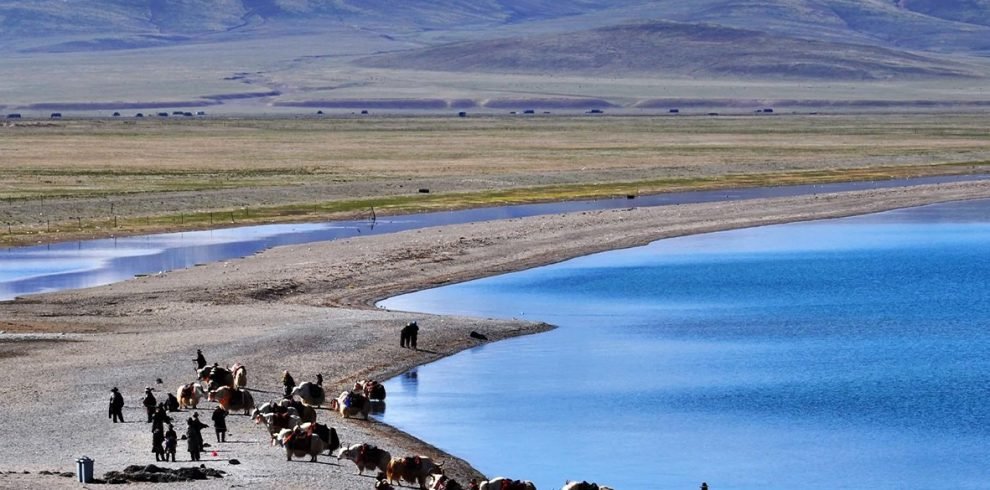
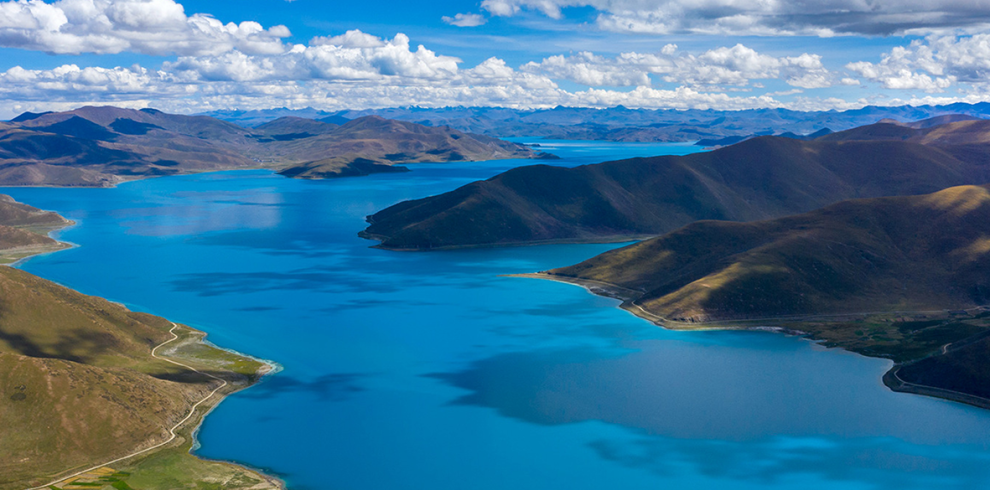
Namtso Lake is one of the three holy lakes in Tibet. The lake water is clear and blue, like a huge mirror. Surrounded by snow-capped mountains, the scenery is extremely beautiful. Standing by the lake and looking at the distant snow-capped mountains and blue sky and white clouds, it is as if you are in a fairyland.
Lhasa Tibet Tours
Travel Suggestions
The tourist season in Lhasa is mainly concentrated in summer and autumn. These two seasons have pleasant climates and abundant sunlight. They are the best times to enjoy natural scenery and experience folk culture. In summer, Lhasa is full of green grass and blooming wildflowers. It is a paradise for photography enthusiasts. In autumn, the sky in Lhasa is exceptionally blue and the leaves are golden, giving people a feeling of tranquility and beauty.
Tourists can choose to take a plane directly to Lhasa Gonggar Airport, which is fast and convenient. You can also choose to take a train and enjoy the beautiful scenery along the way and gradually adapt to the high-altitude environment. In the city, tourists can travel by bus, taxi, or chartered car. Bus routes cover major attractions. Taxis are convenient and fast. Chartered cars can freely arrange itineraries according to their own needs.
Lhasa has a high altitude. Tourists had better take preventive measures against altitude sickness in advance, such as taking anti-altitude sickness drugs in advance. After arriving in Lhasa, pay attention to rest and avoid strenuous exercise. Respect the local religious beliefs and customs and do not touch Buddha statues and items in temples at will. Due to the strong sunlight, tourists should pay attention to taking sun protection measures and bring sunglasses, sunscreen, etc.
In short, Lhasa is a charming city with a unique geographical location, a long history and culture, many attractions, and rich tourism resources. Whether you like natural scenery or history and culture, whether you are pursuing spiritual tranquility or seeking exciting adventures, Lhasa can meet your needs.