
Tibet Weather
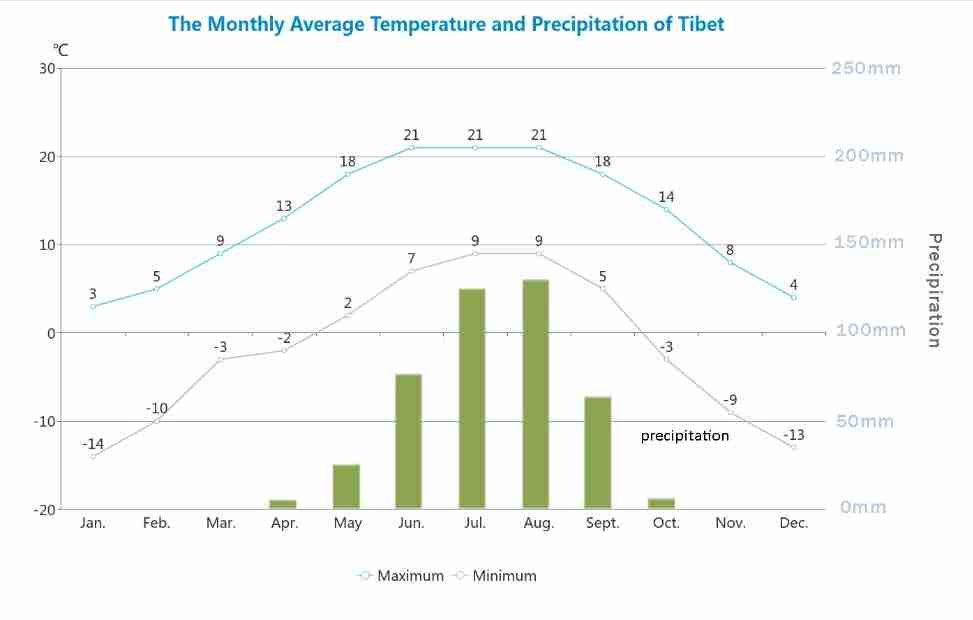
Tibet, often called the “Roof of the World,” stands at an impressive average elevation of over 4,000 meters. Due to its altitude, the region experiences colder temperatures compared to most other places in China during the same seasons. The environment is tough, with thin air, intense sunlight, and distinct wet and dry seasons.
The ideal time to visit Tibet spans from April to October, offering the best weather and stunning landscapes. During these months, the temperature typically hovers above 10°C, and the oxygen levels are higher than in the winter months, making it a comfortable time to explore. This period also coincides with Tibet’s peak tourist season.
The rainy season falls in July and August, although showers tend to occur mostly at night, allowing for pleasant daytime travel.
For those interested in trekking or camping, May and September are the best months, with minimal rainfall and clear skies. If you’re planning a trip to Mt. Everest, the months of April, May, June, September, and October provide the clearest views of the summit, bathed in golden sunlight. If a pilgrimage to Mt. Kailash is on your agenda, the months of September and October are ideal for both trekking and capturing the beauty of North Tibet in its autumn colors.
Before planning your trip to Tibet, it’s crucial to gather detailed information about the weather conditions. This way, you’ll be well-prepared with the right clothing and gear to ensure a smooth and enjoyable journey.
Except for Nyingchi, other places are slightly chilly. You can wear loose sports clothes or casual clothes for tops and pants. Shoes should be lightweight and comfortable. For tops, you can wear a thicker cotton-padded jacket with ordinary thermal underwear. For pants, you can wear sports pants with thin long johns. Underwear should be mainly made of cotton for comfort.
It is the peak tourist season in Tibet and also a good time to escape the heat. Short-sleeved tops and long pants with a jacket are fine. If you don’t wear long sleeves, remember to bring a shawl or ice sleeves to prevent sunburn.
Most of the day is sunny, but the temperature in the morning and evening will reach a few degrees below zero. For tops, wear thick or layered cotton-padded down jackets, thick sweaters or thermal suits. For those who are afraid of the cold or have a weak constitution, you can add appropriate clothing. For pants, choose thick casual pants, outdoor pants or sports pants. It is also recommended to wear hard-soled shoes with cotton padding and moisture-proofing.
Most of the day is sunny, but the temperature in the morning and evening will reach a few degrees below zero. For tops, wear thick or layered cotton-padded down jackets, thick sweaters or thermal suits. For those who are afraid of the cold or have a weak constitution, you can add appropriate clothing. For pants, choose thick casual pants, outdoor pants or sports pants. It is also recommended to wear hard-soled shoes with cotton padding and moisture-proofing.
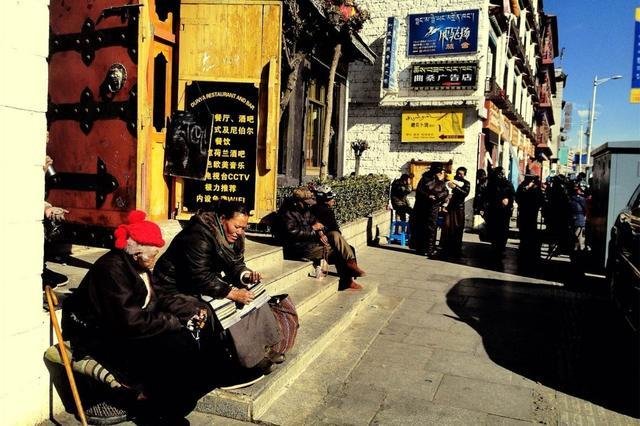
Visiting Lhasa in winter offers a unique experience, especially when you soak up the warmth of the sun. January in Tibet is cold, with sharp contrasts between daytime and nighttime temperatures. Yet, the sunlight feels like a precious gift, filling the air with warmth, hope, and promise. In the afternoon, there’s nothing better than enjoying a sunbath on Barkhor Street, where you can embrace the gentle warmth of the winter sun. For a truly relaxed afternoon, indulge in some sweet treats at Anitsangkung Nunnery and savor a warm cup of tea at Guangming Gangqiongtian Tea House—pure bliss!
February is a significant month for Tibetans, as it marks two major festivals. The first is the traditional Chinese Spring Festival, followed by the Tibetan New Year. This is a time of vibrant celebrations, offering visitors a chance to experience the rich cultural heritage of Tibet through colorful festivities. However, there’s a catch—foreigners are generally not allowed to travel to Tibet during this period, so it’s important to plan accordingly if you’re hoping to visit.

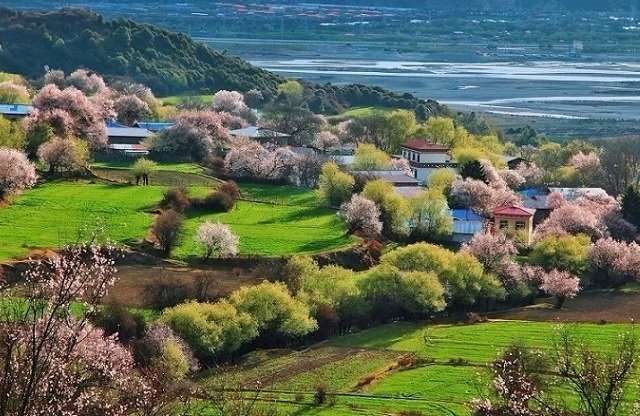
March in Nyingchi is like a floral paradise, with the peach blossoms taking center stage. While the temperatures may still be cool, the vibrant colors and sweet fragrance of the blossoms create a stunning contrast against the snow-covered peaks and clear blue skies. Surrounded by pink peach trees, you’ll be so captivated by the beauty of the scenery that you might just forget to leave.
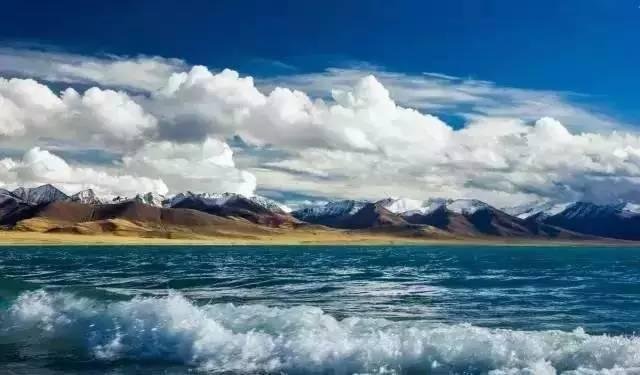
In April, the ice on Lake Namtso starts to melt, revealing stunning crystal-clear patches that sparkle under the golden sunlight. This natural transformation is one of the most breathtaking wonders of the lake, adding to its serene beauty and tranquil atmosphere.
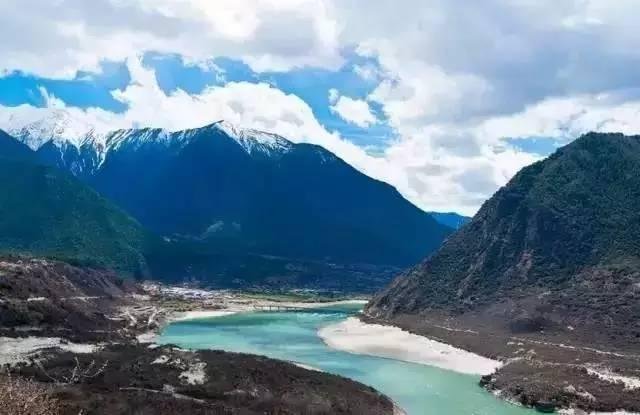
As warm, humid air from the Indian Ocean moves across the Himalayas and flows through the Tibetan valleys, the Yarlung Tsangpo River in Shannan, stretching over 150 kilometers, is cloaked in lush green. The vibrant forests along the river act as a natural barrier, protecting the region from sandstorms and creating a serene, verdant landscape.
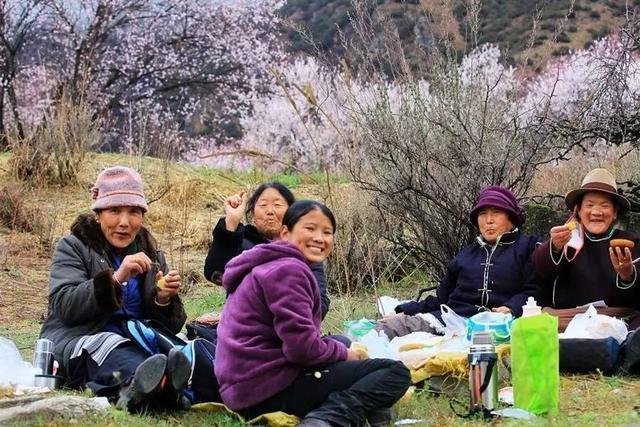
June 1st is widely recognized as International Children’s Day, but in Tibet, it’s celebrated as the “Linka Festival.” On this day, the atmosphere is as vibrant as during the Shonton Festival. People gather in large groups around tents, enjoying food, drinks, dancing, and singing. The entire city seems to be immersed in a joyous celebration, creating a lively and festive spirit that fills the air.
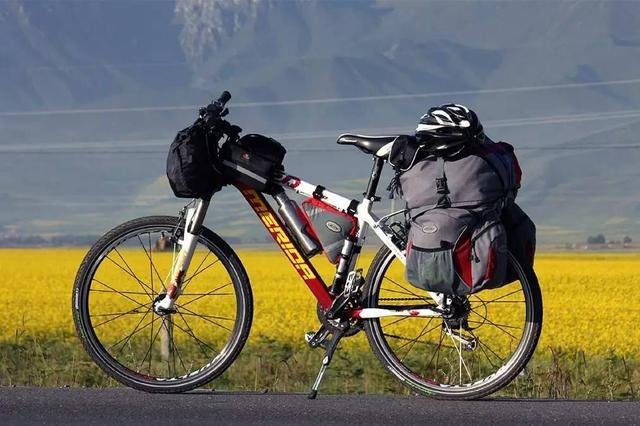
July is an ideal time for travelers looking to cycle along the Friendship Highway. As the snow on the towering peaks begins to melt and the days see less rain, the conditions are perfect for an adventurous ride. With summer vacation in full swing, many cyclists take this opportunity to embark on their journey between Tibet and Nepal, making the highway a popular route during this time.
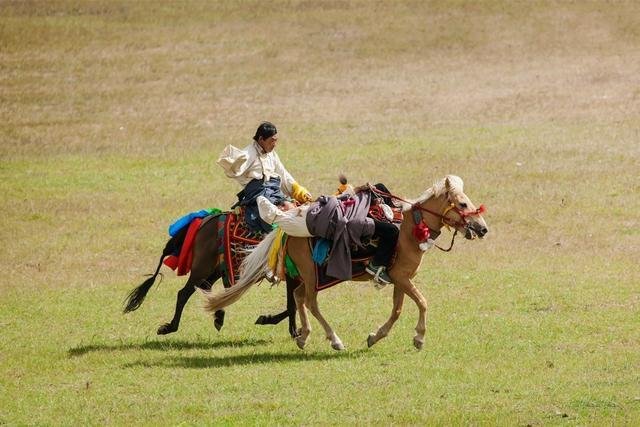
If you’re planning to visit Tibet in August, Nagchu is the place to be. The highlight of the month is the exhilarating Horse Racing Festival, a major event that draws both locals and travelers from all over. This vibrant festival is a grand celebration in Nagchu, full of excitement and tradition. Additionally, August is the peak time to explore Tibet’s grasslands, when the landscape is lush and the weather is perfect for outdoor adventures.
Under the vast, clear blue sky, let’s journey into the sacred Ngari Prefecture to explore its iconic landmarks. Visit the serene Lake Manasarovar, the towering Mt. Kailash, the mysterious Goast Lake (Lake Rakshastal), the beautiful Pangong Tso, the historic Tholing Monastery, and the ancient ruins of the Guge Kingdom, among other breathtaking sites.
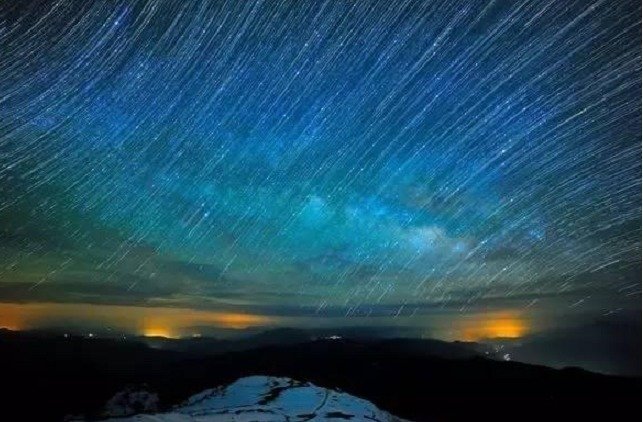
Autumn in Chamdo brings a golden hue to the landscape, with the weather cooling down from the summer heat, making it a perfect time to visit. The region’s charm lies in its rich Khampa culture, which is the heart of Chamdo’s tourism. Immerse yourself in the stunning scenery while discovering the unique traditions and customs of Kangba culture, creating an unforgettable experience.
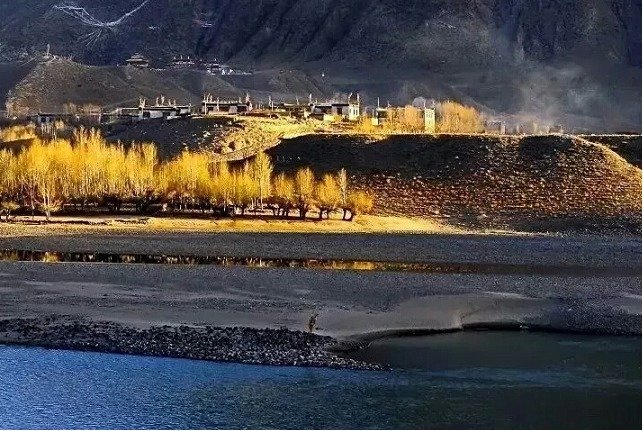
Feeling weary of the hustle and bustle of city life? Why not escape into nature and embark on a refreshing trekking adventure? From October to November each year, Nyingchi is bathed in a golden glow, offering stunning views of the majestic Namcha Barwa Mountain, visible from afar. A trekking tour through this picturesque landscape is the perfect way to reconnect with nature and rejuvenate your spirit.
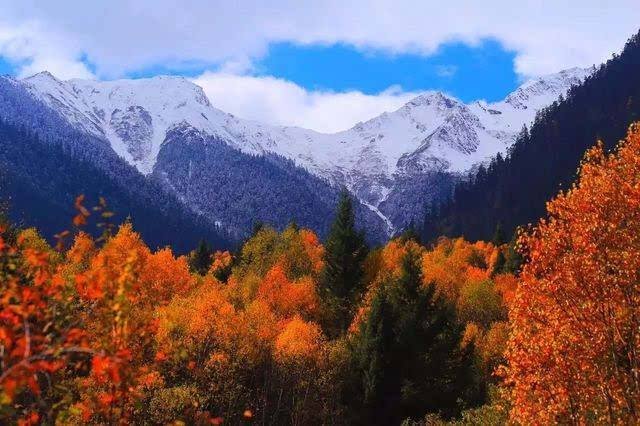
December in Shigatse offers some of the most breathtaking views of the year. While the temperatures drop, the crystal-clear glaciers in front of the Tashi Lhunpo Monastery still shine brightly in the cold. Trekking through Gyirong, with its stunning vistas of the border between Nepal and Tibet, is truly an unforgettable experience.
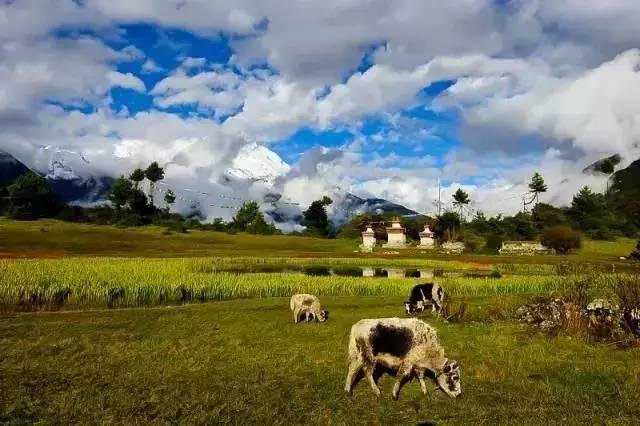
Clothing Tips for Tibet Weather: What to Wear
• Tops: You can choose to wear a windbreaker or a windproof jacket, which can not only resist the coolness in the morning and evening but also be convenient for activities. At the same time, prepare long-sleeved T-shirts, shirts, etc., for easy matching according to temperature changes. For those who are afraid of the cold or have a weak constitution, you can appropriately add warm inner clothing, such as thick sweaters or thermal suits.
• Pants: Casual pants, outdoor pants, and sports pants are more suitable. It is recommended to prepare an extra set of thermal pants, such as cotton pants or woolen pants, to deal with the cold in the morning and evening.
• Underwear: Cotton underwear is the best choice. Prepare an extra set for changing.
In addition, if you plan to hike or engage in activities in high-altitude areas, you need to pay attention to the following points:
• Bring a long-sleeved thickened jacket because the temperature in these places may drop to around ten degrees Celsius or even lower at night.
• Ordinary outdoor shoes are fine. If you go to some special areas such as Mount Everest, Ali, and Medog, high-top outdoor shoes are more suitable.