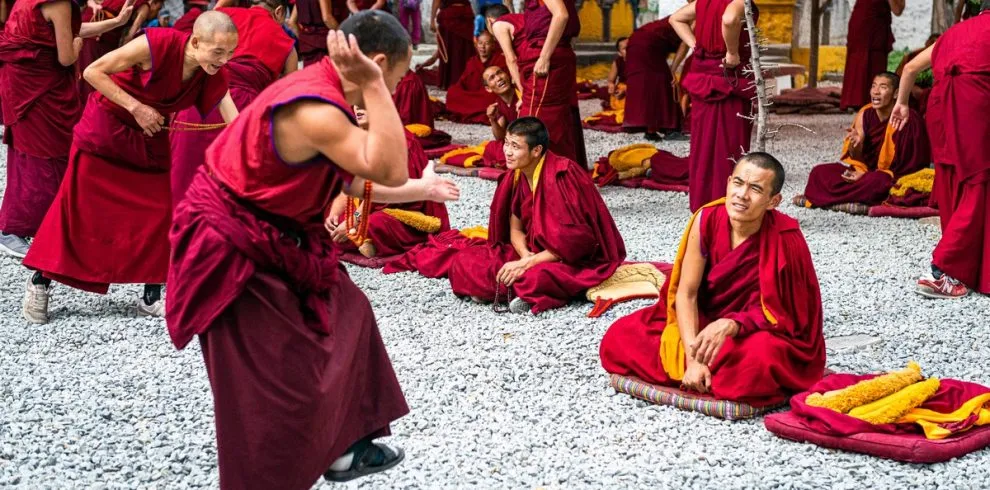
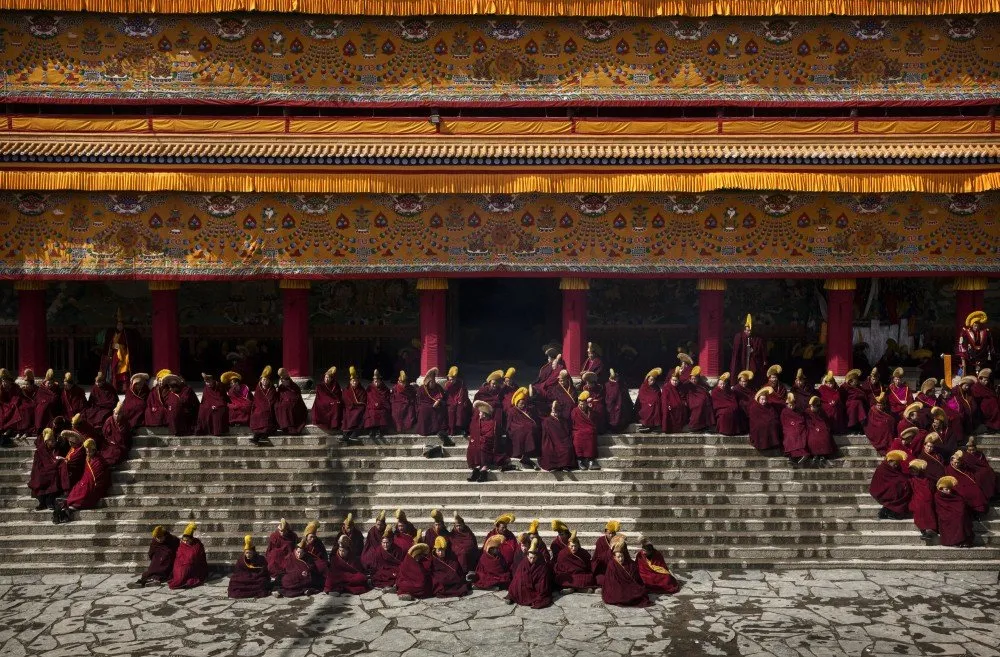
Temples serve as vital embodiments of Tibetan Buddhism. The region boasts numerous magnificent temples such as the Potala Palace, Jokhang Temple, and Tashilhunpo Monastery. Perched atop Red Mountain, the Potala Palace exudes majesty; it functions not only as a royal residence but also as a sacred site for Tibetan Buddhism. The Jokhang Temple holds immense significance in the hearts of Tibetan Buddhist practitioners; within its confines lies an exquisite twelve-year-old life-size statue of Sakyamuni that draws countless devotees and tourists alike for worship. Tashilhunpo Monastery stands out as the largest monastery in Tsang province, showcasing unique architectural styles while housing rich cultural relics and Buddhist scriptures.
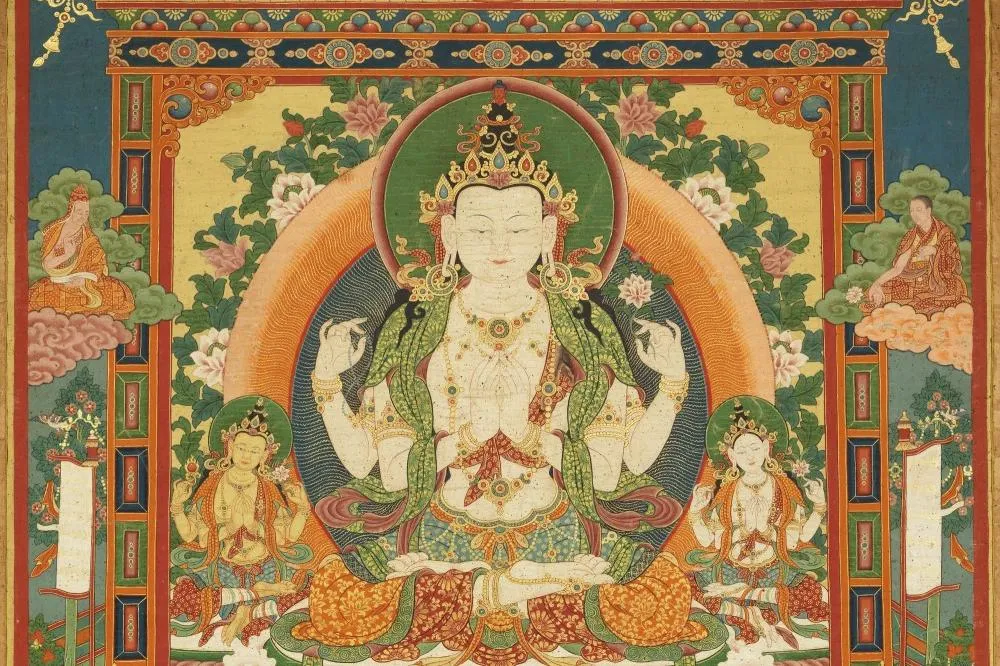
Thangka
Thangka represents an artistic gem within tibet culture—a religious scroll painting mounted on satin for worship purposes featuring predominantly Buddhist themes including depictions of Buddhas or bodhisattvas alongside various religious narratives. The creation process involves intricate steps such as drafting outlines before coloring them vibrantly; artists employ delicate brushwork to render lifelike representations infused with deep spiritual meaning.
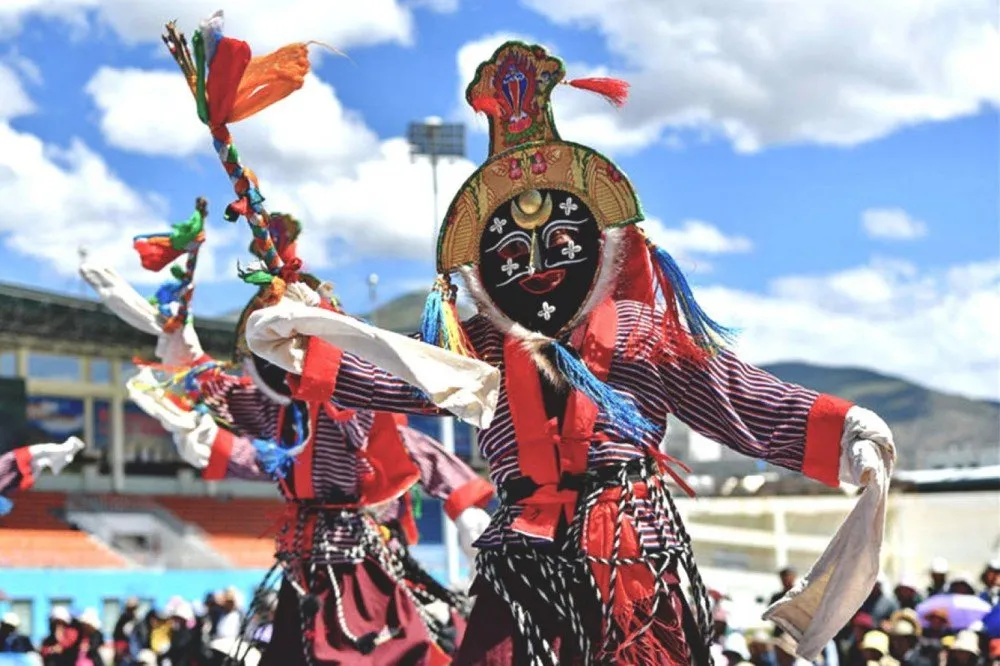
Tibetan Opera
Tibetan opera is cherished by local communities due to its long-standing tradition characterized by distinct artistic flair typically performed at temples or public squares across regions—encompassing singing performances interwoven with dance sequences along dialogues among actors adorned in elaborate costumes complemented by ornate masks that vividly portray aspects from everyday life intertwined with historical narratives reflecting upon their rich cultural tapestry accompanied by melodious tunes resonating strong ethnic undertones throughout each performance cycle.
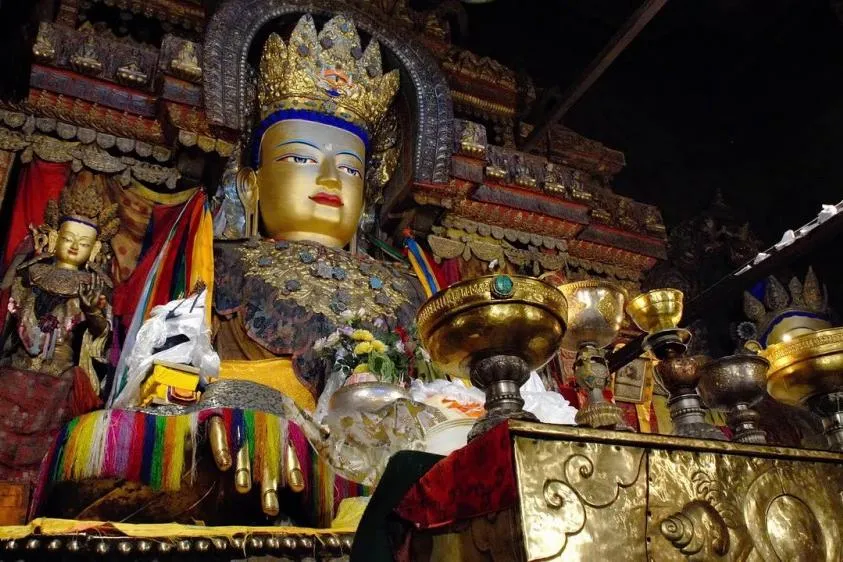
Sculpture
The sculptural artistry prevalent in Tibet showcases uniqueness through works like statues representing deities crafted meticulously using materials ranging from copper gold silver wood stone etc., resulting masterpieces embodying not just faith but exceptional craftsmanship elevating these creations into high-value art forms revered widely beyond mere symbolism alone.
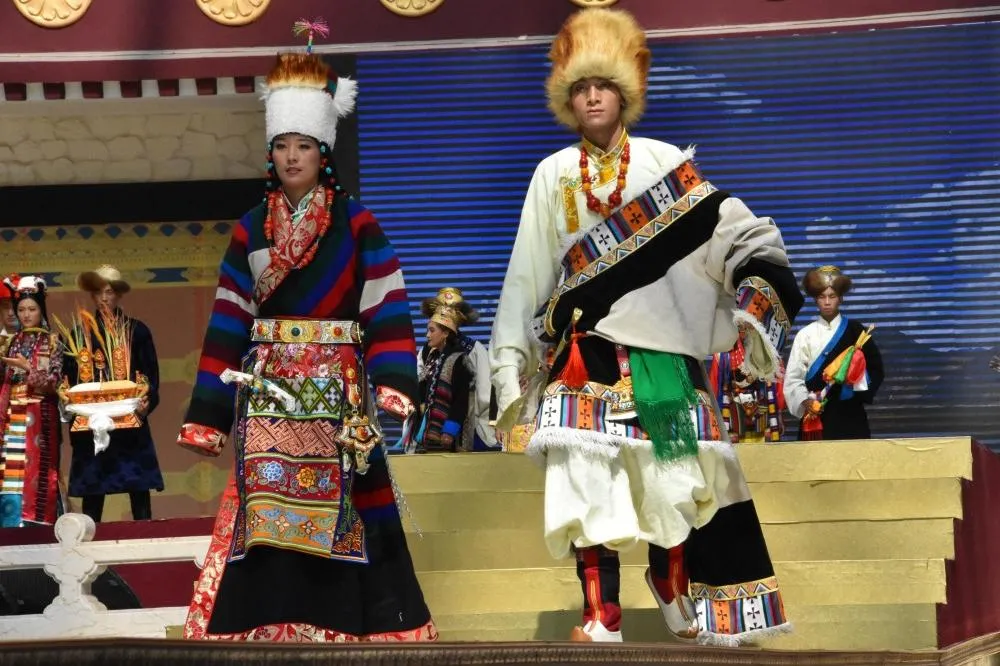
Clothing
Traditional attire worn amongst Tibetans exhibits vibrant colors coupled intricately designed patterns symbolizing identity deeply rooted within this community’s essence wherein men don robes fur coats boots felt hats leather headgear whilst women adorn themselves even more splendidly draped elegantly over aprons headdresses embroidered beautifully depicting floral animal motifs thus serving dual purpose decoration representation respective cultures they belong too.
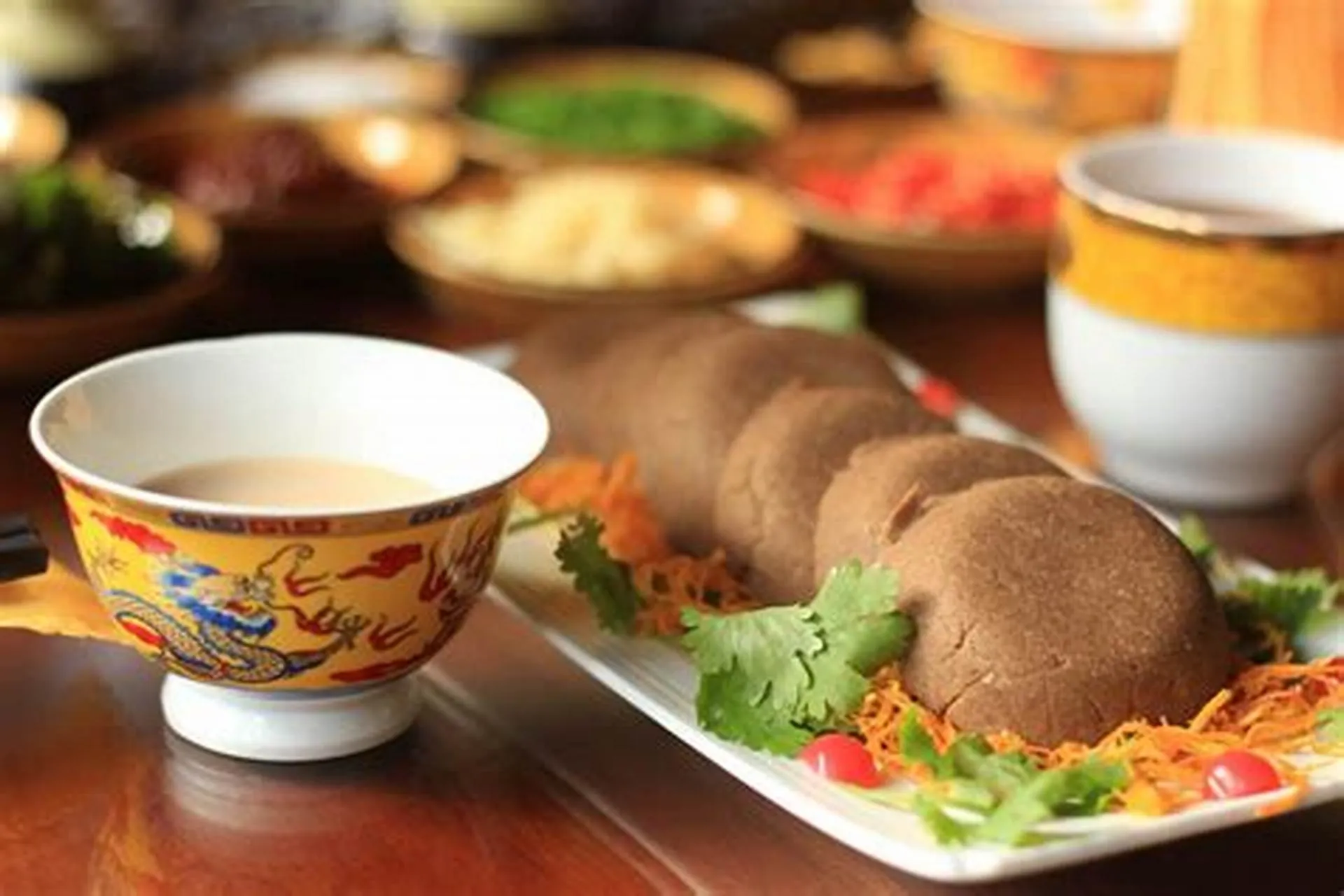
Dietary Practices
Culinary traditions observed among Tibetans reflect uniqueness primarily revolving around staple foods like tsampa buttered tea highland barley wine ; here tsampa refers flour derived roasting grinding highland barley mixed together consumed alongside buttered tea milk dregs forming nutritious beverage integral daily lives enriched flavorsome aroma emanates forth making every sip delightful experience enjoyed during gatherings celebrations alike.
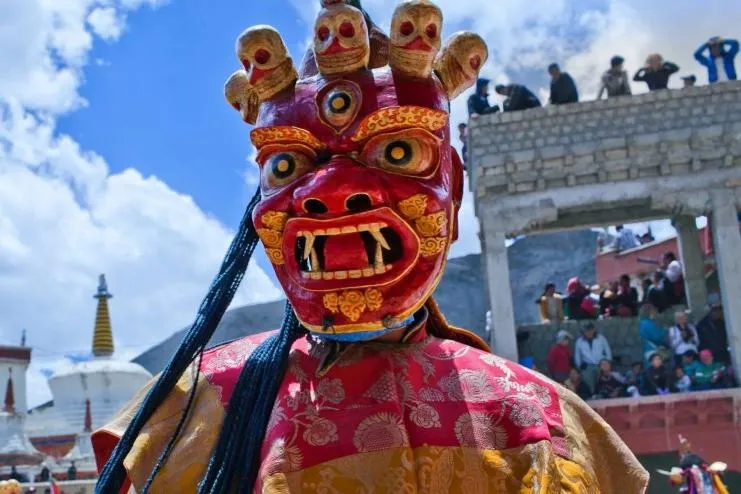
Tibet Festivals
Festivals celebrated annually encompass myriad events notably highlighted include New Year Shoton Ongkor Festivals marking significant occasions bringing families friends together engaging grand festivities cleaning homes preparing delectable dishes visiting loved ones sharing joyfulness collectively experienced moments creating lasting memories treasured forevermore .
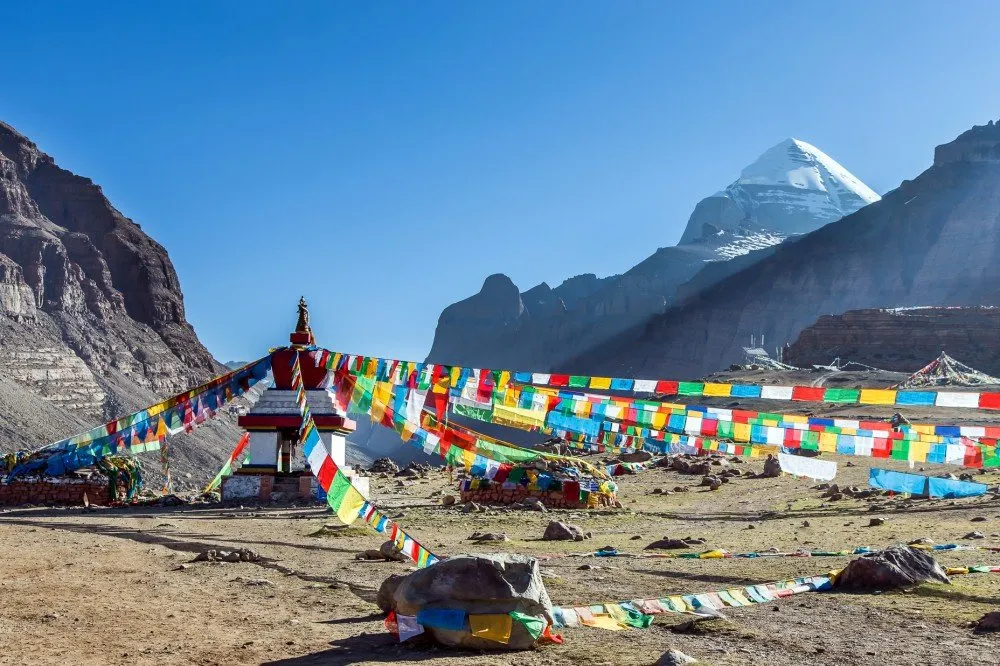
The Qinghai-Tibet Plateau is the highest plateau in the world. Here, there are majestic snow-capped mountains, vast grasslands, clear lakes, and surging rivers. Mount Qomolangma is the highest peak in the world and attracts countless mountaineering enthusiasts to come and challenge. Namtso Lake is one of the three holy lakes in Tibet. The lake water is clear and blue, surrounded by snow-capped mountains, and the scenery is extremely beautiful. Yamdrok Lake is famous for its winding shoreline and sapphire-like lake water.The natural culture of Tibet is also reflected in its reverence and protection of nature. The Tibetan people have had the tradition of respecting nature and protecting the environment since ancient times. They believe that nature is sacred, and people and nature should live in harmony. This concept still has important significance in modern society.