
Rikaze Tibet
Geographical Location
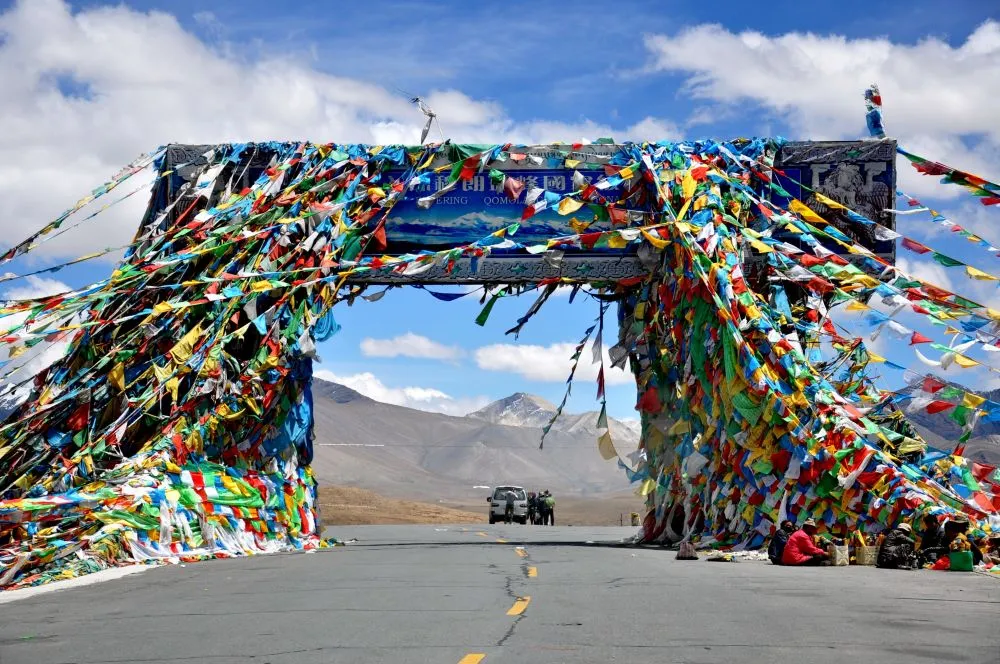
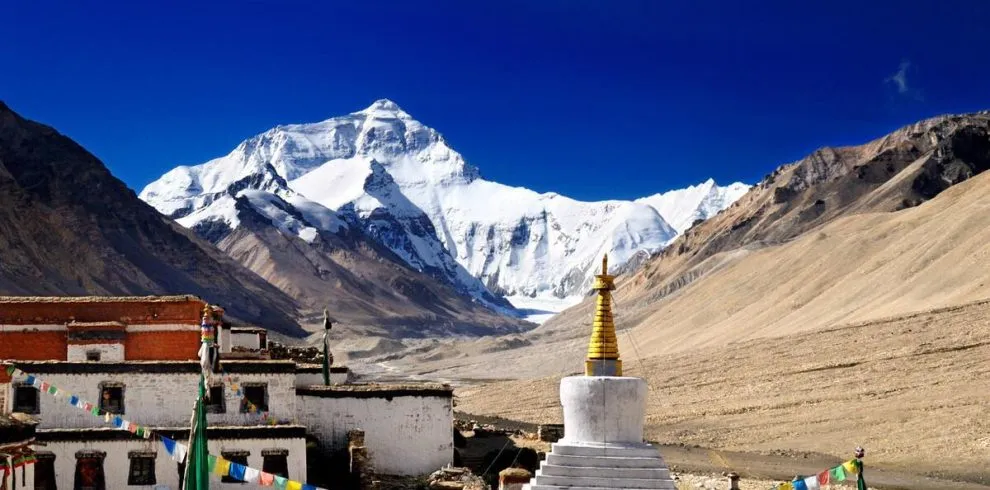
Shigatse is located in the southwest border, bordering Ngari in the west, Naqu in the north, Lhasa and Tsedang in the east, and Nepal, Bhutan, India and other countries; The terrain in the north and south is relatively high, between which are the Tibetan Plateau and the the Yarlung Zangbo River (Brahmaputra) basin, covering an area of 179240 square kilometers. The average altitude is above 4,000 meters. Also can be called 2nd largest city of the Tibet with 17 counties and the population is 799500. The Tibetan meaning of Shigatse City is “the best soil manor”, and Dingri County has the world’s highest peak – Mount Everest.
History
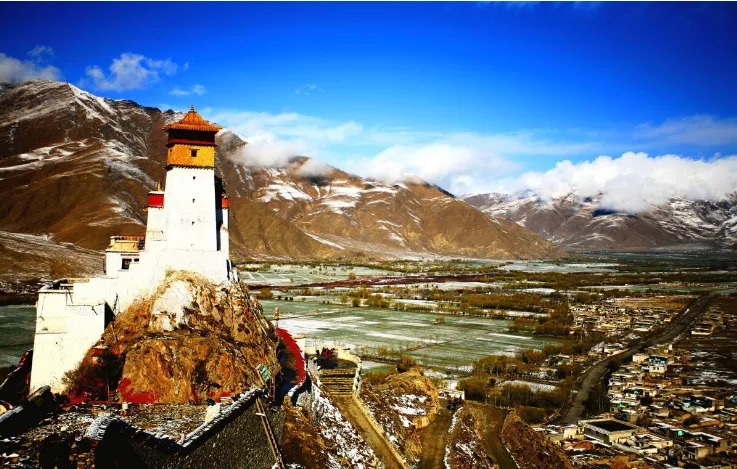
Shigatse has a long history, ancient and mysterious. Samdutse, Gyangtse Fortress were both former centers of politics and religion. There are a number of famous monasteries such as Tashi Lhunpo, Palkhor Choede, and Sakya Gompa. In ancient times, it was a part of “Tibet” and was an important territory of the Tubo Dynasty. With the evolution of history, Shigatse gradually became one of the important centers of Tibetan Buddhism.
In the early 14th century, Grand Minister Gyaincain Gyaltsen established the Phagmodru Dynasty. He set up thirteen major valleys. The last valley was called Xigazê Dzong (the predecessor of today’s Shigatse City). There are Domu/Yadong Port, Dam Port, Kyirong Port, and Lhatse Port. Six famous ditches at the south foot of Shigatse. Domo/Yadong Valley, Chentang Valley, Karma Valley, Rongsha Valley, Dam Valley and Kyirong Valley. A castle-like building was built on the Dzong Hill and was called “Xigazê Dzongtri”. For short, it is called “Xigazêtri”. In Chinese transliteration, it is Shigatse.
During the long historical years, Shigatse has witnessed countless changes and left rich historical and cultural heritages. Numerous ancient buildings, temples, ruins, etc. all tell of the past glory. This vast land is located between the middle section of the Himalayas and the middle section of the Gangdise Mountains – Nyenchen Tanglha Mountains.
Culture
Religious Culture
Shigatse is one of the important holy places of Tibetan Buddhism. There are many famous temples here, such as Tashilhunpo Monastery, Sakya Monastery, Baiju Monastery and so on. These temples are not only places for religious activities but also palaces of art. The art treasures such as Buddha statues, murals and thangkas in the temples show superb artistic level and profound religious connotations.
Tashilhunpo Monastery is one of the six major monasteries of the Gelug Sect of Tibetan Buddhism. It was built in 1447. The buildings in the monastery are magnificent and the halls are scattered in an orderly manner. It has collected a large number of precious cultural relics. Sakya Monastery is famous for its unique collection of books and murals and is known as the “second Dunhuang”. Baiju Monastery is a monastery where the Sakya Sect, Zhalu Sect and Gelug Sect of Tibetan Buddhism coexist. The 100,000-Buddha Pagoda in the monastery has a unique shape and more than 100,000 Buddha statues are enshrined inside.
Folk Culture
The folk culture of Shigatse is rich and colorful. The Tibetan people here retain their traditional way of life and customs. They are warm and hospitable and good at singing and dancing. During major festivals and celebration activities, people will wear gorgeous national costumes, dance cheerful Guozhuang dances and hold grand horse races.
The handicrafts of Shigatse are also unique, such as thangkas, Tibetan carpets, silverware and so on. These handicrafts are exquisitely made with superb craftsmanship, reflecting the wisdom and creativity of the Tibetan people.
Travel Suggestions
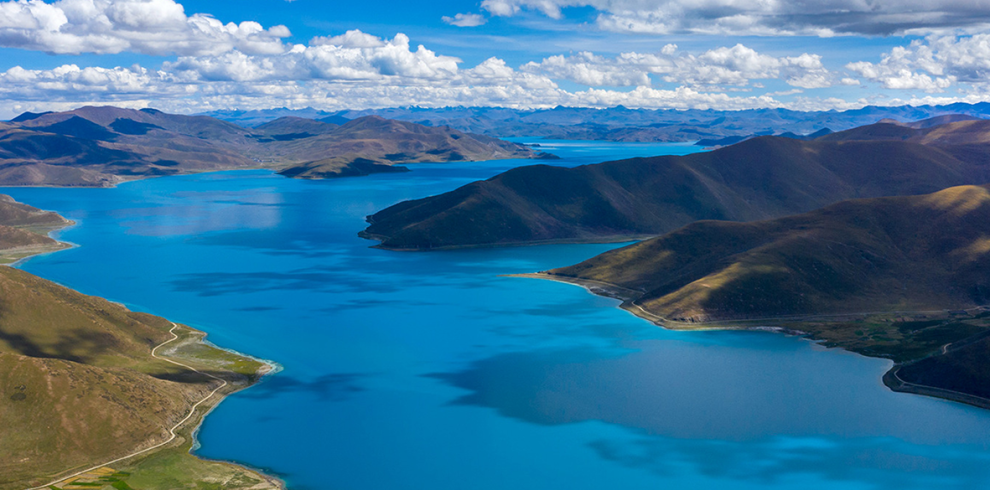
The tourist season in Shigatse is mainly concentrated in summer and autumn. The climate in these two seasons is relatively pleasant and the scenery is also the most beautiful. In summer, the grassland is emerald green and wild flowers are in full bloom; in autumn, it is a colorful season, with golden leaves and blue sky complementing each other.
You can choose to go to Shigatse by plane, train or long-distance bus. Shigatse Peace Airport has flights to and from many cities in China. Taking the train is also a good choice as you can enjoy the scenery along the way. Long-distance buses are relatively economical but the journey takes a long time.
In addition to the famous temples such as Tashilhunpo Monastery, Sakya Monastery and Baiju Monastery mentioned earlier, you can also go to the base camp of Mount Everest to feel the majestic and spectacular scenery of the world’s highest peak up close; go to Gyangze Ancient City to appreciate the style and historical culture of the ancient city; go to Karola Glacier to enjoy the magnificent scenery of the glacier.
Nyingchi is a predominantly Tibetan area with a rich cultural heritage. When visiting, it is important to respect local customs and traditions, especially when visiting monasteries and other religious sites. Dress modestly, remove your hat and shoes when entering religious buildings, and follow the instructions of the local people.
In short, Shigatse is a charming place. It has a unique geographical location, a long history, rich culture and magnificent natural scenery. If you are eager to experience different customs and feel the charm of nature and the profoundness of human culture, then Shigatse is definitely an unmissable tourist destination. Let’s step into Shigatse and start an unforgettable journey!