Introduction
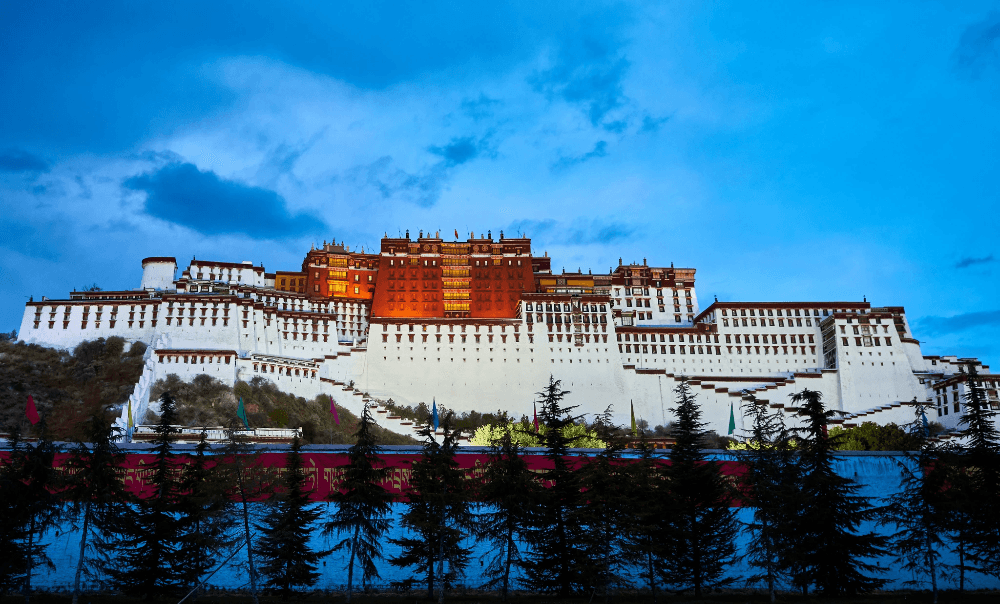
Nestled high in the heart of Tibet, the Tibetan Potala stands as a testament to both architectural brilliance and spiritual significance. This magnificent structure, often referred to as the Lhasa Palace or Tibet Palace, captures the imagination of travelers and pilgrims alike, drawing them into its storied past and breathtaking beauty. With its striking silhouette against the backdrop of the Himalayas, discovering the magnificence of Potala is an experience that transcends mere sightseeing.
Discovering the Magnificence of Potala
The Tibetan Potala is not just a palace; it’s a symbol of resilience and faith that has stood for centuries. As you approach this majestic Tibetan castle, you’ll be awed by its towering walls and intricate designs that reflect the rich cultural heritage of Tibet. Each corner tells a story, inviting visitors to delve deeper into its history while marveling at its grandeur.
Why Visit the Tibetan Potala?
Visiting the Tibetan Potala is akin to stepping into a living museum where history intertwines with spirituality. The palace serves as an important pilgrimage site for Buddhists from around the world, making it essential for anyone seeking to understand Tibetan culture and religion. Not only will you witness stunning architecture, but you’ll also experience firsthand why this site is revered by so many.
A Journey to Lhasa’s Crown Jewel
Your journey to Lhasa’s crown jewel begins with questions like where is Potala Palace? The answer leads you through winding roads that ascend into this enchanting city filled with vibrant traditions and breathtaking landscapes. Once you arrive at this iconic landmark, prepare yourself for an unforgettable exploration of both its exterior splendor and potently spiritual potala palace interior.
History of the Tibetan Potala
The Tibetan Potala, often referred to as the Lhasa Palace, stands as a testament to centuries of history and spirituality. Its origins trace back to the 7th century when it was first constructed by King Songtsen Gampo as a marriage gift for his Chinese bride. This monumental Tibetan castle has since evolved from a royal residence into an iconic symbol of Tibetan Buddhism and culture.
The Origins of the Potala Palace
The origins of the Potala Palace are steeped in legend and historical significance. Initially built on Marpo Ri Hill, it served not only as a fortress but also as a spiritual haven for early Tibetan leaders. Over time, this majestic structure transformed into the grand Potala Palace we see today, reflecting both political power and religious devotion.
Its Role in Tibetan Buddhism
The role of the Potala Palace in Tibetan Buddhism cannot be overstated; it is considered one of the holiest sites in Tibet. As the winter residence of successive Dalai Lamas, this revered location has been pivotal in shaping Buddhist teachings and practices throughout history. The very walls of this magnificent Tibet palace echo with prayers and rituals that have taken place over centuries, making it a focal point for pilgrims from around the world.
Iconic Figures and Events
Throughout its storied history, numerous iconic figures have left their mark on the Tibetan Potala. Notable among them is the Fifth Dalai Lama, who expanded and renovated the palace during his reign in the 17th century, solidifying its status as a spiritual center. Additionally, significant events such as grand ceremonies and important political meetings have unfolded within its walls, further enriching its historical tapestry.
Architectural Wonders of the Potala
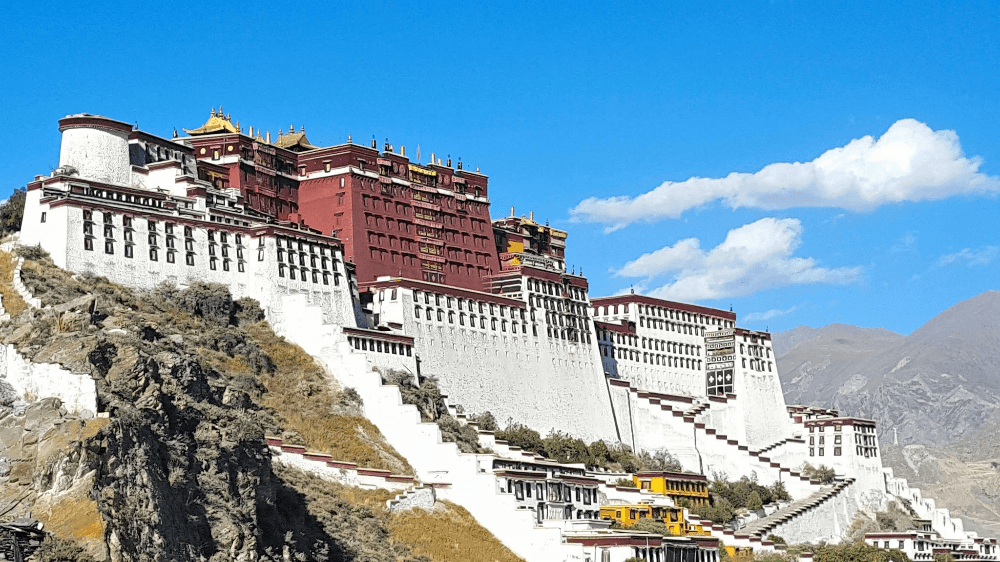
The Tibetan Potala stands as a breathtaking testament to the ingenuity and artistry of Tibetan architecture. This majestic structure, often referred to as the Tibetan castle, is not just a palace; it embodies centuries of history, spirituality, and culture. As you approach the Potala Palace, its towering presence against the backdrop of Lhasa’s sky captivates every visitor.
Design Features of the Tibetan Castle
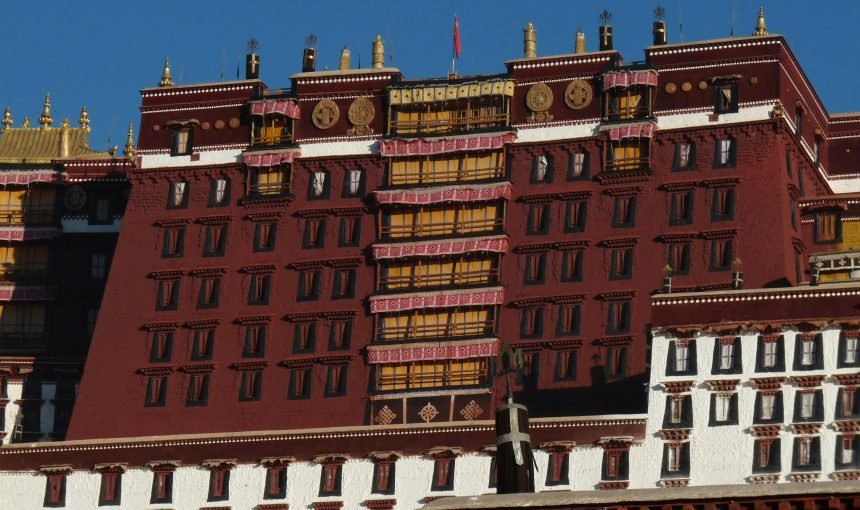
The design features of the Potala Palace are nothing short of extraordinary. Built on a hilltop, this iconic Tibet palace comprises over a thousand rooms connected by an intricate network of corridors and staircases. The use of vibrant colors, ornate carvings, and intricate murals throughout its façade creates a stunning visual experience that reflects both artistry and devotion.
Moreover, the strategic layout enhances not only its aesthetic appeal but also its functionality; each section serves specific religious or administrative purposes. The grand terraces provide breathtaking views over Lhasa while ensuring that light floods into various chambers within the Potala Palace interior. This unique combination makes it clear why many visitors ask themselves: where is Potala Palace?
The Symbolism in Its Structures
Every corner of the Tibetan Potala is steeped in symbolism that resonates deeply with Tibetan Buddhism. The structure itself represents Mount Meru, believed to be the center of all universes in Buddhist cosmology; thus, it holds immense spiritual significance for practitioners. Each color used in its construction signifies different aspects of life and spirituality—white for purity, red for transformation, and yellow for wealth.
The grand stupas within also serve as reminders of enlightenment and impermanence, inviting visitors to reflect on their spiritual journeys. Furthermore, many rooms are adorned with thangkas (traditional paintings) that tell stories from Buddhist teachings—each telling an age-old tale that connects visitors to their roots in this vibrant culture. The symbolism embedded within these structures invites deep contemplation about life’s greater purpose.
How It Stands the Test of Time
Despite centuries passing since its construction began in 637 AD under King Songtsen Gampo’s reign, the Tibetan Potala continues to stand resilient against time’s relentless march. Its robust stone foundations have weathered earthquakes and harsh weather conditions typical in Tibet’s high-altitude environment without compromising structural integrity. Ongoing restoration efforts ensure that this remarkable Tibet palace remains a beacon for future generations seeking insight into Tibetan culture.
Furthermore, modern conservation techniques blend seamlessly with traditional methods used by artisans who originally crafted these masterpieces—a testament to cultural preservation at its finest! Visitors often leave amazed at how such an ancient structure can remain so well-preserved while still embodying authentic Tibetan architectural styles today.
In conclusion, whether you’re gazing upon its magnificent exterior or exploring within its sacred halls filled with history and art—the architectural wonders found at Potala Palace create an unforgettable experience that truly encapsulates what makes this site so special.
Potala Palace Interior: A Hidden Gem

The interior of the Tibetan Potala is a treasure trove waiting to be explored, offering visitors a glimpse into the spiritual and cultural heart of Tibet. Each room within this magnificent structure tells its own story, steeped in history and adorned with intricate artistry. The Potala Palace interior is not just about aesthetics; it’s a journey through time that reveals the essence of Tibetan Buddhism and its enduring legacy.
Exploring the Grand Halls
Upon entering the grand halls of the Potala Palace, you are immediately enveloped by an atmosphere of reverence and awe. The vast spaces are adorned with vibrant murals, portraying scenes from Buddhist teachings and Tibetan folklore, making it impossible not to be captivated by their beauty. As you wander through these majestic rooms, you’ll find yourself standing in places where important ceremonies took place, each corner echoing with whispers of history that resonate deeply within the walls of this Tibetan castle.
Unique Artifacts and Relics
One cannot discuss the Potala Palace without mentioning its unique artifacts and relics that speak volumes about Tibetan culture and spirituality. From ancient thangkas (scroll paintings) to intricately crafted statues of deities, every piece serves as a testament to the artistic prowess of Tibetan artisans throughout centuries. These relics are not merely decorations; they hold significant spiritual value for practitioners who visit this sacred site, further enriching your understanding of what makes this Tibet palace so special.
Spiritual Significance of Its Rooms
The spiritual significance embedded within each room at the Potala Palace cannot be overstated; it’s a sanctuary for pilgrims seeking enlightenment and solace. The meditation chambers resonate with tranquility while serving as places where monks have sought guidance for centuries amidst their prayers and reflections. Visiting these sacred spaces allows you to connect with the profound spirituality that permeates throughout Lhasa Palace—a connection that remains long after you leave this remarkable site.
Navigating to the Potala
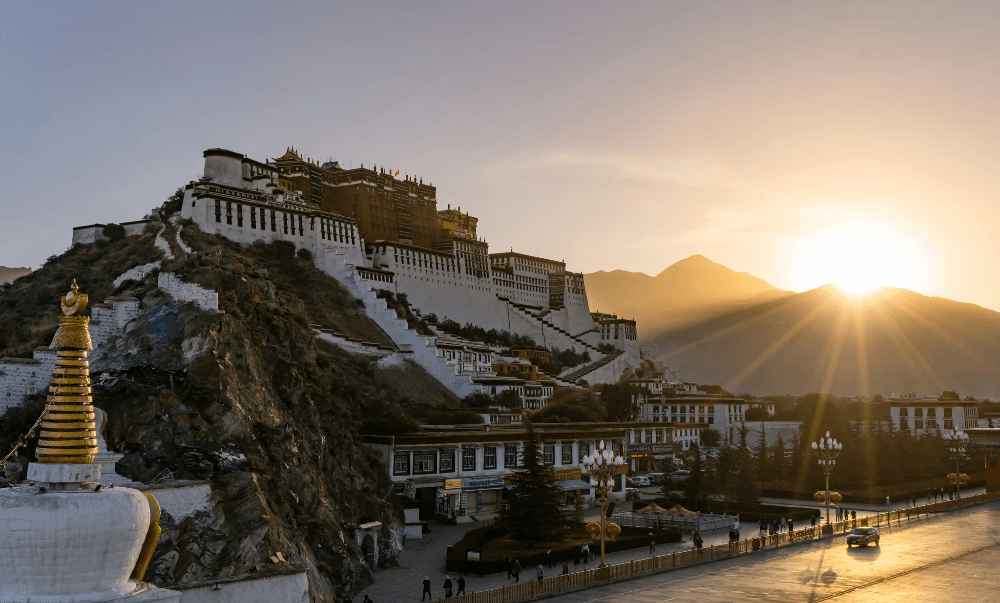
Visiting the Tibetan Potala is more than just a trip; it’s an adventure that begins long before you step foot in Lhasa. Understanding how to navigate your way to this majestic site ensures that your journey is as smooth as possible. Let’s break down everything you need to know about reaching the iconic Lhasa Palace.
Where Is Potala Palace Located?
The Potala Palace, often referred to as the Tibetan castle, sits majestically atop Marpo Ri Hill in Lhasa, Tibet. This breathtaking structure overlooks the city and is easily recognizable with its striking white and red walls. If you’re wondering, where is Potala Palace? it’s nestled at an elevation of about 3,700 meters (12,139 feet), making it not only a historical marvel but also a stunning natural landmark.
Best Routes to Lhasa Palace
Getting to the Potala Palace requires some planning, especially if you’re coming from outside Tibet. The most common route is via Lhasa Gonggar Airport, which connects travelers from major cities like Beijing and Chengdu; from there, it’s a scenic drive of around one hour into Lhasa city center. Alternatively, for those seeking a more adventurous approach, consider taking one of the breathtaking train journeys on the Qinghai-Tibet Railway that will lead you directly into Tibet’s capital—an experience that offers stunning views of snow-capped mountains and vast plateaus.
Essential Travel Tips for Tourists
To make your visit to the Tibetan Potala both enjoyable and memorable, keep these essential travel tips in mind! First off, acclimatize yourself to high altitudes; spending at least a couple of days in Lhasa before visiting will help prevent altitude sickness and allow you time to explore other attractions like Jokhang Temple or Barkhor Street. Additionally, dress appropriately for fluctuating temperatures—layers are key—and don’t forget your camera; capturing the intricate details of both the Potala Palace interior and its surrounding landscapes is a must!
The Cultural Experience in Lhasa
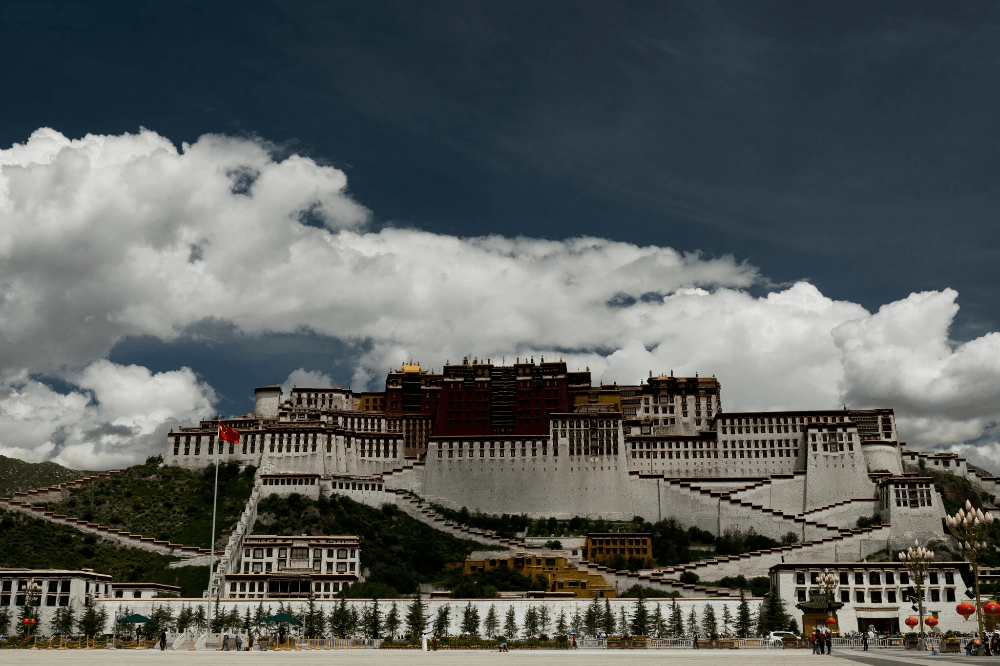
When visiting the Tibetan Potala, immersing oneself in the local culture is an essential part of the journey. Lhasa, home to the majestic Potala Palace, offers a rich tapestry of traditions that reflect the spiritual essence of Tibetan life. Engaging with these customs gives visitors a deeper understanding of what makes this region so unique and captivating.
Engaging with Tibetan Traditions
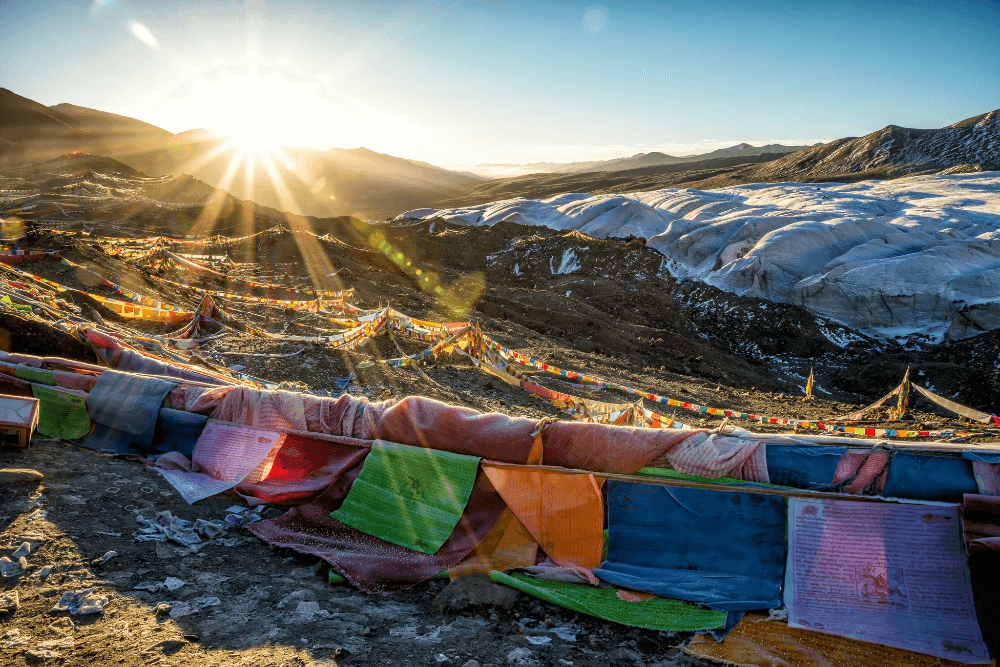
Tibetan traditions are steeped in history and spirituality, making them a fascinating aspect of any visit to Lhasa Palace. From colorful festivals like Losar, which celebrates the Tibetan New Year, to the daily rituals at local monasteries, there’s no shortage of opportunities to witness these vibrant practices. Visitors can participate in traditional dances or even try their hand at crafting handmade prayer flags—experiences that deepen your connection to this enchanting culture.
Another way to engage with Tibetan traditions is through storytelling and folklore shared by local elders. These narratives often revolve around iconic figures from Tibetan Buddhism and events that shaped its history—an engaging method to learn about the significance behind landmarks like the Potala Palace interior. By participating in these communal activities, you’ll leave with not just memories but also stories that resonate long after your visit.
Local Cuisine and Culinary Delights
No cultural experience is complete without indulging in local cuisine, and Tibet has some culinary delights that will tantalize your taste buds! While exploring Lhasa, be sure to try traditional dishes like momos (steamed dumplings) and thukpa (noodle soup), which are staples among locals and visitors alike. The flavors are as rich as their history—each bite tells a story about how geography influences food preparation in this high-altitude region.
For those curious about where to find authentic dining experiences near the Potala Palace, numerous eateries offer both traditional fare and modern twists on classic dishes. Don’t miss out on sampling yak butter tea; it’s not only a staple but also an integral part of Tibetan hospitality! Pair your meal with some freshly baked barley bread for an unforgettable culinary adventure while soaking up views of Tibet’s stunning landscapes.
GuideTibet: Your Travel Partner in Tibet
Navigating through Lhasa’s cultural maze can be overwhelming without a reliable guide by your side—and that’s where GuideTibet comes into play! Specializing in tours around iconic sites such as the Tibetan Potala, they provide personalized itineraries tailored to fit every traveler’s needs. Whether you’re looking for insights into local traditions or recommendations for must-try dishes near Tibet Palace, they have you covered!
GuideTibet’s knowledgeable guides can help you uncover hidden gems within Lhasa while ensuring you don’t miss out on significant attractions like the majestic Potala Palace interior or nearby monasteries rich with history. Their expertise allows travelers not only to see but truly experience Tibet’s vibrant culture firsthand—making every moment count during your visit! So when planning your journey through this breathtaking land, consider partnering with GuideTibet for an enriching experience filled with adventure.
Conclusion
The Tibetan Potala stands not just as a structure but as a testament to the rich tapestry of culture, spirituality, and history that defines Tibet. Its majestic presence in Lhasa captivates the hearts of travelers, drawing them into a world where ancient traditions and breathtaking architecture intertwine. Visiting this iconic Tibetan castle is more than a journey; it’s an immersive experience that lingers long after you’ve left its hallowed halls.
The Allure of the Tibetan Potala
The allure of the Tibetan Potala lies in its grandiosity and spiritual significance, making it one of the most revered landmarks in Tibet. As you approach this magnificent edifice, the sight of its towering walls against the backdrop of the Himalayas leaves you awestruck. Each corner and crevice tells stories of devotion, resilience, and artistic mastery that resonate deeply with visitors from around the globe.
Experiences Awaiting at Lhasa Palace
Stepping into Potala Palace is like entering a realm where time stands still; every room reveals unique treasures and insights into Tibetan Buddhism’s profound heritage. From exploring the intricately decorated chapels to witnessing stunning murals depicting historical events, every moment spent within these walls is filled with discovery. Engaging with local monks or participating in traditional rituals adds layers to your understanding of this remarkable place.
Tips for an Unforgettable Visit to Tibet
To make your visit to Potala Palace truly unforgettable, planning ahead is essential—first off, knowing where is Potala Palace will save you time for exploration! Arriving early allows you to enjoy quieter moments before crowds descend upon this popular site; don’t forget your camera for capturing those breathtaking views! Lastly, consider hiring a local guide who can provide deeper insights into both the potala palace interior and surrounding cultural experiences that Lhasa has to offer.