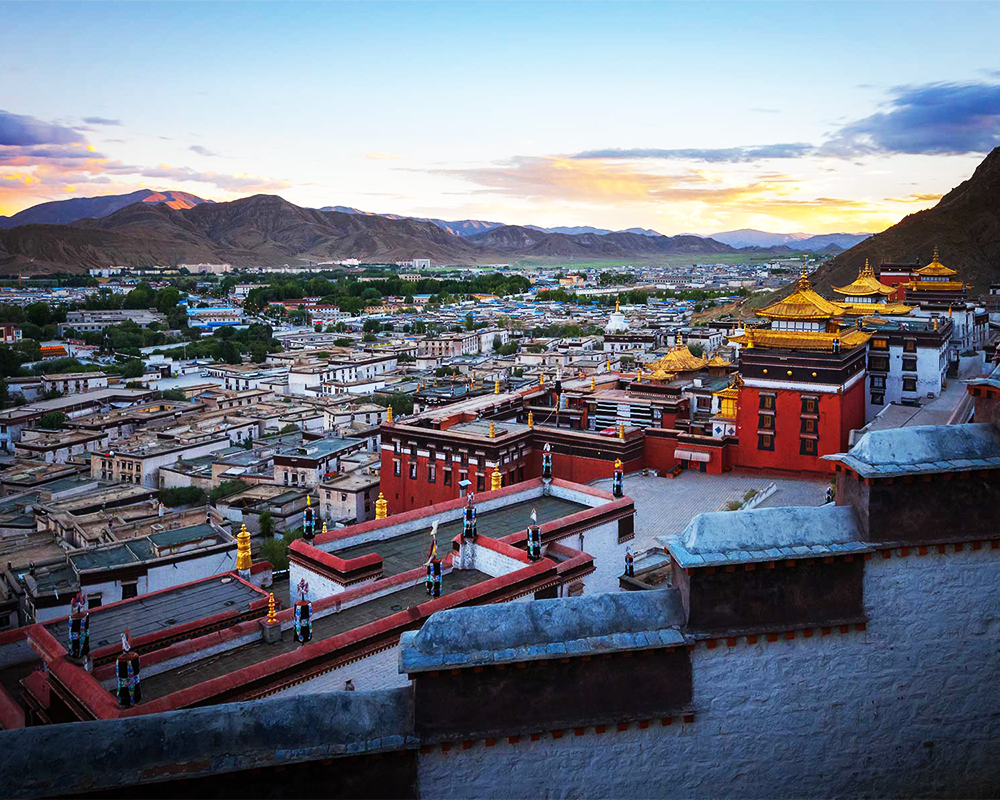
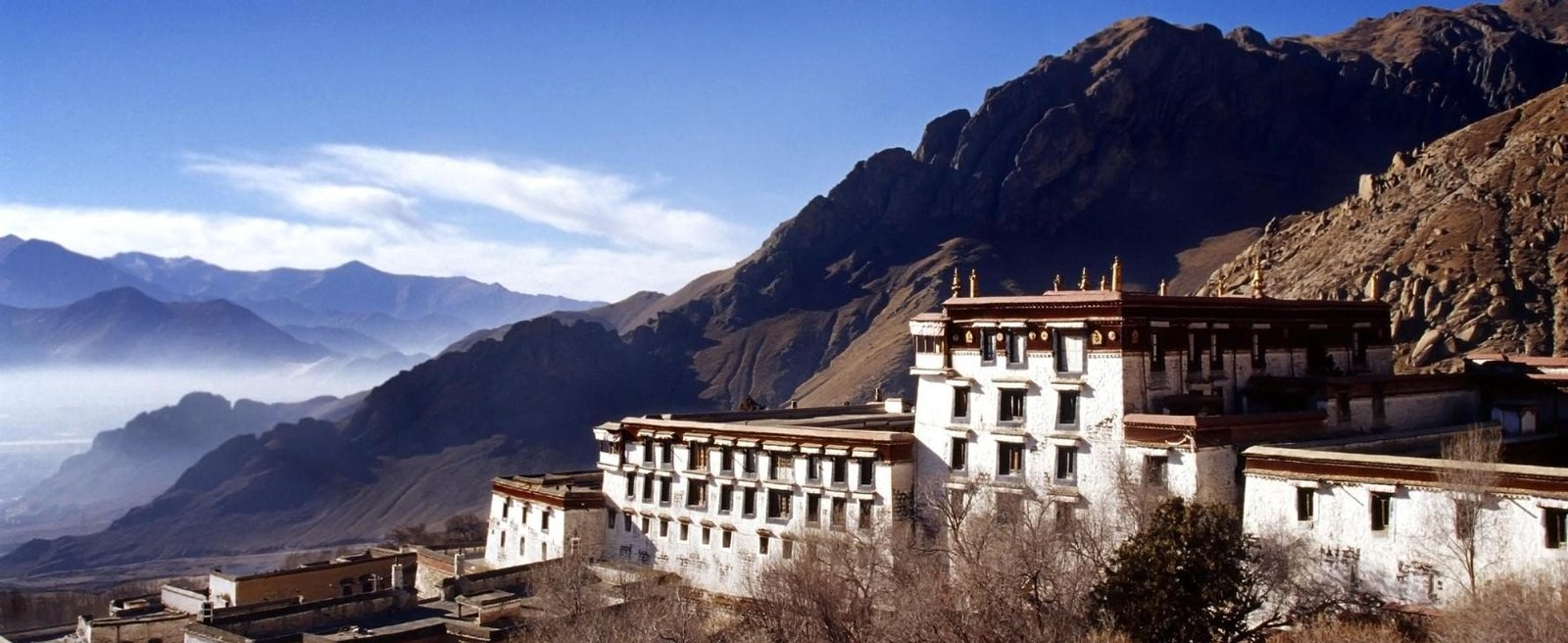
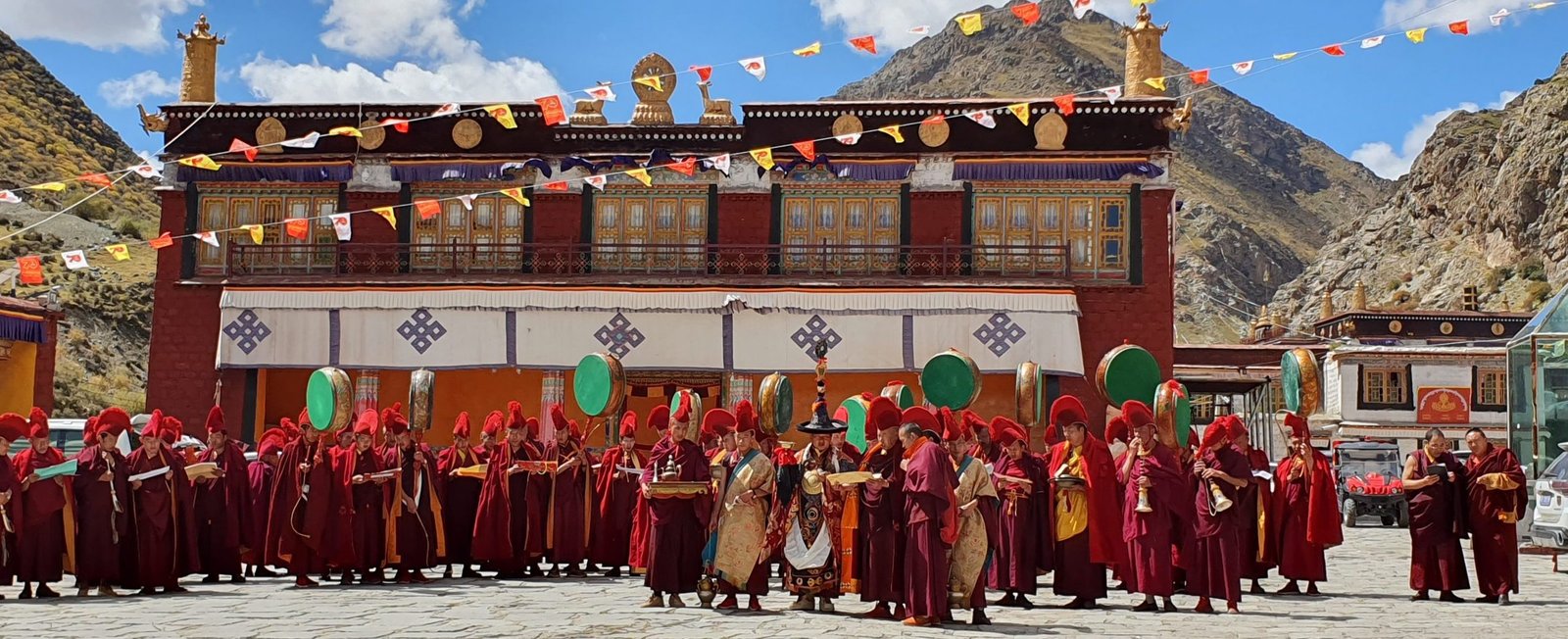
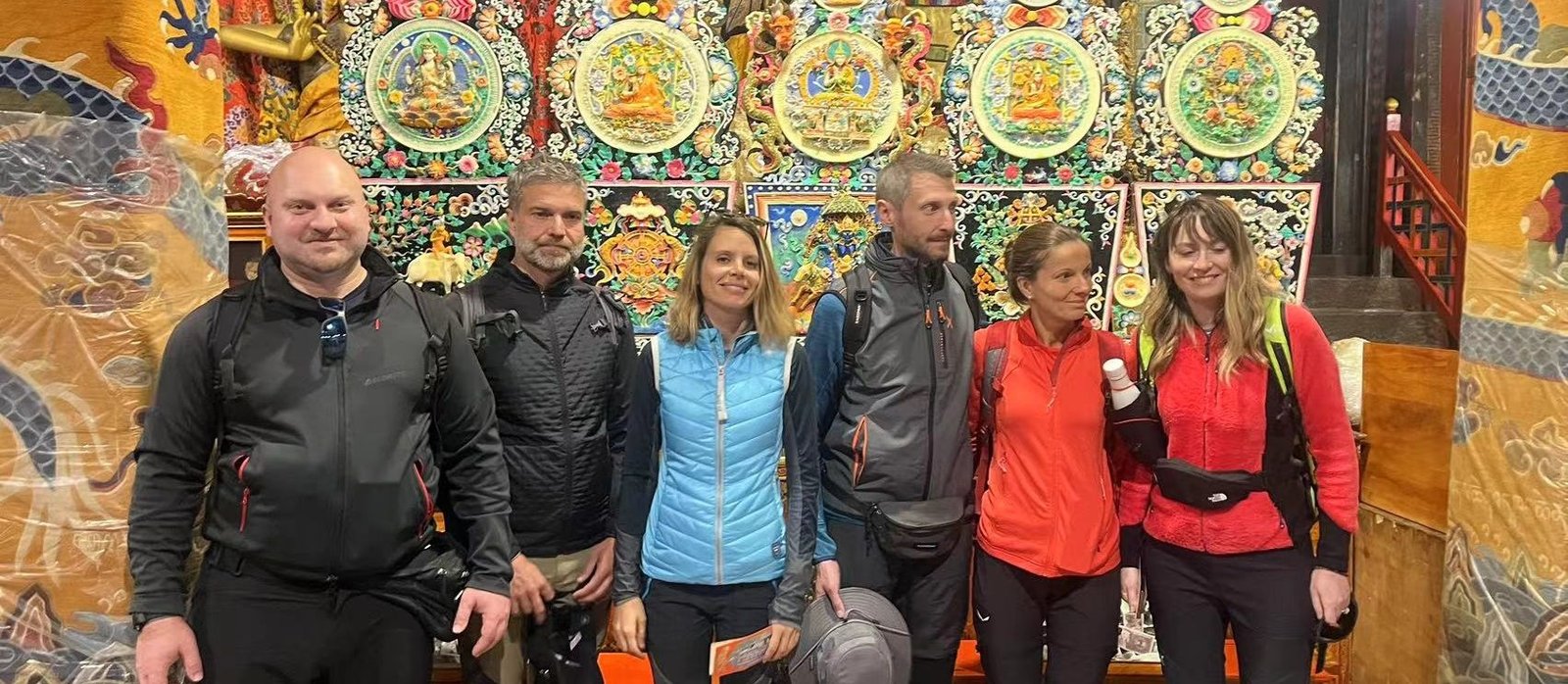
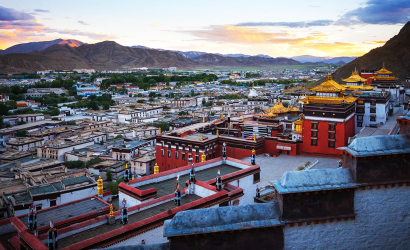
In the morning, your Tibetan guide and driver will meet you and the other group member at hotel lobby then start from downtown Lhasa and first visit the Potala Palace, which is not only the political, religious and cultural center of Tibet but also the holy land of Tibetan Buddhism.
History of Potala Palace or ancient castle
The Potala Palace is located on the Maburi Mountain (Red Mountain) in the northwest of Lhasa, the capital of the Tibet Autonomous Region of the People's Republic of China. The Potala Palace was built under the leadership of Songtsen Gampo, the 33rd Tibetan king of Tubo, in 631 AD. However, with the disintegration of the Tubo Kingdom, it suffered severe damage due to natural and man-made disasters. In 1645, the Fifth Dalai Lama rebuilt the Potala Palace to consolidate the political and religious unity of the Ganden Pohang region, and continued to expand it until it reached its current size. The Potala Palace was designed and built according to the layout of Buddhist mandalas, covering a total area of over 360000 square meters and a total construction area of over 130000 square meters. The main building is 117 meters high and has 13 floors. It is a large palace style architectural complex with 1267 rooms, including palaces, stupas, Buddhist halls, administrative offices, monk schools, and monk houses. The main works of the building have two systems: the White House and the Red Palace. The White House is the place where the Dalai Lamas of past dynasties govern and live. The Red Palace is the place for religious activities and the place where the Dalai Lamas of past dynasties worship their stupas. The building form of the White House around the Red Palace reflects the social system of the integration of politics and religion in old Tibet. After 1959, the Central Committee of the Communist Party of China and the State Council attached great importance to the maintenance and protection of the Potala Palace, and allocated maintenance funds throughout the year. Two phases of maintenance were carried out in 1988 and 2001. On March 4, 1961, the Potala Palace was announced by the State Council of the People's Republic of China as the first batch of national key cultural relics protection units. In 1994, the Potala Palace was listed as a World Cultural Heritage site by UNESCO. Potala Palace is the winter palace of all previous Dalai Lamas, and also the ruling center of the integration of politics and religion of Tibet’s m local rulers in the past. Since the fifth Dalai Lama, major religious and political ceremonies have been held here. At the same time, it is a place to worship the spiritual tower of all previous Dalai Lamas.
Afternoon we will go to Jokhang Temple to experience the strong religious atmosphere. Then we will stroll along Barkhor Street, taste authentic Tibetan cuisine, and purchase handicrafts. In the evening, you can go to see the night view of the majestic Potala Palace to enjoy the beautiful night walk.
History of Jokhang temple
Jokhang Temple, located in Lhasa, Tobey Autonomous Region, is a central Tibetan Buddhist temple and also a central of the universe too. It was founded in 647 A.D. by the Tibetan King Songtsen Gampo to commemorate Princess Wencheng's entry into Tibet. Jokhang Temple has a long history of more than 1300 years. It is one of the most splendid existing buildings in Tibet during the Tibetan period and the earliest civil structure building in Tibet. The temple was originally called "Rasa", later evolved into "Lhasa", and eventually became the name of the city. Jokhang Temple is not only a Buddhist temple, but also a three-dimensional representation of the ideal model of the universe in Buddhism - the mandala. The architectural style of Jokhang Temple combines the characteristics of Tibetan, Tang, Nepalese, and Indian architecture, and is a model of Tibetan religious architecture. There are statues of Shakyamuni and other figures enshrined in the temple, as well as statues of Songtsen Gampo, Princess Chizun, and Princess Wencheng. The temple has undergone multiple expansions and modifications, especially during the Yuan, Ming, and Qing dynasties, forming its current scale. Jokhang Temple is not only a pilgrimage site for Tibetan Buddhists, but also a sacred temple revered by various sects. The "Golden Urn Lottery" ceremony for the reincarnation of Gelug Living Buddhas has always been held here. Breakfast