Introduction

Welcome to the captivating city of Lhasa, the capital of Tibet, where history and modernity blend seamlessly. As we embark on this journey, we will delve into the rich history of Lhasa, explore its transformation over time, and discover how to plan an unforgettable Tibet tour from this iconic city.
The History of Lhasa, Tibet’s Capital
Lhasa holds a significant place in Tibetan history as it has served as the capital for centuries. Its historical importance is evident in its ancient architecture and cultural landmarks that have stood the test of time.
Lhasa: Past vs. Present
From being a traditional hub of Tibetan culture and spirituality to evolving into a bustling modern city, Lhasa has undergone remarkable changes while still retaining its timeless charm. We’ll uncover what Lhasa looked like in the past and how it has adapted to the present.
Planning Your Tibet Tour from Lhasa
As you prepare for your adventure in Tibet, it’s essential to understand how to plan your tour from Lhasa, the capital city. From must-see attractions to valuable tips for an enriching experience, we’ll guide you through crafting an unforgettable journey through this majestic region.
The Ancient Beauty of Lhasa

Lhasa, the capital of Tibet, boasts an array of ancient wonders that continue to captivate visitors from around the world. From the spiritual allure of Jokhang Temple to the iconic grandeur of Potala Palace and the serene tranquility of Sera Monastery, Lhasa’s ancient beauty is truly unparalleled.
Jokhang Temple: A Spiritual Center
Jokhang Temple, built in the 7th century, stands as a spiritual center for Tibetan Buddhists and a testament to the enduring faith and devotion of the Tibetan people. Its ornate architecture and sacred atmosphere make it a must-see attraction for anyone visiting Lhasa.
Jokhang Temple, with its intricate carvings and colorful murals, exudes a sense of tranquility and reverence that captivates visitors from around the world. The temple’s central location in the heart of Lhasa also makes it a hub of spiritual and cultural activity, with pilgrims and tourists alike flocking to its hallowed halls. As one of the holiest sites in Tibetan Buddhism, Jokhang Temple offers a profound glimpse into the rich tapestry of Tibetan religious traditions and practices.
Potala Palace: The Iconic Landmark
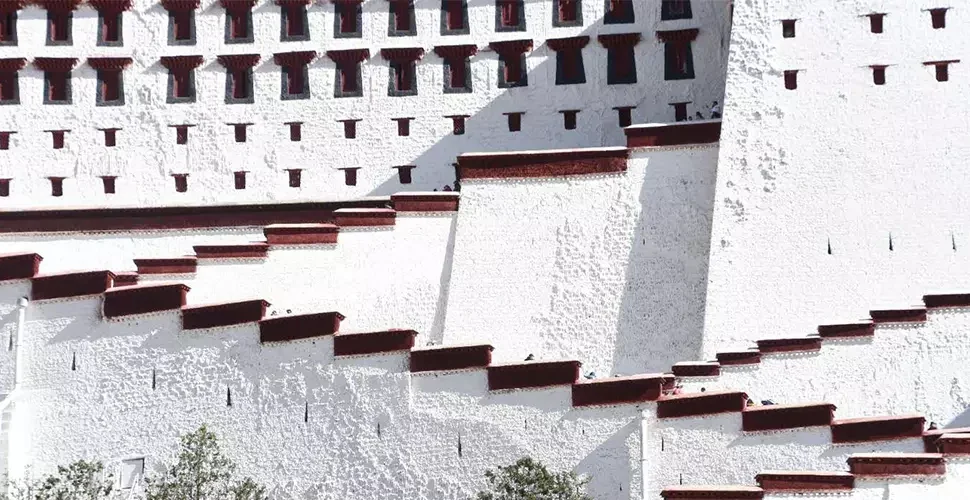
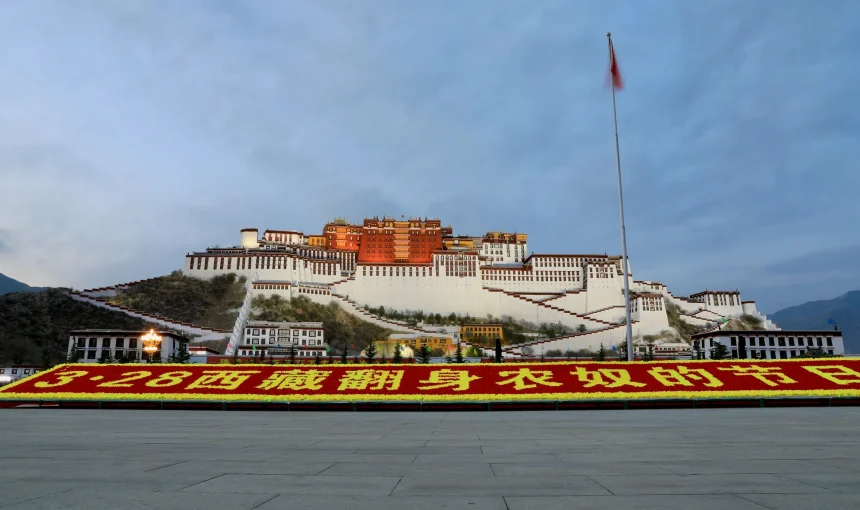
Potala Palace, once the winter residence of the Dalai Lama, looms majestically over Lhasa as a symbol of Tibetan history and culture. With its towering walls and intricate artwork, it offers an awe-inspiring glimpse into Tibet’s rich heritage. Visitors can explore the various rooms and chapels adorned with vibrant murals, ancient statues, and precious artifacts, providing a fascinating insight into the spiritual and secular life of the Tibetan people. The palace also boasts breathtaking panoramic views of the surrounding mountains and city below, making it a must-see destination for anyone interested in immersing themselves in Tibetan culture.
Sera Monastery: Discovering Tibetan Buddhism
Sera Monastery is not only a place of spiritual significance, but also a hub of cultural exchange. Visitors can witness the monks engaging in lively debates, a tradition that has been passed down for centuries and offers a unique glimpse into the intellectual rigor of Tibetan Buddhism. The monastery’s architecture, with its intricate designs and vibrant colors, serves as a testament to the rich artistic heritage of Tibet, providing visitors with an immersive experience that goes beyond mere observation.
Lhasa: The First Capital of Tibet
Exploring Lhasa’s Historical Significance
Lhasa, the capital of Tibet, holds immense historical significance as it was the political and spiritual center of Tibet for centuries. The city’s rich history is evident in its ancient temples, palaces, and monasteries, which have stood the test of time and continue to attract visitors from around the world.
Understanding Lhasa’s Role in Tibetan History
Lhasa’s significance as the political and spiritual center of Tibet is further underscored by its architectural marvels, such as the iconic Potala Palace. This grand structure, perched atop Marpo Ri hill, served as the winter residence of the Dalai Lama and remains a symbol of Tibetan Buddhism. The Jokhang Temple, another architectural gem in Lhasa, is revered as one of the holiest sites in Tibetan Buddhism and continues to draw pilgrims from all over the world. These landmarks not only attest to Lhasa’s historical importance but also contribute to its status as a UNESCO World Heritage Site.
Is Lhasa the First Capital City of Tibet?
While historical records may suggest that Lhasa was not the first capital city of Tibet, its significance in shaping Tibetan history and culture cannot be overlooked. The city has been a focal point for Tibetan Buddhism, with iconic landmarks such as the Potala Palace and Jokhang Temple serving as testament to its religious importance. Additionally, Lhasa’s strategic location at the crossroads of trade routes has contributed to its political and economic influence throughout the centuries.
Lhasa Today: A Modern Yet Timeless City
Lhasa’s Urban Development
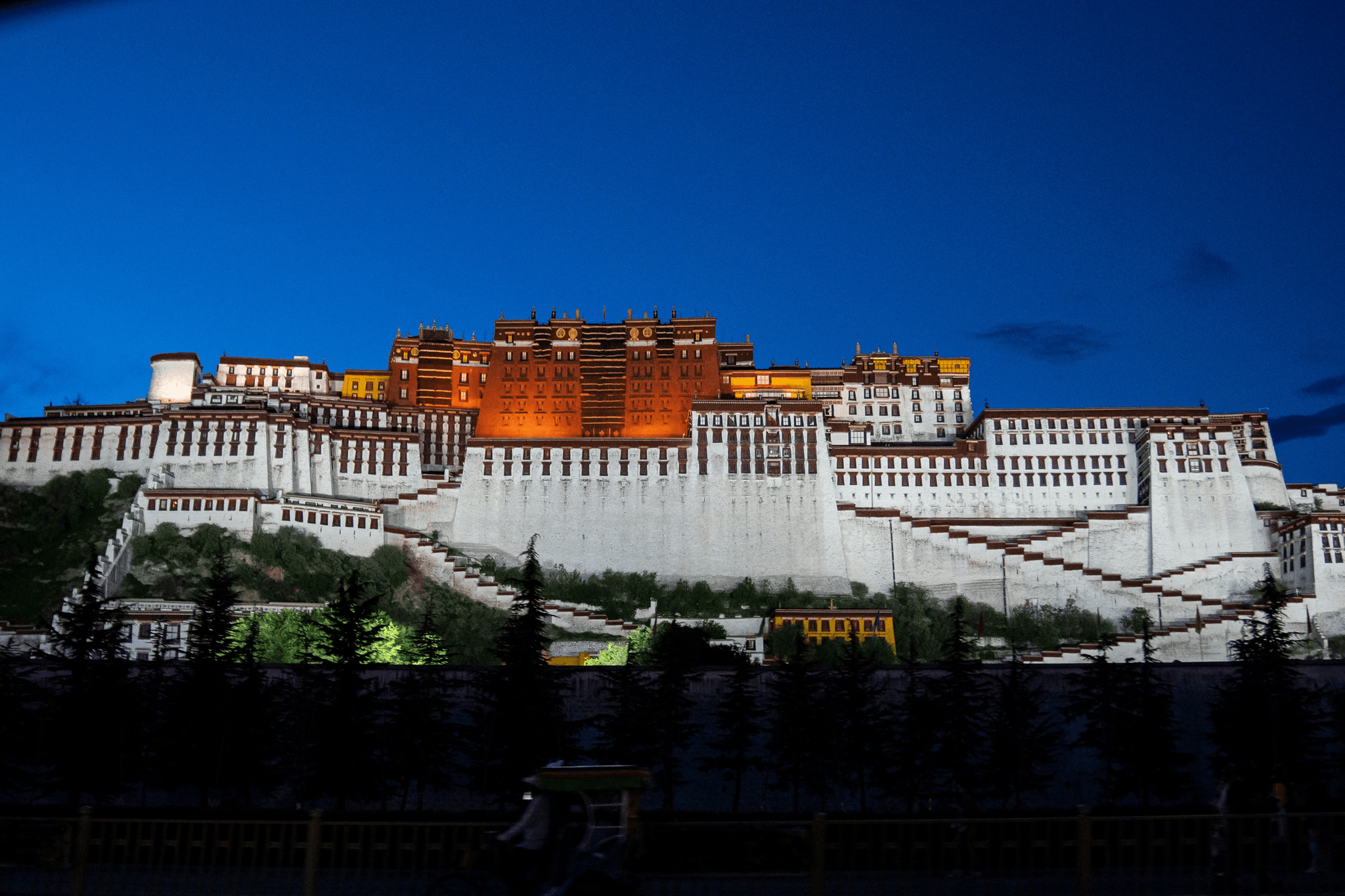
Lhasa, the capital of Tibet, has undergone significant urban development in recent years, with new infrastructure and modern amenities enhancing the city’s appeal. The construction of new roads, bridges, and buildings has transformed Lhasa into a bustling metropolis while still preserving its traditional charm.
Lhasa’s urban development has not only focused on modern infrastructure but also on preserving its cultural heritage. The city has made efforts to protect and promote its traditional architecture, including the iconic Potala Palace and Jokhang Temple. This blend of old and new creates a unique atmosphere that attracts both tourists and residents, contributing to Lhasa’s reputation as a vibrant and historically rich city.
The Cultural Heritage of Lhasa
The cultural heritage of Lhasa is evident in its ancient temples, monasteries, and historic architecture that have stood the test of time. The city’s rich cultural legacy is celebrated through colorful festivals, traditional music and dance performances, and vibrant local markets that showcase the unique traditions of the Tibetan people. In addition to these cultural attractions, Lhasa also boasts breathtaking natural scenery, including the majestic Himalayan mountains and the tranquil waters of the Kyichu River, offering visitors a truly immersive experience in both history and nature.
What Does Lhasa, the Capital of Tibet, Look Like Nowadays?
Lhasa, the capital of Tibet, is a captivating blend of old and new, where ancient traditions coexist with modern developments. The cityscape is dominated by the majestic Potala Palace and Jokhang Temple against a backdrop of contemporary buildings and bustling streets filled with locals and tourists alike.
Lhasa’s old town, with its narrow alleys and traditional Tibetan architecture, provides a glimpse into the city’s rich cultural heritage. Here, you can wander through bustling markets, visit local tea houses, and admire the intricate details of ancient buildings. As you explore this historic area, you’ll encounter friendly locals going about their daily routines, offering a warm and authentic experience of Tibetan lifeNow let’s move on to section VI about planning your Tibet tour from Lhasa!
The Function of Lhasa as the Capital of Tibet
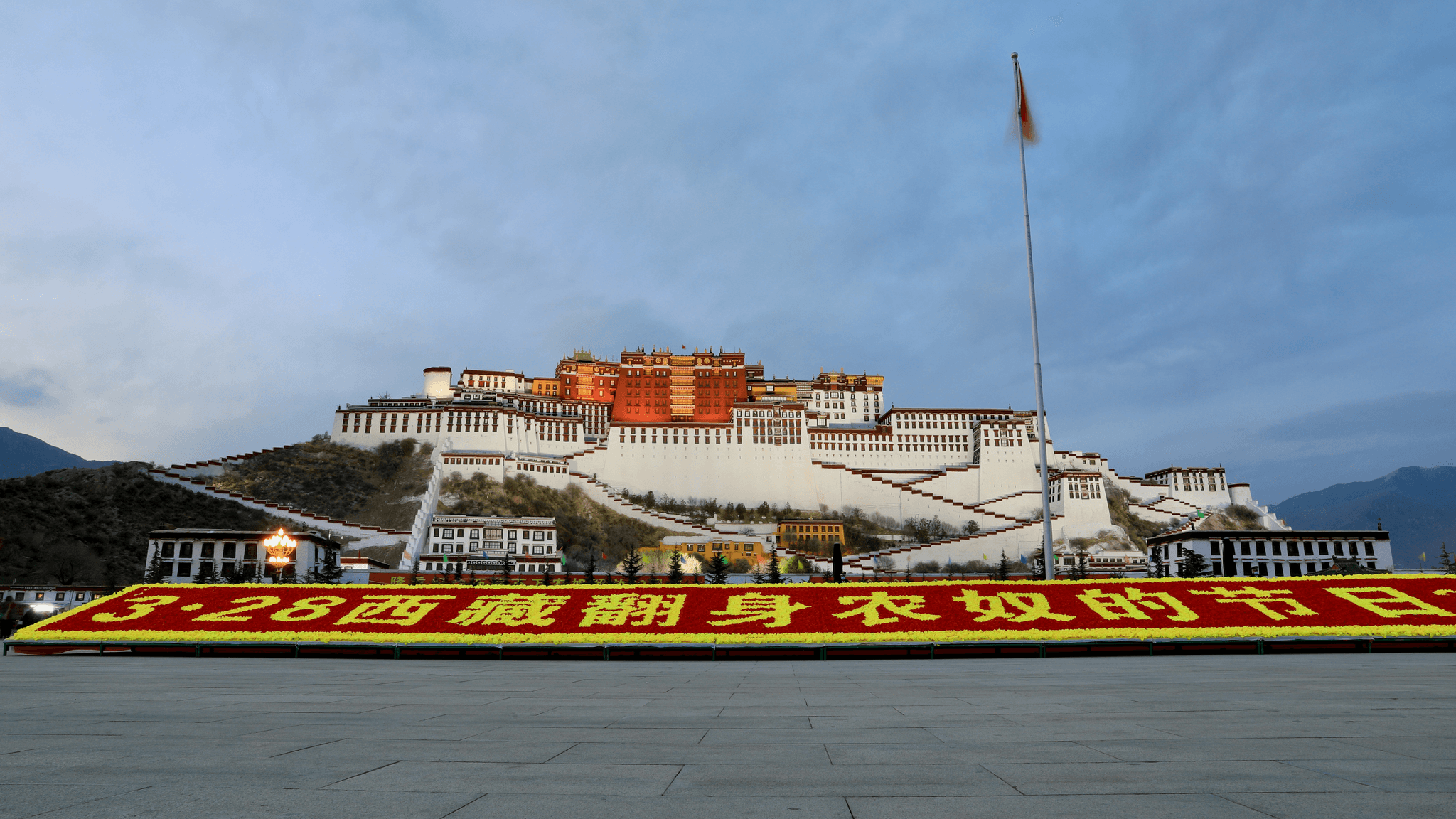
Lhasa, the capital of Tibet, holds a pivotal role as the political center of the region. The city is home to the Potala Palace, which served as the winter residence of the Dalai Lama and was also the political center of Tibet. Lhasa continues to be a significant hub for political activities and government operations in modern-day Tibet.
Lhasa as the Political Center
Lhasa has historically been recognized as the political center of Tibet, with its strategic location and historical significance. It has been a place where major political decisions were made, and it continues to be an essential administrative and governance center for the region.
Lhasa’s economic importance has also been closely tied to its historical role as the political center of Tibet. The city’s strategic location at the crossroads of major trade routes has made it a hub for commerce and economic activity. As a result, Lhasa has become a key center for trade and business in the region, contributing significantly to the overall economy of Tibet. Additionally, the city’s status as an administrative and governance center has attracted investment and development, further boosting its economic significance.
Lhasa’s Economic Importance
Lhasa plays a crucial role in driving economic activities in Tibet. As the capital city, it serves as a commercial hub for trade and business, attracting tourists and investors from around the world. The city’s economic importance is evident through its bustling markets, thriving tourism industry, and growing infrastructure.
Lhasa’s economic importance is further highlighted by its role as a center for cultural and religious activities in Tibet. The city is home to numerous historical and religious sites, drawing pilgrims and spiritual seekers from all over the world. This influx of visitors contributes to the local economy through spending on accommodation, food, and souvenirs, making Lhasa a significant contributor to the region’s overall prosperity.
How Does Lhasa Serve as the Capital City of Tibet?
Lhasa serves as the capital city of Tibet by providing a central location for governmental functions, economic activities, and cultural preservation. Its historical landmarks serve as a reminder of its rich heritage while also contributing to its modern-day significance as a vibrant urban center that represents both tradition and progress.
Lhasa’s strategic location at the center of Tibet makes it the ideal hub for governmental operations, providing easy access to all regions of the country. This centralization allows for efficient decision-making and policy implementation, ensuring that the needs of Tibetans across the region are met. Furthermore, Lhasa’s economic activities play a crucial role in driving the growth and development of Tibet, serving as a bustling marketplace where trade and commerce thrive.
Planning Your Tibet Tour from Lhasa
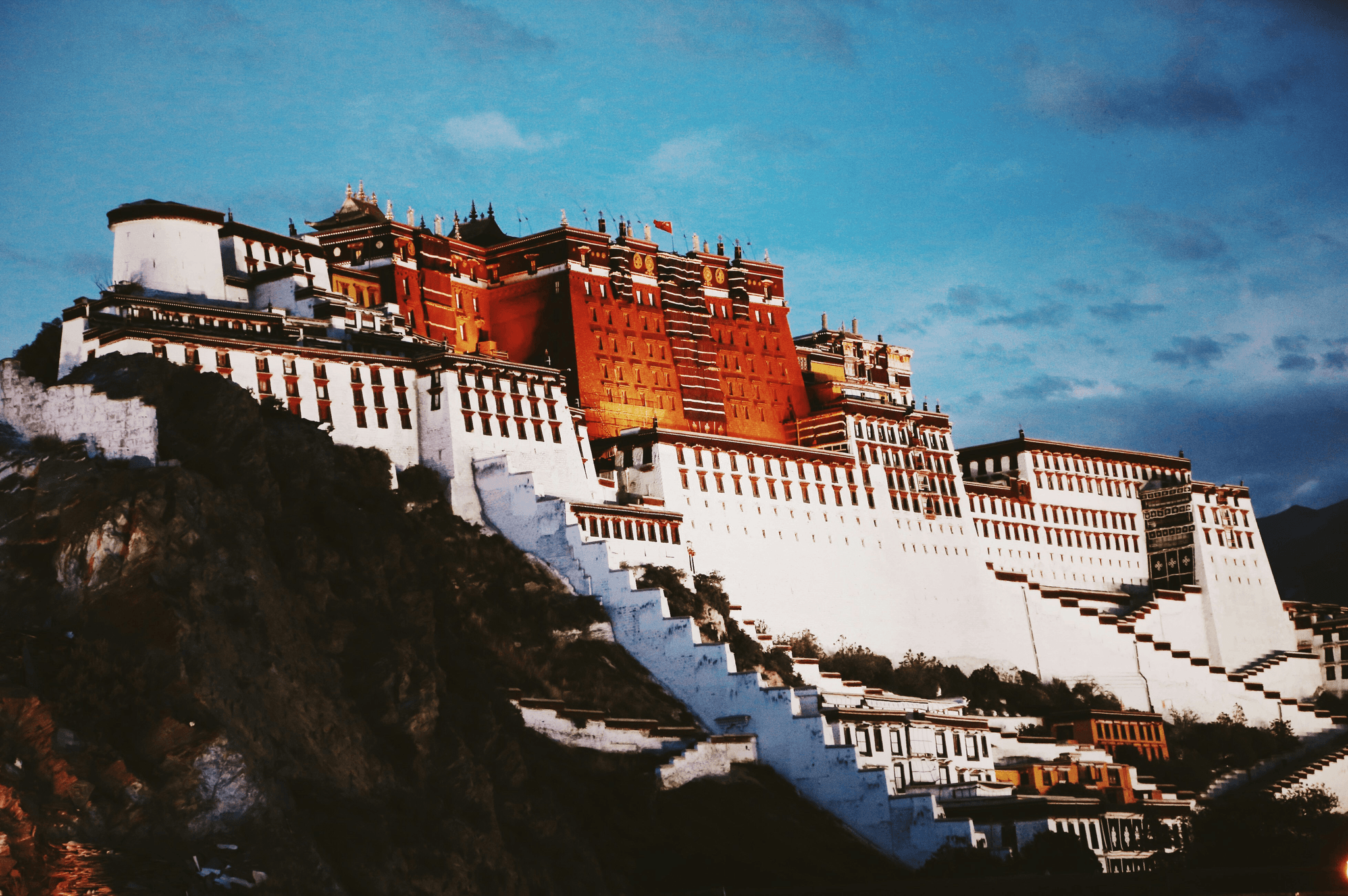
Are you ready to embark on a journey to the mystical land of Tibet? As you plan your Tibet tour from Lhasa, the capital city, there are a few must-see attractions that should be at the top of your list. From the iconic Potala Palace to the spiritual Jokhang Temple and the enlightening Sera Monastery, Lhasa offers an array of ancient beauty and cultural significance that will leave you in awe.
Must-See Attractions in Lhasa
When visiting Lhasa, make sure to prioritize a visit to the Potala Palace, which stands as a symbol of Tibetan Buddhism and houses countless treasures within its walls. The Jokhang Temple is another must-see, revered as one of the most sacred sites in Tibetan Buddhism, while the Sera Monastery offers an opportunity to witness monks engaging in philosophical debates – a truly unique experience.
After exploring the spiritual and cultural landmarks of Lhasa, take some time to wander through the bustling Barkhor Street. This lively market is a hub of activity, filled with vendors selling traditional Tibetan crafts, clothing, and souvenirs. It’s a great place to pick up unique gifts and immerse yourself in the local atmosphere. You can also sample delicious Tibetan cuisine at the street food stalls and small eateries scattered throughout the area.
Tips for a Memorable Tibet Tour
To ensure that your Tibet tour from Lhasa is unforgettable, it’s essential to acclimate yourself to the high altitude before exploring further into Tibet. Additionally, respecting local customs and traditions will enhance your experience and foster meaningful connections with the people you encounter along your journey.
After acclimating to the high altitude, it’s important to plan your itinerary carefully to make the most of your time in Tibet. Consider visiting iconic landmarks such as the Potala Palace, Jokhang Temple, and Barkhor Street in Lhasa before venturing out to other parts of Tibet. Engaging with local tour guides can also provide valuable insights into the history and culture of this fascinating region.
How to Plan Your Tibet Tour from Lhasa, the Capital City?
As you plan your Tibet tour from Lhasa, consider starting with an exploration of this ancient city’s historical sites before venturing out into other regions of Tibet. Engaging with knowledgeable local guides will provide invaluable insights into Tibetan culture and history while ensuring that you make the most of your time in this extraordinary destination.
After exploring the historical sites of Lhasa, consider taking a day trip to the iconic Potala Palace, a UNESCO World Heritage site and former residence of the Dalai Lama. This architectural wonder offers breathtaking views of the city and provides a deeper understanding of Tibetan Buddhism and its influence on the region. Engaging with local monks or scholars can offer unique perspectives on the spiritual significance of this magnificent structure.
Conclusion
Lhasa, the capital of Tibet, is a city steeped in history and tradition. From its ancient beauty to its modern yet timeless charm, Lhasa offers a unique glimpse into the heart of Tibetan culture. Whether you’re exploring the city’s historical significance or planning your Tibet tour from Lhasa, there’s something for everyone to discover in this captivating destination.
Uncovering the Charm of Lhasa
Lhasa’s rich history and cultural heritage make it a truly enchanting place to visit. The city’s ancient beauty, with its iconic landmarks like the Potala Palace and Jokhang Temple, offers a glimpse into Tibet’s spiritual and historical significance. As you wander through the streets of Lhasa, you’ll find yourself immersed in a world that feels both timeless and vibrant.
Experiencing Authentic Tibet with GuideTibet
To truly experience the majesty of Lhasa and the rest of Tibet, consider embarking on a tour with GuideTibet. Their expert guides will lead you on an unforgettable journey through this breathtaking region, offering insights into local traditions and customs that you won’t find anywhere else. With their help, you’ll gain a deeper understanding of what makes Lhasa such a special place.
Embracing the Majesty of the Roof of the World
As the capital of Tibet, Lhasa holds a special place in the hearts of both locals and visitors alike. Its role as both a political center and economic hub underscores its importance within Tibetan culture. Today, Lhasa continues to thrive as a modern city while still preserving its timeless traditions—a balance that makes it an extraordinary destination for travelers from around the world.