Introduction

Tibetan culture is a vibrant tapestry woven with rich traditions, colorful festivals, and deep spiritual significance. From the breathtaking landscapes to the warm smiles of its people, Tibet offers an enchanting experience that captivates the hearts of all who visit. For those pondering whether Is Tibet good for tourists? the answer is a resounding yes; it’s a unique destination that promises unforgettable memories.
Discover the Magic of Tibetan Culture
Tibetan culture is steeped in history and spirituality, making it a fascinating subject for exploration. The myriad of colorful festivals throughout the year showcases not only religious devotion but also community spirit and celebration. As you delve into these Tibet holidays, you’ll uncover customs that reflect centuries-old traditions and a profound connection to nature.
The Significance of Tibetan Holidays
Holidays in Tibet are more than just days off; they are moments when communities come together to honor their heritage and beliefs. Each festival carries its own unique significance, often tied to Buddhist teachings or agricultural cycles, highlighting the importance of harmony between people and their environment. When considering How much does a Tibet trip cost? remember that participating in these celebrations can provide an enriching experience that far outweighs any monetary considerations.
Celebrating Together: A Community Affair
The essence of Tibetan holidays lies in their communal aspect—friends and families gather to celebrate with joy and laughter, creating memories that last a lifetime. Whether it’s sharing traditional foods or engaging in lively performances, these events foster unity among locals and visitors alike. So if you’re curious about What are the best times to visit Tibet? planning your trip around one of these vibrant festivals will ensure you experience the true spirit of this remarkable region.
Tibetan New Year: Losar
Tibetan New Year, known as Losar, is a vibrant celebration that marks the beginning of the lunar calendar year. This Tibet holiday is not just a time for festivities; it’s steeped in rich traditions and cultural significance that resonate deeply with the Tibetan people. If you’re wondering, Is Tibet good for tourists?, experiencing Losar firsthand will certainly answer that question with an enthusiastic yes!
Traditions and Rituals during Losar
Losar is a time when families come together to cleanse their homes and minds in preparation for the new year. Traditional rituals include creating intricate sand mandalas, lighting butter lamps, and performing prayers to invite prosperity and good fortune. The atmosphere is electric with excitement as locals don their finest attire and partake in ceremonies that have been passed down through generations.
During this Tibet holiday, it’s common for families to gather around a ceremonial table adorned with offerings to deities. The sound of drums fills the air as colorful processions take place across towns and villages, showcasing traditional music and dance. For those curious about how much does a Tibet trip cost?, attending Losar celebrations can provide an unforgettable experience worth every penny!
Foods that Make Losar Special
No celebration is complete without food, and during Losar, the culinary delights are nothing short of spectacular! One of the most iconic dishes served during this Tibet holiday is ‘guthuk’, a special noodle soup filled with various ingredients symbolizing health and happiness. Families often prepare traditional sweets like ‘kapse’ (fried dough) to share with neighbors, fostering community spirit.
The meals are not just about sustenance but also about symbolism; each dish has its own meaning tied to prosperity or good luck for the coming year. If you’re pondering what are the best times to visit Tibet, aligning your travel dates with Losar will allow you to indulge in these delectable treats while soaking up local culture!
How Losar is Celebrated Across Tibet
Celebrations of Losar vary from region to region within Tibet but share common threads of joy and community bonding. In Lhasa, massive public gatherings feature elaborate performances showcasing traditional Tibetan opera along with vibrant dances that capture everyone’s attention—locals and tourists alike! Can Chinese citizens visit Tibet during this festive period? Absolutely! It’s an opportunity for cultural exchange unlike any other.
In rural areas, celebrations might lean towards intimate family gatherings where storytelling takes center stage alongside hearty meals shared amongst loved ones. Regardless of where you find yourself in Tibet during this holiday season, one thing is clear: Losar embodies unity among communities while welcoming new beginnings with open arms.
Saga Dawa: A Month of Observance
Saga Dawa is one of the most revered Tibet holidays, celebrated with deep spiritual significance and communal joy. This month-long observance marks the birth, enlightenment, and death of Buddha Shakyamuni, making it a time for reflection and devotion. For those wondering if Tibet is good for tourists, Saga Dawa offers a unique glimpse into Tibetan spirituality and culture that should not be missed.
The Spiritual Importance of Saga Dawa
The spiritual importance of Saga Dawa cannot be overstated; it’s a time when the merit accumulated through good deeds is believed to be multiplied many times over. During this period, Tibetan Buddhists engage in various acts of kindness and generosity, reinforcing their commitment to compassion and mindfulness. If you’re considering how much a Tibet trip costs during this season, remember that participating in local rituals can offer enriching experiences that far outweigh monetary considerations.
Events and Activities during the Festival
Events during Saga Dawa are as vibrant as they are meaningful; temples fill with devotees offering prayers, while colorful processions wind through towns. Local communities come together to celebrate with traditional dances and music that echo through the valleys—a true testament to their rich cultural heritage. If you’re curious about what are the best times to visit Tibet for an immersive experience, aligning your trip with Saga Dawa will ensure you witness these lively festivities firsthand.
Pilgrimages: A Journey to Enlightenment
One of the most captivating aspects of Saga Dawa is the pilgrimage undertaken by countless devotees who journey to sacred sites across Tibet. These pilgrimages represent not just a physical journey but also a profound spiritual quest aimed at attaining enlightenment—an integral part of Tibetan Buddhism’s ethos. For Chinese citizens wondering if they can visit Tibet during this auspicious time, rest assured that many travel agencies facilitate such journeys, making it easier than ever to partake in this transformative experience.
Buddha’s Birthday Celebration
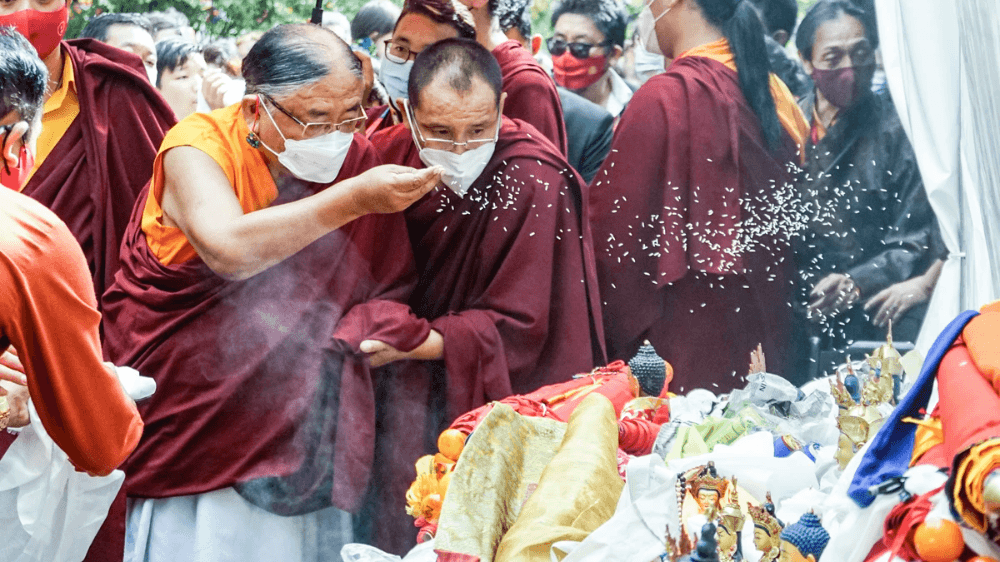
The celebration of Buddha’s Birthday is a vibrant and meaningful event in Tibetan culture, marking the birth, enlightenment, and passing of Siddhartha Gautama, the founder of Buddhism. This Tibet holiday not only highlights the spiritual significance of Buddhism in the region but also showcases how deeply intertwined these beliefs are with daily life. For those wondering if Tibet is good for tourists, experiencing this festival offers an authentic glimpse into local traditions and communal spirit.
Historical Context of Buddha’s Birthday
Buddha’s Birthday is celebrated on the full moon day in April or May, depending on the lunar calendar. This date holds immense historical significance as it commemorates three pivotal events in Buddha’s life: his birth in Lumbini, his enlightenment under the Bodhi tree in Bodh Gaya, and his death at Kushinagar. Understanding this context helps visitors appreciate why this Tibet holiday resonates so strongly with locals, making it a must-see for anyone curious about Tibetan spirituality.
Customs that Bring the Festival to Life
During Buddha’s Birthday celebrations, you’ll find colorful decorations adorning monasteries and homes alike. Rituals include offering prayers and butter lamps to symbolize light overcoming darkness, while locals engage in activities such as chanting mantras and performing prostrations to honor their spiritual leader. The festive atmosphere is further enhanced by vibrant processions featuring traditional music and dance—an experience that truly encapsulates what makes Tibet holidays so special.
Participating in Local Celebrations
If you’re planning a trip to Tibet during this time, participating in local celebrations can be one of the most enriching experiences you’ll have on your journey. Many towns hold public gatherings where everyone is welcome to join in prayer sessions or enjoy traditional food offerings that embody community spirit during this important festival. For those asking how much does a Tibet trip cost? Engaging with these festivities often comes at little expense beyond your travel arrangements—making it an accessible way to dive into Tibetan culture.
Shoton Festival: A Feast for the Senses
The Shoton Festival, often dubbed as a feast for the senses, is one of the most vibrant and colorful Tibet holidays celebrated annually. This festival not only marks the end of winter but also showcases Tibetan culture through its rich traditions and community spirit. If you’re pondering whether Tibet is good for tourists, attending the Shoton Festival will certainly affirm that notion, as it offers an immersive experience into the heart of Tibetan life.
The Origins of Shoton
The origins of the Shoton Festival date back to centuries ago when it was primarily a time for monks to break their summer fasting after months of meditation. Traditionally, this period was marked by a significant cultural shift; it transformed from a purely religious observance to an exuberant celebration involving local communities. Today, many travelers wonder how much a Tibet trip costs during such peak times; however, witnessing this festival is undeniably priceless in terms of cultural enrichment.
Traditional Performances and Activities
During the Shoton Festival, traditional performances take center stage with local artists showcasing their talents in music and dance. One can expect to see mesmerizing Tibetan opera performances that narrate ancient stories through captivating costumes and vivid storytelling. Visitors often find themselves enchanted by these activities while considering when are the best times to visit Tibet; coinciding with Shoton could be their answer!
Food, Culture, and Community Bonding
Food plays an essential role in the festivities as families come together to share traditional dishes that symbolize unity and abundance during this Tibet holiday. From sumptuous barley tsampa to rich yogurt offerings known as shoton, every bite tells a story steeped in culture and tradition. Additionally, community bonding reaches new heights as locals invite tourists—yes, even Chinese citizens can visit Tibet—to join in on these culinary delights while forging connections across cultures.
Harvest Festivals in Tibet
Tibet’s harvest festivals are vibrant celebrations that reflect the region’s rich agricultural heritage and deep-rooted cultural traditions. These festivals, which typically occur in late summer and early autumn, mark the culmination of a year’s hard work in the fields. For anyone wondering, Is Tibet good for tourists? experiencing a harvest festival is a resounding yes; it’s a time when locals welcome visitors to join in their joyful festivities.
Timing and Importance of Harvest Festivals
Harvest festivals in Tibet usually take place around September to October, coinciding with the end of the agricultural season. This timing is crucial as it allows communities to express gratitude for bountiful crops while preparing for the winter months ahead. The significance of these festivals cannot be overstated; they serve as an opportunity for families and friends to come together, strengthen bonds, and celebrate their shared heritage.
Celebrating Abundance: Customs and Traditions
During these jubilant occasions, you can expect lively music, traditional dances, and plenty of delicious food that showcases local ingredients. One popular custom involves creating elaborate offerings made from freshly harvested grains and vegetables as a way to honor deities and seek blessings for future crops. If you’re curious about “How much does a Tibet trip cost?”, keep in mind that participating in these vibrant celebrations often offers an affordable way to immerse yourself in local culture without breaking the bank.
The Role of Agriculture in Tibetan Life
Agriculture holds a central place in Tibetan life; it’s not just about sustenance but also about community identity and tradition. Many families rely on farming as their primary source of income, making harvest time especially significant for them. When contemplating “What are the best times to visit Tibet?”, aligning your trip with one of these harvest festivals will provide you with unique insights into how agriculture shapes both daily life and annual celebrations.
Conclusion
Tibetan holidays offer a vibrant tapestry of culture, spirituality, and community spirit that should not be missed. If you’re wondering, Is Tibet good for tourists? the answer is a resounding yes! Planning your visit around these unique festivals can enrich your experience and create lasting memories.
Planning Your Visit Around Tibetan Festivals
When considering a trip to Tibet, timing is everything. The best times to visit Tibet coincide with its major holidays, such as Losar and Saga Dawa, where you can witness the local customs in full swing. Not only will you enjoy breathtaking landscapes, but you’ll also immerse yourself in the rich traditions that define this enchanting region.
If you’re curious about how much a Tibet trip costs, remember that participating in festivals may add some expenses but also provides unparalleled experiences. From colorful parades to communal feasts during these Tibet holidays, every moment is worth it. So pack your bags and get ready for an adventure filled with joy and cultural insights!
Engaging with Local Culture and Community
Engaging with locals during Tibetan holidays allows you to forge connections that transcend mere tourism. Whether you’re sharing a meal during Losar or joining in the traditional dances at Shoton Festival, you’ll feel like part of the family. This deeper interaction enhances your understanding of Tibetan life and traditions.
It’s important to remember that while exploring these festivals can be exhilarating, respecting local customs is crucial for meaningful engagement. Ask questions about rituals or join in on celebrations; locals appreciate genuine interest! By immersing yourself fully in their world during Tibet holidays, you’ll come away with stories you’ll cherish forever.
How GuideTibet Enhances Your Experience
Navigating the intricacies of Tibetan culture can be daunting without local guidance—this is where GuideTibet comes into play! With their expertise, you’ll gain insights into which festivals are happening when and how best to participate without stepping on any toes. Plus, they offer tailored itineraries that factor in not only popular attractions but also those hidden gems tied closely to local celebrations.
Wondering if Chinese citizens can visit Tibet? GuideTibet makes arrangements seamless for everyone interested in experiencing this magical land—regardless of nationality! Their team ensures your journey through these vibrant Tibet holidays is educational and enjoyable while keeping costs manageable along the way.