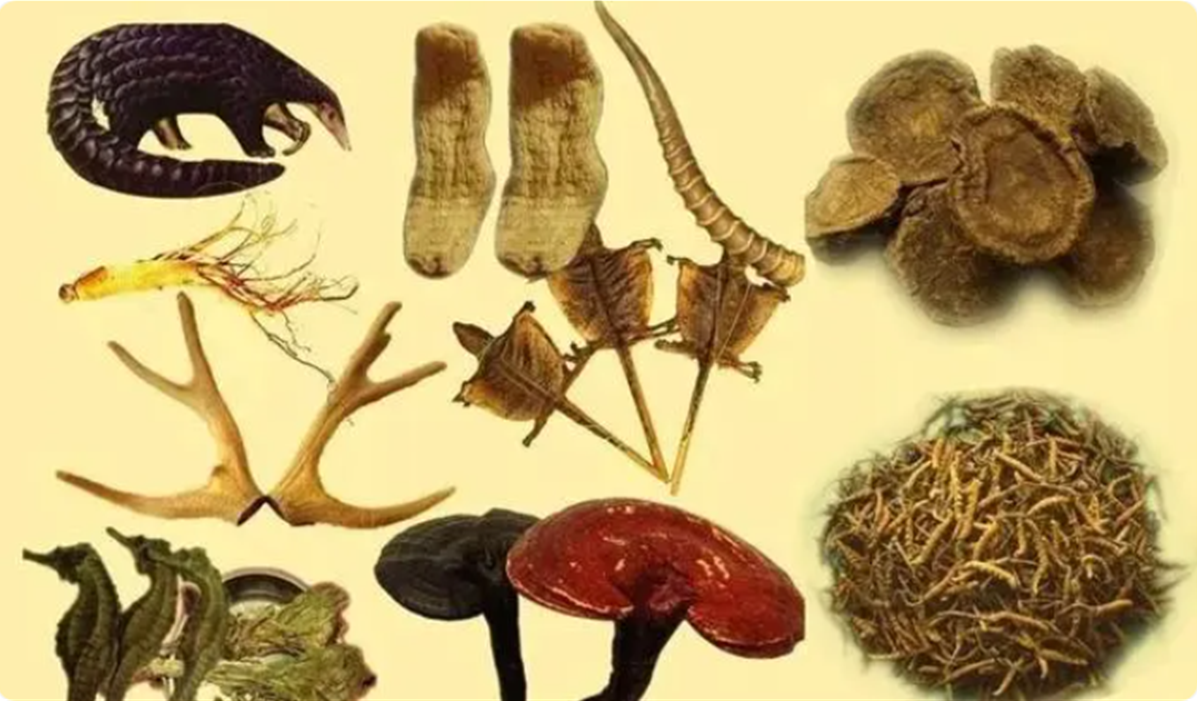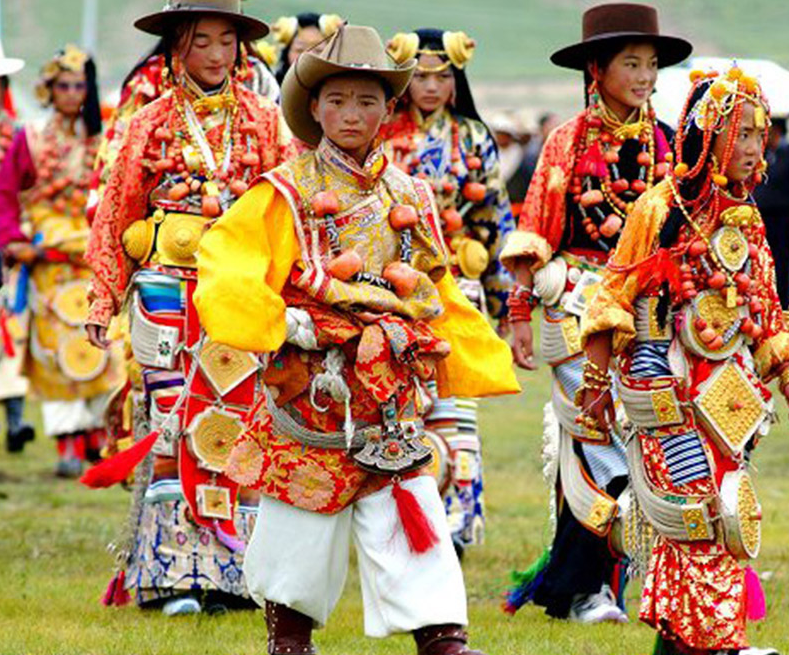
Tibetan medicine is a unique medical system formed through long-term practice on the basis of extensive absorption and integration of traditional Chinese medicine, Indian medicine and food medicine, etc. It has a history of more than 1,000 years, and is one of the more complete and influential ethnic medicines in China.
History of Tibetan medicine
According to the historical records of this religion and the research and argumentations of relevant experts, the Four Medical Classics (in Tibetan) is the earliest existing medical monograph of the Tibetan people. It is said that the book was written by Jebu Chixi (in Tibetan), the son of Xinrao Miwo, the founder of the Zhongzhong Ben Religion, and was completed in 1999 BC. Later, in the 9th century, Yu Tuoyun Danggong, a famous Tibetan medical scientist, studied, enriched, supplemented and revised the Four Medical Classics, forming the Four Medical Classics of Tibetan medicine.
There are many classic works in the history of Tibetan medicine, which have become the main literature on the study of Tibetan medicine and the historical record of the development of Tibetan medicine types.
Yuewang Medicine Diagnosis is an early historical book of Tibetan medicine, including 440 kinds of plants, 260 kinds of animals, and 80 kinds of minerals, of which more than 300 kinds of drugs are special products of the Qinghai-Tibet Plateau, most of which are still in use today.
Jingzhu Materia Medica is the largest collection of Tibetan medicine, known as the Tibetan “Compendium of Materia Medica”.
Tibetan medicine resources
In addition to the Tibet Autonomous Region, modern Tibetan medicine is also used in some Tibetan autonomous prefectures and counties in Qinghai, Sichuan, Yunnan and Gansu provinces. The Qinghai-Tibet Plateau is the main producing area of Tibetan medicine. According to investigations by relevant units, there are 2,436 kinds of Tibetan medicine resources, including 2,172 plant species, 214 animal species and 50 mineral species. Qinghai occupies a vast area in the northern and eastern parts of the Qinghai-Tibet Plateau. According to the survey, there are 1294 kinds of medicinal resources in the province, including 1087 kinds of plants, 150 kinds of animals and 57 kinds of minerals. Of the hundreds of Tibetan medicines commonly used in the province, 70 percent are taken from the Tibetan Plateau. According to a survey in Aba Tibetan Autonomous Prefecture, Sichuan Province, there are more than 1,000 Tibetan medicine resources in the prefecture. Among 1127 kinds of Chinese medicine resources in Ganzi prefecture, 23% are used by Tibetan medicine
Types of Tibetan medicine
According to the statistics of relevant data, there are about 3,000 kinds of Tibetan medicine in China, and Tibet is the birthplace of Tibetan medicine, and the application of Tibetan medicine has a long history. There are more than 360 kinds of Tibetan medicines commonly used in this area, mainly from Compositaceae, legumes, ranunculaceae, poppy family, umbelliferaceae, Gentiaceae, Rosaceae, scrophulariaceae, Cruciferaceae and Liliaceae. The important medicinal genera are: Meconopsis, Pedicularis, Corydalis, Primrose and Saxifraga. About 50% of the commonly used Tibetan medicines contain alkaloids, and these active components are mostly found in aconitum, Delphinium, Thalamus, Scopolia, Sophora, Gentian, Berberis and other medicinal plants. For example, Rhubarb is an important Tibetan medicine. There are 28 species of Rhubarb in the Tibetan Plateau, of which 21 are used in Tibetan medicine. Rhubarb for Tibetan medicine is divided into upper, middle and lower three kinds: in addition to palmatum Rhubarb and Tanggu giant Rhubarb, there are also Tibetan Rhubarb, Himalayan Rhubarb, Tahubarb, Tibetan Rhubarb, etc. In Qinghai, Gansu and other places, Rhubarb with boye is also used; The middle products (Qushzha) include Rhubarb spiroflorus, Rhubarb Qisui, Rhubarb Longsui, Rhubarb reticulum, Rhubarb heart leaf, Rhubarb red vein, Rhubarb ovum leaf; The next product (Qumazar) has small rhubarb.
The Standard for Tibetan Medicine, jointly compiled by six provinces and regions including Tibet, Qinghai, Sichuan, Gansu, Yunnan, and Xinjiang, contains 227 kinds of Tibetan medicine, including 197 plants, 17 animals, and 13 minerals. The main types are: Tibetan fennel, anisodamia, Tibetan Codonopsis, Tibetan comfrey, jellyfish snow lotus, Tanggute Rhodiola, Kamba Sebol (Artemisia argyi), Qumaz (arrow chrysanthemum), Dama (Curd Rhododendron), buffalo heart, vulture, comfrey Antler, lac worm, etc. Tibetan medicine is rich in resources, distributed in the vast areas inhabited by Tibetans on the Qinghai-Tibet Plateau, and has been included in many Tibetan medicine literature.
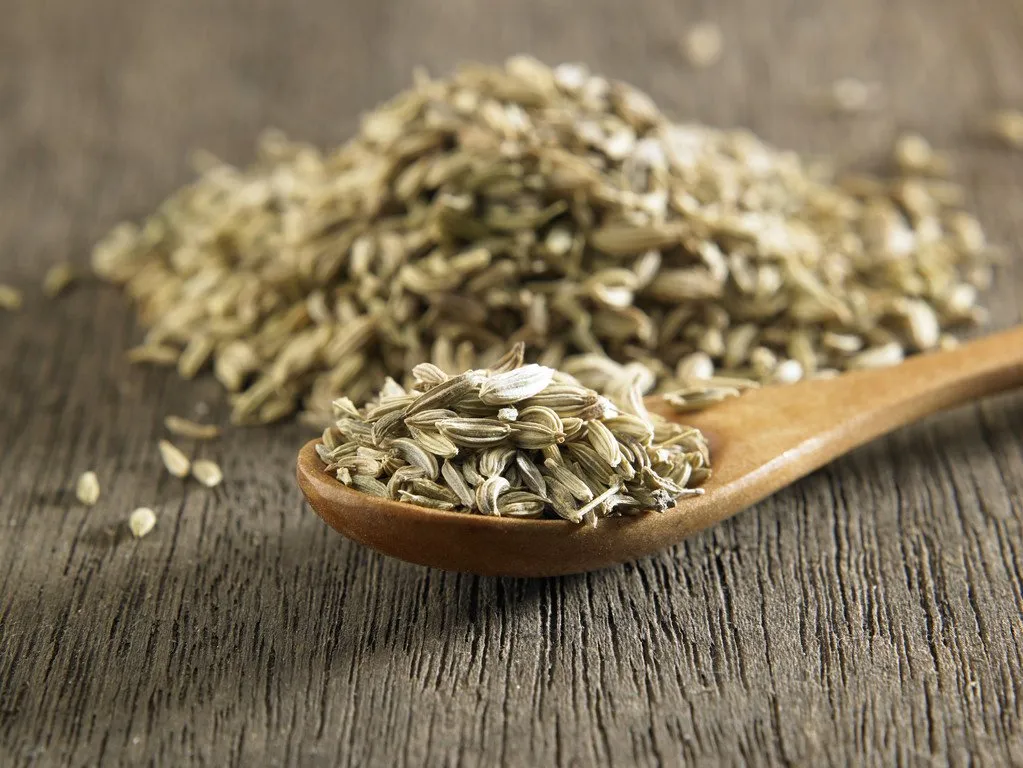
Main medicinal materials
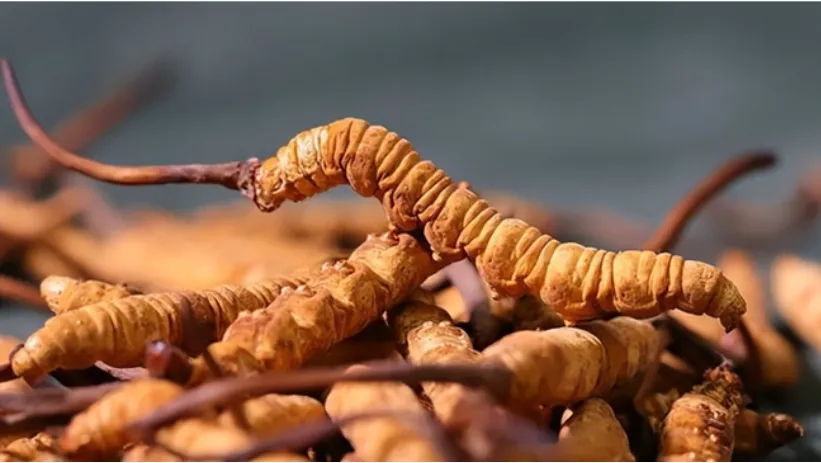
Tibetan medicine is mainly distributed on the Qinghai-Tibet Plateau. With complex and unique natural conditions, it has formed a rich variety of plant resources. From the tropical monsoon rain forest in southeast Tibet to the boundless grassland in northern Tibet, there are plant species that can reflect tropical, subtropical, temperate and cold zones in turn. According to the data, there are 6144 species of vascular plant species in Tibetan area, ranking fourth in China. According to preliminary statistics, there are more than a thousand kinds of wild medicinal plant resources, of which cordyceps, petillaria, Notoginseng, gastrodia, ganoderma and other valuable medicinal materials are best-selling at home and abroad; Cephalotaxus hainanensis, taxus taxus, Podophylloides, anisophora, comfrey, prunus tenuis, and wild lily are a class of potential anticancer medicinal plants. In addition, there are traditional Chinese medicine amomum, unguteng, Gentian, papaya, double Lou, ephedra, peach kernel, Coptis, Bupleurum, Angelica, Astragalus, gentian, Codonopsis, aconitum, rhubarb, three needle, snow lotus, five kinds of medicinal materials.