Introduction

Visiting Tibet is like stepping into a mystical realm where ancient traditions and breathtaking landscapes intertwine. With its towering mountains, vibrant culture, and spiritual heritage, it’s no wonder that travelers are drawn to this unique destination. However, before you pack your bags and set off on this adventure, there are some essential things to know that will ensure your trip is both enjoyable and memorable.
The Allure of Visiting Tibet
The allure of visiting Tibet lies not only in its stunning natural beauty but also in the rich tapestry of its culture. From the majestic Potala Palace standing sentinel over Lhasa to the serene landscapes surrounding Mount Everest Base Camp, every corner offers a new discovery waiting to be explored. As you embark on your journey, you’ll find that the warmth of Tibetan hospitality and the deep-rooted spiritual practices create an unforgettable experience that beckons travelers from around the globe.
What to Know Before You Go
Before embarking on your Tibetan adventure, it’s crucial to understand some key travel regulations: Are tourists allowed in Tibet? Yes! But gaining access requires navigating specific permits and regulations. Additionally, many travelers ponder: Can I visit Tibet on my own? While independent travel is limited due to these regulations, working with a reputable Tibetan local travel agency can enhance your experience and help you navigate these complexities smoothly.
Making the Most of Your Trip
To truly make the most of your trip to Tibet, consider engaging with local guides who can provide insights into customs and traditions often overlooked by casual tourists. This not only enriches your understanding but also supports local communities in meaningful ways. Lastly, many wonder: Is it worth going to Tibet? Absolutely! The unique experiences you’ll gain—from tasting authentic cuisine to witnessing breathtaking sunrises over sacred mountains—will leave an indelible mark on your heart.
Understanding Tibet Travel Regulations

Visiting Tibet can be a dream come true for many travelers, but before you pack your bags, it’s essential to understand the travel regulations that govern this unique region. The rules surrounding tourism in Tibet are quite specific and can sometimes feel daunting. However, with the right information and preparation, you can navigate these regulations smoothly.
Are Tourists Allowed in Tibet?
Yes, tourists are allowed in Tibet, but there are some important caveats to consider. The Tibetan Autonomous Region has restrictions that require tourists to obtain special permits prior to their visit. So while the answer to Are tourists allowed in Tibet? is a resounding yes, it’s crucial to follow the necessary protocols to ensure your trip goes off without a hitch.
Required Permits for Your Journey
To travel in Tibet legally, you’ll need several permits that must be arranged ahead of time. The most critical permit is the Tibet Travel Permit, which is mandatory for all foreign visitors. This leads many travelers to wonder: Why is it so expensive to go to Tibet? The cost often stems from these required permits and the additional arrangements needed for safe passage through this breathtaking region.
Traveling with a Local Guide
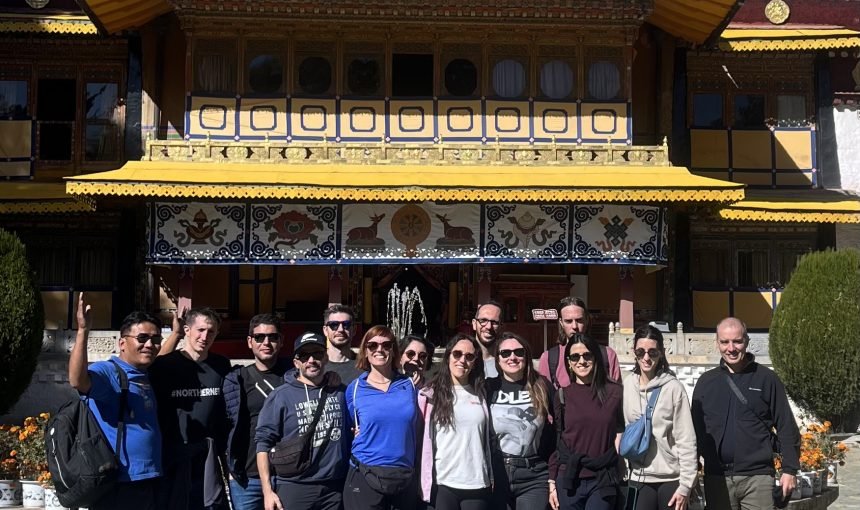
Traveling with a local guide is not just a recommendation; it’s often a requirement when visiting certain areas of Tibet. Guides help navigate complex regulations and enrich your experience by providing insights into Tibetan culture and history that you might miss otherwise. If you’re pondering “Can I visit Tibet on my own?” keep in mind that having a guide from a Tibetan local travel agency enhances your journey while ensuring compliance with all travel regulations.
Navigating Your Travel Options

Can I Visit Tibet on My Own?
The burning question many adventurers ask is, Can I visit Tibet on my own? Unfortunately, the short answer is no—at least not entirely. While independent travel in most parts of China is feasible, the Tibetan Autonomous Region has specific regulations that require tourists to be part of an organized tour or travel with a local guide. So if you’re dreaming of wandering freely through Lhasa’s streets or trekking to Everest Base Camp without a plan, you’ll need to reconsider your approach.
However, traveling with a local guide can enhance your experience by providing insights into Tibetan culture and history that you might miss otherwise. Plus, engaging with local communities becomes much easier when you’re accompanied by someone who knows the terrain and customs well. So while solo travel isn’t an option here, rest assured that guided experiences can still offer plenty of freedom within well-structured itineraries.
The Role of GuideTibet in Your Adventure
When planning your adventure in Tibet, enlisting the help of a Tibetan local travel agency like GuideTibet can make all the difference. Not only do they navigate the complex regulations surrounding visiting Tibet, but they also tailor experiences that resonate with what you want to see and do. From securing necessary permits to arranging accommodations and transportation, their expertise ensures that your journey runs smoothly from start to finish.
Moreover, GuideTibet offers knowledgeable guides who are passionate about sharing their culture and traditions with visitors. This personal touch allows you to engage more meaningfully with locals while exploring sacred sites like Jokhang Temple or taking in breathtaking views at Mount Everest Base Camp. Ultimately, working with a reputable agency enhances not just convenience but also enriches your understanding of why it’s worth going to Tibet.
Group Tours vs. Independent Travel
Deciding between group tours and independent travel boils down to personal preference and comfort level when visiting Tibet. Group tours provide structure and often come with benefits such as shared costs for accommodations and transportation—ideal if you’re budget-conscious but still want an unforgettable experience in this remarkable land. However, keep in mind that group tours may have set itineraries which could limit spontaneity.
On the other hand, if you’re seeking more flexibility during your travels—perhaps wanting extra time at certain sites or exploring off-the-beaten-path locations—you might lean towards independent exploration through organized trips via agencies like GuideTibet that allow some degree of customization within their framework. Regardless of which path you choose for visiting Tibet, it’s essential to weigh factors like cost (which leads us back to why is it so expensive to go to Tibet?) against what kind of adventure will truly satisfy your wanderlust.
Must-See Destinations in Tibet

Tibet is a land of breathtaking landscapes and rich cultural heritage, making it an unforgettable destination for any traveler. From the majestic Potala Palace to the stunning Mount Everest Base Camp, there are countless sights that make visiting Tibet worthwhile. Let’s explore some must-see destinations that will leave you in awe.
Exploring Lhasa’s Potala Palace
When it comes to iconic landmarks, the Potala Palace in Lhasa is hard to beat. This architectural marvel, once the winter residence of the Dalai Lama, towers over the city and offers stunning views of the surrounding landscape. Are tourists allowed in Tibet? Absolutely! The Potala Palace welcomes visitors from around the world who want to immerse themselves in Tibetan history and spirituality.
As you wander through its grand halls and chapels, you’ll encounter exquisite murals and statues that tell stories of Buddhist teachings. Don’t forget your camera; this UNESCO World Heritage site is a photographer’s dream! If you’re wondering whether it’s worth going to Tibet, visiting places like the Potala Palace will certainly convince you.
The Beauty of Mount Everest Base Camp
No trip to Tibet would be complete without a trek to Mount Everest Base Camp (EBC), where adventure meets breathtaking scenery. Standing at an elevation of over 5,000 meters (16,404 feet), EBC offers an unparalleled view of the world’s highest peak. Can I visit Tibet on my own? While independent travel is limited due to regulations, many find joining a guided tour with a Tibetan local travel agency enhances their experience.
The journey to EBC allows you to witness stunning landscapes and unique wildlife along the way. Plus, connecting with fellow travelers during this trek can lead to lasting friendships and shared memories. Trust me; standing beneath Everest’s towering presence makes every effort worthwhile!
Discovering the Sacred Jokhang Temple
The Jokhang Temple is often regarded as one of Buddhism’s holiest sites and should not be missed during your visit to Lhasa. Pilgrims from across Tibet flock here daily, making it a vibrant hub of spiritual activity. When considering why it’s so expensive to go to Tibet, remember that experiences like visiting sacred places such as Jokhang Temple offer priceless insights into Tibetan culture.
Inside this revered temple lies an impressive statue of Jowo Shakyamuni—the young Buddha—which attracts countless devotees seeking blessings and enlightenment. Engaging with local customs while exploring such sacred spaces can deeply enrich your understanding of Tibetan spirituality and community life. So if you’re pondering whether it’s worth going to Tibet or not—this temple alone may sway your decision!
Cultural Etiquette and Local Customs

When visiting Tibet, understanding and respecting local customs is essential for a rewarding experience. The rich cultural tapestry of this region is woven with traditions that reflect its unique history and spiritual significance. By being mindful of these customs, you not only enhance your own journey but also show respect for the Tibetan people.
Dressing Appropriately in Tibetan Culture
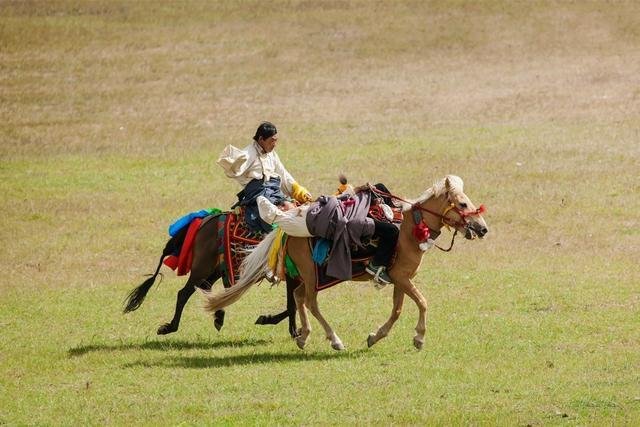
Dressing appropriately is crucial when visiting Tibet, as it demonstrates respect for the local culture. Traditional Tibetan attire often includes colorful robes and scarves, which can be both beautiful and functional in the varying climates of the region. When exploring sacred sites or engaging with locals, it’s advisable to wear modest clothing that covers shoulders and knees to honor local sensibilities.
Moreover, if you’re considering trekking or spending time outdoors, layering is key due to fluctuating temperatures at high altitudes—after all, no one wants to freeze while marveling at breathtaking landscapes! Keep in mind that some areas may require specific attire; for example, wearing a hat when entering certain temples can be seen as a sign of respect. So pack wisely—your wardrobe will play a big role in how you’re perceived by those you meet during your travels!
Respecting Religious Practices and Sites
Tibet is renowned for its deep-rooted spirituality and religious practices; thus, respecting these traditions is vital during your visit. Are tourists allowed in Tibet? Yes! But with this privilege comes the responsibility to behave respectfully while exploring sacred sites like monasteries and temples. Always ask permission before taking photographs of religious ceremonies or individuals engaged in prayer—this simple act shows consideration for their beliefs.
When visiting these sites, it’s important to adhere to any guidelines provided by local authorities or guides; they are there to help you navigate these sensitive spaces appropriately. Additionally, engaging quietly during rituals allows you to absorb the experience without disrupting those who are worshipping—a win-win situation! Understanding these nuances not only enriches your experience but also fosters goodwill between visitors and locals.
Engaging with Local Communities
Engaging with local communities can be one of the most rewarding aspects of your Tibetan adventure; however, it’s essential to do so respectfully. When interacting with locals, approach them with genuine curiosity about their lives—this often leads to meaningful conversations that reveal more about Tibetan culture than any guidebook could offer! However, always remember: personal space varies among cultures; gauge comfort levels before getting too close.
If you’re wondering whether Can I visit Tibet on my own? consider participating in community-led activities organized by a reputable travel agency specializing in Tibet travel with Tibetan local travel agencies. These experiences allow you not only to learn about traditional crafts or cuisine but also support the local economy directly—a great way to give back while enjoying your trip! Ultimately, respectful engagement fosters connections that make your journey unforgettable.
Budgeting for Your Tibetan Adventure

Visiting Tibet can be a dream come true for many travelers, but it’s important to understand the financial aspects before you embark on this journey. The costs associated with visiting Tibet can be higher than those of other destinations due to the unique regulations, permits, and transportation options required. However, with some planning and knowledge of local pricing, you can make your trip both memorable and manageable.
Why Is It So Expensive to Go to Tibet?
One of the main reasons why it is so expensive to go to Tibet is the requirement for special permits and guided tours that are mandated by local regulations. Are tourists allowed in Tibet? Yes, but only if they travel with an authorized guide or tour group, which adds to the overall cost. Additionally, the remote location means that goods and services are often pricier due to transportation challenges and limited availability.
Another factor contributing to high expenses is accommodation; many hotels cater specifically to tourists and charge premium rates for their services. The cost of meals can also add up quickly since dining options may be limited in certain areas. When considering your budget, it’s essential not just to factor in these costs but also potential extras like souvenirs or additional excursions.
Cost of Accommodation and Meals
When budgeting for your Tibetan adventure, understanding the cost of accommodation is crucial. Prices can vary significantly based on location and amenities; while you might find budget-friendly guesthouses in Lhasa, more luxurious hotels near popular attractions will come at a premium price. Expect nightly rates ranging from $20 in basic lodgings up to over $200 for upscale options.
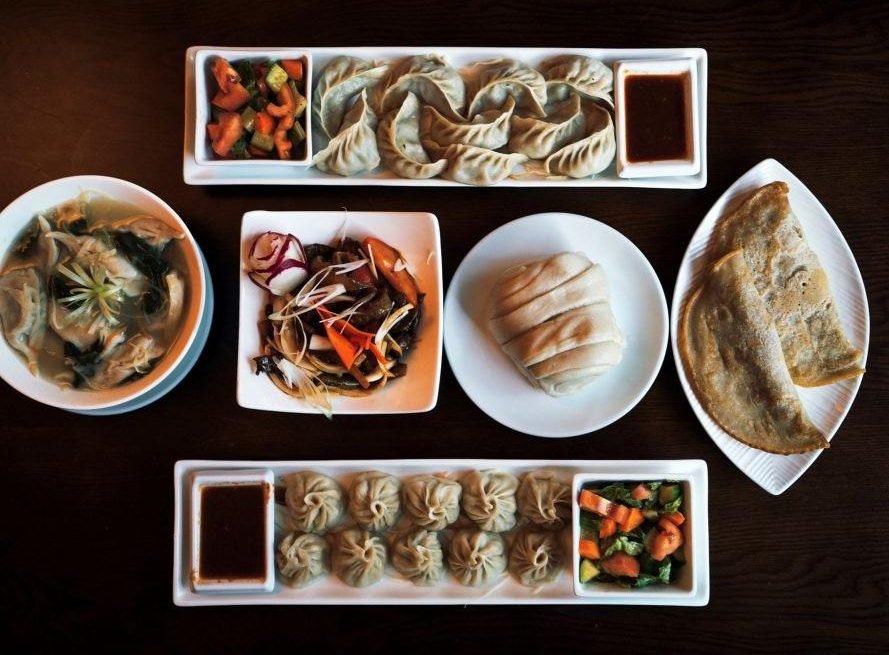
Meals in Tibet also represent a significant portion of your travel budget; dining out at local restaurants could cost anywhere from $5 for simple dishes to $30 or more at higher-end establishments. It’s worth noting that traditional Tibetan cuisine tends toward simplicity but offers a unique culinary experience that shouldn’t be missed! To manage expenses effectively while visiting Tibet, consider mixing dining experiences between local eateries and occasional splurges at nicer restaurants.
Tips for Saving on Your Travel Expenses
If you’re wondering how you can save money while still enjoying all that visiting Tibet has to offer, there are several strategies worth considering! First off, traveling during the shoulder seasons—spring (April-May) or autumn (September-October)—can help you avoid peak prices while still enjoying pleasant weather conditions. Additionally, opting for group tours through a reputable Tibetan local travel agency may provide better rates than booking everything independently.
Can I visit Tibet on my own? While technically possible under certain circumstances—like if you’re part of an organized tour—you’ll likely find it easier (and cheaper) when utilizing established travel agencies familiar with regional regulations. Finally, don’t forget about free activities like exploring stunning landscapes or wandering through vibrant markets; these experiences often create lasting memories without breaking the bank!
Conclusion
Visiting Tibet is an experience that transcends the ordinary, offering breathtaking landscapes, rich culture, and spiritual depth. As you contemplate whether to embark on this journey, consider the unique allure of Tibet’s majestic mountains and ancient monasteries. The question remains: Is it worth going to Tibet? Absolutely! The memories and insights gained from this remarkable destination will linger long after your trip has ended.
Is It Worth Going to Tibet?
When pondering if it’s worth going to Tibet, think about the once-in-a-lifetime experiences that await you. From standing in awe before the Potala Palace to soaking in the serenity of Jokhang Temple, each moment feels like stepping into a living postcard. While some may wonder why it is so expensive to go to Tibet, remember that these costs often reflect the extraordinary adventure that lies ahead—one filled with stunning landscapes and a chance to connect deeply with Tibetan culture.
Preparing for High Altitude Conditions
Preparing for high altitude conditions is crucial when visiting Tibet due to its elevation above 3,000 meters (9,800 feet). Acclimatization is key; take your time when exploring and listen to your body’s signals—headaches or fatigue are common signs of altitude sickness. Before you go, consult with a healthcare professional about necessary precautions and medications that can help ensure your adventure remains enjoyable despite the challenges posed by high altitude.
How GuideTibet Enhances Your Experience
Traveling with a Tibetan local travel agency like GuideTibet can significantly enhance your experience while visiting Tibet. They provide not only invaluable insights into local customs but also ensure compliance with regulations—after all, are tourists allowed in Tibet? With their expertise at hand, you won’t have to ponder questions like Can I visit Tibet on my own? as they offer structured itineraries tailored just for you while keeping flexibility in mind.