Introduction
Tibetan Buddhism is a treasure trove of spirituality, enriched by the sacred and auspicious symbols that adorn its rich tapestry. These symbols are not just mere decorations but hold profound meanings deeply rooted in Tibetan culture and religion. Join us as we embark on a journey to explore the mystical symbols of Tibetan Buddhism, unraveling their significance and spiritual depth.
Exploring the Sacred: Auspicious Symbols of Tibetan Buddhism
Intricately woven into the fabric of Tibetan culture, the auspicious symbols of Tibetan Buddhism are revered for their spiritual significance and symbolism. From the Dharma Wheel to the Eternal Knot, these symbols serve as visual reminders of profound spiritual teachings and principles that guide the lives of Tibetan Buddhists.
The Rich Tapestry of Tibetan Buddhist Culture
Tibetan culture is a vibrant mosaic of traditions, art, and beliefs that have been shaped by centuries of Buddhist influence. The intricate symbolism found in Tibetan Buddhist art reflects this rich cultural heritage, offering a glimpse into the spiritual ethos that permeates every aspect of life in Tibet.
Unveiling the Mystical Symbols of Tibetan Buddhism
The mystical symbols found in Tibetan Buddhism are more than just artistic expressions; they are gateways to deeper understanding and spiritual enlightenment. Each symbol holds layers of meaning that connect practitioners to profound truths and timeless wisdom, inviting us to delve into their mystical allure.
The Dharma Wheel
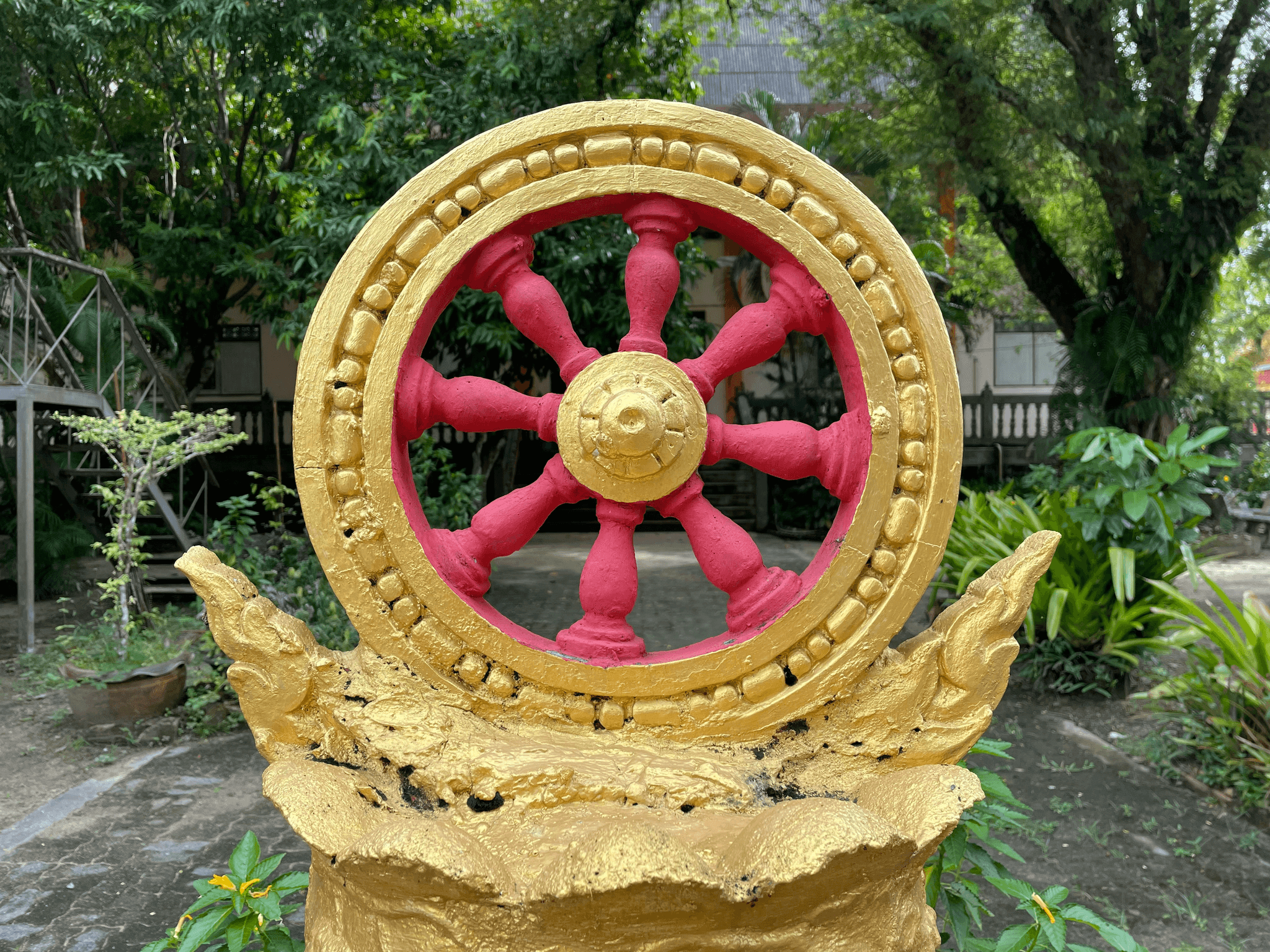
The Dharma Wheel is one of the most iconic and auspicious symbols of Tibetan Buddhism, representing spiritual transformation and the path to enlightenment. This ancient symbol is a powerful reminder of the Noble Eightfold Path, guiding practitioners towards ethical conduct, mental discipline, and wisdom. In Tibetan Buddhist tradition, the Dharma Wheel holds great significance as it symbolizes the teachings of Buddha and the continuous cycle of birth, death, and rebirth.
Symbol of Spiritual Transformation
The Dharma Wheel, also known as Dharmachakra in Sanskrit, serves as a potent symbol of spiritual transformation within Tibetan Buddhism. It represents the journey from ignorance to wisdom, encouraging practitioners to transcend suffering and attain enlightenment through the practice of mindfulness and meditation.
Representation of the Noble Eightfold Path
As a representation of the Noble Eightfold Path taught by Buddha, the Dharma Wheel embodies eight interconnected principles that guide individuals towards liberation from suffering. These principles include Right View, Right Intention, Right Speech, Right Action, Right Livelihood, Right Effort, Right Mindfulness, and Right Concentration.
Significance in Tibetan Buddhist Tradition
In Tibetan Buddhist tradition, the Dharma Wheel is revered as a sacred symbol that encapsulates the essence of Buddha’s teachings. It is often depicted in vibrant thangka paintings and intricately carved on prayer wheels as a visual reminder for devotees to follow the path towards spiritual awakening.
The Endless Knot
The Endless Knot is one of the most revered auspicious symbols of Tibetan Buddhism, representing the interconnectedness of all things. It is a powerful visual reminder of the endless cycle of Samsara, the cycle of birth, death, and rebirth. In Tibetan Buddhist culture, this symbol holds deep spiritual meaning, serving as a constant reminder to strive for enlightenment and break free from the cycle of suffering.
Symbol of Interconnectedness
The Endless Knot, also known as the Eternal Knot or the Mystic Diagram, is a symbol that signifies the interconnectedness of all beings and phenomena in Tibetan Buddhism. The intricate design features overlapping lines that weave in and out without a clear beginning or end, representing the timeless nature of reality and our interconnectedness with all things.
Representation of the Endless Cycle of Samsara
In Tibetan Buddhist symbolism, the Endless Knot represents the endless cycle of Samsara – birth, death, and rebirth – which individuals seek to transcend through spiritual practice and enlightenment. This powerful symbol serves as a visual reminder that all actions have consequences and are interconnected within this eternal cycle.
Spiritual Meaning in Tibetan Buddhism
The Endless Knot holds profound spiritual significance in Tibetan Buddhism as it embodies the teachings on interdependence and karma. It serves as a potent symbol for practitioners to reflect on their thoughts and actions and understand their impact on themselves and others within the endless cycle of existence.
The Lotus Flower
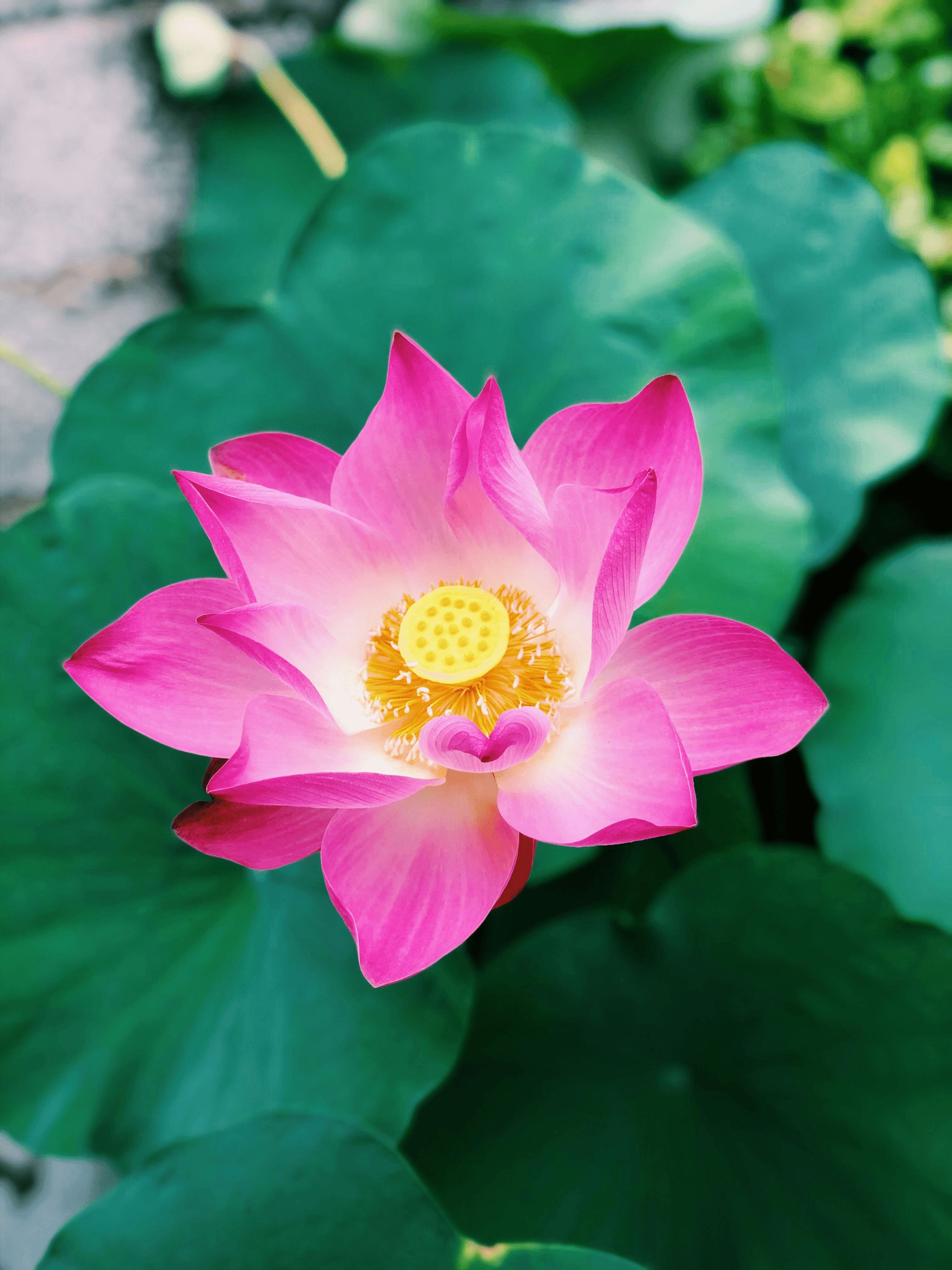
The lotus flower holds great significance in Tibetan Buddhist culture, as it is a symbol of purity and enlightenment. In Tibetan Buddhism, the lotus is often used to represent spiritual growth and the journey towards enlightenment. Its importance in Tibetan Buddhist iconography is evident in its frequent depiction in religious art and rituals.
Symbol of Purity and Enlightenment
The lotus flower is revered as a symbol of purity and enlightenment in Tibetan Buddhism, representing the idea that one can rise above worldly temptations and achieve spiritual awakening. The unfolding petals of the lotus symbolize the expansion of the soul and the progress towards enlightenment, making it a powerful emblem of spiritual purity and transcendence.
Representation of Spiritual Growth
In Tibetan Buddhist symbolism, the lotus flower serves as a representation of spiritual growth, mirroring the journey from ignorance to enlightenment. Just as the lotus emerges from muddy waters to bloom into a pristine flower, individuals strive to overcome their own obstacles and develop spiritually. This concept is deeply ingrained in Tibetan culture and plays a central role in religious practices.
Importance in Tibetan Buddhist Iconography
The lotus flower holds immense importance in Tibetan Buddhist iconography, appearing frequently in religious art, sculptures, mandalas, and other sacred objects. Its presence serves as a visual reminder of the potential for spiritual transformation and serves as an inspiration for practitioners on their path towards enlightenment.
The Victory Banner

The Victory Banner is one of the auspicious symbols of Tibetan Buddhism, representing triumph over ignorance and the Buddha’s victory over the forces of darkness. This powerful symbol is deeply ingrained in Tibetan culture and holds great significance in Tibetan Buddhist art, often depicted in paintings, sculptures, and religious ceremonies.
Symbol of Triumph Over Ignorance
The Victory Banner symbolizes the triumph of wisdom and compassion over ignorance and delusion. In Tibetan Buddhist tradition, it serves as a reminder to overcome the obstacles on the path to enlightenment and to conquer the inner demons that hinder spiritual growth. This powerful symbol reflects the resilience and strength needed to navigate life’s challenges with grace and perseverance.
Representation of the Buddha’s Victory
In Tibetan Buddhism, the Victory Banner represents the Buddha’s victory over Mara, the demon of illusion and desire. It signifies his ability to transcend worldly temptations and achieve enlightenment, inspiring practitioners to follow his example in overcoming their own inner struggles. The banner also serves as a reminder that ultimate victory lies in attaining spiritual liberation from suffering.
Significance in Tibetan Buddhist Art
The Victory Banner is a prominent motif in Tibetan Buddhist art, often depicted alongside other sacred symbols such as the Dharma Wheel and Lotus Flower. It is commonly seen adorning thangka paintings, temple murals, and ceremonial objects used in religious rituals. This symbol holds deep spiritual meaning for practitioners, serving as a source of inspiration and guidance on their path towards enlightenment.
The Golden Fishes

The Golden Fishes are revered as auspicious symbols of Tibetan Buddhism, representing good fortune and liberation. In Tibetan culture, these two fish are seen as a representation of fearlessness and happiness, embodying the idea of swimming freely in the ocean of samsara without fear. In Tibetan Buddhist symbolism, the Golden Fishes remind practitioners to navigate life’s challenges with courage and joy.
Symbol of Good Fortune and Liberation
The Golden Fishes symbolize good fortune and liberation in Tibetan Buddhism, serving as a reminder that individuals can attain freedom from suffering through spiritual practice. As an integral part of Tibetan culture, these sacred symbols are often depicted in art and architecture to bring blessings of abundance and prosperity to the community.
Representation of Fearlessness and Happiness
In Tibetan Buddhist tradition, the Golden Fishes represent fearlessness and happiness, encouraging practitioners to navigate the waters of life with courage and joy. These revered symbols serve as a reminder that despite the inevitable challenges one may face, it is possible to find peace and contentment through spiritual growth.
Meaning in Tibetan Buddhist Symbolism
The Golden Fishes hold deep meaning in Tibetan Buddhist symbolism, embodying the idea that individuals can overcome obstacles with resilience while embracing a sense of joy and freedom. These sacred symbols are an integral part of Tibetan religious practices, serving as a source of inspiration for those seeking spiritual enlightenment.
The Parasol
The parasol is a significant symbol in Tibetan Buddhist culture, representing protection and spiritual shelter. It is often depicted as a beautiful, ornate umbrella, signifying the boundless sky of freedom that offers refuge from the harsh elements of life. In Tibetan Buddhist rituals, the parasol is used to symbolize the protection and guidance provided by the teachings of Buddha, offering solace and comfort to those who seek enlightenment.
Symbol of Protection and Spiritual Shelter
The parasol serves as a powerful emblem of protection in Tibetan Buddhism, shielding practitioners from negative influences and providing a sense of spiritual shelter. Its presence in religious ceremonies and rituals signifies the safeguarding of individuals on their journey towards enlightenment, offering them a safe haven amidst life’s challenges.
Representation of the Boundless Sky of Freedom
In Tibetan Buddhist iconography, the image of the parasol evokes the vast expanse of an unobstructed sky, symbolizing freedom from worldly constraints and limitations. The open space beneath the parasol represents an environment where individuals can explore their inner selves without hindrance or restriction, fostering a sense of liberation and boundless potential.
Significance in Tibetan Buddhist Rituals
The use of parasols in Tibetan Buddhist rituals underscores their role as sacred objects that provide spiritual protection and guidance. Whether adorning temples or being carried in processions during religious observances, these symbols serve as tangible reminders of the refuge offered by the teachings of Tibetan Buddhism.
The Conch Shell
The Conch Shell is one of the most revered auspicious symbols of Tibetan Buddhism, representing the resounding of the Dharma in all directions. It is a symbol of power, authority, and sovereignty in Tibetan culture, and its significance in Tibetan Buddhist ceremonies cannot be overstated. The sound of the conch shell is believed to banish evil spirits and summon good fortune, making it an essential element in Tibetan religious rituals.
Symbol of the Dharma Resounding in All Directions
In Tibetan Buddhism, the Conch Shell is seen as a powerful instrument that spreads the teachings of Buddha far and wide. Its spiral shape symbolizes infinity and represents the eternal nature of the Dharma. When used in religious ceremonies, the sound of the conch shell is believed to purify the environment and create an auspicious atmosphere for spiritual practice.
Representation of the Noble Truths
The Conch Shell also serves as a representation of the Noble Truths – the fundamental teachings of Buddhism that form the foundation for spiritual liberation. Each spiral on the conch shell is said to symbolize one of these truths, reminding practitioners to seek enlightenment through understanding suffering, its causes, its cessation, and the path to freedom from suffering.
Importance in Tibetan Buddhist Ceremonies
In Tibetan Buddhist ceremonies, the Conch Shell plays a vital role as it is sounded at specific points to mark important moments during rituals. Its resonant sound is believed to invoke blessings from enlightened beings and create a sense of sacredness within ritual spaces. The presence of this auspicious symbol adds depth and significance to traditional Tibetan religious practices.
The Eternal Knot
The Eternal Knot is one of the most revered auspicious symbols of Tibetan Buddhism, deeply embedded in Tibetan culture and religious practices. This intricate symbol represents eternal love and connection, reflecting the unbreakable bond between all living beings in the universe. In Tibetan Buddhist beliefs, it signifies infinite wisdom, reminding practitioners of the interconnectedness of all things in the cycle of life and death.
Symbol of Eternal Love and Connection
The Eternal Knot, also known as the Endless Knot, is a powerful representation of everlasting love and unbreakable connections in Tibetan Buddhist culture. Its intricate design symbolizes the eternal nature of love and relationships, serving as a reminder to cherish and nurture our connections with others. This sacred symbol is often used in traditional Tibetan weddings to symbolize the eternal bond between partners.
Representation of Infinite Wisdom
In Tibetan Buddhist symbolism, the Eternal Knot embodies infinite wisdom and enlightenment, reflecting the interconnectedness of all phenomena in the universe. The endless intertwining lines signify the inseparable nature of wisdom and compassion, guiding practitioners on their spiritual journey towards enlightenment. As a visual representation of infinite wisdom, this auspicious symbol serves as a profound reminder of the interconnectedness and interdependence of all things.
Spiritual Meaning in Tibetan Buddhist Beliefs
The Eternal Knot holds deep spiritual significance in Tibetan Buddhism, representing the timeless nature of reality and existence. Within Tibetan religious beliefs, this sacred symbol serves as a visual expression of interconnectedness and interdependence among all living beings. It is often used as a focal point for meditation practices to contemplate on the profound concept of eternal love and wisdom within the context of Tibetan Buddhist philosophy.
Conclusion
Tibetan Buddhist symbols are not just mere decorations; they are powerful representations of the rich tapestry of Tibetan culture and religion. Embracing the spirituality of these auspicious symbols is a gateway to understanding the profound symbolism of Tibetan Buddhism. By experiencing the sacred symbols with GuideTibet, you can truly immerse yourself in the mysticism and beauty of Tibetan Buddhist culture.
Embracing the Spirituality of Tibetan Buddhist Symbols
Embracing the spirituality of Tibetan Buddhist symbols allows us to delve deeper into the mystical world of Tibetan culture and religion. These sacred symbols serve as a visual reminder of the profound teachings and beliefs that have shaped Tibetan Buddhism for centuries, providing a sense of connection and reverence for this ancient tradition.
Connecting with the Profound Symbolism of Tibetan Buddhism
Connecting with the profound symbolism of Tibetan Buddhism opens up a world of spiritual enlightenment and understanding. Each symbol carries layers of meaning that can be unraveled through contemplation and study, offering an opportunity to connect with the essence of Tibetan Buddhist philosophy and its timeless wisdom.
Experience the Sacred Symbols with Guide Tibet
Experience the sacred symbols with GuideTibet, where you can embark on a journey to explore these auspicious symbols in their natural context. Guided by knowledgeable experts, you will gain a deeper appreciation for their significance in Tibetan culture and religion, allowing you to connect with these powerful emblems on a profound level.