Introduction
Tibet, a land of stunning contrasts and profound spirituality, has captured the imagination of adventurers and scholars alike. Nestled among the towering peaks of the Himalayas, many wonder, Where is Tibet? This enigmatic region boasts breathtaking landscapes, rich cultural traditions, and a complex political status that invites exploration and understanding.
Discovering Tibet’s Unique Geography
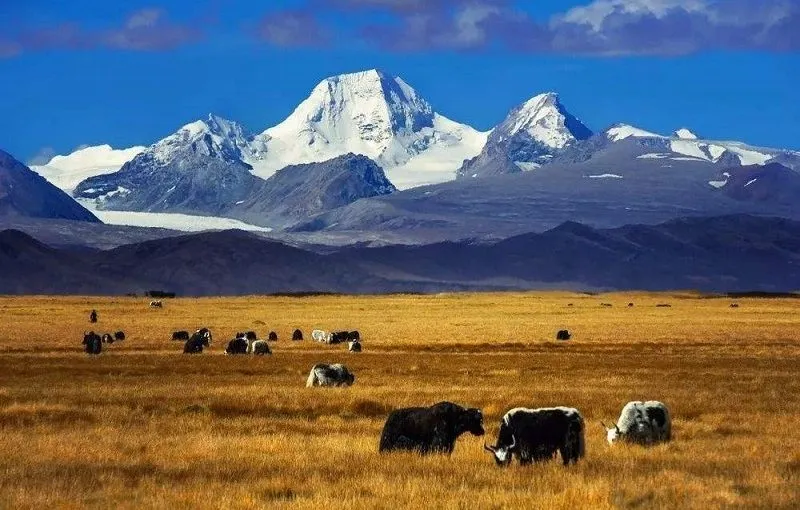
The geographical boundaries of Tibet are as fascinating as they are intricate. Often referred to as the Roof of the World, Tibet is home to some of the highest mountains on Earth, including Mount Everest. With its vast plateaus and deep valleys, this unique geography not only shapes the lives of its inhabitants but also plays a crucial role in global climate patterns.
Journey Through Tibet’s Rich Cultural Landscape
Tibet’s rich cultural landscape is a tapestry woven from centuries-old traditions and vibrant practices. The question often arises: Are Tibetans Chinese or Indian? While many identify as Tibetan, their culture reflects influences from neighboring regions, creating a unique identity that deserves recognition. Visitors can immerse themselves in local customs, music, dance, and art that showcase this diverse heritage.
Understanding Tibet’s Political Status
The political status of Tibet remains a contentious topic; many ask themselves: Is Tibet a country or part of China? Historically significant events have shaped its current administrative divisions and international perspectives on this matter. Understanding these dynamics is essential for those planning to visit or engage with Tibetan culture meaningfully.
Where is Tibet Located?

Tibet is a region nestled high in the Himalayas, often referred to as the Roof of the World. Its unique geographical features and breathtaking landscapes make it a subject of fascination for many. Understanding where Tibet is located involves exploring its boundaries, neighboring regions, and significant cities that contribute to its rich cultural tapestry.
Geographical Boundaries of Tibet
Tibet’s geographical boundaries are defined by some of the most majestic mountain ranges in the world, including the Himalayas to the south and the Kunlun Mountains to the north. The region covers an area of approximately 1.2 million square kilometers, making it one of the largest plateaus on Earth. With elevations averaging over 4,500 meters above sea level, it’s no wonder that many people ask, Is Tibet a country or part of China? The answer lies in its distinct topography and cultural identity.
Neighboring Regions and Countries
Tibet shares borders with several countries that influence its culture and politics. To the south lies Nepal and India; to the north are Xinjiang Province and Qinghai Province in China; while Bhutan is found to the east. This unique positioning raises questions such as Are Tibetans Chinese or Indian? due to their interactions with these neighboring cultures over centuries.
Key Cities and Landmarks
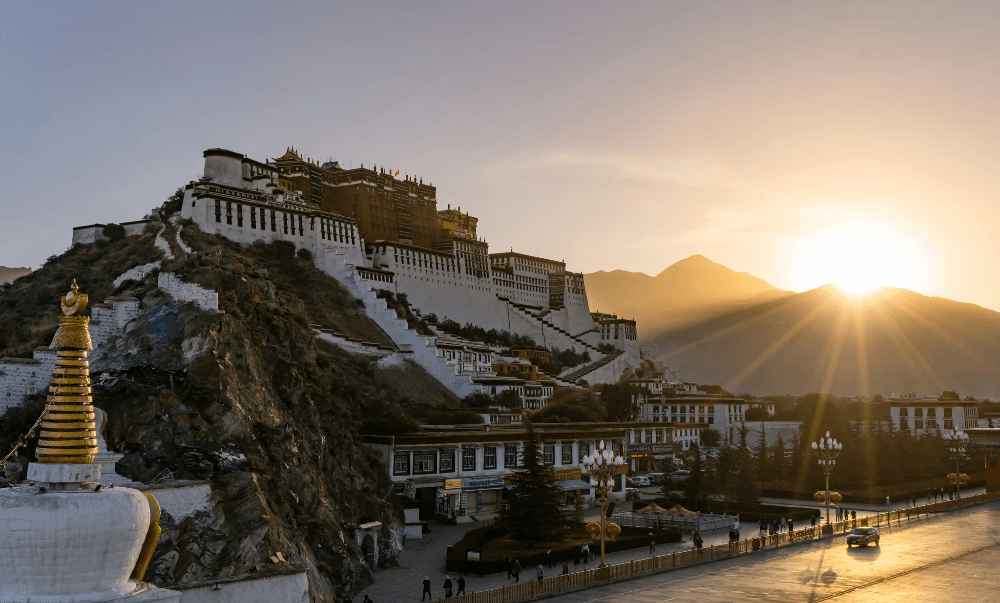
Lhasa, Tibet’s capital city, is a must-visit destination known for its stunning landmarks such as Potala Palace and Jokhang Temple. Other notable cities include Shigatse, home to Tashilhunpo Monastery, and Gyantse with its iconic Kumbum Stupa. Tourists often wonder if they can visit these remarkable sites; indeed, Can tourists go to Tibet? Yes! With proper permits and planning, you can explore this enchanting land steeped in history.
Is Tibet a Country or Part of China?
The question Is Tibet a country or part of China? has sparked debates for decades, intertwining history, culture, and politics. To understand this complex issue, one must delve into the historical context that shaped Tibet’s status. The narrative of Tibet’s identity is not only about geography but also about the rich tapestry of its people and their aspirations.
Historical Context of Tibet’s Status
Historically, Tibet existed as an independent entity with its own governance and cultural practices until the early 20th century. The 1950s marked a significant turning point when the People’s Liberation Army entered Tibet, leading to its incorporation into the People’s Republic of China. This transition was met with resistance from many Tibetans who viewed it as an invasion rather than an integration, creating lasting tensions regarding whether Tibet is a country or part of China.
International Perspectives on Tibet
International perspectives on whether Is Tibet a country or part of China? vary significantly among nations and organizations. Some countries recognize China’s sovereignty over Tibet while others advocate for Tibetan autonomy or independence based on human rights concerns and cultural preservation. This dichotomy often leads to diplomatic challenges, raising questions about how global powers navigate their relationships concerning Tibetan affairs.
Current Administrative Divisions
Today, the region known as Tibet is officially referred to as the Tibetan Autonomous Region (TAR) within the framework of China’s administrative divisions. While TAR covers only a portion of what many consider Greater Tibet—encompassing areas like Qinghai and parts of Sichuan—this division complicates discussions around identity and governance in terms of Are Tibetans Chinese or Indian? Furthermore, these administrative boundaries affect tourism policies; thus, if you’re wondering Can tourists go to Tibet?, it’s important to understand these regulations before planning your visit.
Are Tibetans Chinese or Indian?
Tibet’s unique cultural identity has long sparked debates about whether Tibetans are considered Chinese or Indian. This question is layered with historical, political, and social complexities that reflect the region’s rich tapestry. Understanding the cultural identity of the Tibetan people requires delving into their traditions, language, and religious practices.
Cultural Identity of the Tibetan People
The cultural identity of the Tibetan people is deeply rooted in their history, geography, and spiritual beliefs. Often characterized by a strong sense of community and connection to their land, Tibetans have cultivated a distinct culture that sets them apart from neighboring groups. Despite being situated within China’s borders—leading some to ask, Is Tibet a country or part of China?—Tibetans maintain a unique identity that resonates with their ancient customs and traditions.
As we explore where Tibet is located geographically, we also see how its isolation has fostered a rich culture distinct from both Chinese and Indian influences. Festivals like Losar (Tibetan New Year) showcase their vibrant traditions filled with music, dance, and elaborate rituals that celebrate their heritage. This cultural pride fuels ongoing discussions about whether Tibetans can be classified strictly as Chinese or if they embody an independent ethnic group deserving recognition.
Language and Ethnic Diversity
Language plays an essential role in shaping the cultural identity of any group; for Tibetans, this is no different. The Tibetan language—part of the Sino-Tibetan family—is not only a means of communication but also a vessel for preserving stories, teachings, and traditions passed down through generations. While Mandarin Chinese is prevalent due to government policies aiming at integration within China—prompting questions about Are Tibetans Chinese or Indian?—the use of Tibetan remains vital among locals.
Moreover, ethnic diversity enriches the fabric of Tibetan society; various subgroups exist within its borders that contribute to its overall cultural mosaic. From nomadic herders to settled farmers in fertile valleys, each group brings its own customs and dialects into play while maintaining a shared sense of belonging to the broader Tibetan culture. This diversity further complicates perceptions regarding national identity as it raises questions about how these varied backgrounds fit into contemporary narratives surrounding where Tibet stands politically.
Religious Practices in Tibet
Religion plays an integral role in defining who Tibetans are culturally; Buddhism profoundly influences daily life across the region. The practice of Tibetan Buddhism encompasses rich rituals and philosophies that shape everything from art to architecture—a hallmark feature seen throughout key cities like Lhasa when exploring where is Tibet on any map! Monasteries dotting the landscape serve not only as places for worship but also as centers for education and community gathering.
The intertwining nature between spirituality and culture leads many outsiders to ponder if they should view Tibet through purely political lenses: Is it merely part of China? Or does it represent something more significant—a beacon for spiritual seekers worldwide? As tourists ponder Can tourists go to Tibet? they often find themselves captivated by this unique blend of faith woven seamlessly into everyday life.
In summary, understanding whether Tibertians are more aligned with being considered Chinese or Indian involves exploring their rich cultural identity shaped by language diversity and religious practices unique to this region’s heritage—a topic complex enough to ignite curiosity well beyond geographical boundaries.
Can Tourists Go to Tibet?
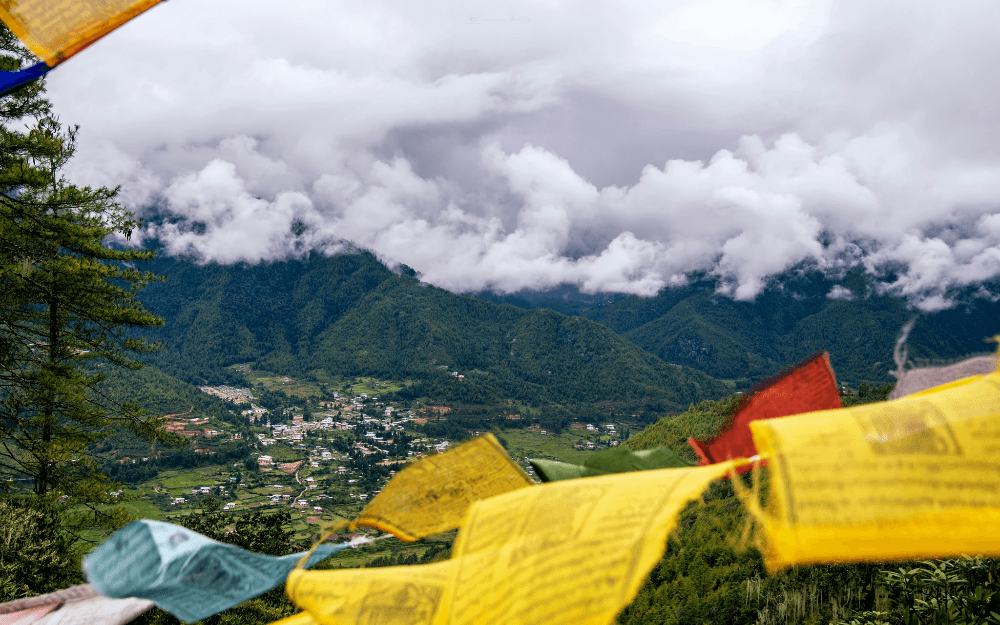
Tibet is a mesmerizing destination that draws travelers seeking adventure, spirituality, and unique cultural experiences. However, many potential visitors often wonder, Can tourists go to Tibet? The answer is yes, but there are specific guidelines and regulations in place that travelers need to be aware of before embarking on their journey to this enchanting region.
Guidelines for Visiting Tibet
To visit Tibet, tourists typically require a special travel permit known as the Tibet Entry Permit. This document is essential and must be obtained through a registered travel agency in China; individual applications are not accepted. Additionally, travelers should be mindful of the political sensitivities surrounding the region—understanding whether Is Tibet a country or part of China? can help navigate conversations with locals and fellow travelers alike.
Travelers should also consider joining an organized tour since independent travel within Tibet is generally restricted. These tours not only provide logistical support but also enhance your understanding of the local culture and history. Before setting out on your adventure, it’s wise to familiarize yourself with customs and etiquette in Tibetan society to ensure a respectful visit.
Best Times for Tourism in Tibet
When planning your trip, you might wonder about the best times for tourism in Tibet. Generally, the peak season runs from May to October when temperatures are milder and accessibility improves due to clearer roads and weather conditions. However, visiting during the off-peak months can offer unique experiences—like witnessing traditional festivals or enjoying less crowded attractions.
Keep in mind that altitude sickness can affect anyone traveling to high elevations like those found in Tibet; thus acclimatization is crucial regardless of when you go. The shoulder seasons (April-May and September-October) can provide an excellent balance between pleasant weather and fewer tourists while allowing you to explore popular spots without overwhelming crowds.
Must-See Attractions and Activities
Tibet boasts an array of must-see attractions that cater to various interests—from spiritual seekers to nature lovers. The iconic Potala Palace stands at the heart of Lhasa; its stunning architecture symbolizes Tibetan culture and history while inviting visitors into its sacred spaces. Another significant site is Jokhang Temple, where pilgrims gather daily—a perfect spot for those curious about “Are Tibetans Chinese or Indian?” as it showcases rich cultural traditions.
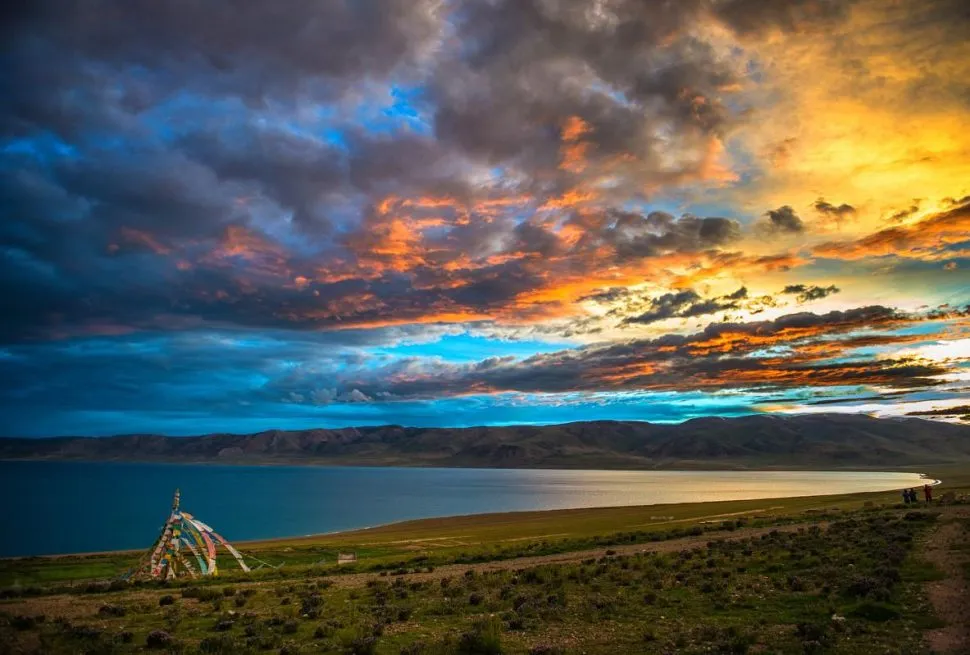
For outdoor enthusiasts, trekking routes like Everest Base Camp offer breathtaking views of some of the world’s highest peaks while providing insight into local lifestyles along the way. Don’t miss exploring Namtso Lake’s pristine waters or visiting monasteries such as Sera Monastery for an authentic glimpse into Tibetan Buddhism practices! And if you’re still pondering Is Tibet a part of Russia? rest assured that its distinct identity shines through every experience you’ll encounter here.
Is Tibet a Part of Russia?
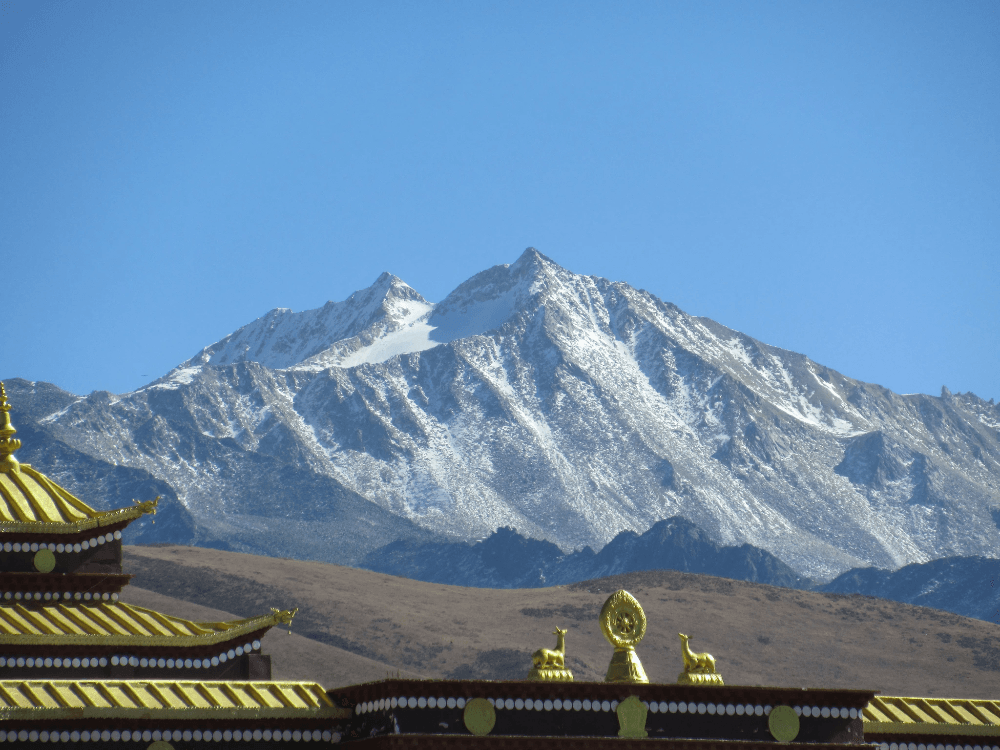
When considering the geographical and political landscape of Tibet, it’s essential to clarify some common misconceptions. Many people wonder, Is Tibet a part of Russia? The truth is that Tibet is situated in Central Asia and shares borders with several countries, including India and Nepal, but it is not affiliated with Russia in any official capacity.
Clarifying Geopolitical Misconceptions
The question Is Tibet a country or part of China? often leads to confusion about its geopolitical status. While some may mistakenly associate Tibet with Russia due to historical ties or regional dynamics, the reality is that Tibet has long been recognized as an autonomous region within the People’s Republic of China. This misconception can arise from a lack of understanding about where Tibet is located and its complex history regarding sovereignty.
In discussions about whether Are Tibetans Chinese or Indian?, it’s crucial to remember that Tibetan identity encompasses unique cultural elements distinct from both Chinese and Indian influences. The Tibetan people have their own rich heritage, language, and traditions that set them apart from their neighbors. Thus, while geopolitical affiliations may shift over time, the essence of Tibetan culture remains firmly rooted in its own history.
Tibet’s Relationship with Neighboring Countries
Tibet’s geographical location makes it a significant player in the dynamics between neighboring countries such as India and Nepal. Many tourists pondering Can tourists go to Tibet? should understand that while travel restrictions exist due to political reasons, there are still opportunities for exploration within this breathtaking region. The relationship between these nations often influences tourism policies and accessibility for those eager to experience Tibetan culture firsthand.
Despite its proximity to Russia, which lies far north across multiple borders, there isn’t a strong direct relationship between these two regions today. However, historical interactions during various political movements have led some individuals to question where exactly Tibet fits into the broader Eurasian landscape. Ultimately, understanding these relationships helps clarify why misconceptions about Is Tibet a part of Russia? persist among those unfamiliar with the area.
Historical Links to Russia
Historically speaking, there have been moments when interactions between Tibetan leaders and Russian officials sparked curiosity about their connection; however, these were more episodic than foundational in shaping either region’s identity today. For instance, during the early 20th century when various empires were expanding their influence across Asia—including Russian expeditions—Tibet was seen as an intriguing area ripe for exploration rather than annexation or formal ties with Moscow.
While some might still ponder if Is Tibet a country or part of China?, it’s important to recognize how historical events shaped perceptions over time without establishing lasting connections with places like Russia. In fact, many modern-day discussions surrounding Tibetan autonomy focus on its relationship with China rather than any external influences from countries like Russia or India despite geographical proximity.
In conclusion, although questions around where is Tibet located often lead down winding paths filled with intrigue and speculation regarding its status—whether it’s seen through the lens of tourism or cultural identity—the reality remains clear: Tibet stands alone as an extraordinary land rich in tradition amid intricate global narratives.
Conclusion
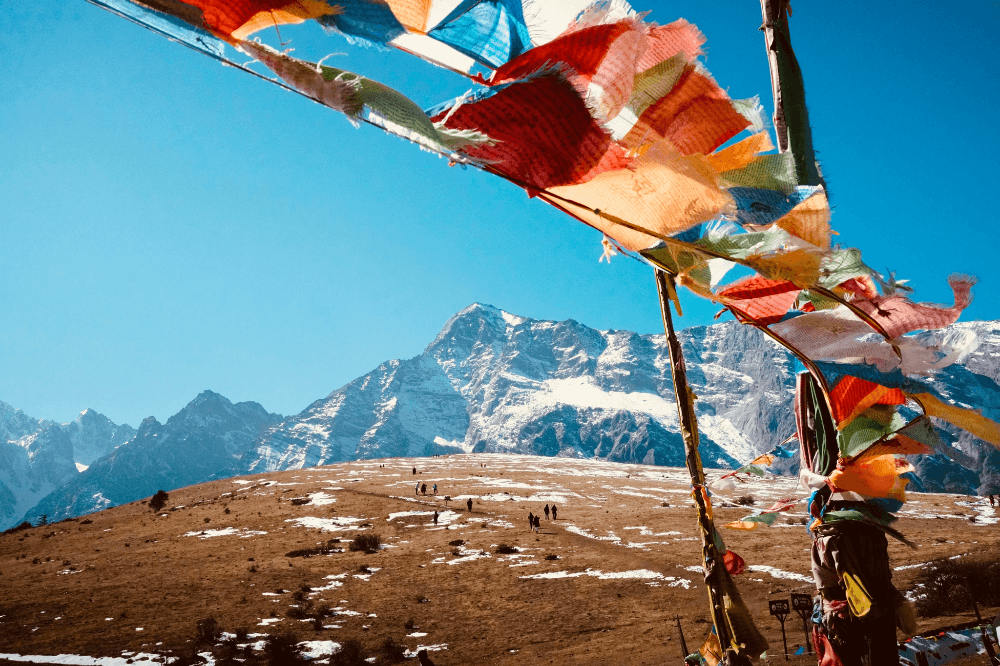
Tibet is a land of breathtaking beauty and profound cultural significance, captivating the hearts and minds of those who venture into its realm. From soaring mountains to serene lakes, exploring Tibet’s diverse landscapes offers an unparalleled experience for travelers seeking adventure and tranquility. As you ponder where is Tibet, remember that it’s not just a destination; it’s an invitation to witness nature and culture in perfect harmony.
Exploring Tibet’s Diverse Landscapes
The vast geographical expanse of Tibet encompasses everything from the majestic peaks of the Himalayas to lush valleys dotted with ancient monasteries. When considering where is Tibet, one must appreciate its unique position on the Tibetan Plateau, often referred to as the Roof of the World. This stunning terrain provides endless opportunities for trekking, photography, and immersing oneself in nature’s splendor.
Beyond its physical beauty, the landscapes of Tibet are steeped in spiritual significance. The iconic Potala Palace in Lhasa stands as a testament to centuries of architectural brilliance against a backdrop of snow-capped mountains. Whether you’re hiking through remote villages or exploring bustling cities like Lhasa or Shigatse, each step reveals another layer of this enchanting land.
Cultural Heritage of the Tibetan People
Tibetans possess a rich cultural heritage that has evolved over thousands of years, marked by their distinct customs, languages, and religious practices. So when you ask yourself: Are Tibetans Chinese or Indian? The answer lies in their unique identity that transcends national borders while embracing elements from both cultures. Their vibrant traditions are showcased through festivals like Losar (Tibetan New Year) and various forms of art such as thangka painting.
Religious practices play a central role in shaping Tibetan culture; Buddhism influences daily life profoundly here. Monasteries dotting the landscape serve not just as places for worship but also as centers for learning and community gathering. Visitors have the chance to engage with these traditions firsthand while gaining insight into what makes Tibetan culture so special.
Planning Your Journey with GuideTibet
If you’re considering visiting this remarkable region but wondering if tourists can go to Tibet without hassle—fear not! With proper planning and guidance from local experts like GuideTibet, your journey can be smooth sailing amidst stunning vistas and rich experiences. They offer tailored itineraries that ensure you see all must-see attractions while navigating any administrative requirements regarding travel permits.
When planning your trip to explore where is Tibet further afield than just tourist hotspots—think about immersing yourself in local life through homestays or guided treks led by knowledgeable locals who share their stories along the way! Remember that understanding whether Is Tibet a country or part of China adds depth to your travels; knowing its history will enhance your appreciation for everything you encounter during your visit.
In conclusion, whether you’re captivated by natural wonders or drawn into vibrant cultures—the magic found within this mystical land awaits discovery!