With Malaysia’s addition to China’s mutual visa‐exemption program on July 17, 2025, citizens of 74 countries can now enter mainland China visa‑free for stays of up to 30 days (some vary by country), then simply present their passport copy to apply for the Tibet Travel Permit. If you’ve been dreaming of the roof of the world—its snowy peaks, turquoise lakes, and centuries‑old monasteries—this streamlined entry policy is your chance to turn that dream into reality.
1. Who Qualifies for China’s Visa‑Free Entry?
China’s visa‑free scheme splits into two categories:
A. Comprehensive Bilateral Agreements (27 Countries)
Holders of ordinary passports can stay up to 30 days (longer in a few cases) for tourism, business, or visiting family.
Asia (14): Thailand, Singapore, UAE, Qatar, Maldives, Kazakhstan, Georgia, Armenia, Brunei, Malaysia, Sri Lanka (e‑travel authorization), Uzbekistan, Iran (21 days), Oman (14 days)
Europe (5): Albania (90 days), Bosnia & Herzegovina (90 days), Serbia (30 days), Belarus (30 days), San Marino (90 days)
Americas & Oceania (8): Bahamas (90 days), Barbados (30 days), Dominica (30 days), Grenada (30 days), Suriname (30 days), Fiji (120 days), Tonga (30 days), Solomon Islands (30 days)
B. Unilateral 30‑Day Policy (47 Countries)
China grants a one‑sided 30‑day visa waiver (extended in some cases) to these passport holders:
Europe (32): All Schengen states (Austria, Belgium, France, Germany, Greece, Italy, Netherlands, Spain, etc.), plus Norway, Switzerland, etc.
Asia (6): Japan, South Korea, Saudi Arabia (through June 8, 2026), Oman, Kuwait, Bahrain
Oceania (2): Australia, New Zealand
South America (5): Brazil, Argentina, Chile, Peru, Uruguay (through May 31, 2026)
2. How to Get Your Tibet Travel Permit
Even with visa‑free entry to China, all foreign visitors must secure a Tibet Travel Permit (also called the Tibet Permit) before entering Tibet Autonomous Region. The process is straightforward:
Passport Copy
‑ Color scans of the passport’s photo page and entry stampPassport‑Free Entry Stamp
‑ Once you land in Beijing, Shanghai, Guangzhou (or other entry port), your passport will be stamped for visa‑free entry—save this page.Fill Out the Permit Application
‑ Complete the online form provided by an authorized travel agency or permit‑issuing office.Submit through a Registered Tibet Tour Operator
‑ Applications must go via an approved agency; DIY applications aren’t accepted.Approval Time
‑ Typically 3–7 business days; expedited processing is sometimes available.Receive Your Permit
‑ You’ll get a PDF “border permit” which you must carry (digital or printed) throughout your Tibet itinerary.Keep It Handy
‑ Chinese authorities and hotels in Tibet will request to see it, as will your guide and driver at checkpoints.
3. Why Plan Your Tibet Trip Now?
Jaw‑Dropping Scenery
Potala Palace: The former winter residence of the Dalai Lama, set against a crimson hill.
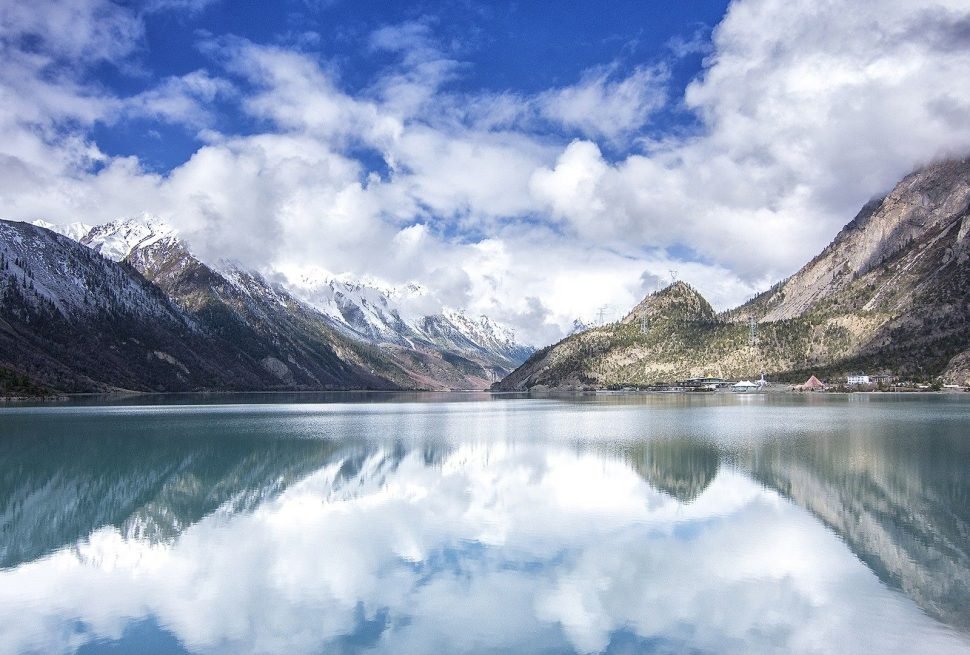
Yamdrok Lake: One of Tibet’s holy lakes, its aquamarine waters mirror the sky.
Mount Everest Base Camp : Stand at 5,150 m and gaze up at Earth’s highest summit.
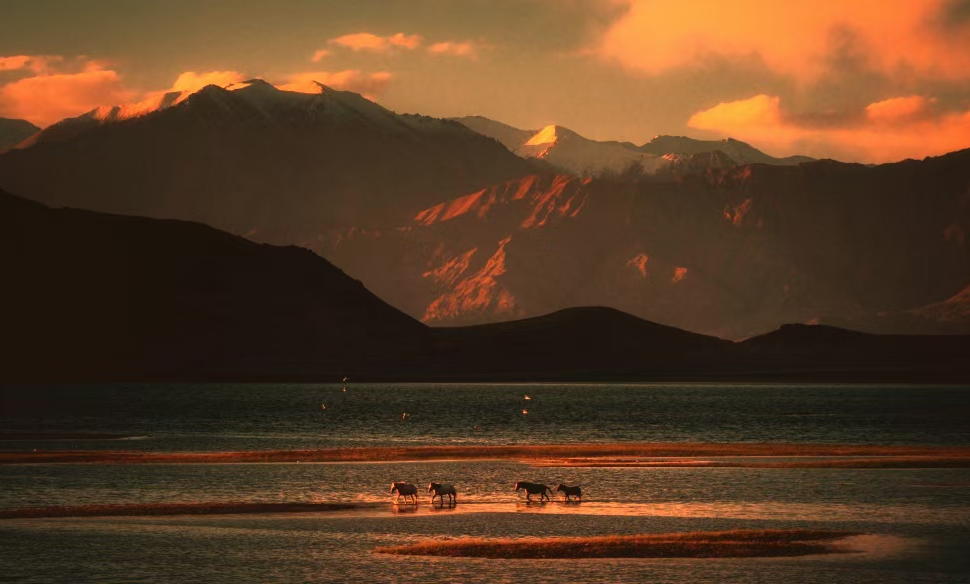
Namtso Lake: Pristine and vast, often rimmed by icy peaks and prayer flags.
Rich Tibetan Culture
Monastic Life: Attend early‑morning pujas in Jokhang or Sera Monastery.
Local Festivals: Time your visit for Saga Dawa or Shoton to witness mask dances and butter sculptures.
Culinary Delights: Try tsampa (roasted barley flour), butter tea, and yak‑menu restaurants.
Customizable Routes
Classic Lhasa–Gyantse–Shigatse Trek: See the heartland of Tibetan civilization.
High‑Altitude Adventure: Combine horseback treks around Langtang or Kailash Circuit.
Photography Expeditions: Capture the sunrise over Potala and the Milky Way at 4,500 m.
Better Acclimatization and Comfort
Tour operators now offer slow‑paced itineraries, allowing you to adapt to altitude gradually.
Luxury lodges and eco‑friendly guesthouses are booming along major routes.
4. Insider Tips for a Smooth Tibet Journey
Acclimatize in Mainland China First
Spend 2–3 days in Beijing, Chengdu, or Xi’an to adjust before heading to 3,600 m+ elevations.Stay Hydrated & Rested
Altitude sickness can strike unpredictably. Drink plenty of water, avoid alcohol on arrival, and take it easy the first day.Pack Thoughtfully
UV‑blocking sunglasses, layered clothing, sunscreen, lip balm. Temperatures can swing from freezing nights to strong daytime sun.Cash Is King
Card acceptance in rural Tibet is limited—carry enough RMB for food, souvenirs, and permit‑related fees.Respect Local Customs
Always walk clockwise around stupas, spin prayer wheels in the correct direction, and ask before photographing locals.
5. Ready to Go?
Speak with Guide Tibet specialists for personalized advice on routes, accommodations, and cultural experiences. Whether you’re a solo photographer, a honeymooning couple, or a family seeking adventure, your once‑in‑a‑lifetime journey to the roof of the world begins here.