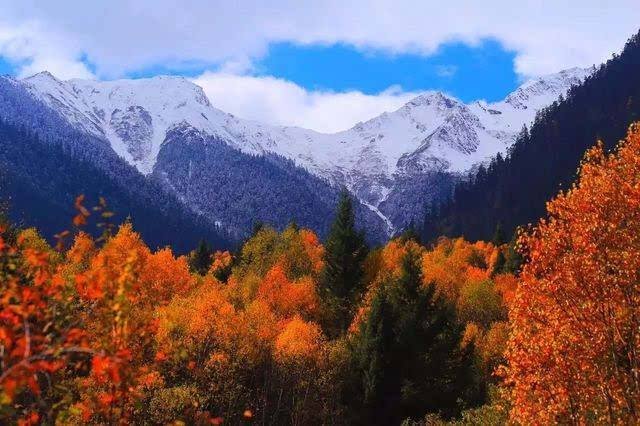
The Himalayas, a vast and awe – inspiring mountain range that stretches across several countries including Nepal, Bhutan, and parts of India and China, is a region of unparalleled beauty, rich culture, and deep spiritual significance. This natural wonder of the world is home to some of the highest peaks on Earth, including the iconic Mount Everest, and is a place that has captivated adventurers, scholars, and spiritual seekers for centuries.
Geographic Majesty
The Himalayas are not just a random collection of mountains; they are a geological marvel. Formed by the collision of the Indian and Eurasian tectonic plates, this process has been ongoing for millions of years and continues to shape the landscape today. The result is a range that boasts an astonishing number of the world’s highest peaks. Mount Everest, standing at a staggering 8,848.86 meters (as measured by the most recent official survey), is the crown jewel of the Himalayas and the highest point on Earth. Its snow – capped summit pierces the sky, attracting mountaineers from all corners of the globe who dream of conquering its challenging slopes.
But Mount Everest is just one of many notable peaks in the Himalayas. Lhotse, the fourth – highest mountain in the world, is also part of this range. It is connected to Mount Everest by the South Col and offers a different yet equally challenging climbing experience. Another significant peak is Mount Kailash, which, while not as high as Everest in terms of altitude (standing at 6,638 meters), holds immense spiritual importance. It is a sacred mountain in several religions, including Hinduism, Buddhism, Jainism, and Bon.
The Himalayas also play a crucial role in shaping the climate of the surrounding regions. The massive mountains act as a barrier, blocking the cold, dry winds from Central Asia and forcing the warm, moist air from the Indian Ocean to rise. This results in heavy rainfall on the southern slopes of the Himalayas, which is essential for the fertile plains of India and Bangladesh. On the northern side, in the Tibetan Plateau, the climate is much drier and colder, creating a unique high – altitude desert – like environment. The Himalayas are also home to numerous glaciers, which are a vital source of water for the rivers that flow through the region, such as the Ganges, Brahmaputra, and Indus.
Cultural Diversity
The Himalayas are not only a natural wonder but also a melting pot of diverse cultures. In Nepal, for example, the culture is a vibrant blend of Hindu and Buddhist traditions. Dashain, one of Nepal’s most important festivals, is celebrated with great enthusiasm. It is a time when families come together, sacrifices are made, and people seek blessings for the new year. The traditional Newari culture in the Kathmandu Valley adds another layer of richness, with its unique architecture, art, and cuisine. Newari cuisine features dishes like momos (dumplings), which have now become popular worldwide, and various lentil – based curries.
In Bhutan, the culture is deeply rooted in Buddhism. The country is known for its dzongs, which are large, fortified monasteries that dot the landscape. These dzongs are not only religious centers but also serve as administrative hubs. The Paro Taktsang, also known as the Tiger’s Nest Monastery, is one of Bhutan’s most famous landmarks. Perched on a cliffside, it offers breathtaking views and a sense of spiritual tranquility. The people of Bhutan follow a unique brand of Buddhism, and their way of life is centered around the principles of compassion, mindfulness, and respect for nature.
In the Tibetan regions of China, the culture is equally rich and unique. Lhasa, the capital city of Tibet Autonomous Region, is a spiritual and cultural center. The Potala Palace, a magnificent structure that was once the residence of the Dalai Lama, stands as a symbol of Tibetan Buddhism and culture. It is a UNESCO World Heritage Site and attracts thousands of pilgrims and tourists every year. Tibetan monks, with their distinctive maroon robes, can be seen in monasteries throughout the region, engaged in meditation, chanting, and the study of Buddhist scriptures. The Tibetan people have their own language, traditions, and art forms, such as thangka painting, which depicts religious and mythological scenes.
Spiritual Significance
The Himalayas are considered a spiritual heartland by many religions. Mount Kailash, as mentioned earlier, is a sacred mountain for Hindus, who believe it to be the abode of Lord Shiva, one of the most important deities in Hinduism. Every year, thousands of Hindu pilgrims embark on a challenging journey to circumambulate the mountain, a practice known as kora. They believe that by doing so, they can cleanse their sins and gain spiritual merit.
For Buddhists, Mount Kailash is also a place of great significance. It is associated with the Buddha’s teachings and is considered a place of enlightenment. In Tibetan Buddhism, the mountain is believed to be the center of the universe. The nearby Mansarovar Lake is also a sacred site, and pilgrims often bathe in its waters, believing it to have purifying properties.
The concept of Shambhala, a mythical and utopian land, is also closely associated with the Himalayas in Buddhist teachings. It is said to be a hidden realm where the Dharma (Buddhist teachings) flourishes, and one day, a great king from Shambhala will emerge to spread peace and enlightenment throughout the world. The Himalayas, with their remote and unspoiled landscapes, are often seen as a place where the boundaries between the physical and spiritual worlds are blurred, making it a magnet for spiritual seekers.
Cuisine of the Region
The Himalayan region offers a diverse and delicious array of cuisines. In Nepal, Nepalese cuisine is heavily influenced by the availability of local ingredients such as lentils, rice, and various vegetables. Dal bhat, a combination of lentil soup, rice, and a variety of side dishes like pickles, curries, and vegetables, is a staple meal. Another popular dish is chow mein, which is a type of stir – fried noodles, often served with vegetables and meat.
In the Tibetan regions, the cuisine is adapted to the high – altitude environment. Tsampa, a roasted barley flour, is a traditional food. It is usually mixed with butter tea, which is made by blending tea leaves, yak butter, and salt. The rich, creamy texture of butter tea helps to keep the body warm in the cold Tibetan climate. Other Tibetan dishes include momos (similar to the Nepalese version but with their own unique fillings) and thukpa, a hearty noodle soup.
In the Sichuan region of China, which borders the Himalayas, Sichuan cuisine is famous for its bold and spicy flavors. Dishes like mapo tofu, a soft tofu dish with a spicy and numbing sauce made from Sichuan peppercorns and chili peppers, and Kung Pao chicken, a stir – fried dish with peanuts, chicken, and vegetables in a spicy sauce, are well – known around the world. The use of unique spices and cooking techniques in Sichuan cuisine makes it a favorite among food lovers.
The Himalayas, with their towering peaks, rich cultures, deep spiritual significance, and delicious cuisines, offer a world of exploration and discovery. Whether you are an adventure seeker, a cultural enthusiast, or a spiritual pilgrim, the Himalayas have something to offer, making it a region that continues to fascinate and inspire people from all walks of life.