Introduction
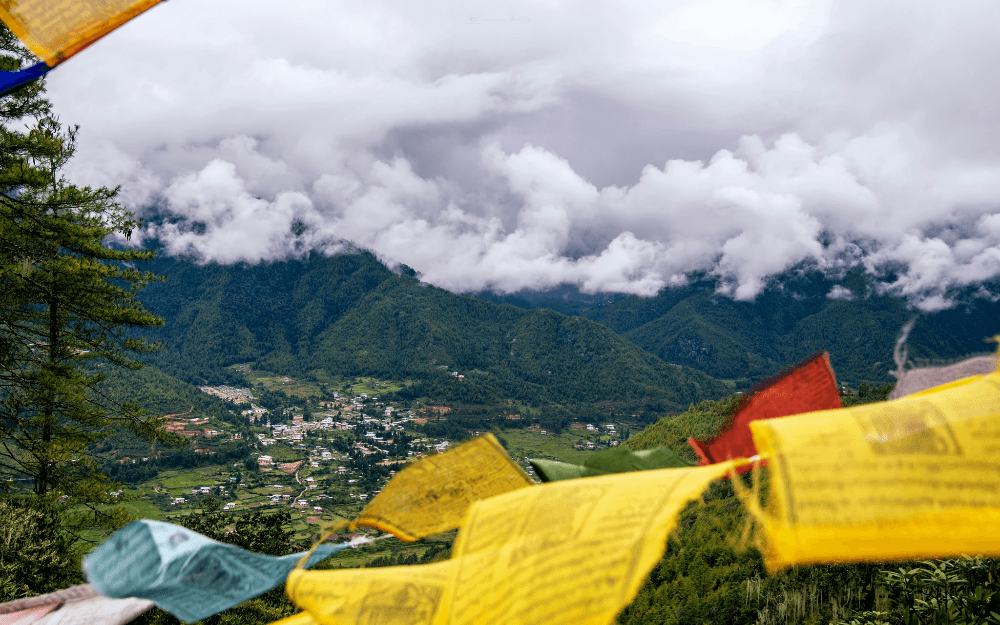
Traveling to Lhasa, the spiritual heart of Tibet, is a breathtaking adventure that offers not just stunning views but also a unique challenge: altitude sickness. With Lhasa elevation reaching approximately 3,650 meters (11,975 feet), many travelers may experience elevation sickness as their bodies adjust to the thinner air. Understanding altitude sickness is crucial for anyone planning to explore this high-altitude wonderland; it can turn an exhilarating journey into a struggle if not properly managed.
Understanding Altitude Sickness in Lhasa
Altitude sickness, often referred to as mountain sickness, occurs when you ascend to high elevations too quickly without allowing your body time to acclimatize. In Lhasa, the combination of its lofty elevation and rapid changes in altitude can lead to various altitude sickness symptoms such as headaches, nausea, and fatigue. Recognizing these symptoms early on is vital for ensuring a safe and enjoyable trip; after all, no one wants their Tibetan adventure marred by discomfort.
Lhasa Elevation Effects on Your Body
At such heights as those found in Lhasa, your body faces several physiological challenges due to lower oxygen levels in the atmosphere. These effects can manifest through various elevation sickness symptoms like dizziness or shortness of breath during even light activities. As your body struggles to adapt to the lhasa elevation, understanding how it impacts your health helps you prepare effectively for this extraordinary destination.
Importance of Preparation Before Travel
Preparation is key when it comes to mitigating high altitude sickness before you even set foot in Lhasa. Familiarizing yourself with potential symptoms and strategies for acclimatization will empower you during your journey and help prevent any unpleasant surprises along the way. Whether it’s staying hydrated or pacing yourself during excursions, taking proactive steps can significantly enhance your experience at this remarkable height.
Recognizing Altitude Sickness Symptoms

When traveling to Lhasa, understanding altitude sickness symptoms is crucial for a safe and enjoyable experience. The high elevation can affect your body in unexpected ways, so being aware of the signs can make all the difference. This section will help you identify common symptoms and differentiate between mild and severe cases of mountain sickness.
Common Signs of Mountain Sickness
Altitude sickness, or mountain sickness, often presents itself with a range of common signs that travelers should be vigilant about. These elevation sickness symptoms typically include headaches, dizziness, nausea, fatigue, and difficulty sleeping. If you find yourself feeling unusually out of breath while strolling through Lhasa’s stunning streets or experiencing a persistent headache after arriving at such high altitudes, it might be time to take notice.
In addition to these physical symptoms, some travelers also report feelings of anxiety or irritability when adjusting to the Lhasa elevation. Remember that everyone’s body reacts differently; while one person may feel fine at 3,600 meters (11,800 feet), another might start experiencing altitude sickness symptoms much earlier. Being mindful of these common signs can help you take proactive steps before they escalate into more severe issues.
Differentiating Between Mild and Severe Symptoms
Understanding the difference between mild and severe altitude sickness symptoms is essential for managing your health during your trip to Lhasa. Mild symptoms might include slight headaches or minor fatigue that can often be alleviated with rest and hydration. However, if you notice worsening symptoms like persistent vomiting, confusion, or shortness of breath even while resting—these could indicate a more serious case of high altitude sickness.
Severe elevation sickness can lead to life-threatening conditions like High Altitude Cerebral Edema (HACE) or High Altitude Pulmonary Edema (HAPE). If you’re experiencing severe fatigue combined with coughing up pink frothy fluid or extreme confusion—it’s time to seek medical attention immediately! Knowing how to differentiate between these levels of mountain sickness will empower you during your travels in Tibet.
When to Seek Medical Attention
While many travelers experience mild altitude sickness that resolves with acclimatization strategies like hydration and rest, knowing when to seek medical attention is vital for safety in Lhasa’s high elevation environment. If your symptoms persist beyond 24 hours despite taking appropriate measures—such as resting or descending slightly—it’s crucial not to ignore them any longer. Seeking professional help early on can prevent complications from developing into something more serious.
Additionally, if anyone in your travel group shows signs of severe altitude sickness—like confusion or inability to walk—immediate action should be taken without delay. Remember that timely intervention is key; don’t hesitate if you’re concerned about someone’s well-being due to their elevation sickness symptoms! Being aware and proactive ensures that everyone has a safe adventure exploring the breathtaking landscapes around Lhasa.
Preparing for High Altitude Travel
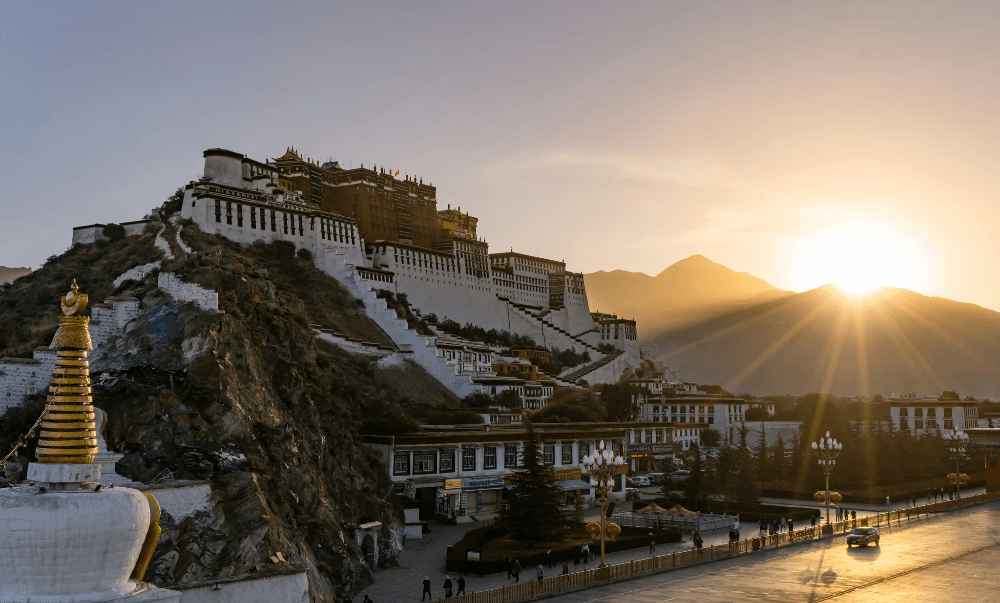
Traveling to Lhasa can be an exhilarating experience, but it’s essential to prepare for the unique challenges posed by its high elevation. Understanding how to acclimatize, stay hydrated, and pace yourself during activities can make a significant difference in your comfort levels and enjoyment of the trip. Let’s dive into some practical strategies that will help you navigate the potential pitfalls of altitude sickness.
Acclimatization Strategies for Lhasa
Acclimatization is your best friend when dealing with Lhasa’s elevation. Start by spending a few days at a lower altitude before heading into the heart of Tibet; this gradual ascent allows your body to adapt more smoothly and reduces the risk of altitude sickness symptoms. Once in Lhasa, take it easy—avoid strenuous activities for the first couple of days while you adjust to the thin air and give your body time to catch up.
Another effective strategy is to ascend slowly if you plan on visiting higher elevations around Lhasa. This way, you can monitor how you’re feeling and respond accordingly if any elevation sickness symptoms arise. Remember, everyone reacts differently; what works for one traveler might not work for another.
Importance of Hydration
Staying hydrated is crucial when dealing with high altitude sickness; dry air at high elevations can lead to dehydration faster than you might expect. Make it a habit to drink plenty of water throughout your day in Lhasa—aim for at least 3-4 liters daily if you’re active or exploring the area extensively. Herbal teas are also popular among travelers as they not only keep you hydrated but may also help alleviate some elevation sickness symptoms.
Avoid alcohol and caffeine as they can exacerbate dehydration and increase your chances of experiencing mountain sickness symptoms. Instead, opt for electrolyte-rich drinks or soups that nourish while hydrating your body effectively. Remember: hydration is key when navigating through Lhasa’s stunning landscapes!
How to Pace Yourself During Activities
When exploring Lhasa’s breathtaking sights, pacing yourself is vital in preventing elevation sickness from putting a damper on your adventure. Start with shorter excursions that allow you ample time to rest between activities—this gives your body a chance to acclimatize without overwhelming it right out of the gate! For instance, visiting local markets or enjoying leisurely strolls around Jokhang Temple can be excellent ways to soak in culture without overexerting yourself.
Listen closely to what your body tells you; if fatigue sets in or any mountain sickness symptoms appear, don’t hesitate to take breaks or slow down further until you’re ready again. Incorporating gentle stretches or breathing exercises during rest periods can also enhance oxygen flow and help combat those pesky elevation sickness symptoms that might creep up on you unexpectedly.
Lastly, consider scheduling guided tours with local experts who understand how best to navigate Lhasa’s unique environment while keeping safety top-of-mind! With their knowledge and support, you’ll be well-equipped for an unforgettable journey through this magnificent region without falling victim to high altitude sickness.
Health Tips for Lhasa and Tibet
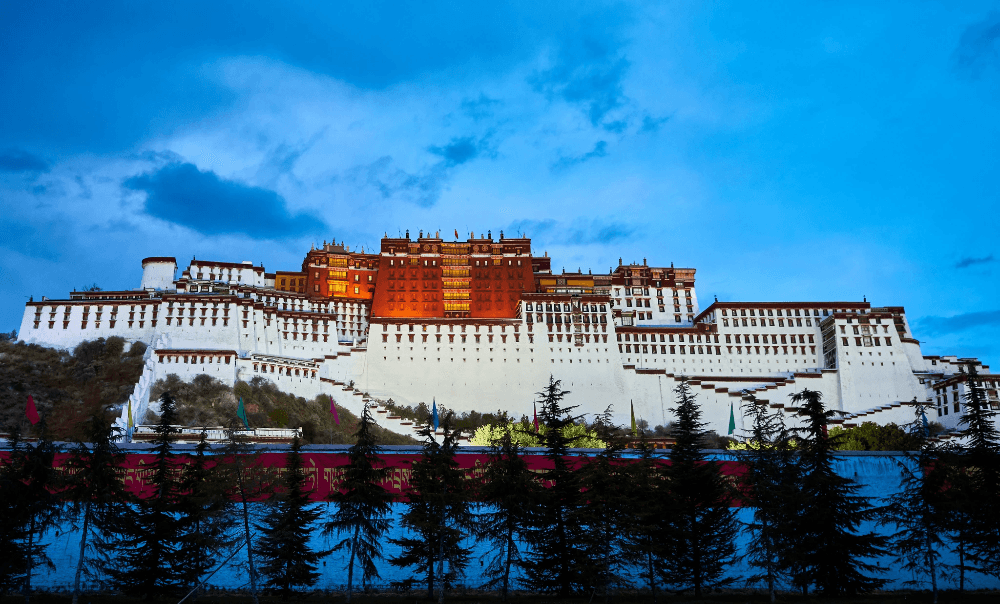
Traveling to Lhasa means embracing the beauty of high-altitude landscapes, but it also requires some thoughtful preparation regarding your health. The unique conditions at this elevation can impact your body in unexpected ways, making it essential to be aware of your nutritional needs and local remedies. By understanding how to manage altitude sickness symptoms effectively, you can ensure a more enjoyable journey through Tibet’s majestic scenery.
Nutritional Needs at High Elevation
When you’re navigating the stunning streets of Lhasa, your body will require more than just the usual fuel; it demands high-quality nutrition to combat elevation sickness. Foods rich in carbohydrates are particularly beneficial as they provide quick energy and help maintain stamina during your adventures. Additionally, incorporating iron-rich foods can enhance oxygen transport in your blood, which is crucial for fighting off altitude sickness symptoms that often arise due to lower oxygen levels.
Hydration is another key player in managing high altitude sickness; drinking plenty of fluids helps keep headaches at bay and supports overall bodily functions. Opt for warm beverages like herbal teas or soups that not only hydrate but also provide comfort against the chilly mountain air. Remember, while indulging in local delicacies is part of the experience, prioritizing nutritious options will help keep those pesky elevation sickness symptoms from ruining your trip.
Best Local Remedies and Practices
Tibetans have long relied on their unique traditions when it comes to managing health issues related to high altitudes. One popular local remedy is drinking butter tea (po cha), a traditional beverage made from tea leaves, yak butter, and salt that provides essential fats for energy while helping combat dehydration—a common culprit behind mountain sickness. This delightful drink not only warms you up but also serves as a delicious way to adapt to Lhasa’s elevation.
Another effective practice is consuming barley-based dishes like tsampa, which is both filling and provides sustained energy throughout the day—perfect for those exploring the city’s breathtaking monasteries or trekking nearby trails. Many locals also swear by ginger tea or garlic soup as natural aids against altitude-related ailments; these ingredients are known for their anti-inflammatory properties and ability to improve circulation.
Furthermore, staying active with light physical exercises can help acclimatize your body while keeping those elevation sickness symptoms at bay. Gentle walks around Lhasa allow you to soak in its rich culture without overexerting yourself—remember that slowing down can actually speed up acclimatization!
The Role of Traditional Tibetan Medicine
Traditional Tibetan medicine offers a holistic approach when dealing with health challenges associated with high altitudes like Lhasa’s elevation. Practitioners focus on balancing bodily energies through herbal treatments tailored specifically for altitude sickness prevention and relief from its symptoms. These remedies often include herbs like cordyceps or rhodiola rosea that are believed to enhance endurance and vitality—perfect companions during your travels.
In addition to herbal solutions, Tibetan medicine emphasizes mindfulness practices such as meditation and breathing exercises which can significantly alleviate stress on both mind and body during acclimatization periods. By integrating these techniques into your daily routine while exploring Tibet’s captivating landscapes, you’ll find yourself better equipped to handle any potential mountain sickness challenges that may arise.
Ultimately, embracing these traditional practices not only enhances physical well-being but connects you deeper with the rich cultural heritage of Tibet itself—a truly rewarding experience!
Staying Safe While Exploring Lhasa
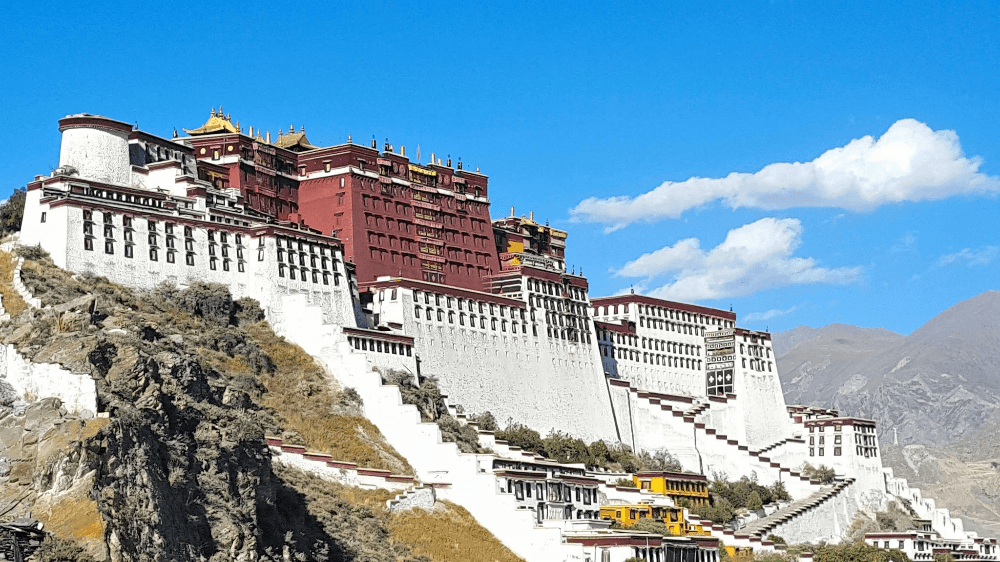
Exploring the breathtaking landscapes and cultural wonders of Lhasa can be an unforgettable experience, but it’s crucial to stay safe while navigating the challenges of high altitude. With the lhasa elevation reaching over 3,600 meters (11,800 feet), travelers must be aware of altitude sickness and its symptoms to enjoy their journey fully. Proper preparation and knowledge about acclimatization are key to ensuring a safe adventure in this unique region.
Recommended Destinations for Acclimatization
When you arrive in Lhasa, one of the best strategies to combat altitude sickness is to choose destinations that facilitate acclimatization. Start your journey at lower elevations like the Jokhang Temple or Barkhor Street, where you can gradually adjust to the lhasa elevation without overwhelming your body. These spots not only provide a gentle introduction to high altitude but also immerse you in Tibetan culture and history.
Another great option is to take short day hikes around Lhasa’s outskirts, such as Ganden Monastery or Sera Monastery. These locations offer stunning views while allowing your body time to adapt, reducing the risk of mountain sickness or elevation sickness symptoms. Remember, taking it slow is essential; rushing into strenuous activities can lead straight into high altitude sickness territory.
Essential Packing Tips for High Altitude
Packing wisely for your trip can significantly impact how well you cope with high altitude conditions in Lhasa. First and foremost, bring layers of clothing; temperatures can fluctuate dramatically due to the lhasa elevation and thin air. Include moisture-wicking fabrics that keep you dry during physical activities and warm outer layers for chilly evenings.
Don’t forget essentials like sunscreen and lip balm; at higher altitudes, UV exposure increases significantly, heightening the risk of sunburn even on cloudy days! Also pack a good water bottle—hydration is vital when combating elevation sickness symptoms—along with electrolyte supplements if you’re prone to dehydration during your travels.
Lastly, consider bringing some basic medications like ibuprofen or acetazolamide (Diamox) as a precaution against high altitude sickness—consult with your doctor beforehand regarding their use! Having these items on hand ensures you’re prepared for any elevation sickness symptoms that may arise during your adventure.
GuideTibet: Your Companion for Safe Travel
Navigating through Tibet’s majestic landscapes doesn’t have to be daunting when you have a reliable companion like GuideTibet by your side! Their knowledgeable guides are well-versed in managing altitude sickness and will help ensure that every traveler understands how their body reacts at various elevations throughout Lhasa’s stunning terrain. With their expertise in acclimatization strategies tailored specifically for each group member’s needs, they make exploring this incredible region both enjoyable and safe.
GuideTibet not only assists with travel logistics but also provides valuable insights into local customs and traditions—an essential aspect of experiencing Tibetan culture authentically while staying mindful of potential mountain sickness risks associated with rapid changes in elevation. Plus, having local support means you’ll always have someone looking out for signs of altitude sickness symptoms among fellow travelers!
So whether you’re marveling at Potala Palace or trekking through serene valleys nearby, remember that with GuideTibet by your side, you’re equipped with both safety measures against high altitude illness as well as enriching experiences that will linger long after you’ve left Lhasa’s enchanting embrace.
Enjoying Your Trip Despite Elevation Sickness
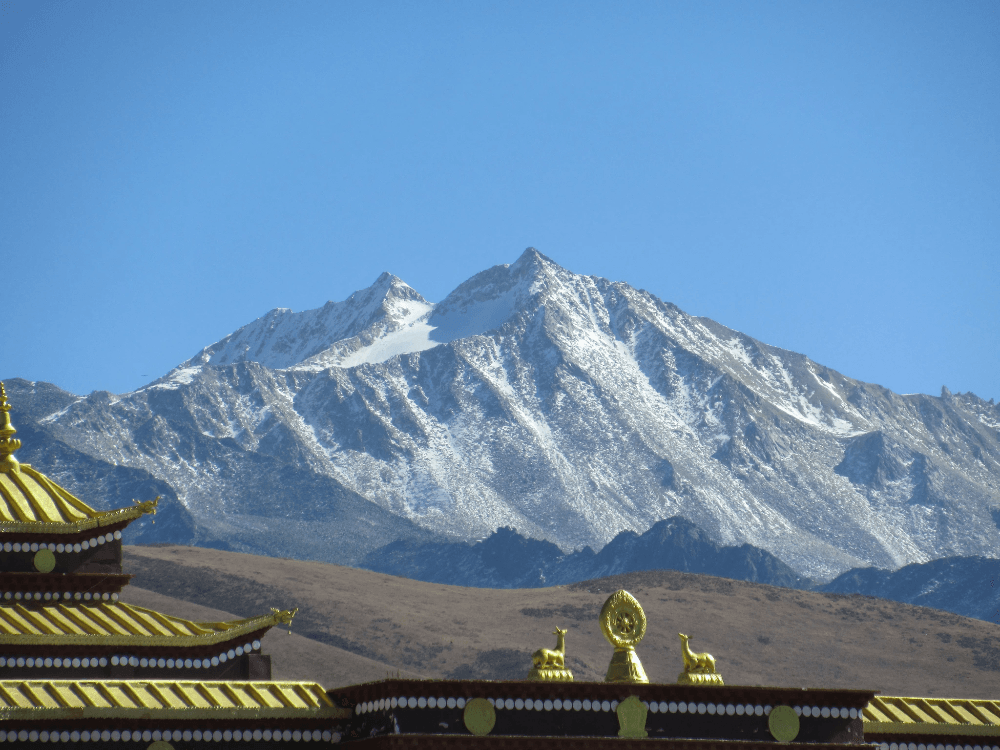
Traveling to Lhasa can be an exhilarating experience, but altitude sickness can put a damper on your adventure. However, by engaging in specific activities and maintaining a positive mindset, you can navigate the challenges of high altitude sickness and still enjoy the breathtaking beauty of Tibet. Let’s dive into some practical strategies that will help you acclimatize and make the most of your trip despite any elevation sickness symptoms.
Activities That Help with Acclimatization
When it comes to adjusting to Lhasa’s elevation, slow and steady wins the race. Gentle activities like leisurely walks around the Barkhor Circuit or visiting local temples allow your body to adapt without overwhelming it. Avoid strenuous hikes initially; instead, embrace low-impact exercises that promote blood circulation while minimizing the risk of mountain sickness.
Another fantastic way to acclimatize is through yoga or tai chi sessions offered in various parks around Lhasa. These practices not only enhance flexibility but also encourage deep breathing techniques that combat altitude sickness symptoms effectively. Remember, staying active at a comfortable pace helps your body adjust better to high altitude sickness while enjoying the stunning views around you.
Lastly, consider participating in guided tours that focus on gradual acclimatization. Many local guides understand how elevation affects travelers and can tailor activities accordingly—think scenic strolls rather than intense treks! This thoughtful approach ensures that you’re not just surviving in Lhasa’s elevation but actually thriving.
How to Maintain a Positive Attitude
Keeping a positive mindset is crucial when dealing with elevation sickness; after all, mental well-being significantly influences physical health! Remind yourself why you came to Lhasa: its rich culture, stunning landscapes, and vibrant communities are all waiting for you to explore them fully. When facing altitude sickness symptoms like headaches or fatigue, take short breaks and focus on what excites you about your journey.
Surround yourself with fellow travelers who share similar experiences; camaraderie often lightens the mood during challenging moments. Share stories of overcoming mountain sickness or simply laugh about those awkward moments when trying to catch your breath at high altitudes! Building connections not only distracts from discomfort but also creates lasting memories amidst shared struggles.
Lastly, don’t forget to celebrate small victories along your journey—whether it’s reaching a viewpoint without feeling faint or completing a relaxing day exploring local markets! Each step forward is an achievement worth acknowledging as it reinforces positivity during challenging times related to high altitude sickness.
Stories from Travelers Overcoming Mountain Sickness
Many travelers have faced challenges with altitude sickness while exploring Lhasa but have emerged stronger and more resilient for it! Take Sarah’s story: she arrived in Tibet eager for adventure but was hit hard by elevation sickness symptoms on her first day. Instead of pushing through her discomfort, she opted for rest and gentle walks around her hotel—by day three, she was hiking up Potala Palace with newfound energy!
Then there’s Mark’s tale—he tackled his mountain sickness head-on by joining group yoga sessions every morning before embarking on daily excursions. He found that focusing on breath control not only alleviated his symptoms but also enhanced his overall experience in Lhasa’s breathtaking surroundings! His positive attitude transformed what could have been an overwhelming challenge into an opportunity for personal growth.
These stories remind us that while altitude may present hurdles like mountain sickness, they can often be overcome with patience and determination. So gear up for your own adventure; remember you’re not alone in navigating these challenges at such remarkable heights!
Conclusion
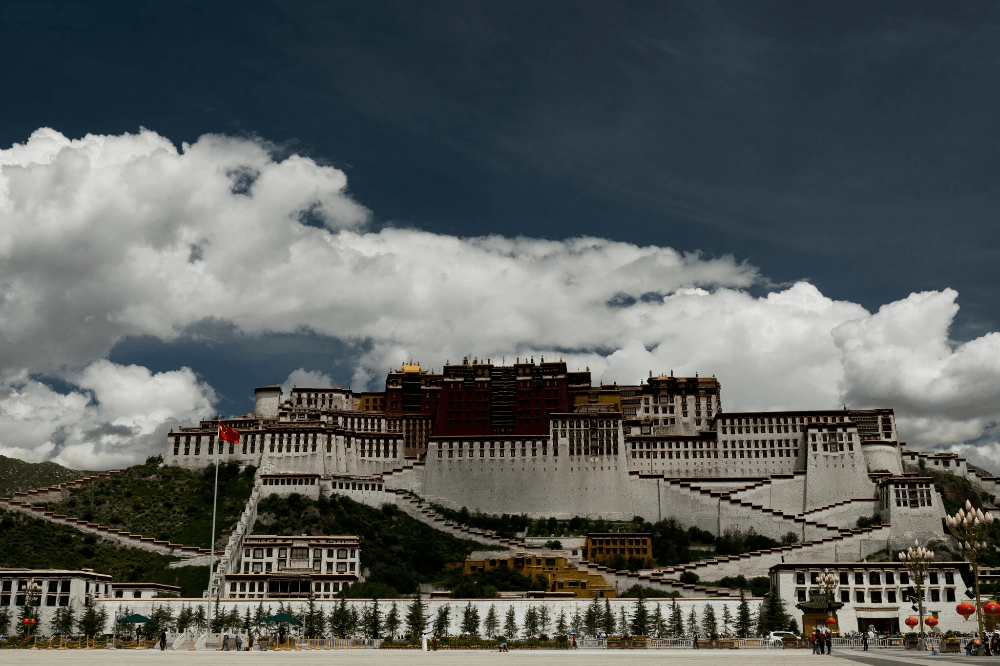
Traveling to Lhasa is an exhilarating experience, but it comes with its own set of challenges, particularly concerning altitude sickness. Understanding how the Lhasa elevation affects your body is crucial for a safe and enjoyable trip. By preparing adequately and being aware of altitude sickness symptoms, you can make the most of your journey to this breathtaking region.
Essential Takeaways for High Altitude Health
When venturing into high-altitude areas like Lhasa, recognizing the signs of mountain sickness is key to ensuring your health and safety. Common elevation sickness symptoms include headaches, nausea, and fatigue—so listen to your body! Remember to acclimatize properly by taking it slow, staying hydrated, and fueling up on nutritious foods that support your energy levels at high elevations.
Making the Most of Your Lhasa Experience
While altitude sickness can be a concern, it shouldn’t overshadow the beauty and culture that Lhasa has to offer. Engage in activities that promote acclimatization—like leisurely walks around Potala Palace or sipping warm yak butter tea in local cafes—to enhance your experience while adjusting to the elevation. Embrace the unique traditions and breathtaking landscapes; after all, overcoming mountain sickness will only add to the stories you’ll share from this unforgettable journey!
Connect with GuideTibet for a Safe Journey
Traveling in Tibet can be daunting without proper guidance; that’s where GuideTibet comes in! With their expertise on navigating high altitudes and understanding elevation sickness symptoms, they ensure that you have a safe adventure tailored just for you. So why not connect with them before you embark on this incredible journey? Your well-being is just as important as experiencing all that stunning Lhasa elevation has to offer!