
Introduction

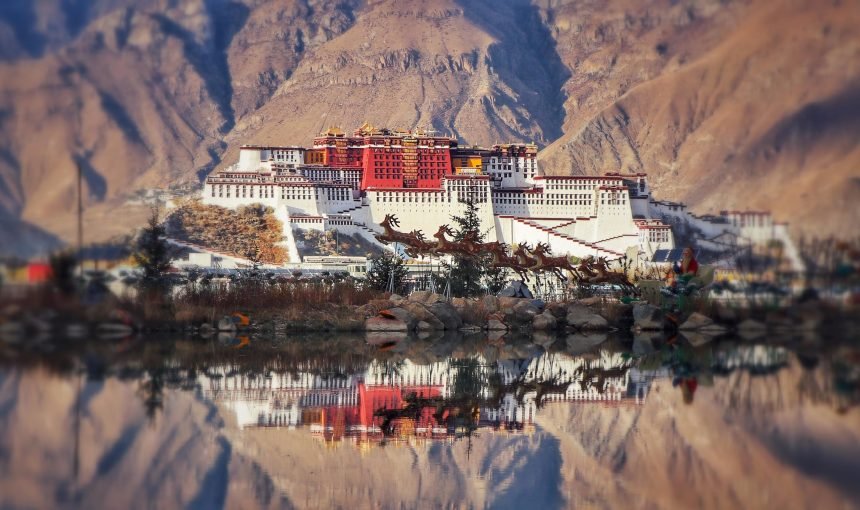
Are you ready to embark on a journey to the mystical land of Lhasa, Tibet? This enchanting city is home to the awe-inspiring Forbidden City of Lhasa, nestled amidst the breathtaking Tibetan Plateau. With its rich cultural heritage and spiritual allure, Lhasa offers an unforgettable travel experience that will leave you in awe.
The Forbidden City of Lhasa
At the heart of Lhasa lies the iconic Forbidden City, a UNESCO World Heritage Site that has captivated travelers for centuries. Its ancient palaces and temples stand as a testament to Tibet’s regal history and offer a glimpse into the opulent lifestyle of its past rulers.
Exploring the Tibetan Plateau
The Tibetan Plateau, often referred to as the roof of the world, is a vast expanse of rugged terrain and stunning natural beauty. From towering mountain peaks to serene lakes, this unique landscape provides endless opportunities for adventure and exploration.
Lhasa Travel – Tibet
Lhasa travel offers a fascinating blend of traditional Tibetan culture and modern amenities. Whether you’re drawn to ancient monasteries or bustling markets, there’s something for every traveler seeking an authentic experience in this captivating city.
The Enchanting Lhasa Tibetan Lifestyle
Daily Life in Lhasa
Life in Lhasa is a beautiful blend of ancient traditions and modernity. The locals start their day with prayers and offerings at the temples, followed by bustling markets where they sell colorful textiles and handcrafted goods. The aroma of yak butter tea fills the air as families gather for meals, sharing stories of their ancestors and celebrating their unique culture.
Traditional Tibetan Crafts
Tibetan crafts are a true reflection of the rich cultural heritage of Lhasa. Skilled artisans can be seen meticulously creating intricate thangka paintings, weaving vibrant carpets, and crafting delicate silver jewelry using traditional techniques passed down through generations. Each piece tells a story and is a testament to the creativity and craftsmanship of the people.
The traditional art of Tibetan crafts also includes the making of intricate wood carvings, which are often used to decorate monasteries and temples. Skilled artisans use chisels and other hand tools to create detailed designs that are deeply rooted in Tibetan culture and religion. These wood carvings not only serve as beautiful decorations but also hold spiritual significance for the people of Lhasa.
Ancient Mineral Paintings
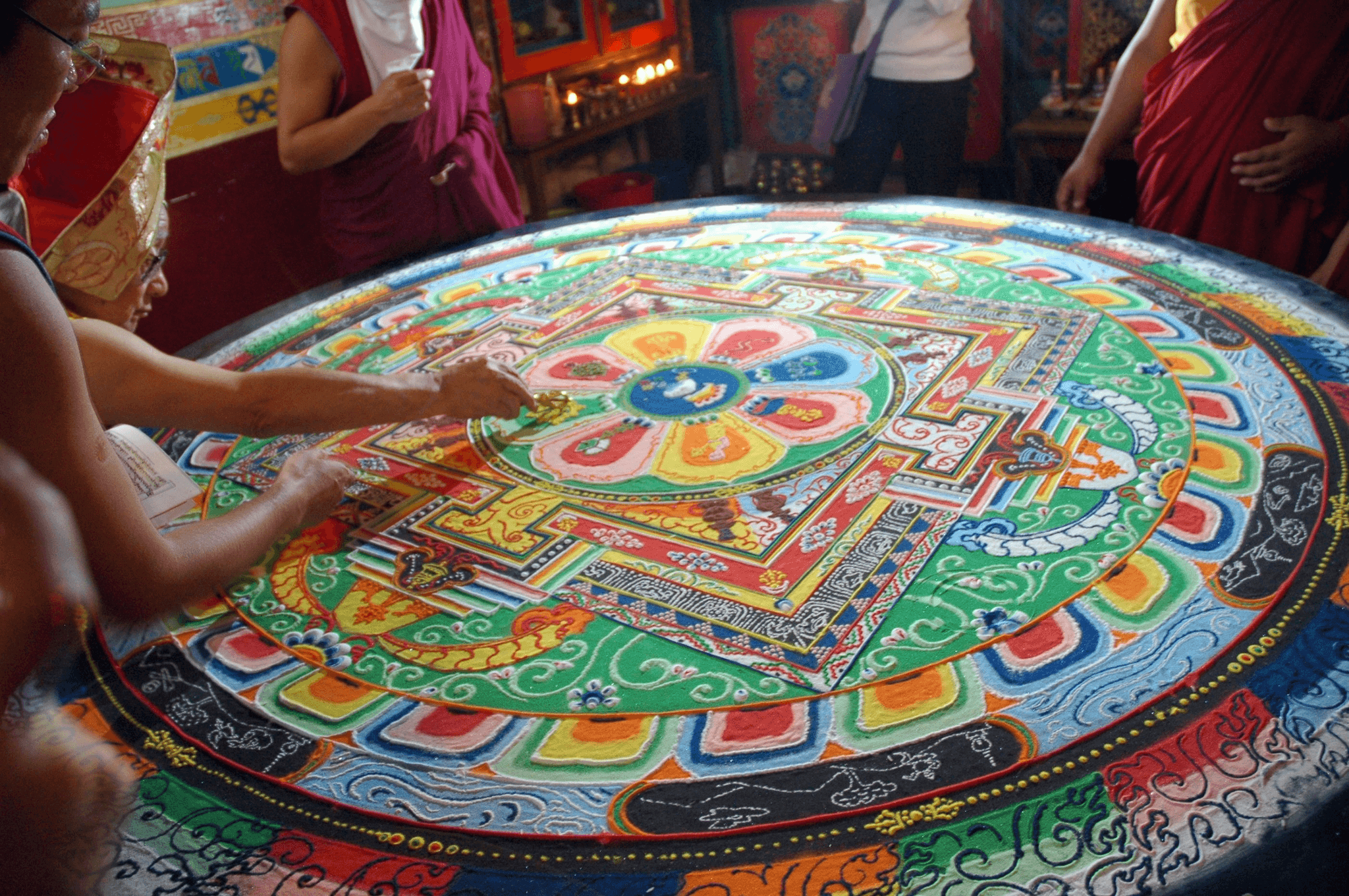
The ancient mineral paintings found in Lhasa are truly mesmerizing, depicting scenes from Tibetan folklore, religious stories, and historical events. These intricate artworks are created using natural mineral pigments sourced from the Himalayas, giving them an otherworldly quality that captivates all who lay eyes on them. The vibrant colors and attention to detail make these paintings a true treasure of Lhasa’s artistic legacy.
The mineral paintings found in Lhasa are not only visually stunning, but they also hold immense cultural and historical significance. Each painting tells a unique story, offering a glimpse into the rich tapestry of Tibetan folklore and traditions. The use of natural mineral pigments not only adds to the authenticity of these artworks but also highlights the deep connection between the region’s art and its natural surroundings.
The Allure of Lhasa’s Rich Culture
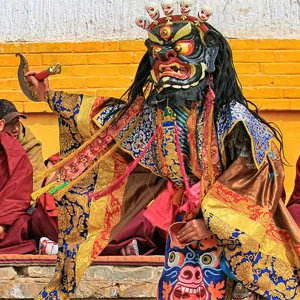
Nestled in the heart of the Himalayas, Lhasa Tibetan culture is a vibrant tapestry of traditions and celebrations. From the colorful Tibetan New Year festivities to the mesmerizing Cham dance performances, Lhasa comes alive with joy and reverence during its festivals and celebrations. Whether it’s the Saga Dawa or the Shoton Festival, there’s always a reason to rejoice in this enchanting city.
Deep Religious Traditions
Lhasa’s deep-rooted religious traditions are an integral part of its rich culture. The city is home to some of the most sacred sites in Tibetan Buddhism, including the awe-inspiring Jokhang Temple and the iconic Potala Palace. Pilgrims from all over the world flock to Lhasa to seek spiritual enlightenment and pay homage to these revered landmarks, immersing themselves in the profound spirituality that permeates every corner of this ancient city.
Advanced Traditional Medical Techniques
Lhasa is renowned for its advanced traditional medical techniques, which have been passed down through generations. The Tibetan people have long relied on herbal remedies, acupuncture, and other holistic treatments to heal both body and mind. Visitors can explore traditional medicine shops and even experience these ancient healing practices firsthand, gaining insight into a centuries-old system that continues to thrive in modern-day Lhasa.
With its vibrant festivals, deep religious traditions, and advanced medical practices, Lhasa offers a captivating glimpse into a culture unlike any other. Whether you’re drawn to its spiritual allure or simply eager to immerse yourself in its time-honored customs, Lhasa promises an unforgettable journey through the heart of Tibet.
Are Foreigners Allowed in Lhasa Tibet?
Understanding Travel Restrictions
Foreigners are permitted to visit Lhasa, but they must obtain a Tibet Travel Permit and be part of a guided tour. Independent travel is not allowed due to the sensitive political situation in the region, so it’s important to plan your trip with a reputable tour company.
Navigating Permits and Visas
To enter Lhasa, travelers need both a Chinese visa and a Tibet Travel Permit. The permit can only be obtained through a registered tour operator, so it’s crucial to plan your trip well in advance. Once you have your permits in order, you’ll be ready to explore the wonders of the Forbidden City.
Tips for Foreign Visitors
When visiting Lhasa as a foreigner, it’s important to respect local customs and traditions. Always follow your guide’s instructions and be mindful of any restrictions or guidelines set by the Chinese government. Additionally, take care to acclimate slowly to the high altitude of the Tibetan Plateau.
Exploring the Spiritual Side
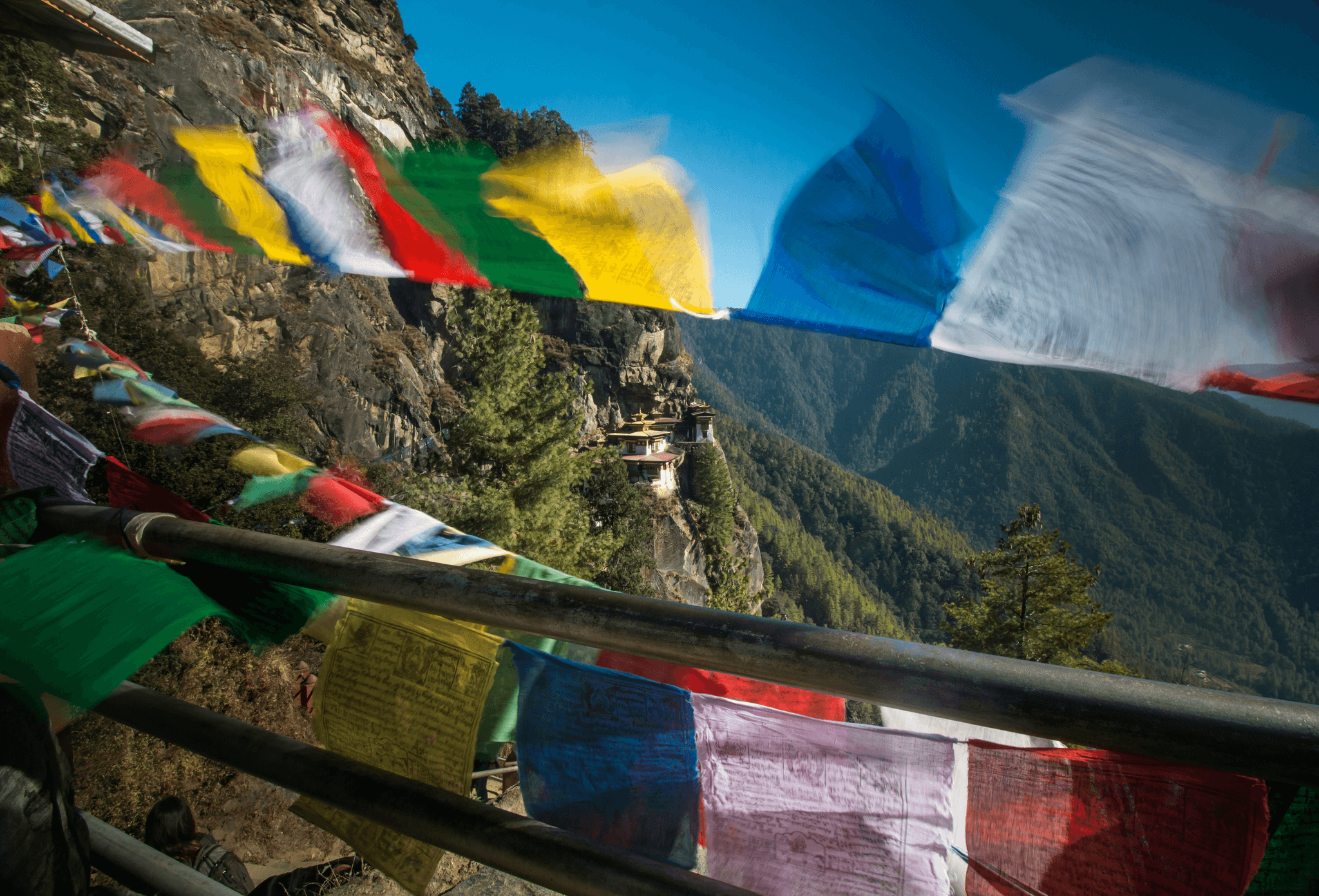
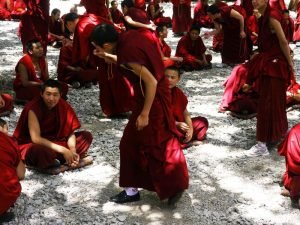
When exploring the spiritual side of Lhasa Tibetan, meeting Tibetan monks is a must. These wise and peaceful individuals offer insight into their way of life and often engage in enlightening conversations about Buddhism and spirituality. Their presence adds a sense of tranquility to the already serene atmosphere of Lhasa.
Meeting Tibetan Monks
Meeting Tibetan monks in Lhasa is an enlightening experience that allows visitors to gain a deeper understanding of the Buddhist way of life. Whether engaging in a simple conversation or observing their daily rituals, interacting with these monks provides a unique glimpse into their spiritual practices and unwavering dedication to their beliefs.
Visitors can also participate in meditation sessions led by the monks, gaining firsthand experience of the peaceful and introspective nature of Tibetan Buddhist practices. Additionally, witnessing the intricate and colorful ceremonies performed by the monks offers a profound insight into the rich cultural heritage and traditions that have been preserved for centuries. Engaging with these monks fosters a sense of connection and mutual respect, transcending language barriers and creating lasting memories of this spiritual encounter.
Learning from Tibetan Buddhist Teachings
In Lhasa, learning from Tibetan Buddhist teachings is an opportunity for visitors to expand their knowledge and embrace new perspectives on life and spirituality. The profound wisdom shared by Tibetan Buddhist teachers can inspire personal growth and introspection, leaving a lasting impact on those who are open to receiving their teachings.
Learning from Tibetan Buddhist teachings in Lhasa is not only an intellectual exercise but also a deeply spiritual experience. The serene atmosphere of the monasteries and temples provides a perfect setting for self-reflection and meditation, allowing visitors to connect with their inner selves on a profound level. By immersing oneself in the teachings of Tibetan Buddhism, one can gain a deeper understanding of the interconnectedness of all living beings and the impermanence of life.
Visiting Monasteries and Temples
Visiting monasteries and temples in Lhasa allows travelers to immerse themselves in the rich spiritual history of Tibet. These sacred sites are not only architectural marvels but also hold deep cultural significance, making them ideal places for quiet contemplation and reflection amidst the bustling city. As you wander through the ornate halls and peaceful courtyards, you can witness monks engaged in prayer and rituals, providing a glimpse into the daily life of Tibetan Buddhism. The intricate artwork and colorful murals adorning the walls offer a visual feast for the eyes, adding to the overall sensory experience of visiting these sacred places.
Does the Dalai Lama Live in Lhasa?
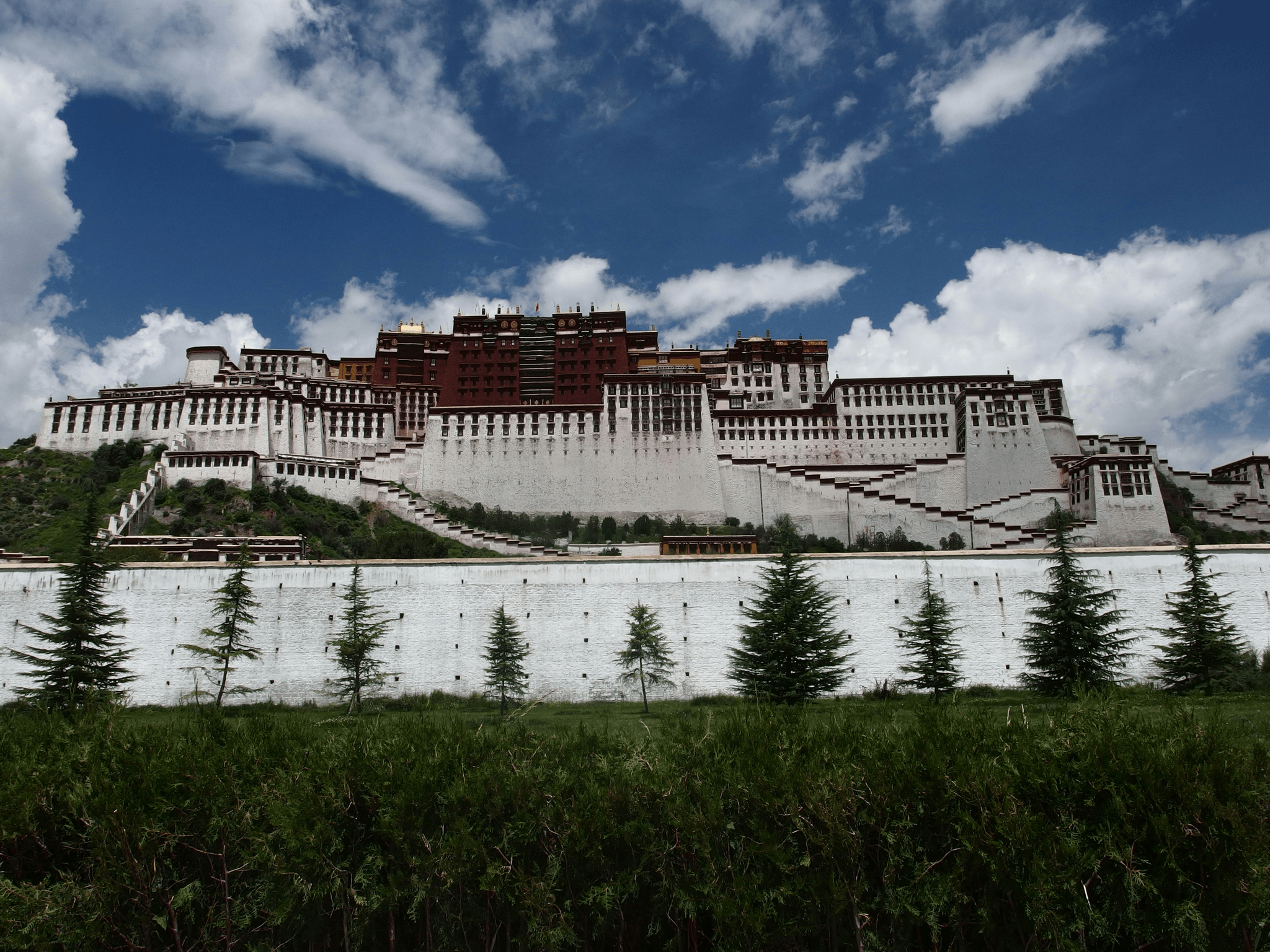
Understanding the Dalai Lama’s Residence
The Dalai Lama does not currently reside in Lhasa, as he has been in exile since 1959. His traditional residence, the Potala Palace, still stands in Lhasa as a symbol of Tibetan culture and heritage, but it is now a museum open to the public.
Impact of the Dalai Lama on Lhasa
Although the Dalai Lama is not physically present in Lhasa, his influence is deeply felt throughout the city and the entire Tibetan region. His teachings and spiritual guidance continue to inspire many Tibetans who hold him in high regard as their spiritual leader.
History of the Dalai Lama in Lhasa
The history of the Dalai Lama’s presence in Lhasa dates back centuries, with a long line of spiritual leaders residing there before his exile. The impact of his absence has been significant for both the people of Tibet and those who visit this culturally rich and spiritually significant region.
Now that we have explored whether or not the Dalai Lama lives in Lhasa, let’s delve into more about what makes this city so special and captivating for visitors from around the world.
Conclusion
Lhasa is a mesmerizing city that offers a unique blend of ancient traditions and modern experiences. Whether you’re exploring the Tibetan Plateau or immersing yourself in the enchanting Lhasa Tibetan lifestyle, there’s something for everyone in this mystical city.
Experiencing Lhasa with GuideTibet
When visiting Lhasa, it’s essential to have a knowledgeable guide who can provide insights into the rich culture and history of the region. GuideTibet offers expert guides who can help you navigate the city’s attractions and ensure you have an unforgettable experience.
Embracing the Lhasa Tibetan Lifestyle
Embracing the Lhasa Tibetan lifestyle means immersing yourself in daily life, traditional crafts, and religious traditions that have been passed down for generations. From participating in Tibetan festivals to learning about advanced traditional medical techniques, there’s so much to discover.
Unforgettable Memories in the Forbidden City
No trip to Lhasa is complete without visiting the awe-inspiring Forbidden City of Lhasa. The ancient architecture and spiritual significance of this UNESCO World Heritage site will leave you with unforgettable memories that will stay with you long after your visit.
Visiting Lhasa Tibet is an experience like no other, offering a glimpse into a world steeped in tradition and spirituality. Whether you’re drawn by the allure of ancient customs or simply want to explore the breathtaking landscapes of the region, Lhasa has something truly special to offer.

