
Introduction

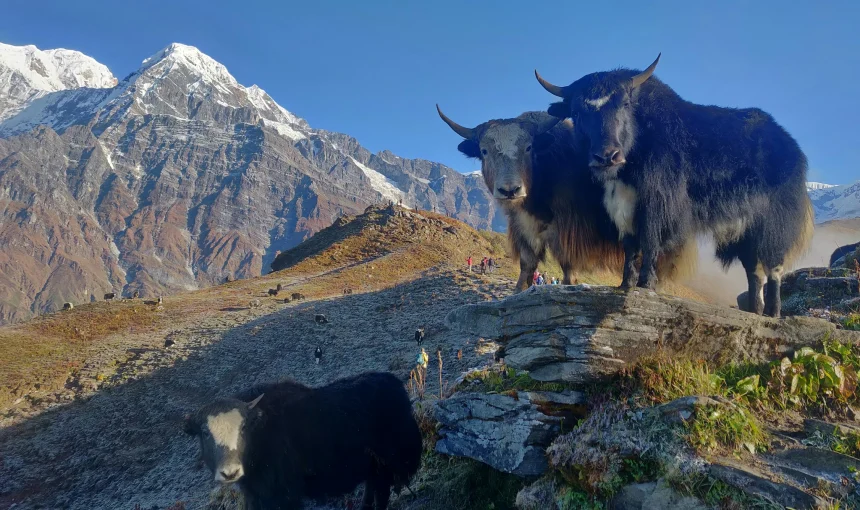
The Tibet yak animal is more than just a creature of the highlands; it is an integral part of Tibetan life, culture, and economy. With their shaggy coats and sturdy frames, these remarkable animals thrive in the harsh conditions of the Tibetan plateau. But are there yaks in Tibet? Absolutely! They roam freely across the rugged terrain, embodying resilience and adaptability.
Discovering the Tibet Yak Animal
The Tibet yak animal, known locally as nak for females and dzo for males, has captured the imagination of many due to its unique characteristics and vital role in Tibetan society. Its impressive ability to survive in extreme altitudes makes it a fascinating subject for both locals and visitors alike. This majestic creature is not just an animal; it’s a living testament to the spirit of Tibet.
Cultural Significance of Yaks in Tibet
What is the significance of the yak in Tibet? Beyond their physical presence, yaks symbolize strength, endurance, and cultural identity among Tibetan communities. They play a crucial role in various traditions and rituals that highlight their importance within Tibetan Buddhism and local folklore.
Economic Value of the Tibetan Yak
When discussing what is the national animal of Tibet, one cannot overlook how central yaks are to economic life as well. These animals provide essential resources such as milk, meat, wool, and even transportation for pastoralists navigating high-altitude landscapes. The economic value of the Tibetan yak extends beyond mere sustenance; they are also pivotal to tourism ventures that showcase traditional lifestyles intertwined with these magnificent creatures.
The Tibet Yak Animal: An Overview

The Tibet yak animal, a robust and resilient creature, thrives in the harsh climates of the Tibetan Plateau. This unique mammal is not only an essential part of the Tibetan ecosystem but also a cornerstone of Tibetan culture and economy. Understanding the habitat and characteristics of yaks provides insight into their significance in this region.
Understanding the Yak’s Habitat
Yaks are primarily found in high-altitude regions, particularly on the Tibetan Plateau, where they have adapted to extreme weather conditions. Their thick fur protects them from frigid temperatures, while their large lungs help them breathe in thin air. This adaptability makes them perfectly suited for life at elevations ranging from 3,000 to 5,500 meters above sea level.
Are there yaks in Tibet?
Absolutely! The question Are there yaks in Tibet? can be answered with a resounding yes. In fact, Tibet is home to some of the most iconic yak populations globally, where these animals roam freely across vast grasslands and rugged terrains. Yaks are integral to many Tibetan communities, serving as both livestock and cultural symbols.
The Tibetan name for yaks: dzo and nak
In Tibetan culture, yaks are referred to by specific names that highlight their importance: dzo refers to male yaks or hybrids (a cross between a yak and a cow), while nak denotes female yaks. These terms reflect not only linguistic diversity but also cultural reverence for these magnificent creatures within the community. The distinction between dzo and nak underscores their roles within pastoral life—each contributing uniquely to the livelihoods of those who depend on them.
What is the Significance of the Yak in Tibet?

The significance of the yak in Tibet extends far beyond its physical presence; it embodies the essence of Tibetan culture, spirituality, and livelihood. The Tibet yak animal has been a steadfast companion to the Tibetan people for centuries, playing a pivotal role in their daily lives. From serving as a cultural symbol to contributing to spiritual practices, yaks hold a special place in the hearts of Tibetans.
Yaks as a Cultural Symbol
In Tibetan culture, yaks are not just livestock; they are revered symbols of resilience and strength. The Tibetan name for yaks varies—dzo refers to male yaks while nak denotes females—highlighting their importance within local communities. Are there yaks in Tibet? Absolutely! They roam freely across the rugged landscapes and are often depicted in traditional art, embodying the spirit of high-altitude living.
Yaks also represent sustenance and survival for many families in Tibet. Their ability to thrive in harsh conditions makes them emblematic of adaptability—a trait highly valued among Tibetan people. As cultural symbols, they appear prominently during important rituals and celebrations, reinforcing their vital role in both social identity and heritage.
Spiritual Importance in Tibetan Buddhism
The spiritual significance of the yak is profound within Tibetan Buddhism, where these animals are often associated with various deities and rituals. Yaks are considered sacred beings that connect humans with nature’s energies, making them integral to spiritual practices across regions inhabited by this majestic animal. In many Buddhist ceremonies, offerings may include yak products like butter or milk as a sign of respect and gratitude.
Moreover, certain legends depict yaks as protectors or companions on one’s spiritual journey through life’s challenges—an embodiment of strength when traversing both physical mountains and personal trials. The yak’s resilient nature serves as an inspiration for practitioners seeking enlightenment amid life’s adversities, reinforcing its status as more than just livestock but rather as spiritual guides.
Yaks in Traditional Tibetan Festivals
Yaks take center stage during various traditional festivals celebrated across Tibet, showcasing their cultural importance through vibrant displays and activities. During events like Losar (Tibetan New Year), decorated yaks parade through villages adorned with colorful ornaments—a sight that captures both tradition and festivity at once! This celebration highlights not only the economic contributions made by these animals but also their role as cherished members of family units.
Additionally, yak races have become popular attractions during festivals, drawing crowds eager to witness these magnificent creatures sprint across open fields amidst cheers from enthusiastic spectators. Such events foster community spirit while honoring the deep-rooted connection between people and their beloved tibet yak animals—a bond that transcends mere utility into one filled with mutual respect.
The Role of Yaks in Tibetan Economy

The Tibet yak animal plays a pivotal role in the economic landscape of Tibet, serving not just as a livestock option but as a cornerstone of rural livelihoods. The yak’s versatility allows it to contribute significantly to agriculture, providing essential resources that sustain communities. In this high-altitude region, where farming options are limited, yaks truly stand out as invaluable assets.
Agricultural Contributions
Yaks are well adapted to the harsh conditions of the Tibetan plateau, making them indispensable for agricultural practices in this rugged terrain. They are often used for plowing fields and transporting goods, which is crucial given the challenging landscape and limited access to modern machinery. As such, the question Are there yaks in Tibet? can be answered with a resounding yes; they are integral to traditional farming methods that have been passed down through generations.
Yak Products: Milk, Meat, and Wool
The economic value of the Tibet yak animal extends beyond its labor; it also provides an array of products that support local diets and economies. Yak milk is rich in nutrients and is often transformed into butter or cheese—staples in Tibetan cuisine. Additionally, yak meat is a source of sustenance for many families while their wool is spun into warm clothing and blankets essential for surviving cold winters.
Tourism and Yak-Based Ventures
In recent years, tourism centered around yaks has blossomed into an important sector for local economies. Visitors flock to experience yak-based ventures such as guided treks or cultural tours featuring these magnificent animals—further cementing what is the national animal of Tibet? This growing interest not only generates income but also fosters appreciation for traditional Tibetan lifestyles intertwined with yaks. By promoting sustainable tourism focused on the Tibetan name for yaks—dzo (male) and nak (female)—communities can preserve their heritage while benefiting economically.
Yaks as Companions and Helpers
The relationship between the Tibet Yak animal and the Tibetan people is a profound one, steeped in history and mutual dependence. These magnificent creatures are not just livestock; they are integral to the lifestyle of many Tibetans, serving as companions that share in both work and life. The bond formed between yaks and their owners is often described as familial, where yaks are treated with great care and respect, reflecting their significance in Tibetan culture.
The Bond Between Yaks and Tibetans
In Tibetan communities, the yak is more than just a beast of burden; it represents resilience, strength, and companionship. Are there yaks in Tibet? Absolutely! They roam freely across the rugged landscapes, embodying the spirit of the high-altitude environment while forming deep emotional ties with their human counterparts. Many families consider their yaks to be part of the family unit—celebrating milestones together or mourning losses when a yak passes away.
Yak-Driven Transportation in High Altitudes
Navigating the steep terrains of Tibet can be quite a challenge; however, this is where yaks shine as reliable transportation partners. With their sturdy build and sure-footedness, yaks serve as essential pack animals for herders traversing mountainous regions. What is the significance of the yak in Tibet? Their ability to carry heavy loads makes them invaluable for transporting goods across difficult terrains where vehicles cannot venture.
Role of Yaks in Pastoral Life
Yaks play a critical role in pastoral life by contributing to subsistence farming practices that have been passed down through generations. They provide milk, meat, wool, and even dung for fuel—every part of this remarkable animal serves a purpose within rural economies. What is the national animal of Tibet? The yak holds this title proudly due to its indispensable role in sustaining traditional lifestyles while fostering community bonds among Tibetan people.
Conservation Efforts and Challenges

The Tibetan yak animal, with its unique adaptations and cultural significance, faces numerous conservation challenges. As the climate changes and human activities encroach on their habitats, protecting this iconic creature becomes increasingly vital. Efforts to safeguard the yak population are essential not only for ecological balance but also for preserving Tibetan culture.
Protecting the Tibetan Yak Population
To ensure the survival of the Tibet yak animal, various organizations and local communities are working together to implement conservation strategies. These initiatives focus on sustainable grazing practices, habitat restoration, and raising awareness about the importance of yaks in Tibetan society. By fostering a sense of responsibility among herders and encouraging eco-friendly tourism, we can protect these majestic animals for future generations.
What is the national animal of Tibet?
The national animal of Tibet is none other than the yak itself! This designation highlights not just its economic value but also its deep-rooted cultural significance as a symbol of strength and resilience in harsh environments. Understanding what is the significance of the yak in Tibet helps underscore why it deserves protection; it embodies both livelihood and heritage for many Tibetan communities.
The Impact of Climate Change on Yaks
Climate change poses a significant threat to yaks by altering their natural habitats and food sources. Rising temperatures can lead to decreased snow cover, impacting grazing grounds crucial for sustaining yak populations in high altitudes. Additionally, unpredictable weather patterns complicate traditional pastoral practices, further jeopardizing what is known as the Tibetan name for yaks—dzo (male) and nak (female)—and highlighting an urgent need for adaptive strategies to support these remarkable animals.
Conclusion
In the grand tapestry of Tibetan culture, the tibet yak animal stands as a vital thread, weaving together tradition, spirituality, and economic sustenance. This remarkable creature is not just a mode of transportation or a source of livelihood; it embodies the very spirit of the Tibetan people. The legacy of yaks in Tibet is enduring and profound, echoing through generations as a symbol of resilience and adaptation to the high-altitude landscape.
The Enduring Legacy of the Yak in Tibet
The significance of yaks in Tibet transcends mere utility; they are integral to both daily life and cultural identity. Are there yaks in Tibet? Absolutely! They roam freely across the rugged terrain, serving as companions and helpers to nomadic herders while also being celebrated in local folklore and festivals. The Tibetan name for yaks—dzo for males and nak for females—reflects their importance within communities that have depended on these animals for centuries.
GuideTibet: Your Gateway to Yak-Centric Tours
For those eager to explore this rich heritage firsthand, GuideTibet offers unique yak-centric tours that immerse travelers into the heart of Tibetan culture. These tours not only provide an opportunity to see these magnificent animals up close but also delve into their role as symbols of strength and endurance in Tibetan society. What is the national animal of Tibet? It’s none other than the yak! Join us on an adventure that celebrates this iconic creature while discovering its significance throughout history.
Embracing the Tibetan Lifestyle Through Yaks
To truly embrace Tibetan lifestyle is to understand how intertwined it is with the tibet yak animal. From providing milk, meat, and wool to serving as reliable transport across challenging terrains, yaks are indispensable partners in pastoral life. By engaging with these majestic beings, visitors can gain insights into what is the significance of the yak in Tibet—not just economically but spiritually as well—fostering a deeper appreciation for this unique way of living.