
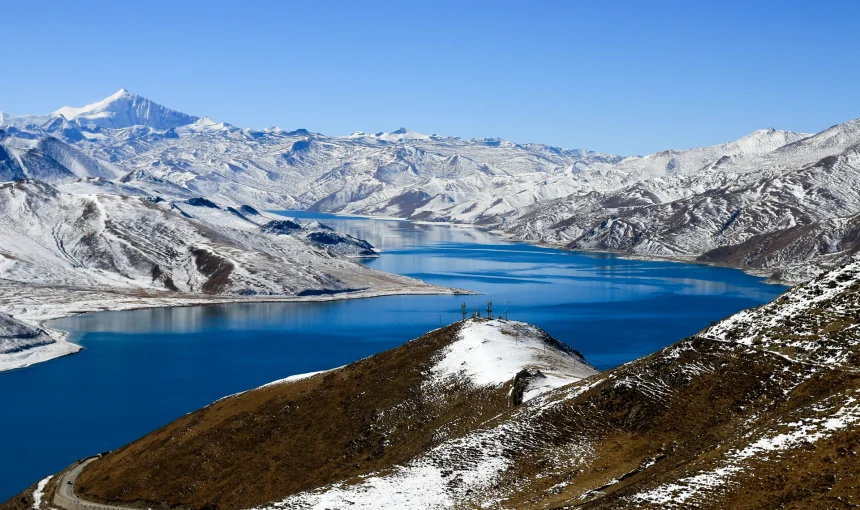
Introduction
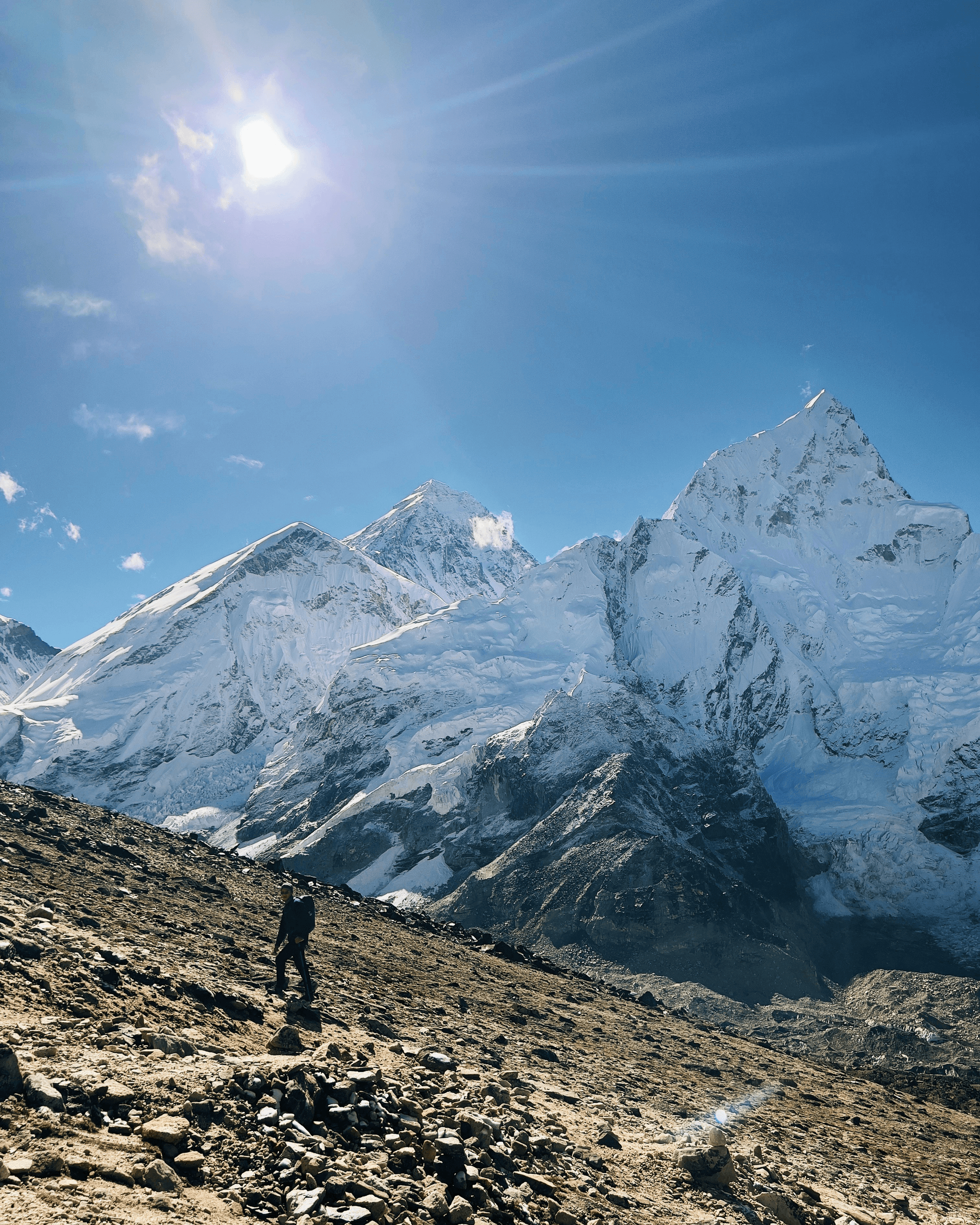
Embarking on a trek to Mount Everest Base Camp is not just a journey through breathtaking landscapes; it’s an expedition that requires a keen understanding of mount Everest weather. The unpredictable nature of the weather can significantly impact your experience, making it crucial to plan accordingly. With this guide, we’ll delve into the nuances of Everest Base Camp weather, helping you determine when is the best time of year to visit Everest Base Camp.
Understanding Mount Everest Base Camp Weather
Mount Everest Base Camp weather is characterized by its extreme variability, influenced by elevation and geographical factors. As you ascend, temperatures can shift dramatically, and conditions may change within hours. Familiarizing yourself with the climate zones and typical weather patterns is essential for ensuring your safety and enjoyment during your trek.
The Importance of Weather in Your Trek
Weather plays a pivotal role in your trekking experience at Everest Base Camp; it affects everything from trail conditions to visibility and safety. A well-timed trip can mean the difference between clear skies or being caught in a snowstorm—yes, many wonder if there is always snow on Mount Everest! Understanding how everest base camp weather fluctuates throughout the year will empower you to make informed decisions about your adventure.
When to Plan Your Everest Adventure
When considering when to visit, you’ll want to take into account everest base camp weather by month for optimal trekking conditions. Spring (April to June) and autumn (October to December) are generally regarded as peak seasons due to milder temperatures and clearer skies. However, each season has its unique charm and challenges; thus, knowing what awaits you helps in crafting an unforgettable journey through one of Earth’s most awe-inspiring regions.
Overview of Everest Base Camp Weather
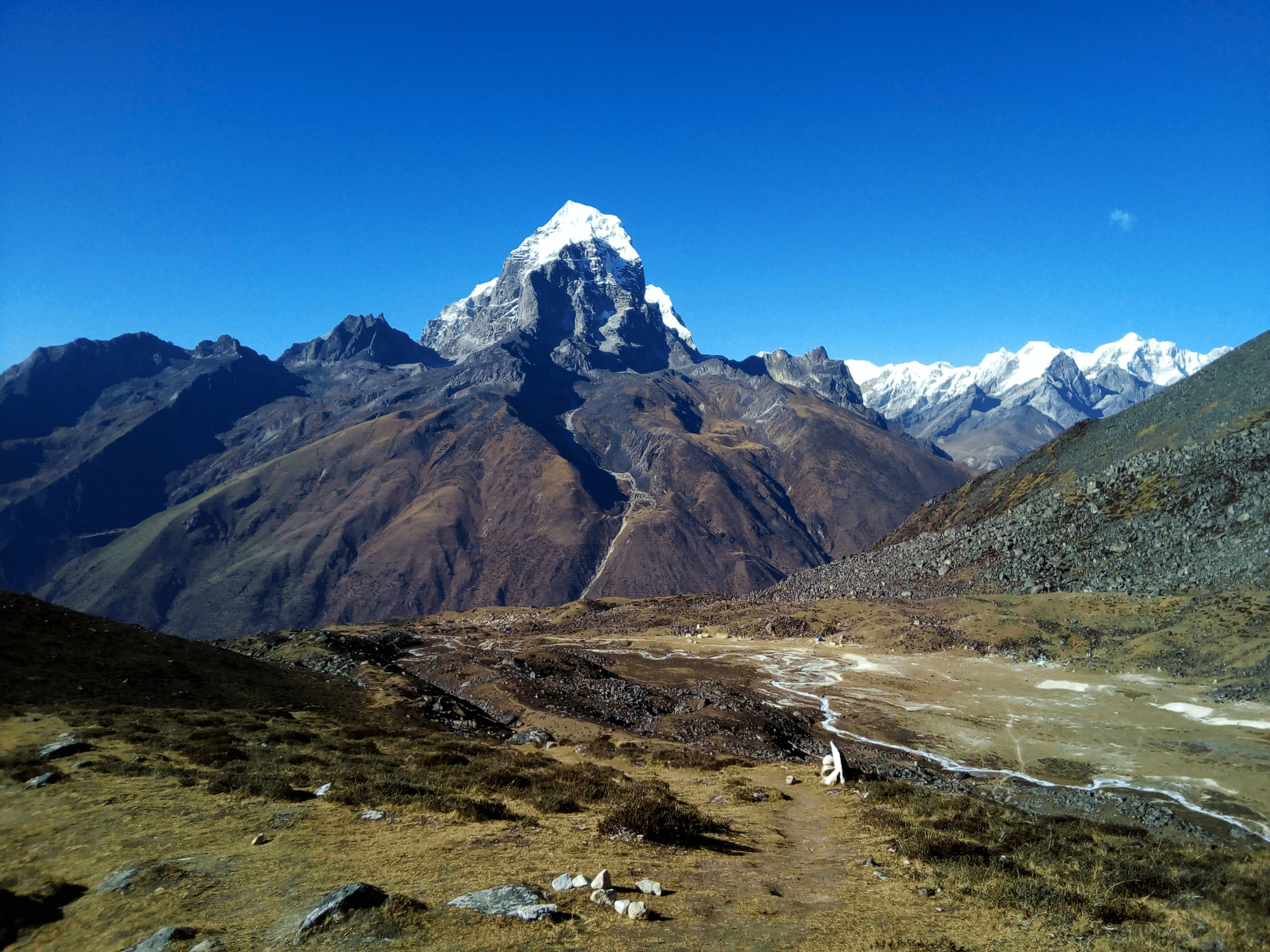
When embarking on a journey to Everest Base Camp, understanding the weather is crucial for a successful trek. The unique climate zones and varying conditions can significantly impact your experience, so being prepared is essential. Let’s dive into the fascinating world of Mount Everest weather and how it influences your adventure.
The Climate Zones of Mount Everest
Mount Everest features several distinct climate zones that vary dramatically with elevation. At lower altitudes, you’ll find a more temperate climate, while higher elevations experience extreme cold and harsh conditions year-round. This variation means that the ever-changing Everest Base Camp weather can surprise even seasoned trekkers, making it vital to plan accordingly.
Key Factors Influencing Weather Patterns
Several factors contribute to the complex weather patterns at Mount Everest Base Camp. Geographic location plays a significant role; the mountain’s towering presence affects wind patterns and precipitation levels in surrounding areas. Additionally, seasonal changes—such as monsoons from June to September—can create challenges for trekkers as they navigate through unpredictable conditions.
Importance of Elevation on Temperature
Elevation is one of the most critical factors affecting temperature at Everest Base Camp. As you ascend, temperatures drop significantly; it’s not uncommon for daytime highs at base camp to be pleasant while nighttime lows plunge well below freezing. Understanding this relationship between elevation and temperature is vital when considering when is the best time of year to visit Everest Base Camp, ensuring you’re equipped for both warm days and icy nights.
Monthly Breakdown: Everest Base Camp Weather by Month
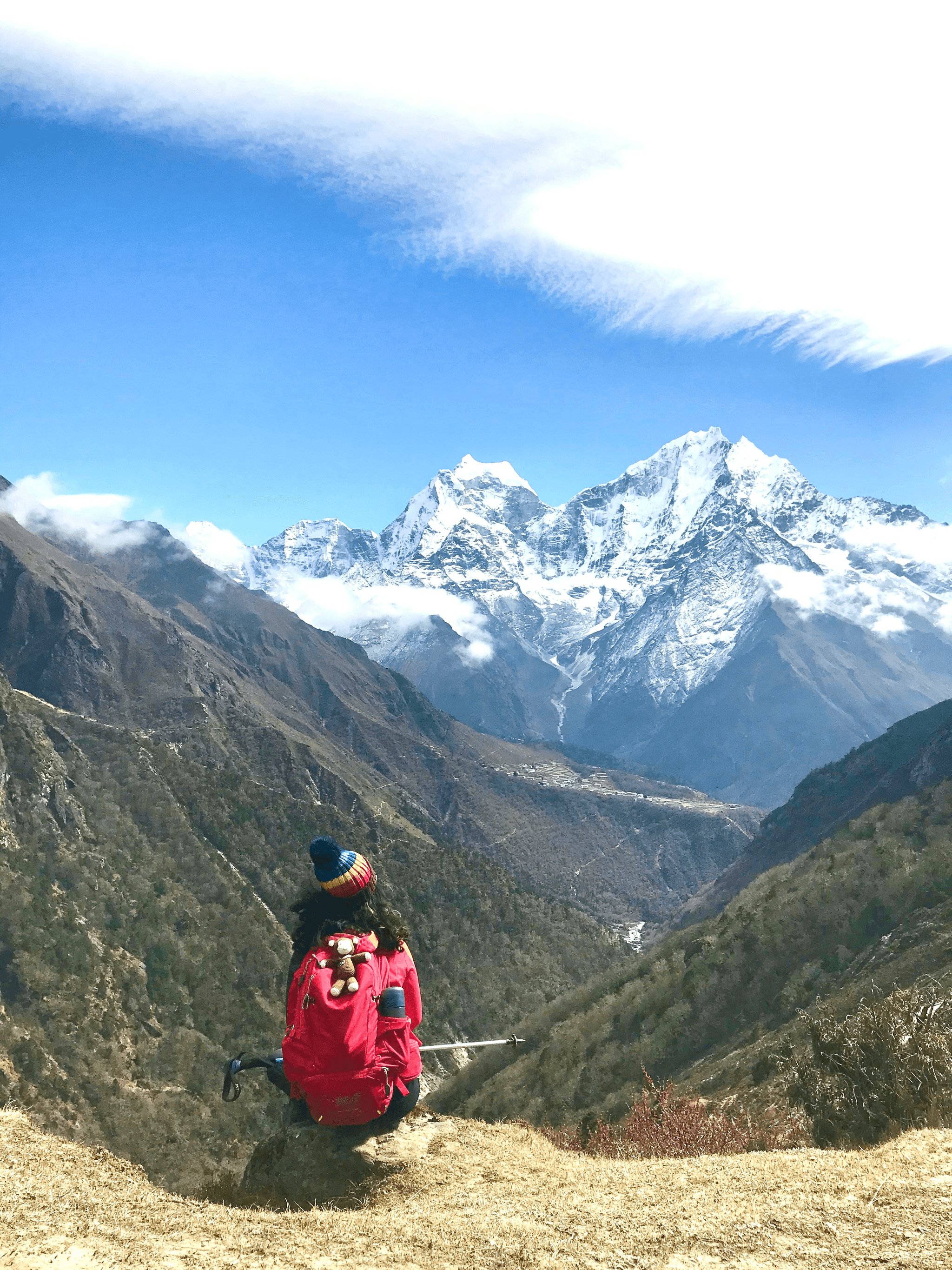
When planning your trek to Everest Base Camp, understanding the monthly weather patterns is crucial. The mount everest weather varies significantly throughout the year, influencing your experience on this iconic journey. Below, we break down what you can expect from January to December, ensuring you’re well-prepared for every step of the way.
January to March: Embrace the Cold
The months from January to March are characterized by frigid temperatures and biting winds at Everest Base Camp. During this period, average temperatures can plummet well below freezing, making it essential to dress appropriately for the cold. While some adventurers might shy away from these conditions, those who embrace the chill often find solitude and breathtaking snowy landscapes—just be aware that snow accumulation raises questions like is there always snow on mount everest?
April to June: Spring Awakening
As spring unfolds from April to June, mount everest base camp weather begins to warm up significantly, making it one of the best times of year to visit Everest Base Camp. Daytime temperatures rise comfortably above freezing, inviting trekkers into a vibrant landscape bursting with flowers and greenery. This season is particularly popular as climbers prepare for ascents; thus, it’s essential to plan ahead and consider factors like trail traffic and accommodation availability.
July to September: Monsoon Challenges
The monsoon season strikes between July and September, presenting unique challenges for those trekking in this time frame. Heavy rainfall can lead to slippery trails and increased risk of landslides—definitely not ideal conditions for trekking! However, if you’re prepared for wet weather and have a flexible itinerary in mind, you may still enjoy fewer crowds while witnessing the lush transformation of the landscape.
October to December: Autumn Glory
From October through December, Everest Base Camp transitions into autumn glory with clear skies and stunning views of surrounding peaks. Temperatures begin cooling again but remain relatively mild compared with winter months; however, trekking during this period requires careful attention as nights can be quite chilly at everest base camp weather stations. This season offers a fantastic opportunity for photography enthusiasts eager to capture dramatic sunsets against a backdrop of snow-capped mountains.
Temperature at Everest Base Camp
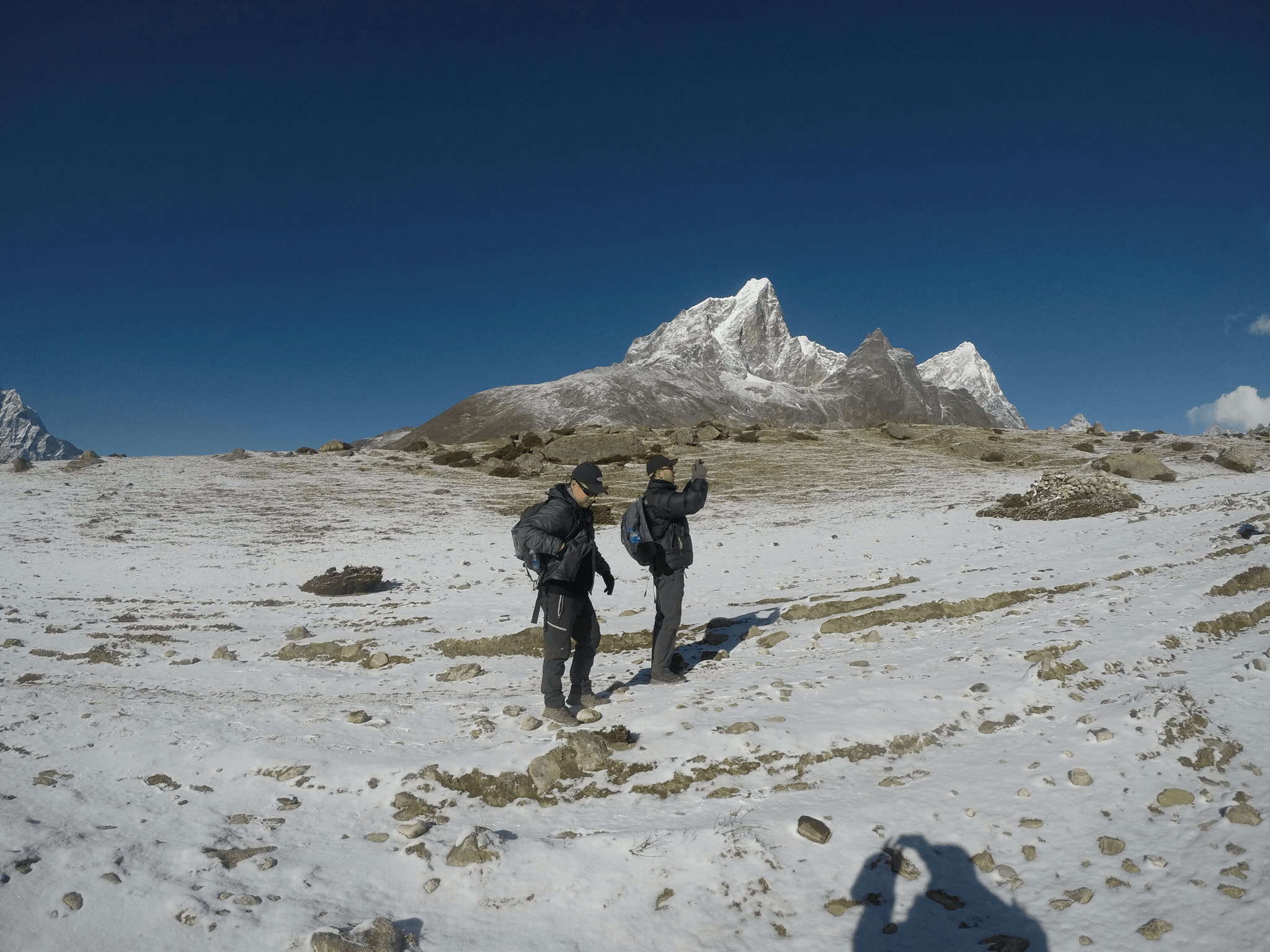
When planning your trek to Everest Base Camp, understanding the temperature at Everest Base Camp is crucial. The weather can fluctuate dramatically due to elevation and seasonal changes, making it essential to prepare accordingly. Knowing how temperatures vary will help you pack wisely and stay comfortable during your journey.
Average Temperature Ranges
The average temperature ranges at Everest Base Camp can be quite extreme, with significant variations throughout the year. In winter months (December through February), temperatures can plummet to as low as -20°C (-4°F) or even lower during cold snaps, while summer months (June through August) see averages around 10°C (50°F). This stark contrast highlights the importance of checking the Everest base camp weather by month when planning your trip.
Day vs. Night Temperatures
One of the most surprising aspects of mount Everest weather is the difference between day and night temperatures. During the day, especially in spring and autumn, you might enjoy pleasant sunshine that warms up the environment; however, as soon as night falls, temperatures can drop significantly—sometimes by more than 15°C (27°F). Trekking enthusiasts need to be prepared for these fluctuations to ensure a comfortable experience throughout their adventure.
Dress for Success: Clothing Recommendations
Dressing appropriately for varying conditions is key when trekking in Mount Everest Base Camp weather. Layering is highly recommended; start with moisture-wicking base layers, followed by insulating mid-layers like fleece or down jackets, topped off with a waterproof outer shell to protect against wind and precipitation. Don’t forget accessories like gloves and hats because even during milder months, nights can be frigid—especially if you’re wondering if there’s always snow on Mount Everest!
Best Time of Year to Visit Everest Base Camp
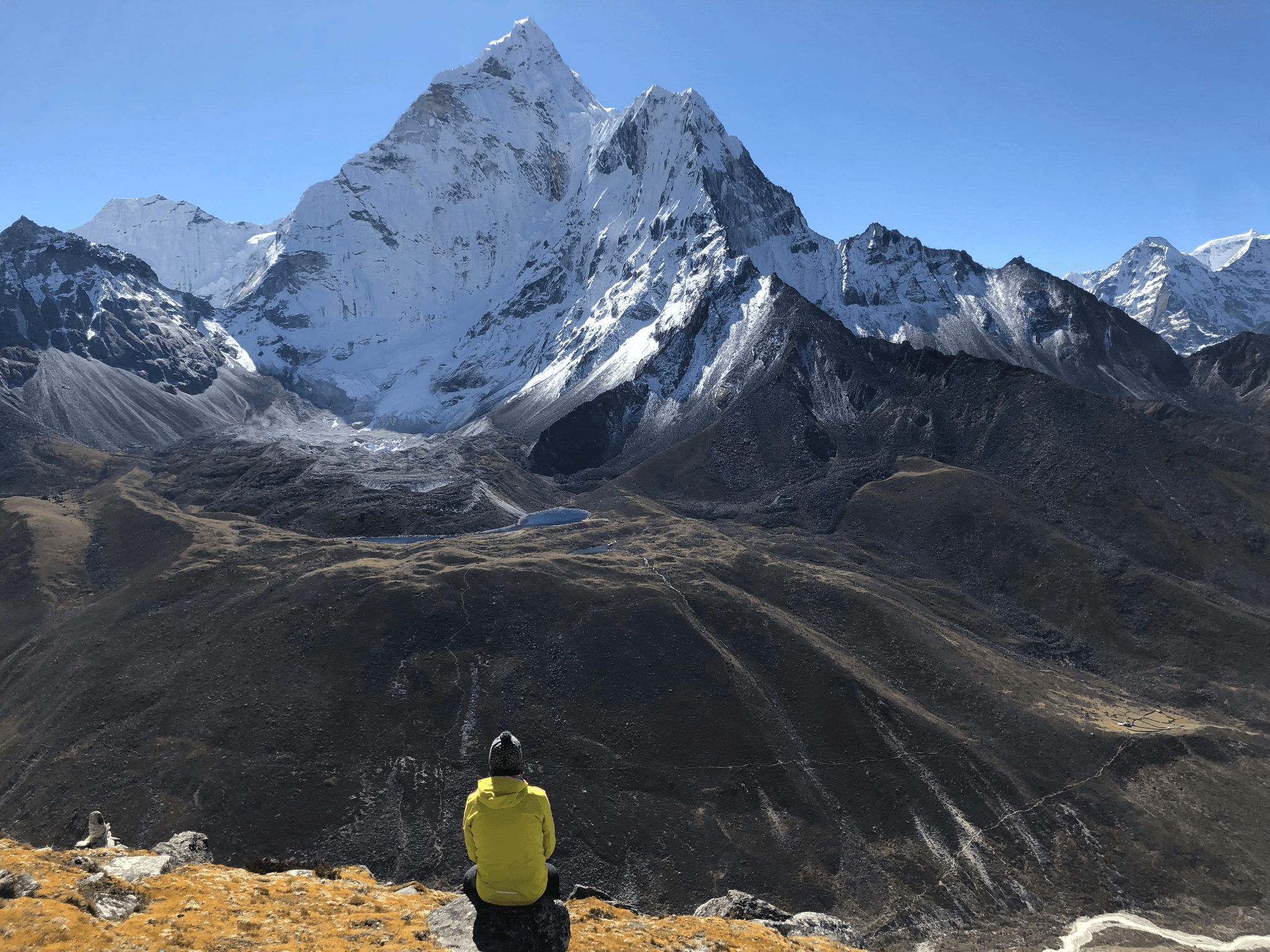
When planning your trek to Everest Base Camp, understanding the mount Everest weather is crucial. The right timing can make all the difference in your experience, from breathtaking views to manageable trekking conditions. So, when is the best time of year to visit Everest Base Camp?
Peak Seasons for Adventure
The peak seasons for adventure at Everest Base Camp are generally in spring (April to June) and autumn (October to November). During these months, trekkers can expect relatively stable mount everest base camp weather with clear skies and moderate temperatures. In contrast, winter brings frigid conditions and heavy snowfall, while the summer monsoon season often leads to rain and poor visibility.
Choosing the right time not only affects your comfort but also enhances your chances of witnessing the majestic beauty of the region. The spring awakening brings vibrant flora and fauna, while autumn glory showcases stunning landscapes painted with rich autumn colors. Both seasons provide an unforgettable backdrop for your trek.
Weather Considerations for Optimal Experience
When considering everest base camp weather by month, it’s essential to account for temperature fluctuations and precipitation patterns that can impact your journey. In spring, daytime temperatures can reach a pleasant range between 10°C to 15°C (50°F to 59°F), while nighttime temperatures can drop significantly—so layering is key! Autumn offers similar temperature ranges but comes with crisp air that invigorates every step.
Additionally, be mindful of how elevation affects temperature at Everest Base Camp; as you ascend higher into the Himalayas, temperatures will drop dramatically. Rainfall during monsoon season can lead to muddy trails and increased risks of landslides—definitely not ideal trekking conditions! Staying informed about everest base camp weather forecasts will help you plan accordingly.
How GuideTibet Can Enhance Your Journey
Navigating the complexities of mount everest weather can be daunting; that’s where GuideTibet comes in! As a locally based Tibet travel agency led by native guides who speak English fluently, they provide invaluable insights into local conditions and cultural nuances that enhance your experience. With their expertise in organizing unique trips tailored specifically for each adventurer’s needs, you’re sure to have an unforgettable journey.
GuideTibet ensures that all logistical aspects are covered—from permits to accommodations—allowing you more time to soak in the breathtaking scenery without worrying about details. They understand how critical it is for trekkers like you to have accurate information on everest base camp weather forecasts so that you’re always prepared for changing conditions on this incredible adventure. Trusting GuideTibet means you’re not just another tourist; you’re part of an authentic exploration led by passionate locals eager to share their culture.
Snow at Mount Everest
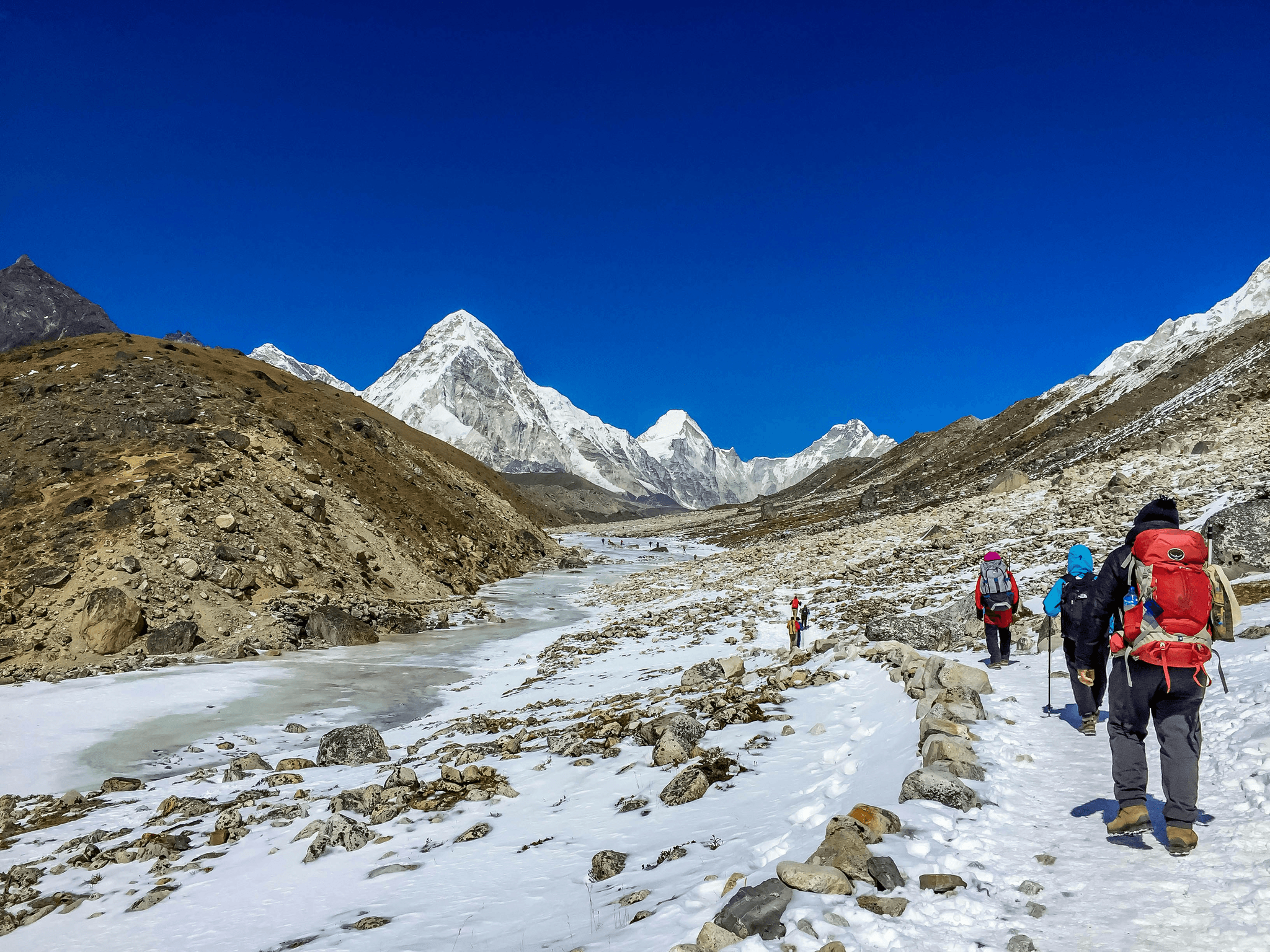
When exploring the majestic heights of Mount Everest, understanding the snow conditions is crucial. The ever-changing mount everest weather can significantly impact your trekking experience, making it essential to know what to expect regarding snow levels and conditions. So, let’s delve into whether there’s always snow on this iconic peak and how it affects your journey.
Is There Always Snow on Mount Everest?
While it might seem like Mount Everest is perpetually blanketed in snow, that’s not entirely true. At lower elevations, particularly around Everest Base Camp, you may find periods where the ground is clear of snow due to warmer temperatures during certain months. However, as you ascend higher into the mountain’s icy realm, especially above 5,000 meters (16,404 feet), you’ll encounter a permanent layer of snow and ice that contributes to the formidable mount everest weather.
The Impact of Snow on Trekking Conditions
Snow can be both a beautiful sight and a challenging obstacle during your trek to Everest Base Camp. Depending on when you visit—especially if you’re considering when is the best time of year to visit Everest Base Camp—you might face varying levels of snowfall that can affect trail conditions significantly. Heavy snowfall can lead to slippery paths or even avalanches in some areas; thus, being aware of everest base camp weather by month will help you prepare accordingly.
Navigating Snowy Terrain Safely
Trekking through snowy terrain requires proper preparation and gear suited for such conditions. Wearing insulated boots with good traction will help keep your footing secure as you navigate potentially treacherous paths covered in fresh powder or ice patches. Additionally, having trekking poles can provide extra stability while traversing snowy areas—essential tools for any adventurer facing the unpredictable nature of mount everest base camp weather.
Everest Base Camp Weather Forecast
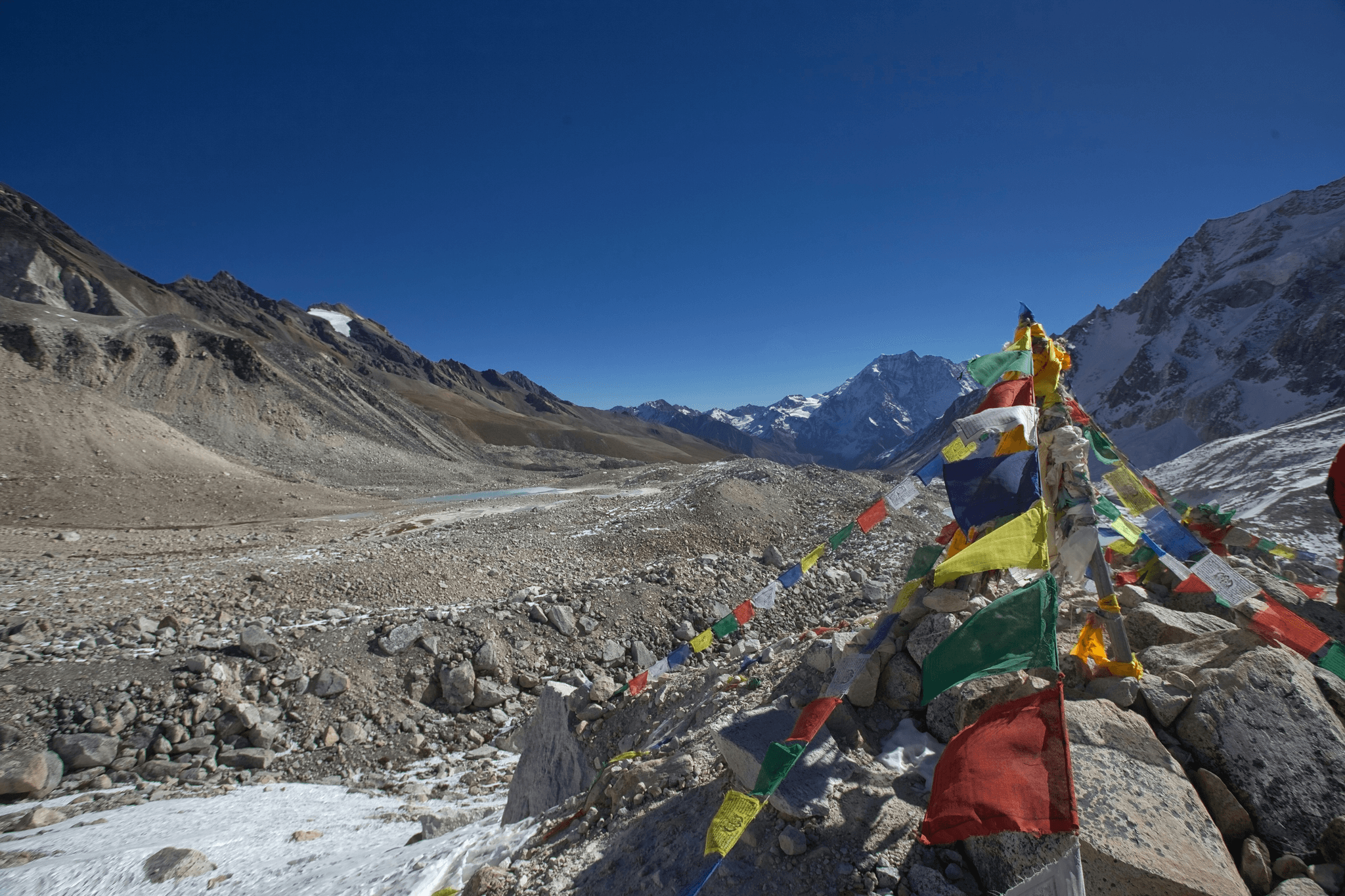
When planning a trek to Everest Base Camp, staying informed about the mount Everest weather is crucial. Accurate forecasts can make the difference between an enjoyable adventure and a challenging experience. Knowing how to check the latest updates will help you prepare for the ever-changing conditions at high altitudes.
How to Check the Latest Forecasts
To get reliable information on Everest Base Camp weather, consider using reputable weather websites or local news channels that specialize in mountain forecasts. Websites like Mountain-Forecast.com provide detailed insights into temperature, wind speed, and precipitation specifically for high-altitude areas like Everest Base Camp. For those wondering, When is the best time of year to visit Everest Base Camp? checking these forecasts regularly will help you identify optimal trekking windows.
Using Weather Apps for Real-Time Updates
In today’s digital age, having a good weather app on your smartphone can be a game-changer when it comes to tracking Everest Base Camp weather by month. Apps such as AccuWeather or Weather Underground offer real-time updates and alerts that can keep you informed about sudden changes in conditions. These tools are especially useful when you’re out on the trail, allowing you to adapt your plans based on immediate temperature at Everest Base Camp fluctuations.
Planning Your Days Based on Weather
Understanding how to plan your days around mount Everest base camp weather can significantly enhance your trekking experience. For instance, if forecasts indicate clear skies and mild temperatures, it’s wise to schedule longer hikes or excursions during those favorable conditions. Conversely, if rain or snow is expected—especially since many travelers ask if is there always snow on mount Everest—it may be best to take shorter walks or focus on acclimatizing while waiting for better weather.
Conclusion
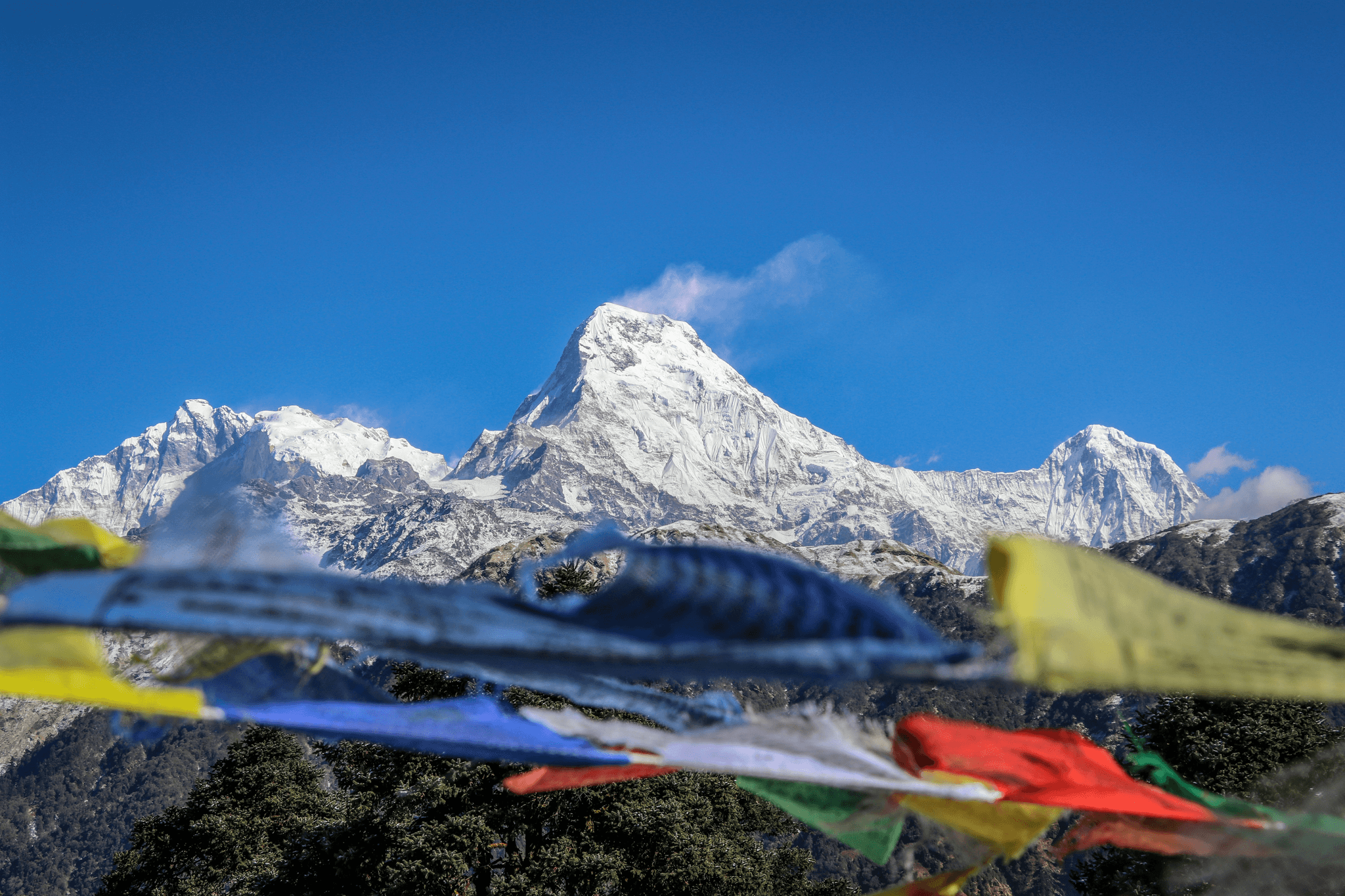
Embarking on a trek to Everest Base Camp is an adventure of a lifetime, but it’s essential to prepare for the unpredictable mount Everest weather. Understanding the various aspects of Everest Base Camp weather, including its unique climate zones and monthly variations, will ensure you’re ready for anything Mother Nature throws your way. With proper planning, you can enhance your experience and make the most of your journey to one of the world’s most iconic destinations.
Preparing for Changing Everest Conditions
The key to a successful trek lies in being adaptable and prepared for changing conditions at high altitudes. The temperature at Everest Base Camp can fluctuate significantly, so packing layers is crucial for comfort during both day and night. Keep in mind that while some months may offer milder temperatures, unexpected snow or rain can still occur; hence, knowing when is the best time of year to visit Everest Base Campcan be a game-changer.
How to Plan Your Trip with GuideTibet
Planning your trip with GuideTibet ensures that you have local expertise guiding you through every step of your adventure. This locally based Tibet travel agency specializes in crafting unique experiences that immerse travelers in the rich culture and breathtaking landscapes surrounding Mount Everest. With their knowledge of Everest Base Camp weather by month, they can help tailor your itinerary for optimal conditions while ensuring you experience authentic Tibetan traditions along the way.
Final Tips for a Successful Everest Trek
As you prepare for your trek, remember that checking the latest Everest base camp weather forecast is vital before setting out each day. Equip yourself with reliable gear designed for cold and snowy conditions; after all, many wonder, Is there always snow on Mount Everest? The answer varies by season but being ready regardless will keep spirits high as you tackle this magnificent journey.
