

The first light of dawn seeps over the snow-capped peaks of Mount Namcha Barwa, casting a golden glow on the wild peach trees below. In Gala Village, the air smells of wood smoke and blooming flowers as Tibetan women hang prayer flags between gnarled branches. This is Nyingchi in spring—a place where the “Roof of the World” trades its winter whites for a sea of pink, and every valley whispers with the magic of 3 million wild peach blossoms. Unlike the delicate blooms of Jiangnan, these flowers stand tall against glaciers and blue skies, creating a landscape that feels both rugged and romantic. Here’s how to experience it like a local.
Where the Wild Peaches Bloom: Best Viewing Spots
The heart of Nyingchi’s peach blossom season lies in three key areas, each offering a distinct vibe. Gala Peach Blossom Village (just 10km from Nyingchi city) is the most accessible, with tree-lined paths that wind past traditional Tibetan houses. I visited on a misty morning in late March, when the flowers were still heavy with dew—local guide Tashi pointed out ancient trees over 100 years old, their trunks twisted like dragons guarding the village. “These trees were here before my grandfather’s time,” he said, brushing a petal from his sleeve. “We don’t plant them; they choose to grow where the mountain gods allow.”
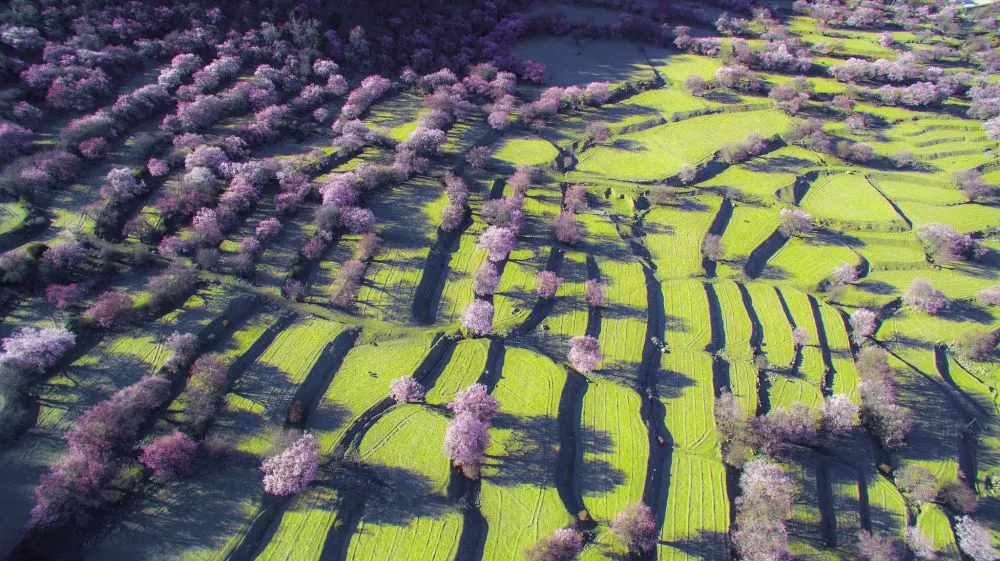
For more dramatic views, head to Suosong Village in Milin County, where peach trees cling to hillsides overlooking the Yarlung Zangbo River. This is the only place in Tibet where you can photograph Mount Namcha Barwa (7,782m) rising directly behind a sea of blossoms—a sight that makes even seasoned photographers gasp. I camped here for two days, waking at 5 a.m. to capture the first light hitting the snow-capped peak while pink petals floated on the river below.
The most adventurous spot is Bomi Peach Blossom Valley, a remote stretch of road where trees grow so densely they form a pink tunnel over the pavement. Local legend says these trees sprouted from seeds dropped by pilgrims traveling to Lhasa centuries ago. Drive slowly here—you’ll want to stop every 500 meters to take photos, and you might even meet Tibetan nomads selling bowls of sweet peach blossom tea from their tents.
Cultural Blooms: Living with the Peach Trees
Spring in Nyingchi isn’t just about flowers—it’s a time when local life revolves around the peach blossoms. In Gongbujiangda County, I joined a family harvesting the first tender leaves of the season, which are dried and brewed into a medicinal tea said to ease altitude sickness. “The tree gives us food, medicine, and beauty,” explained 72-year-old Drolma, whose hands were stained pink from handling petals. “In return, we never cut a living branch unless the monks bless the act first.”
One of the most unexpected experiences was attending a peach blossom blessing ceremony at a small monastery near Bayi Town. Monks chanted while villagers tied colorful khata scarves around tree trunks, asking for a good harvest and protection from hailstorms. Afterward, everyone shared peach blossom tsampa—roasted barley flour mixed with dried petals and butter tea. It tasted nutty and floral, like eating spring itself.
Our Nyingchi Peach Blossom Tour includes these cultural moments, from helping families collect blossoms to learning thangka painting techniques using natural pink dyes made from the flowers.
Timing is Everything: The 2025 Blossom Forecast
- Early bloom: March 15–25 in lower valleys like Gala Village
- Peak bloom: March 25–April 10 across most areas, with Bomi reaching its height around April 5
- Late bloom: April 10–20 in higher elevations near Suosong Village
I’ve learned to check the actual bloom status rather than relying solely on dates. Last year, a late snowstorm pushed peak bloom back by two weeks, but the flowers were larger and brighter than usual. Our team provides real-time updates to tour guests, adjusting itineraries to chase the best blossoms.
A Photographer’s Paradise: Pro Tips
- Golden hour magic: Shoot 1–2 hours after sunrise when the light turns the blossoms pink and the mountains orange. In Suosong Village, position yourself on the east bank of the Yarlung Zangbo for unobstructed views of Namcha Barwa.
- Drone dos and don’ts: Drones capture stunning aerial shots of the “pink tunnels” in Bomi, but avoid flying near monasteries or nomad camps out of respect.
- Local models: Ask permission before photographing Tibetan children in traditional dress—offering a small gift of fruit or candy is a kind gesture.
- Lenses: A 70–200mm lens compresses the layers of blossoms, mountains, and river perfectly.
Avoiding the Crowds: Secret Spots
While Gala Village gets busy, there are quieter alternatives. Nanyi Village (30km from Nyingchi) has fewer tourists and a 500-year-old peach tree locals call “the Grandmother.” Her branches spread 20 meters wide, creating a natural canopy perfect for picnics. I spent an afternoon here with a local family, who taught me how to make peach blossom honey by mixing fresh petals with yak butter.
Another hidden gem is the Lulang Forest Trail, where wild peaches grow alongside pine trees. Hike 3km to a small lake where the blossoms fall like pink rain onto the water—bring bread to feed the wild ducks, who seem to know this is the best spot in spring.
Practical Advice for Blossom Chasers
- Altitude prep: Nyingchi sits at 2,900m (lower than Lhasa), but nearby passes reach 4,000m. Spend 1–2 days in Lhasa first—our Lhasa Acclimatization Tour includes gentle walks to prepare your body.
- Clothing: Mornings are cold (2–5°C) but afternoons warm up (10–15°C). Pack layers, including a windproof jacket for mountain breezes.
- Transport: Roads can be muddy in spring—join our tour for 4×4 vehicles with drivers who know the best detours.
- Ethics: Stay on marked paths, don’t pick blossoms, and ask before entering private orchards.
As I left Nyingchi in early April, the petals were already starting to fall, carpeting the ground like pink snow. An old monk I met in Suosong Village summed it up best: “These flowers teach us that beauty is fleeting, but memory lasts. Come not just to see, but to carry a piece of spring in your heart.”
Whether you’re a photographer chasing the perfect shot, a culture lover seeking authentic interactions, or simply someone who dreams of standing between snow-capped peaks and blooming trees, Nyingchi’s peach blossom season delivers moments you’ll never forget. This spring, let the wild peaches of Tibet show you what magic looks like.


