Introduction
When most travelers dream of Tibet, the image that often comes to mind is the towering silhouette of Mount Everest rising above endless skies. While the world’s highest peak is awe-inspiring year-round, autumn holds a special place for those seeking the ultimate Everest Base Camp (EBC) journey. Between late September and early November, the plateau offers crisp air, clear vistas, and cultural experiences that make this season particularly rewarding.
In this guide, we will explore why autumn is considered the golden time for Everest Base Camp tours, what you can expect along the way, and how to plan your adventure for maximum impact.
Why Autumn is the Best Season for Everest Base Camp
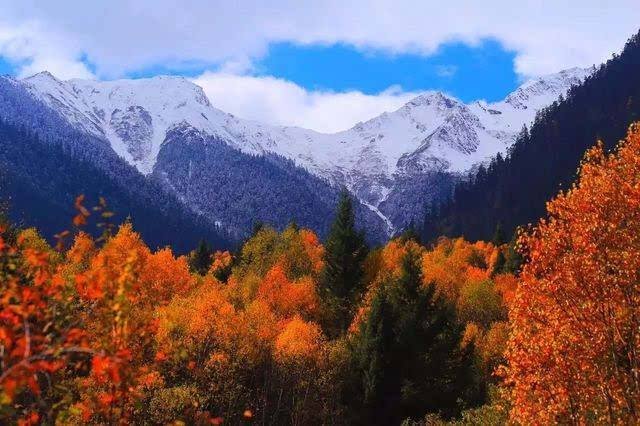
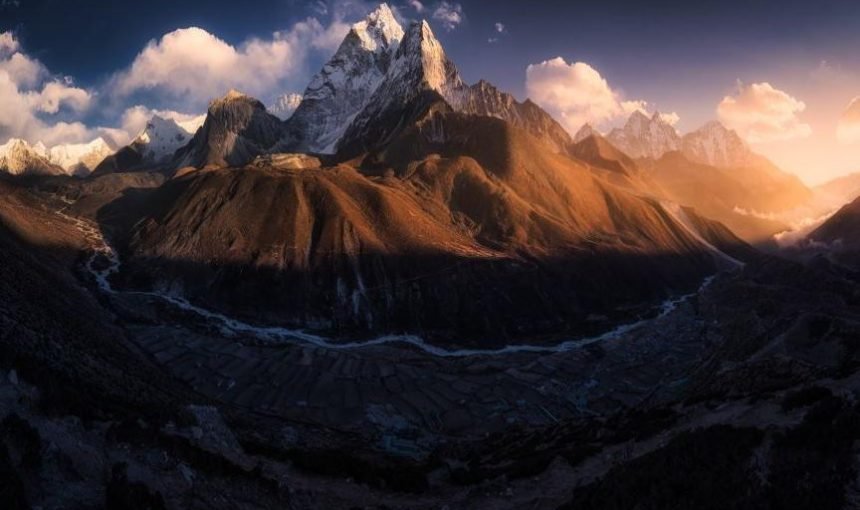
Unlike the rainy summer or the frigid depths of winter, autumn brings balance. The monsoon rains have washed the air clean, leaving crystal-clear skies perfect for photography. Daytime temperatures hover around 10–15°C at lower elevations, while nights are chilly but manageable with proper gear. More importantly, the panoramic visibility of the Himalayas is unmatched—offering some of the year’s best opportunities to witness Everest’s north face in all its majesty.
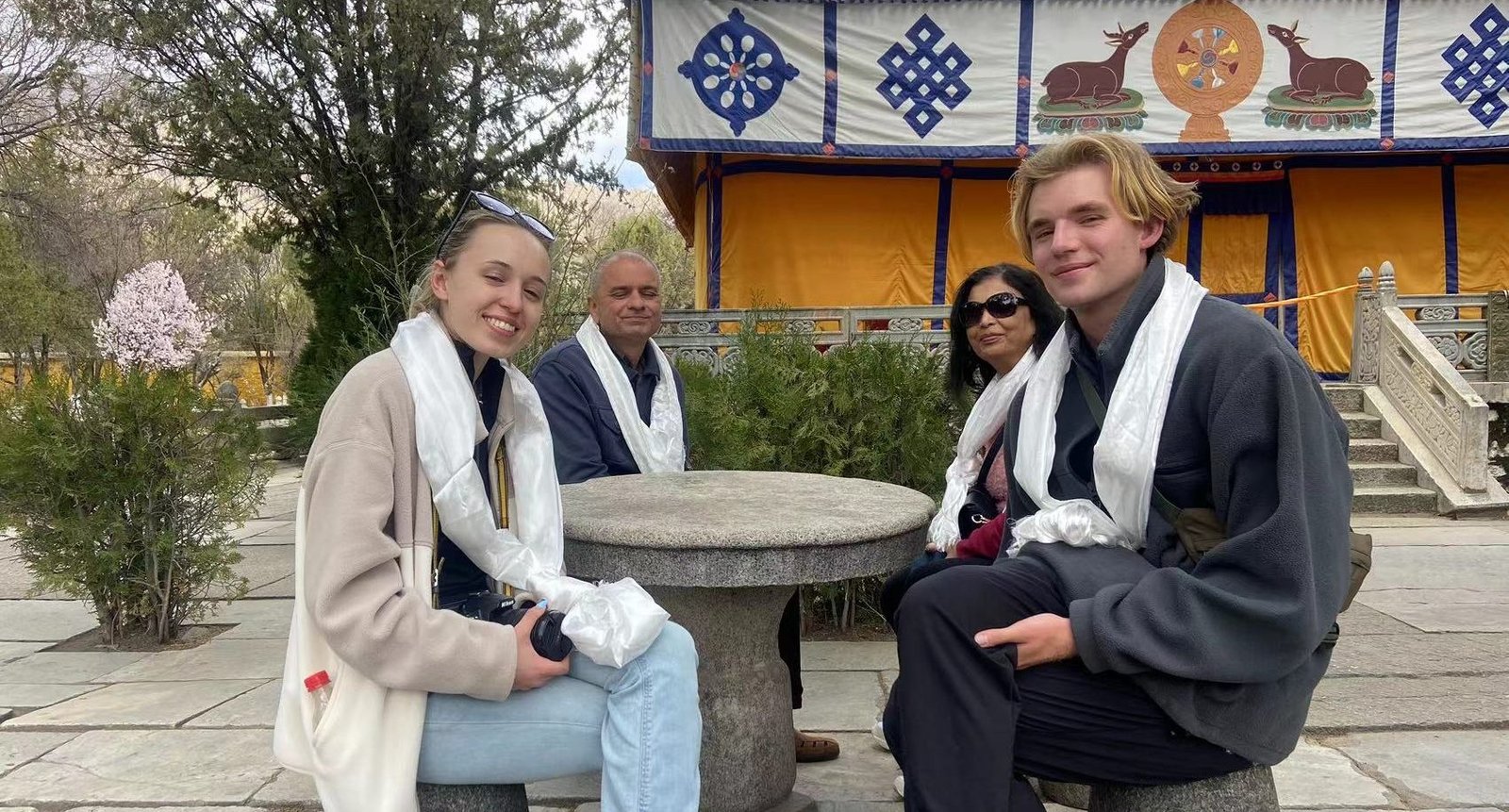
Travelers often combine their trek with cultural experiences such as the Mount Qomolangma Cultural Tourism Festival, which typically takes place in September. This festival merges Tibetan traditions, Sherpa dances, and ecological awareness, adding depth to a journey that is already rich in natural wonder.
The Route to Everest Base Camp from Tibet
Most tours begin in Lhasa, the capital city of Tibet. After exploring iconic landmarks like the Potala Palace and Jokhang Temple, travelers set out across the Friendship Highway. The route to EBC unfolds like a grand narrative of the plateau:
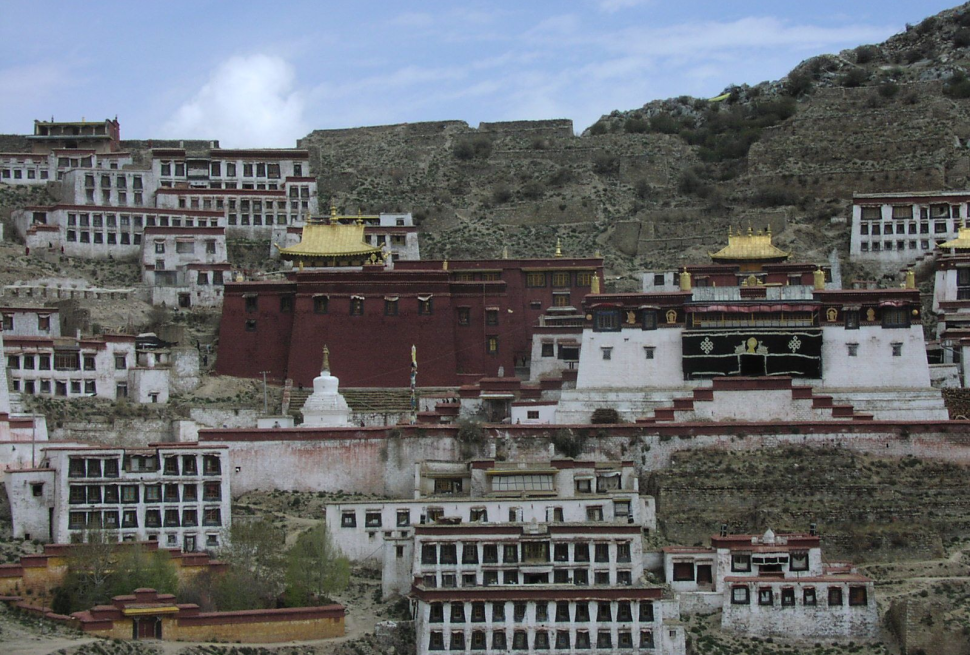
Gyantse and Shigatse – Historic towns known for monasteries, fortresses, and vibrant markets.
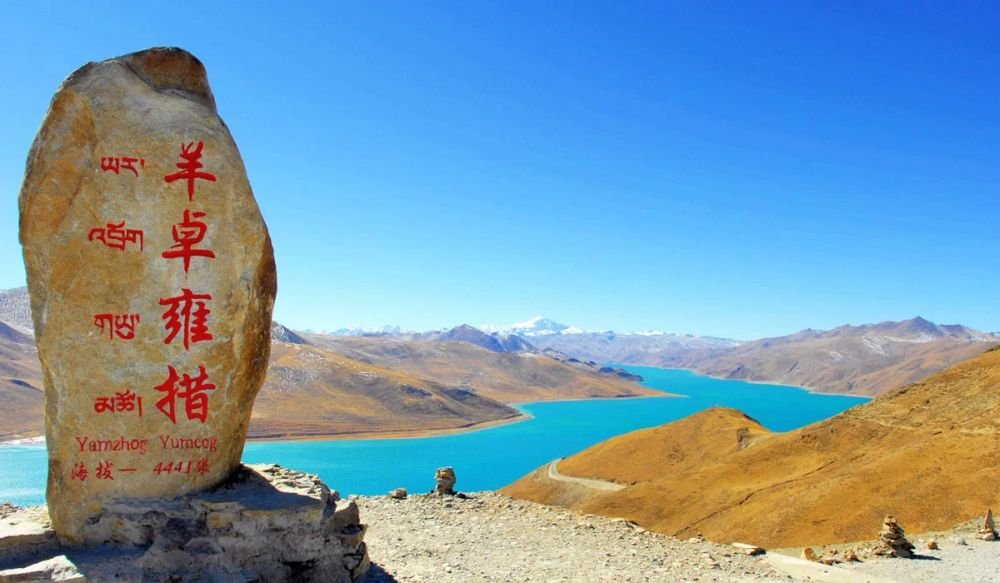
Lake Yamdrok – A turquoise jewel offering spectacular photo stops. Read more on our Lake Yamdrok Tour.
Tingri and Rongbuk Monastery – The last settlements before Everest, where the ancient monastery provides unmatched views of the mountain.
The final stretch leads directly to the Everest Base Camp, located at 5,200 meters above sea level. On clear autumn mornings, the rising sun casts golden light on Everest’s north face—an image many travelers consider the highlight of their journey.
What to Expect Along the Way
1. Spectacular Landscapes
From sweeping valleys and snow-capped peaks to winding rivers and serene alpine meadows, autumn’s dry air and bright skies make every detail vivid.
2. Cultural Encounters
Monasteries like Tashilhunpo in Shigatse welcome visitors with chanting monks and age-old rituals. Autumn festivals also provide rare opportunities to witness Tibetan traditions in their authentic setting.
3. Comfortable Travel Conditions
Roads are generally dry and in good condition, making overland travel smoother compared to the rainy summer. Accommodation at guesthouses and tent camps near EBC is basic but more accessible during this season.
Preparing for Your Autumn EBC Tour

Permits: Foreign travelers require a Tibet Travel Permit and an Alien Travel Permit to reach Everest. Details are available in our Tibet Travel Guide.
Altitude Awareness: Acclimatization is crucial. Spending a couple of nights in Lhasa or Shigatse helps your body adjust before ascending to EBC.
Packing Essentials: Layered clothing, thermal wear, sturdy boots, and a reliable sleeping bag are must-haves. Even in autumn, night temperatures at base camp can drop below freezing.
Photography Gear: Autumn light is crisp and golden, perfect for capturing dramatic shots of Everest and its neighboring peaks like Lhotse and Cho Oyu.
Why Choose Autumn Over Other Seasons
Spring (April–May): Also popular, but can be crowded with mountaineering expeditions.
Summer (June–August): Monsoon clouds often obscure views, though the landscapes are lush.
Winter (December–February): Clear skies but extremely cold, with limited facilities open.
Autumn offers the best compromise: comfortable weather, unobstructed mountain views, and access to cultural events.
Suggested Itinerary for an Autumn EBC Tour
Day 1–2: Arrive in Lhasa, explore Potala Palace and Jokhang Temple.
Day 3–4: Drive to Gyantse and Shigatse, visiting monasteries en route.
Day 5: Journey via Lake Yamdrok to Tingri.
Day 6: Visit Rongbuk Monastery and continue to Everest Base Camp.
Day 7: Sunrise at EBC, return towards Shigatse.
Day 8–9: Return to Lhasa and prepare for departure.
For a more detailed breakdown, see our dedicated Everest Base Camp Tour.
Conclusion
An autumn journey to Everest Base Camp is more than a trip—it is an immersion into the natural splendor and cultural heartbeat of Tibet. The crisp skies, accessible roads, and enriching traditions make this the most rewarding season to stand at the foot of the world’s highest mountain.
If you are planning your adventure, explore our Everest Base Camp Tour options and let us help you craft a journey that balances comfort, culture, and awe-inspiring landscapes.