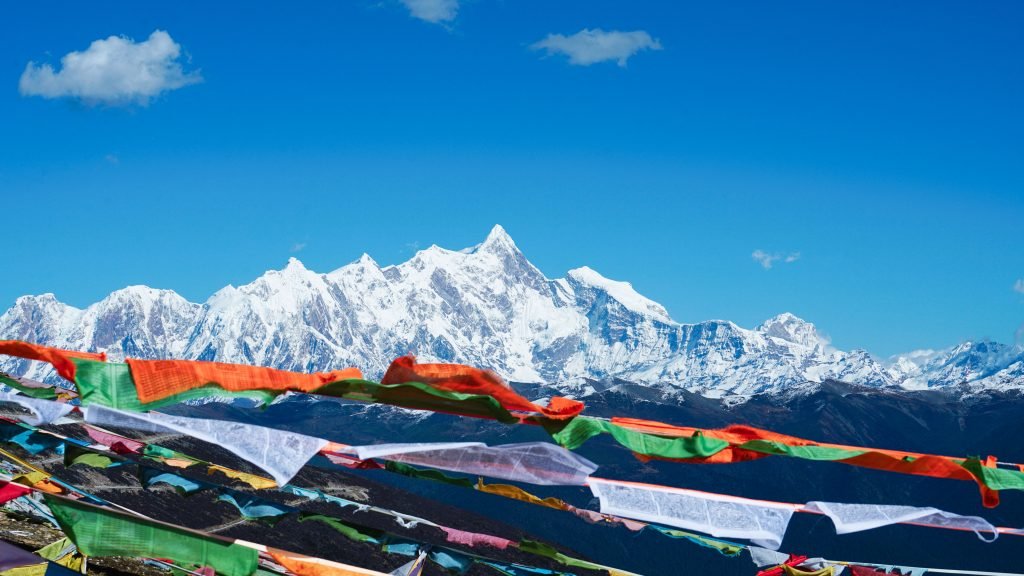
Tibet, often referred to as the “Roof of the World,” is a land that captivates travelers from around the globe. It is a region where breathtaking natural beauty, rich cultural heritage, and unique travel experiences converge, all closely intertwined with the majestic Himalayas.
The Allure of Tibet Tourism
Tibet offers a plethora of tour options for adventurers and culture enthusiasts alike. The Lhasa city tour is a must – for those new to the region. Travelers can visit the iconic Potala Palace, a UNESCO World Heritage Site. Its towering white and red structures stand as a symbol of Tibetan Buddhism and historical grandeur. Inside, one can admire the elaborate murals, precious religious artifacts, and the spiritual ambiance that has endured for centuries.
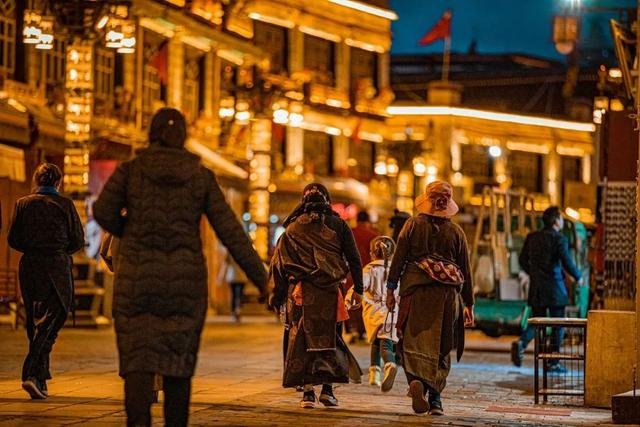
The Barkhor Street, located in the heart of Lhasa, is another highlight. This ancient street is lined with traditional Tibetan shops, offering everything from colorful prayer flags and intricate handicrafts to local Tibetan snacks. As you stroll along, you’ll see pilgrims performing kora, a circumambulatory ritual, adding to the spiritual and cultural charm of the place.
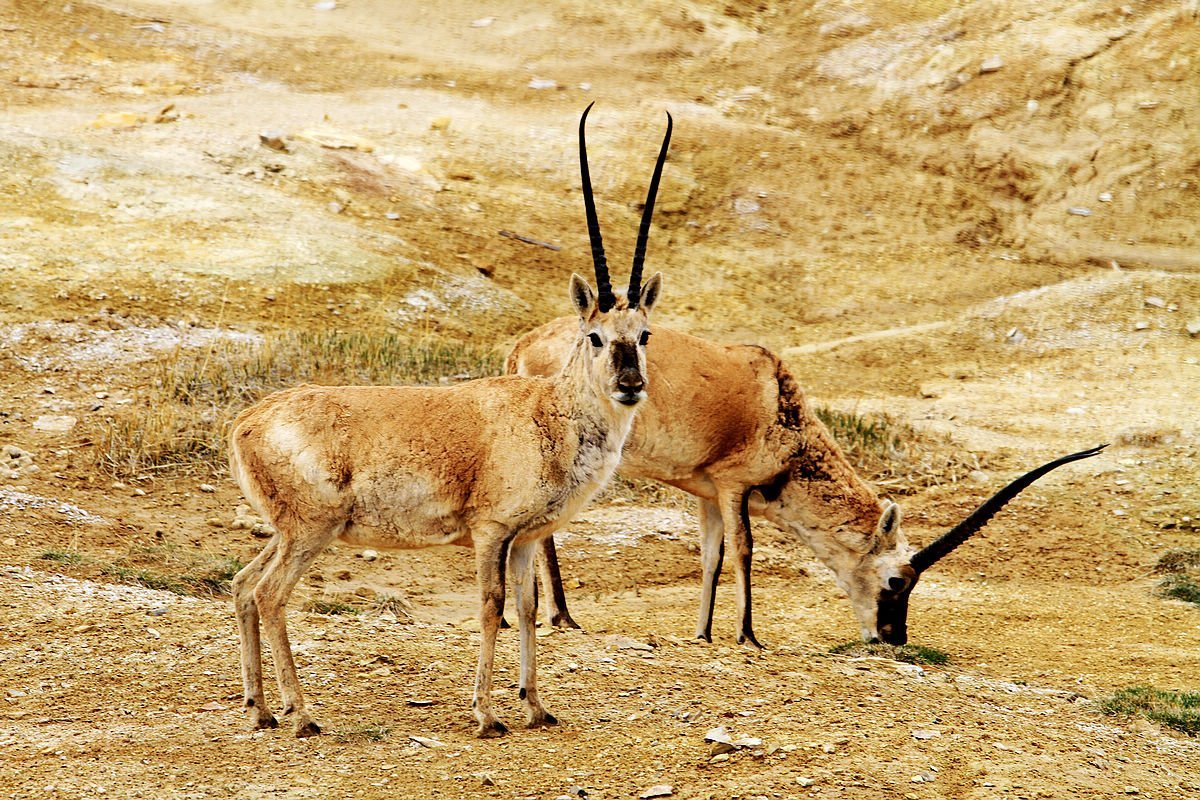
For nature lovers, trekking tours in the Himalayas of Tibet are a dream come true. The Everest Base Camp trek is particularly popular. Trekkers traverse high – altitude trails, getting closer and closer to the world’s highest peak. Along the way, they are treated to stunning views of glaciers, alpine meadows filled with wildflowers during the warmer months, and the unique Himalayan wildlife such as snow leopards and Himalayan tahrs if you are lucky.
The Himalayas: A Backdrop to Tourism
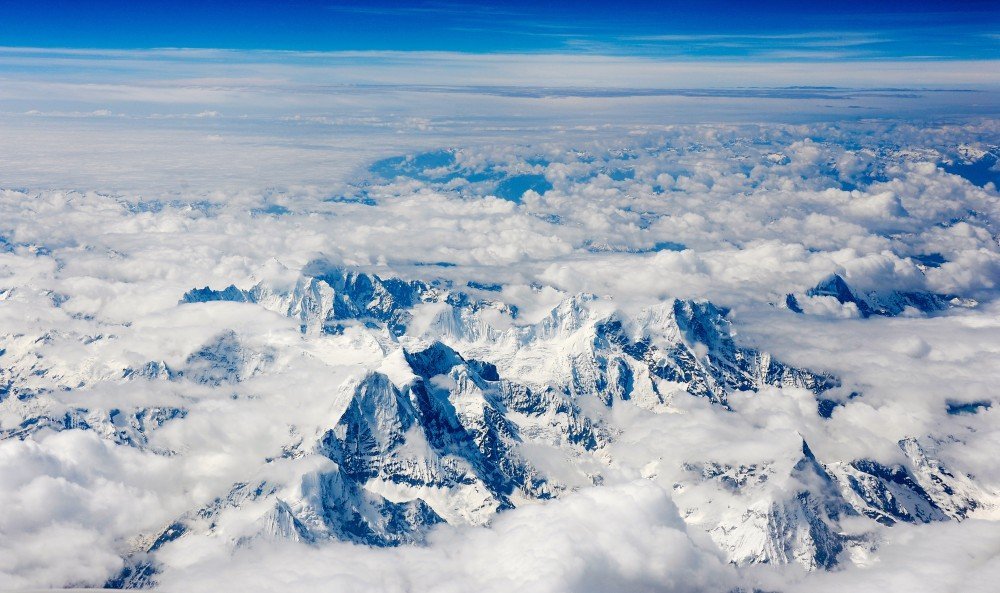
The Himalayas, with their snow – capped peaks reaching towards the sky, are not just a natural wonder but also the backdrop for many of Tibet’s most amazing travel experiences. Mount Everest, the highest peak on Earth, stands as a symbol of the might and grandeur of this mountain range. The monasteries perched on the slopes of the Himalayas add a spiritual and cultural dimension to the natural beauty. Monks in their maroon robes chanting prayers create an atmosphere of tranquility and peace, in harmony with the surrounding natural world, and these monasteries are often included in Tibet tour itineraries.
Earthquakes: A Challenge Amidst Tourism
However, this idyllic region for tourism is not without its challenges. The Himalayas are located in a seismically active zone, making Tibet vulnerable to earthquakes. Earthquakes in this area can have far – reaching consequences for tourism. In the past, earthquakes have damaged many of the historical and tourist – attracting buildings. Traditional structures, not always built to withstand strong tremors, have crumbled easily. This not only affects the local communities but also disrupts tourism. Roads and bridges, essential for transportation of tourists, are damaged, making it difficult for tour operators to run their regular itineraries.
The impact on the environment due to earthquakes also has implications for tourism. Avalanches can be triggered on the snow – covered slopes of the Himalayas, endangering the lives of both locals and tourists. Glaciers may be affected, leading to changes in water flow patterns in the long run, which can impact the overall ecosystem that tourists come to experience.
Resilience and the Future of Tibet Tourism
Despite these challenges, the Tibetan people, together with authorities and international aid organisations, have shown remarkable resilience. After the earthquake, relief efforts began rapidly. Emergency shelters were set up and medical teams were dispatched to treat the injured. In the tourism sector, reconstruction efforts have focused not only on constructing more earthquake-resistant buildings, but also on strengthening the overall seismic capacity of the tourism infrastructure.
New construction techniques are being introduced to ensure that historical sites and tourist accommodations can withstand future seismic activity.
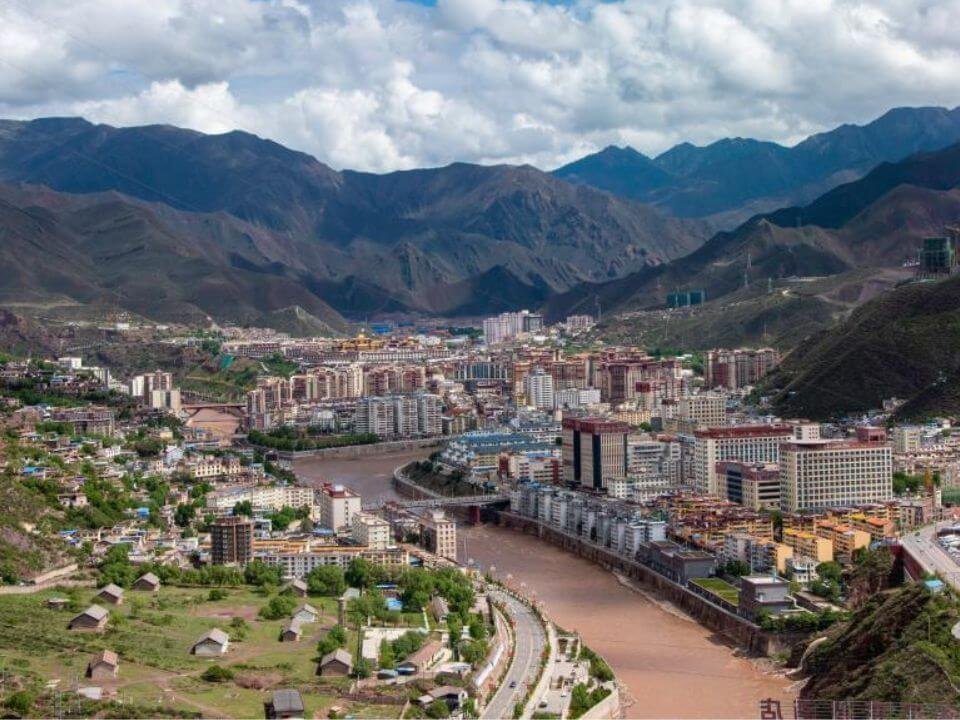
The relationship between Tibet and the Himalayas is a complex and beautiful one. The mountains offer both the gift of natural beauty that attracts tourists from far and wide and the threat of earthquakes. But through it all, the region continues to thrive. Its people adapt to the forces of nature, and the tourism industry evolves, preserving the unique way of life and the allure of this magical part of the world. As we look at Tibet and the Himalayas, we are reminded of the power of nature and the strength of the human spirit, both in the face of adversity and in the pursuit of unforgettable travel experiences. Whether it’s the awe – inspiring views of the Himalayas or the stories of recovery after an earthquake, this region has much to teach us about our planet and ourselves, and it continues to welcome travelers eager to explore its wonders.