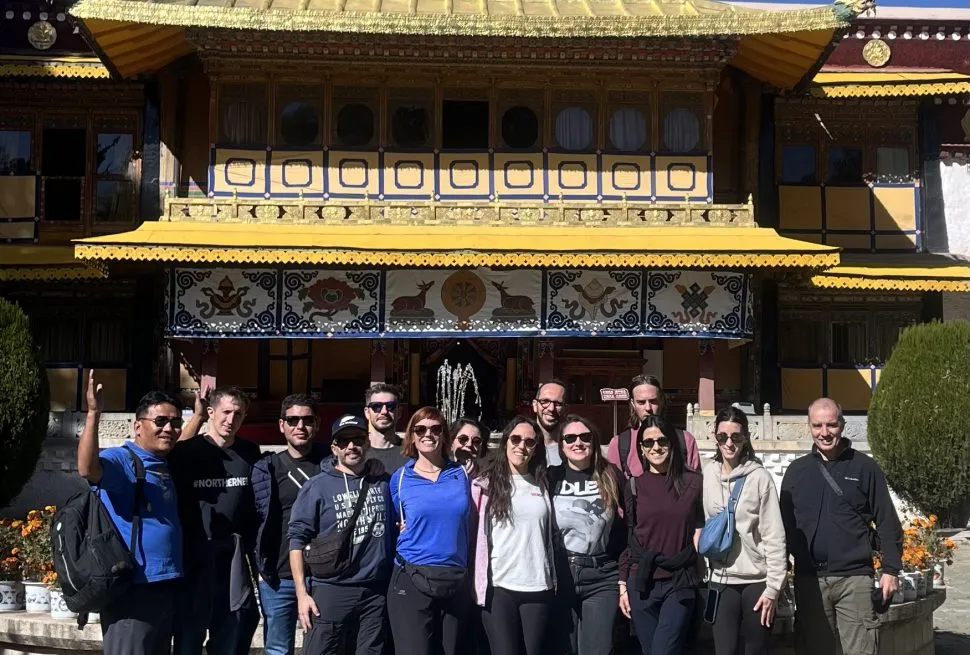
Lhasa, the capital city of the Tibet Autonomous Region in China, is renowned for its high elevation. Situated at an average altitude of about 3,650 meters above sea level, this unique geographical feature endows Lhasa with a series of distinct characteristics that set it apart from other cities around the world.
The high elevation of Lhasa has a profound impact on its geographical environment. The thin air at such altitudes results in intense sunlight and a significant diurnal temperature range. During the day, the sun’s rays are strong, heating up the land rapidly. However, at night, the heat dissipates quickly due to the thin atmosphere, leading to a sharp drop in temperature. This climate pattern has shaped the local ecosystem. Vegetation in Lhasa mainly consists of hardy plants that can withstand the harsh climate conditions, such as certain types of grass and shrubs. The soil, influenced by the cold climate and strong solar radiation, has its own unique composition and properties.
In terms of human life and culture, the elevation has also played a crucial role. The local Tibetan people have adapted to this high – altitude environment over generations. Their traditional lifestyle, including diet and clothing, reflects the influence of the elevation. For example, the staple food, tsampa, is easy to store and provides a lot of energy, which is suitable for the physically demanding life at high altitudes. Their thick, warm clothing helps them endure the cold nights. Tibetan architecture also takes into account the elevation. Buildings often have thick walls to retain heat and are designed to be wind – resistant. The famous Potala Palace, standing on a hill in Lhasa, not only showcases magnificent architecture but also demonstrates how the local people have utilized the terrain at high altitudes to create a grand and functional structure.
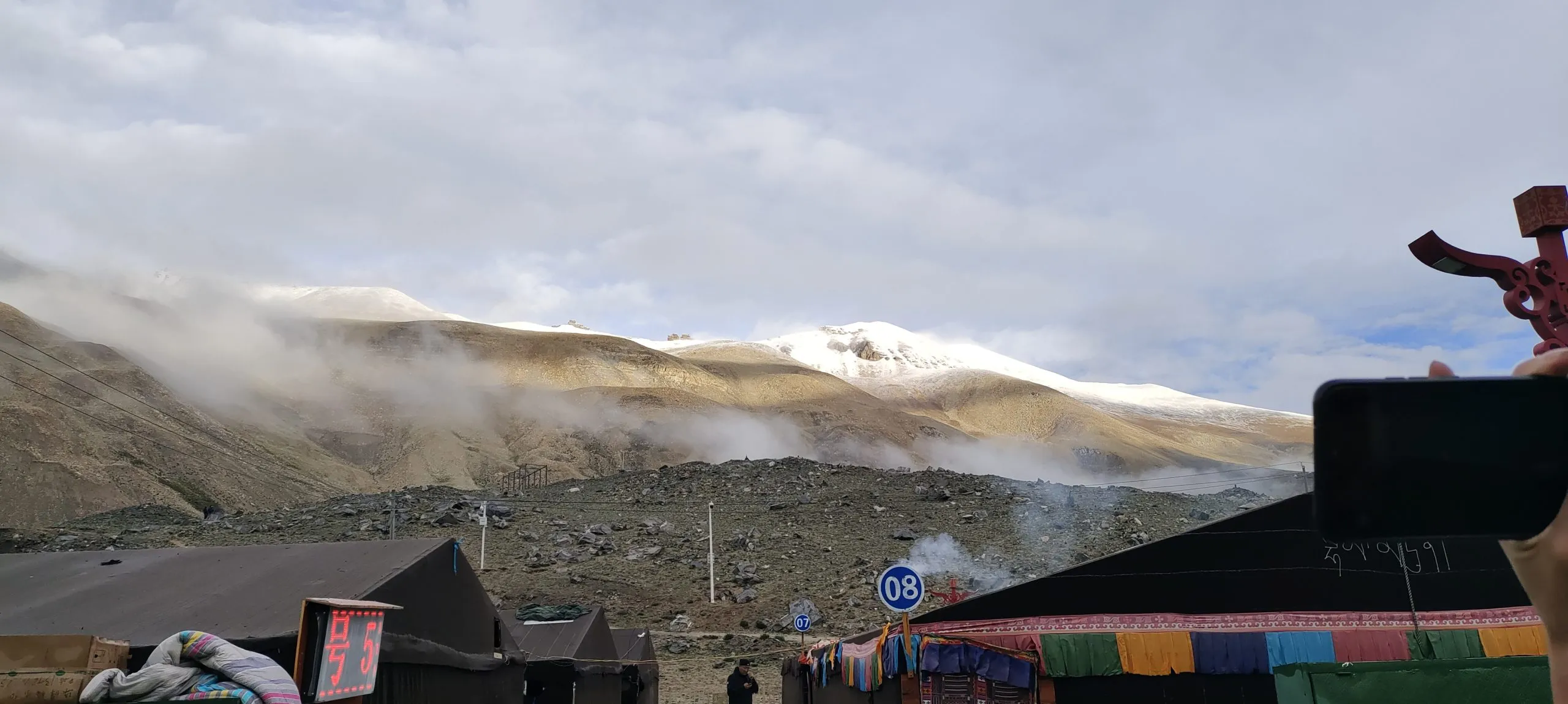
Moreover, the elevation of Lhasa has made it a popular destination for tourists seeking unique experiences. The challenging altitude attracts adventure – lovers who want to test their physical limits. The breathtaking views of the snow – capped mountains in the distance, the clear blue sky, and the unique cultural atmosphere all contribute to Lhasa’s charm. However, the high elevation also means that visitors need to take precautions, such as allowing time for acclimatization to avoid altitude sickness.
In conclusion, the elevation of Lhasa in Tibet is more than just a geographical statistic. It is the key factor that has shaped the city’s environment, culture, and tourism industry, making Lhasa a truly remarkable and fascinating place on the planet.