Introduction
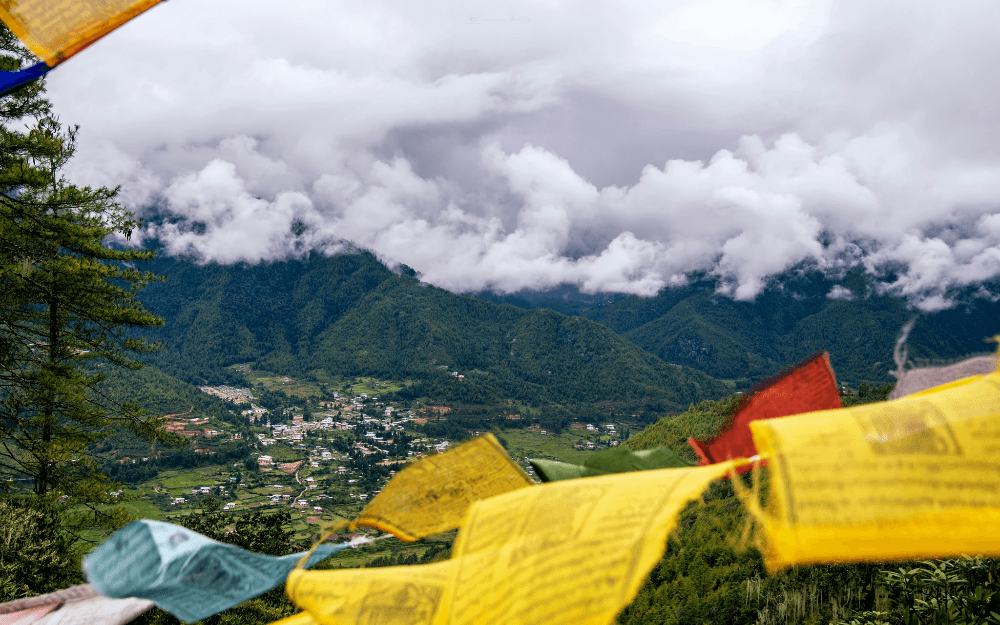
Tibet, a land steeped in mystery and allure, beckons adventurers and seekers alike with its rich cultural tapestry and breathtaking landscapes. Often referred to as the Roof of the World, this enigmatic region is not just a destination; it is an experience that transcends the ordinary. With its unique blend of spirituality, history, and natural beauty, understanding the Tibet map is essential for anyone eager to explore its wonders.
Discovering the Enigma of Tibet
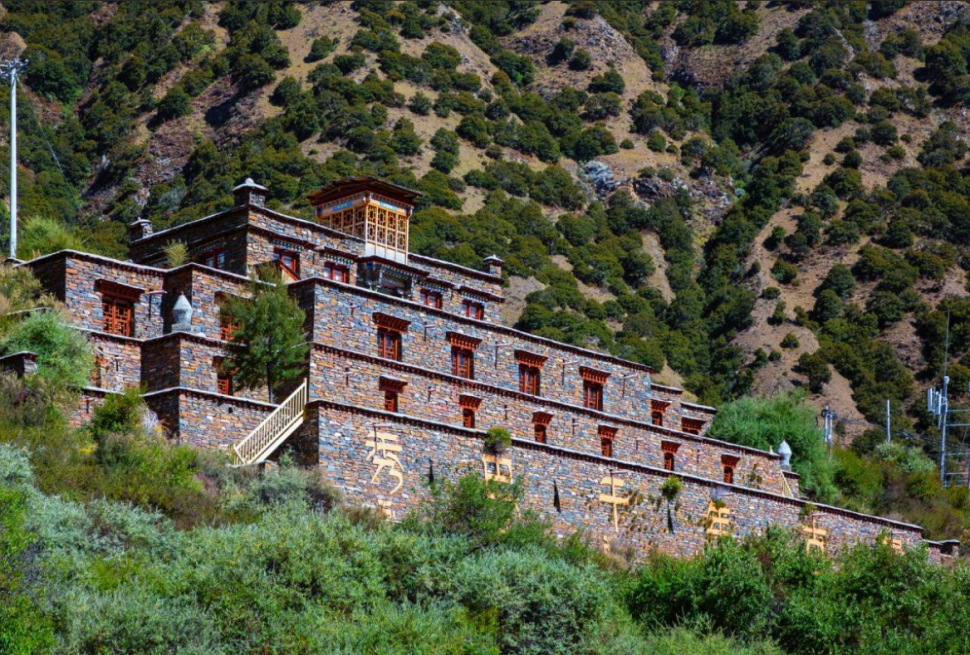
To truly appreciate Tibet, one must delve into its captivating history and vibrant traditions. From ancient monasteries perched on craggy cliffs to bustling markets filled with local crafts, every corner of Tibet offers a glimpse into a world unlike any other. The Tibetan Buddhism map reveals sacred sites that are not only places of worship but also vital threads in the fabric of Tibetan identity.
Navigating the Tibet Map & Highlights
When planning your journey through this remarkable region, familiarizing yourself with the Tibet map & highlights will prove invaluable. Major cities like Lhasa serve as gateways to stunning landscapes and spiritual experiences that define places in Tibet. By pinpointing key locations on both the tibet and nepal map as well as notable landmarks on the Tibetan Buddhism map, travelers can navigate their way through this extraordinary land with ease.
Essential Roadways to Explore Tibet
As you chart your course through this majestic terrain, understanding essential roadways is crucial for a smooth adventure in Tibet. The routes connecting major towns and sacred sites are not just pathways; they are journeys through time that reveal breathtaking scenery at every turn. Whether traveling by vehicle or embarking on foot along ancient trails, knowing these roads will enhance your exploration of places to visit in Tibet while ensuring you don’t miss any hidden gems along the way.
Overview of Tibet’s Geography

Tibet is a land of stunning contrasts and breathtaking landscapes, making it a must-visit destination for adventurers and spiritual seekers alike. Understanding the Tibet map is essential for any traveler looking to explore this enigmatic region, as it reveals the intricate tapestry of its geography. With towering mountains, vast plateaus, and vibrant cultural landmarks, the Tibet map & highlights serve as your guide to uncovering the treasures hidden within this mystical land.
Understanding the Tibet Map
The Tibet map provides an essential framework for navigating this extraordinary region, showcasing its unique topography and cultural landmarks. From the majestic peaks of the Himalayas to serene lakes like Yamdrok Tso, every feature on the map tells a story waiting to be discovered. Familiarizing yourself with the tibet and nepal map will also help you appreciate how these neighboring regions interact culturally and geographically.
When exploring places in Tibet through its map, travelers can pinpoint significant cities such as Lhasa—the spiritual heart of Tibetan Buddhism—and Gyantse, known for its ancient fortresses. Additionally, understanding how to read elevation levels on the tibetan buddhism map can prepare you for high-altitude adventures that await in this breathtaking landscape. The nuances of the Tibet map are not just practical; they enhance your connection with this sacred land.
Major Regions and Landmarks
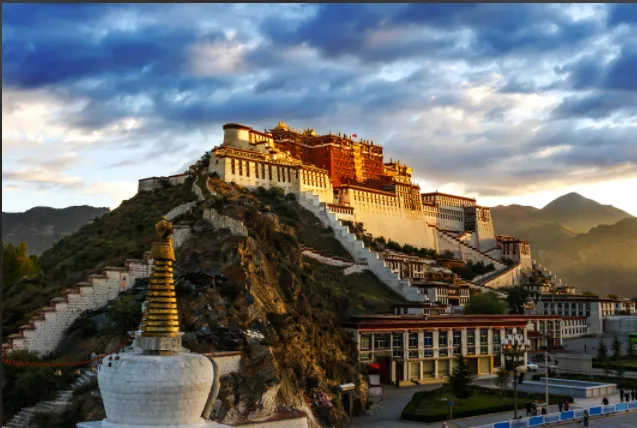
Tibet is divided into several major regions that each offer unique experiences and attractions worth exploring. The Central Tibetan Plateau is home to Lhasa and other crucial sites along with historical landmarks like Potala Palace—a UNESCO World Heritage site that dominates the skyline of Lhasa. Meanwhile, regions like Shigatse boast impressive monasteries such as Tashilhunpo Monastery that are not only architectural marvels but also centers for Tibetan Buddhism.
Other notable places in Tibet include Nyingchi’s lush forests and stunning rivers that contrast sharply against more arid areas like Ngari—home to some of Tibet’s most sacred lakes including Lake Manasarovar. Each landmark on your tibet map reveals layers of history intertwined with natural beauty that beckon travelers from all corners of the globe. From ancient monasteries nestled in rocky cliffs to expansive grasslands dotted with yaks, every region has its own story waiting to unfold.
Unique Natural Features
One cannot discuss Tibetan geography without mentioning its unique natural features that make it stand out on any tibet map or travel itinerary. The region boasts some of the highest peaks in the world—including Mount Everest—which draws adventurers eager to conquer its heights or simply bask in its grandeur from base camp viewpoints. The vast expanses of high-altitude plateaus create dramatic landscapes where nomadic herders roam freely alongside their livestock.
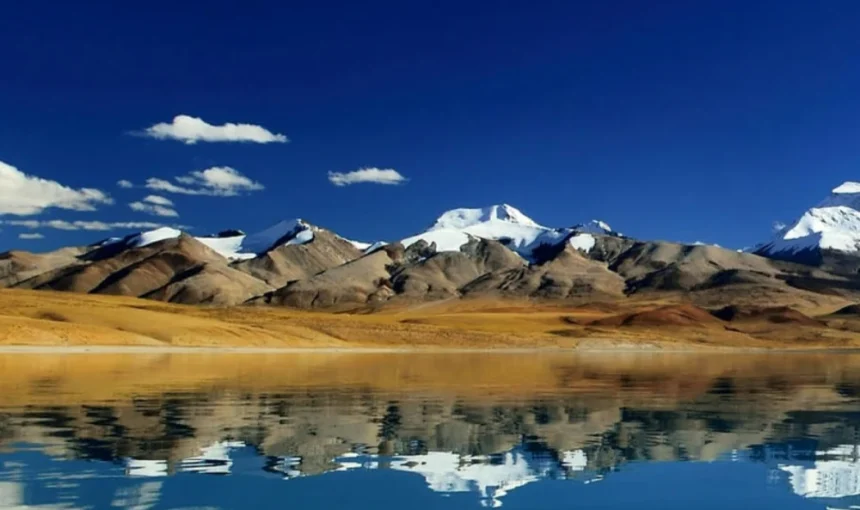
Additionally, lakes such as Yamdrok Tso shimmer like jewels against a backdrop of snow-capped mountains while offering tranquil spots for reflection or meditation—perfectly aligned with Tibetan Buddhist practices found throughout these lands depicted on your tibetan buddhism map. These natural wonders not only enhance your adventure but also provide an opportunity to engage deeply with Tibetan culture through exploration and appreciation.
Key Highlights of Tibet
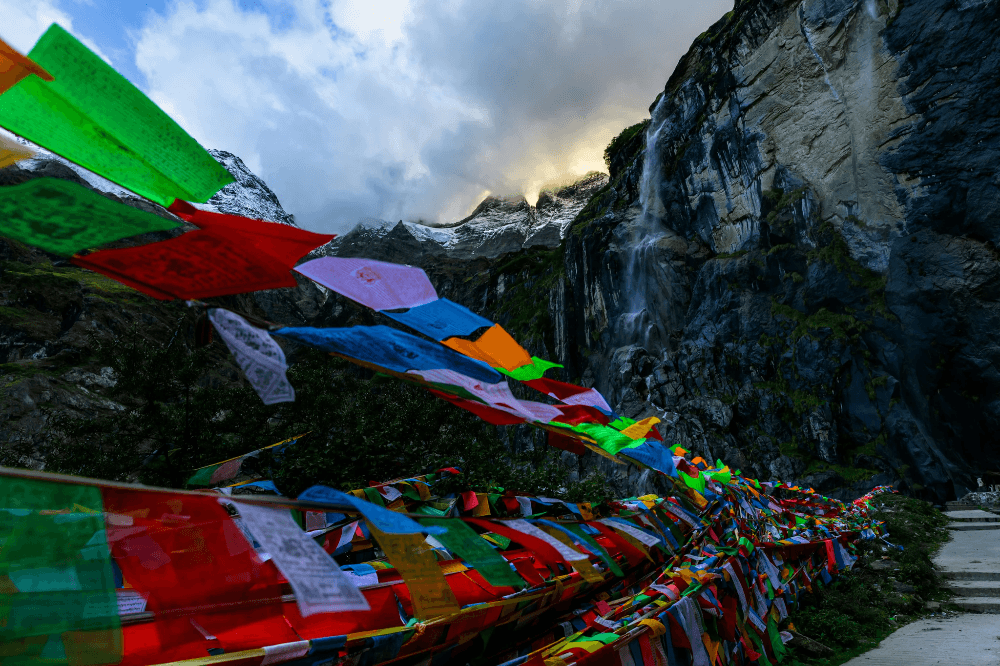
Tibet is a land steeped in mystique and beauty, offering a myriad of experiences that captivate the heart and mind. When you look at the Tibet map & highlights, you’ll find that each region holds its own unique charm and significance. From the towering peaks of the Himalayas to serene monasteries, there are countless places in Tibet that promise unforgettable adventures.
Must-See Places in Tibet
When exploring the tibet and nepal map, several must-see places in Tibet stand out. First on the list is Lhasa, a city that serves as both a cultural hub and spiritual center for Tibetan Buddhism. Other notable locations include Mount Everest Base Camp, where adventurers can marvel at the world’s highest peak, and Namtso Lake, known for its breathtaking turquoise waters surrounded by snow-capped mountains.
Another gem is Shigatse, home to Tashilhunpo Monastery, which offers insights into Tibetan culture and history through its stunning architecture and vibrant atmosphere. For those seeking tranquility amidst nature’s grandeur, Gyantse with its historic fortress provides an ideal backdrop against which to appreciate Tibetan heritage. Each place on your tibetan on map reveals layers of stories waiting to be uncovered.
The Cultural Significance of Lhasa
Lhasa is not just another dot on the tibet map; it’s a vibrant tapestry woven with threads of spirituality, history, and culture. As the capital city of Tibet, Lhasa is home to iconic landmarks such as Potala Palace and Jokhang Temple—both UNESCO World Heritage Sites that exemplify Tibetan architectural brilliance. The cultural significance of Lhasa extends beyond its structures; it embodies centuries-old traditions that continue to thrive today.
Walking through Lhasa feels like stepping back in time; locals engage in traditional practices while pilgrims turn prayer wheels nearby. The bustling Barkhor Street offers an authentic glimpse into daily life where visitors can sample local delicacies or purchase handcrafted souvenirs from vibrant markets. In essence, Lhasa encapsulates what makes Tibet so special—a harmonious blend of spirituality and community.
Sacred Sites along the Tibetan Buddhism Map
The Tibetan Buddhism map reveals numerous sacred sites pivotal to understanding this unique spiritual tradition. Among them are revered monasteries like Sera Monastery in Lhasa known for its lively debates among monks on Buddhist philosophy—an experience unlike any other! Then there’s Ganden Monastery perched high above the valley; it’s not only visually stunning but also historically significant as one of the main seats of Gelugpa Buddhism.
Further afield lies Kumbum Stupa in Gyantse—a remarkable pilgrimage site adorned with intricate murals depicting Buddhist teachings across multiple levels. These sacred sites serve as both destinations for travelers seeking enlightenment and spaces for locals practicing their faith diligently every day. While exploring these places along your journey through Tibet’s sacred landscape, you’ll discover how deeply intertwined religion is with daily life here.
Roads to Tibet: Routes and Travel Tips
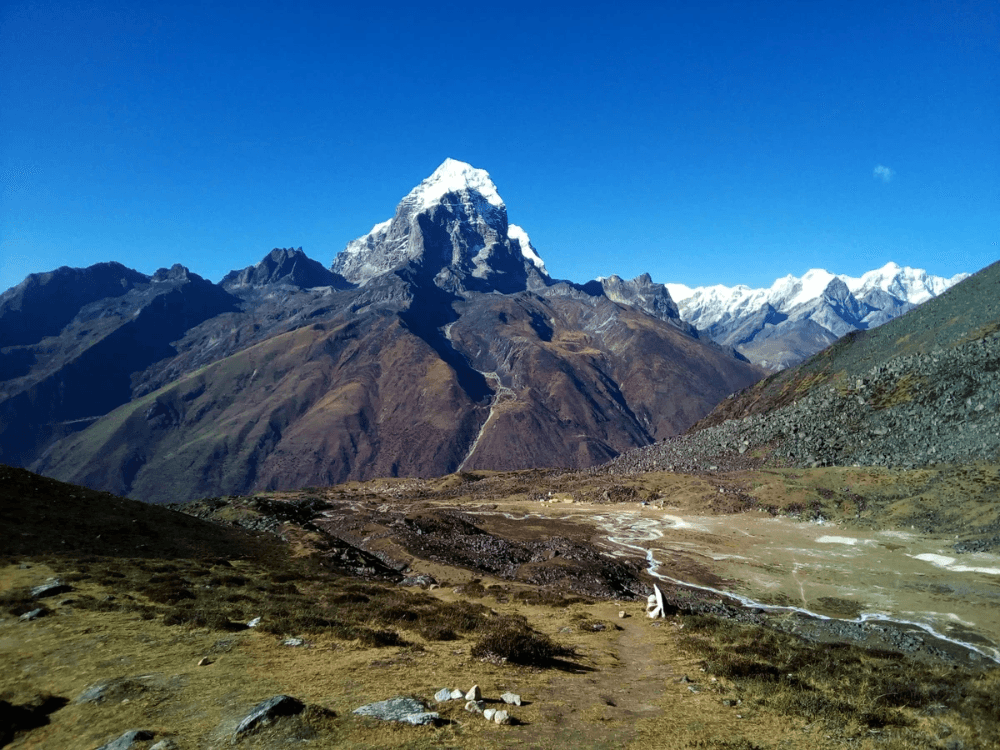
Traveling to Tibet is an adventure filled with breathtaking landscapes and rich cultural experiences. The routes you choose can significantly influence your journey, offering unique glimpses into the diverse environment of this mystical region. Understanding the best access points, road conditions, and ideal travel times will ensure a memorable trip to this enchanting land.
Popular Access Routes from Nepal
One of the most popular ways to enter Tibet is through Nepal, particularly via the Friendship Highway that connects Kathmandu to Lhasa. This route offers stunning views of the Himalayas, making it a favorite among travelers looking at both the tibet and nepal map for optimal paths. Along this journey, you’ll encounter various places in Tibet that showcase its natural beauty and cultural depth, setting the stage for an unforgettable experience.
Another alternative is crossing through Zhangmu (Kodari), which provides a more direct route but comes with its own set of challenges due to altitude and weather conditions. Travelers should be prepared for winding roads and potential delays as they navigate this scenic pathway on their tibetan buddhism map adventure. Regardless of your chosen route, each access point brings you closer to discovering the highlights of Tibetan culture.
Essential Road Conditions to Consider
When planning your trip using the Tibet map & highlights, it’s crucial to consider road conditions that can vary dramatically depending on weather and seasonality. Many roads in mountainous regions may be affected by landslides or snow during winter months, so staying informed about current conditions is essential for safety. Travelers should also keep in mind that some remote areas may require off-road vehicles or special permits—an important note when plotting your course on a tibetan on map.
Additionally, while major highways are generally well-maintained, smaller roads leading to specific places in Tibet might be less reliable; thus having a flexible itinerary can save you from unexpected detours or delays. Ensure your vehicle is equipped for high-altitude travel as well since driving at elevation can present unique challenges not found elsewhere. Preparing adequately will allow you to enjoy all those stunning vistas without worry!
Best Times to Travel to Tibet
The best times for traveling in Tibet largely depend on what you want out of your experience; spring (April-May) and autumn (September-October) are often recommended for pleasant weather and clear skies—perfect conditions for appreciating all those striking landscapes marked on your tibet map! Summer months can bring monsoon rains but also offer vibrant greenery across valleys; just be ready with waterproof gear if you’re venturing out during this time.
Winter may deter some travelers due to harsh cold temperatures but offers a serene beauty that few get to witness—think snow-capped mountains against crisp blue skies! Pilgrimage sites become less crowded during these months too; making it easier for visitors wanting deeper insights into Tibetan Buddhism culture as they explore sacred locations highlighted on their tibetan buddhism map. Ultimately, choosing when you visit depends on personal preferences but planning ahead will enhance your overall adventure!
Exploring Tibetan Buddhism
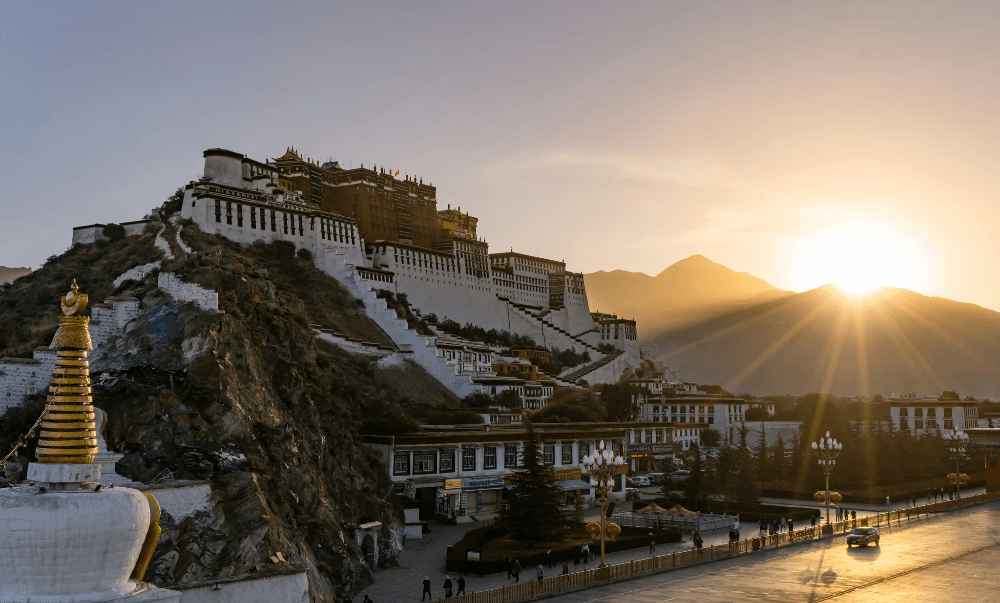
Tibetan Buddhism is a profound and intricate part of Tibet’s cultural fabric, deeply woven into the landscape and daily life of its people. The Tibet map reveals not only the physical terrain but also the spiritual journey that countless pilgrims undertake each year. As you explore the Tibet map & highlights, you’ll discover key locations that are significant to both locals and visitors alike.
Key Locations on the Tibetan Buddhism Map
When examining the Tibetan Buddhism map, several key locations stand out as essential pilgrimage sites. Lhasa, often referred to as the heart of Tibetan culture, is home to iconic landmarks like the Potala Palace and Jokhang Temple. Other notable places in Tibet include Shigatse with its Tashilhunpo Monastery and Gyantse featuring the stunning Kumbum Stupa—each a testament to the region’s rich spiritual heritage.
In addition to these urban centers, remote monasteries scattered across mountainous terrains offer a glimpse into monastic life. The serenity of these sacred sites can be found on any tibet and nepal map, showcasing how deeply interconnected geography and spirituality are in this region. For those eager to experience authentic Tibetan Buddhism firsthand, these locations are must-visit places in Tibet.
Famous Monasteries and Their Importance
The monasteries of Tibet serve as vital hubs for spiritual practice, education, and community life within Tibetan Buddhism. Notable monasteries like Sera Monastery in Lhasa are famous for their lively debates among monks over Buddhist philosophy—an experience unlike any other you’ll find on your travels through Tibet. Each monastery has its own unique history and significance; for instance, Ganden Monastery is revered as one of the original seats of Gelugpa teachings.
Visiting these famous monasteries allows travelers not only to admire their architectural beauty but also to engage with living traditions that have persisted for centuries despite political upheaval. Many visitors find themselves captivated by both the tranquil atmosphere and vibrant rituals that define these sacred spaces—a true highlight when consulting your Tibet map & highlights for planning your journey. Whether you’re interested in art or spirituality, each monastery offers rich insights into Tibetan culture.
The Role of Pilgrimage in Tibetan Culture
Pilgrimage holds a central place in Tibetan culture; it’s more than just a journey—it’s a profound act of devotion that connects individuals with their faith and community. Many pilgrims traverse long distances along designated routes marked on tibetan buddhism maps while circumambulating sacred sites such as Mount Kailash or Jokhang Temple in Lhasa. This practice reflects an enduring belief system where physical movement serves not just as exercise but as an opportunity for spiritual growth.
The importance of pilgrimage cannot be overstated; it reinforces communal bonds among pilgrims who share similar beliefs while fostering respect for nature’s beauty along their paths through rugged terrains depicted on tibet maps. Observing this tradition provides insight into how deeply rooted spirituality influences daily life—a compelling reason why many travelers seek out places to visit in Tibet beyond mere sightseeing adventures. Engaging with local practices during your travels can lead to transformative experiences that enrich understanding of this ancient culture.
Authentic Experiences in Tibet
Tibet is a land steeped in rich traditions and vibrant culture, offering visitors an opportunity to experience authentic Tibetan life. From engaging with local customs to exploring unique art forms, the experiences are as diverse as the landscapes depicted on the Tibet map & highlights. As travelers navigate their journey through this mystical region, they will find that each encounter adds depth to their understanding of Tibetan identity.
Engaging with Local Traditions
One of the most rewarding aspects of visiting Tibet is engaging with local traditions that have been preserved for centuries. Festivals such as Losar, the Tibetan New Year, are celebrated with colorful parades and traditional music, bringing communities together in joyous revelry. Travelers can also participate in rituals at sacred sites highlighted on the Tibetan Buddhism map, gaining insight into the spiritual practices that shape daily life in places like Lhasa.
In rural areas, visitors have opportunities to witness time-honored customs such as butter tea preparation or traditional yak herding. These experiences not only showcase the resilience of Tibetan culture but also foster meaningful connections between travelers and locals. By immersing themselves in these traditions, visitors truly appreciate why Tibet holds such a special place on both the Tibet and Nepal map.
Exploring Ancient Mineral Paintings
Tibet’s artistic heritage is profoundly influenced by its natural surroundings, particularly through ancient mineral paintings that adorn monasteries and temples across the region. These intricate artworks often utilize locally sourced minerals to create vivid colors that stand out against stone walls—a testament to both skill and spirituality reflected on any Tibet map one might consult. The stunning murals tell stories of Buddhist teachings and historical events unique to this mountainous enclave.
Visitors can take guided tours through renowned sites like Jokhang Temple or Sera Monastery to admire these masterpieces up close while learning about their significance within Tibetan Buddhism. Art enthusiasts will find themselves captivated by how these paintings communicate profound philosophical concepts through visual storytelling. Such exploration not only enriches one’s appreciation for places in Tibet but also highlights a unique aspect of Tibetan culture often overshadowed by its more prominent landmarks.
Unique Crafts and Traditional Medicine
In addition to its breathtaking landscapes and spiritual heritage, Tibet boasts a rich tradition of crafts that reflect its cultural identity—perfectly illustrated on any comprehensive tibet map you might find! From handwoven carpets featuring intricate patterns to exquisite thangka paintings depicting Buddhist deities, these crafts are created using techniques passed down through generations. Engaging with local artisans provides insight into their meticulous processes while supporting sustainable livelihoods within communities.
Traditional medicine is another fascinating aspect of Tibetan culture worth exploring during your travels; it combines herbal remedies with ancient philosophies aimed at achieving balance within the body and mind—an approach deeply rooted in both spirituality and practicality found across various places to visit in Tibet. Visitors can attend workshops or consult practitioners who share knowledge about herbal treatments derived from native plants found only in this high-altitude environment.
By experiencing these authentic elements firsthand, travelers gain a deeper understanding of how interconnectedness shapes life here—making every moment spent engaging with local traditions feel all the more meaningful.
Conclusion

Tibet is a land of ancient mysteries and breathtaking landscapes, beckoning travelers to explore its hidden treasures. With the Tibet map & highlights in hand, you can navigate through this enchanting region with confidence. From the majestic peaks of the Himalayas to the serene monasteries dotting the landscape, your journey through Tibet promises unforgettable experiences.
Navigating Your Journey with GuideTibet
When planning your trip, GuideTibet serves as an invaluable resource to help you traverse the intricate pathways on the Tibet map. Their expertise ensures that you won’t miss any significant sites or cultural experiences along your route. Whether you’re interested in exploring sacred sites on the Tibetan Buddhism map or uncovering local traditions, GuideTibet will tailor your adventure to match your interests.
Unforgettable Places to Visit in Tibet
The list of places in Tibet is nothing short of extraordinary; from Lhasa’s Potala Palace to Mount Everest Base Camp, each destination has its unique allure. The Tibetan Buddhism map reveals numerous sacred sites that are essential stops for those seeking spiritual enrichment and cultural understanding. Don’t forget to include lesser-known gems like Yamdrok Lake and Namtso Lake, which showcase nature’s beauty and tranquility.
Plan Your Adventure: Tibet Awaits!
With so many captivating places to visit in Tibet, it’s time to start planning your adventure! Utilize resources like the tibet and nepal map for a comprehensive view of this stunning region and its surroundings. Embrace the spirit of exploration as you embark on a journey filled with awe-inspiring landscapes and rich cultural heritage—Tibet truly awaits!