Introduction

Lhasa, the heart of Tibet, is a city steeped in history and spirituality, where ancient traditions meet breathtaking landscapes. Nestled at an altitude of over 3,600 meters, it offers a unique blend of cultural richness and natural beauty that captivates travelers from around the globe. If you’re wondering where Lhasa is located or if Tibet is worth visiting, let me assure you: this enchanting city has countless things to do in Lhasa that will leave you spellbound.
Discovering the Magic of Lhasa
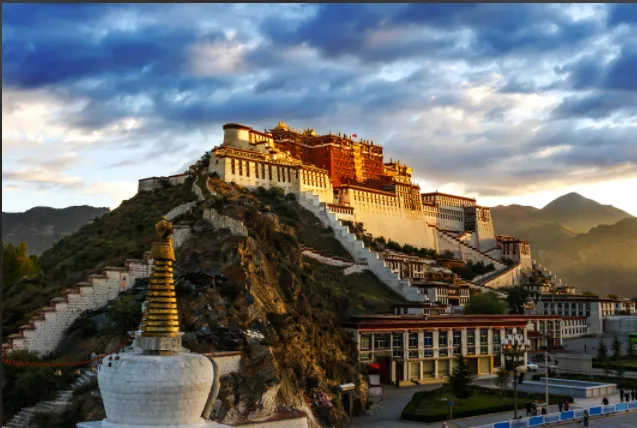
As you step into Lhasa, you’ll be greeted by the majestic Potala Palace rising against the backdrop of snow-capped mountains—a sight that feels almost otherworldly. The vibrant streets are alive with locals and pilgrims alike, creating an atmosphere filled with devotion and warmth. From exploring ancient monasteries to wandering through bustling markets, there’s no shortage of Tibet things to do that will immerse you in this magical land.
Essential Tips for First-Time Visitors
For those embarking on their first Lhasa travel adventure, preparation is key to making the most out of your journey. Understanding local customs and acclimatizing to the altitude can significantly enhance your experience—after all, nothing dampens excitement like altitude sickness! Whether you’re looking for must-see attractions or local delicacies to savor, having a solid plan will ensure your time in Lhasa is both memorable and fulfilling.
Maximizing Your Lhasa Travel Experience
To truly maximize your visit to this extraordinary city, consider engaging with local guides who can provide invaluable insights into Tibetan culture and history. They can help navigate not just the key attractions but also hidden gems off the beaten path—perfect for those seeking authentic experiences! With so many things to do in Lhasa waiting for you, every moment spent here will be a treasure trove of discovery.
Respect the Local Culture
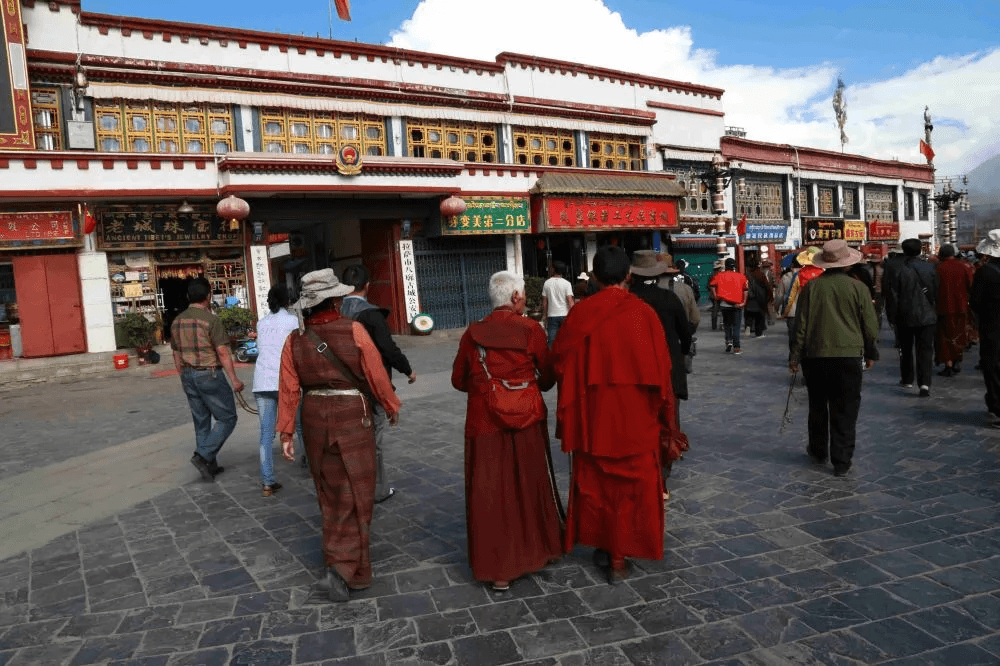
When embarking on your Lhasa travel adventure, it’s crucial to respect the rich cultural heritage of Tibet. Understanding local traditions not only enhances your experience but also fosters goodwill with the residents. In a place like Lhasa, where spirituality and community life intertwine, being culturally aware opens doors to deeper connections and unforgettable memories.
Understanding Tibetan Traditions
Tibetan culture is steeped in history and spirituality, making it one of the most fascinating aspects of things to do in Lhasa. From colorful festivals to intricate rituals, each tradition tells a story that reflects the resilience and creativity of its people. Whether you’re witnessing a vibrant dance during Losar (Tibetan New Year) or observing locals engaging in prayer at Jokhang Temple, immersing yourself in these customs will enrich your understanding of why many ask, Is Tibet worth visiting?
Customs in Sacred Spaces
Lhasa is home to numerous sacred spaces that require visitors to be mindful of local customs. When entering temples or monasteries, it’s essential to follow specific protocols such as removing shoes and dressing modestly. Additionally, always walk clockwise around religious structures like stupas and pay attention to any signs indicating areas where photography might be restricted—these small gestures go a long way in showing respect for the spiritual significance these places hold.
Interaction with Monks and Locals
Engaging with monks and locals can be one of the most rewarding experiences during your visit; however, knowing how to approach them is key! Many monks are open to sharing their insights about Tibetan Buddhism if you approach them respectfully and with genuine curiosity. Similarly, when interacting with locals on bustling streets or during market visits, a simple smile or greeting can foster meaningful exchanges—after all, these interactions often lead you to discover unique Tibet things to do that aren’t listed in any guidebook!
Acclimatize to the Altitude

Visiting Lhasa is like stepping into another world, but before you can fully enjoy the breathtaking views and rich culture, your body needs to adjust to the high elevation. Lhasa sits at an impressive altitude of about 3,650 meters (11,975 feet), which can pose challenges for many travelers. To make the most of your Lhasa travel experience, it’s crucial to acclimatize properly.
Health Tips for High Elevations
To avoid feeling under the weather while exploring Tibet, take it easy during your first few days in Lhasa. Engage in light activities and give your body time to adjust; this means avoiding strenuous things to do in Lhasa right off the bat. Eating a balanced diet rich in carbohydrates can help provide energy while also aiding acclimatization—think hearty Tibetan noodles or momos!
Additionally, consider using medications that help with altitude sickness prevention if you’re particularly sensitive or have had issues before. Always consult with a healthcare professional before traveling; they can offer personalized advice tailored to your health needs. Finally, listen to your body: if you feel unwell or overly fatigued, take a break and allow yourself some downtime.
Symptoms of Altitude Sickness
Altitude sickness can sneak up on even the most seasoned travelers when visiting high-altitude destinations like Lhasa. Common symptoms include headaches, dizziness, nausea, and shortness of breath—definitely not what you want when you’re excited about all the Tibet things to do! Keep an eye out for these signs as they often appear within hours after arriving at high elevations.
If you experience any symptoms of altitude sickness that don’t subside with rest or hydration, it’s essential to seek medical attention promptly. Ignoring these symptoms could lead to more severe conditions like High Altitude Pulmonary Edema (HAPE) or High Altitude Cerebral Edema (HACE), which are serious and require immediate care. Remember that prioritizing your health allows you more time and energy for exploring everything that makes Lhasa so special!
Importance of Hydration
Staying hydrated is key when navigating Lhasa’s stunning landscapes at high altitudes—your body loses fluids faster than you might realize! The dry air combined with increased physical exertion makes it easy to become dehydrated quickly; aim for at least two liters of water daily while enjoying all those amazing things to do in Lhasa! Herbal teas are also a great way to keep hydrated while immersing yourself in local culture.
When you’re properly hydrated, you’ll find that it helps alleviate some mild symptoms associated with altitude sickness as well as keeps your energy levels up during sightseeing adventures. Carry a reusable water bottle with you during your explorations so you always have access—plus it’s eco-friendly! So go ahead and sip away; hydration is one secret weapon for making sure your Tibet adventure is nothing short of unforgettable.
Navigate Lhasa’s Key Attractions
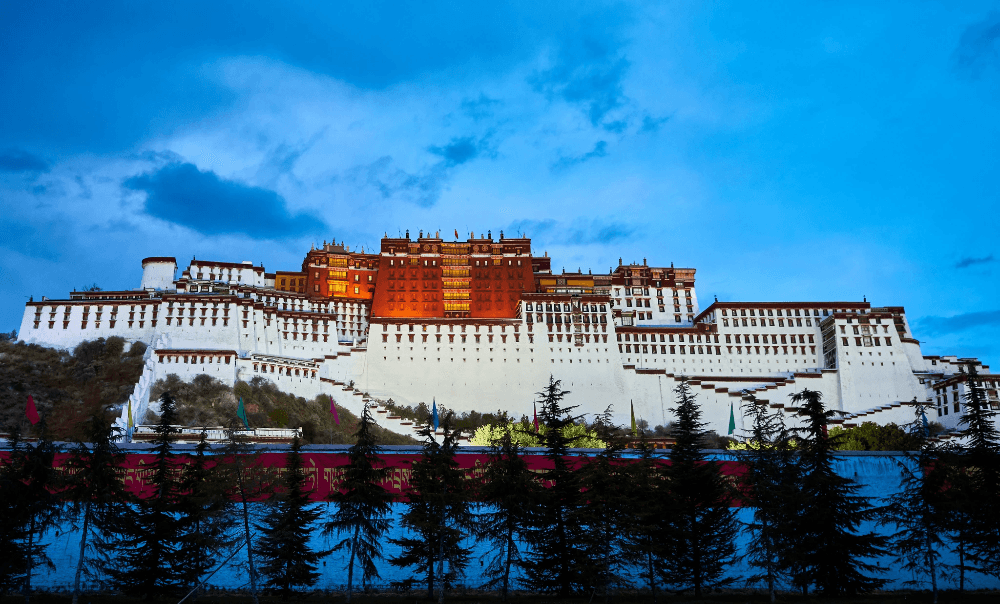
Lhasa, the heart of Tibet, is a treasure trove of cultural wonders and breathtaking landscapes. When planning your Lhasa travel itinerary, it’s essential to know the must-visit sites that will make your trip unforgettable. From ancient monasteries to vibrant markets, there are countless things to do in Lhasa that cater to every type of traveler.
Must-Visit Sites in Lhasa
Begin your journey at the iconic Jokhang Temple, a UNESCO World Heritage Site that draws pilgrims from all corners of Tibet. The temple’s intricate architecture and spiritual atmosphere make it a must-see for anyone asking themselves if Tibet is worth visiting. Don’t forget to stroll through Barkhor Street nearby, where you can immerse yourself in local culture while shopping for unique souvenirs and enjoying street performances—definitely one of the top Tibet things to do!
Another highlight is Sera Monastery, famous for its lively debates among monks—a sight that showcases Tibetan Buddhism’s intellectual vigor. This vibrant scene offers an authentic glimpse into monastic life and spirituality in Lhasa. Lastly, make time for Norbulingka Park, the summer palace of the Dalai Lamas; its beautiful gardens provide a peaceful escape amidst your busy sightseeing schedule.
Exploring Potala Palace
No visit to Lhasa would be complete without exploring Potala Palace, an architectural marvel that dominates the skyline with its majestic presence. Once the winter residence of the Dalai Lama, this UNESCO World Heritage Site offers stunning views and rich history—truly one of those things to do in Lhasa that you can’t miss! As you ascend its many staircases, be prepared for awe-inspiring murals and intricate carvings that narrate centuries of Tibetan culture.
Inside Potala Palace, you’ll find sacred chapels filled with statues and relics that reflect Tibetan Buddhism’s deep roots. Don’t rush through; take your time absorbing each room’s significance as you learn about its historical context—this is where history truly comes alive! Be sure to capture some photos from the balconies overlooking Lhasa; they’re perfect reminders of why Tibet is worth visiting.
Sample Tibet Things to Do
Beyond historical sites, there are plenty more Tibet things to do during your stay in Lhasa! Consider embarking on a guided tour through local neighborhoods where you can engage with residents while learning about their daily lives and traditions—a fantastic way to enhance your travel experience! Alternatively, if you’re seeking adventure amid stunning landscapes, don’t miss out on trekking opportunities just outside city limits.
For those who enjoy art and craftsmanship, visiting local workshops can provide insight into traditional Tibetan crafts like thangka painting or handwoven textiles—a perfect souvenir or gift idea! And finally, keep an eye out for local festivals happening during your visit; these colorful celebrations showcase traditional music and dance while allowing you a deeper understanding of Tibetan culture.
Embrace Local Cuisine
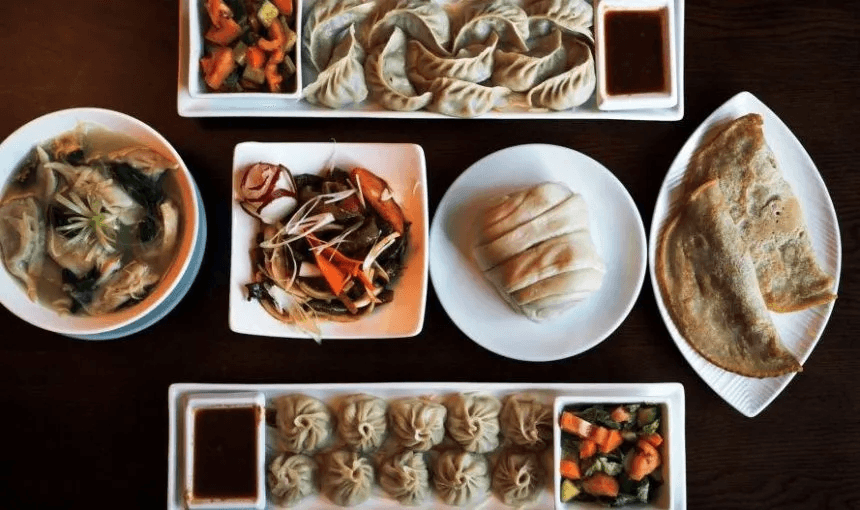
When it comes to experiencing the essence of Lhasa, indulging in the local cuisine is a must. Tibetan food reflects the region’s rich culture and history, making it an integral part of your travel experience. From hearty dishes to unique flavors, there are plenty of things to do in Lhasa that revolve around culinary exploration.
Traditional Dishes to Try
One cannot visit Lhasa without sampling some of its traditional dishes. Start with **momos**, delicious dumplings filled with meat or vegetables, often served with a spicy dipping sauce that packs a punch. Don’t miss out on **thukpa**, a warming noodle soup perfect for those chilly evenings after exploring Tibet’s stunning landscapes—definitely one of the top things to do in Lhasa!
For those seeking something sweet, try **chang**, a fermented barley drink that locals enjoy during celebrations and gatherings. Each dish tells a story and connects you deeper with Tibetan culture, making your trip worthwhile—after all, is Tibet worth visiting if not for its incredible food?
Exploring Barkhor Street Food
Barkhor Street is where the culinary magic truly happens! As you wander through this bustling marketplace, you’ll encounter an array of street food vendors offering everything from sizzling fried snacks to steaming bowls of soup. Sampling street food is one of those things to do in Lhasa that allows you to taste authentic flavors while mingling with locals.
Be sure to try **yak meat skewers** and **potato pancakes** as you soak up the vibrant atmosphere surrounding Jokhang Temple nearby. The aromas wafting through the air will entice your senses as you discover why this area is so popular among both tourists and residents alike.
Don’t Skip on Local Tea
No meal or snack in Lhasa would be complete without a cup of Tibetan butter tea! This unique beverage made from tea leaves, yak butter, and salt offers an acquired taste that warms you up after long days at high altitudes—perfect for acclimatizing while enjoying your time in Tibet. While exploring various things to do in Lhasa, make sure you sip on this local favorite at least once.
In addition to butter tea, consider trying **sweet milk tea** or herbal teas infused with local herbs; they provide refreshing alternatives that cater to different palates. Engaging with local cuisine not only satisfies your hunger but also deepens your connection with Tibetan culture—making every bite worth it!
Dress Appropriately for the Climate
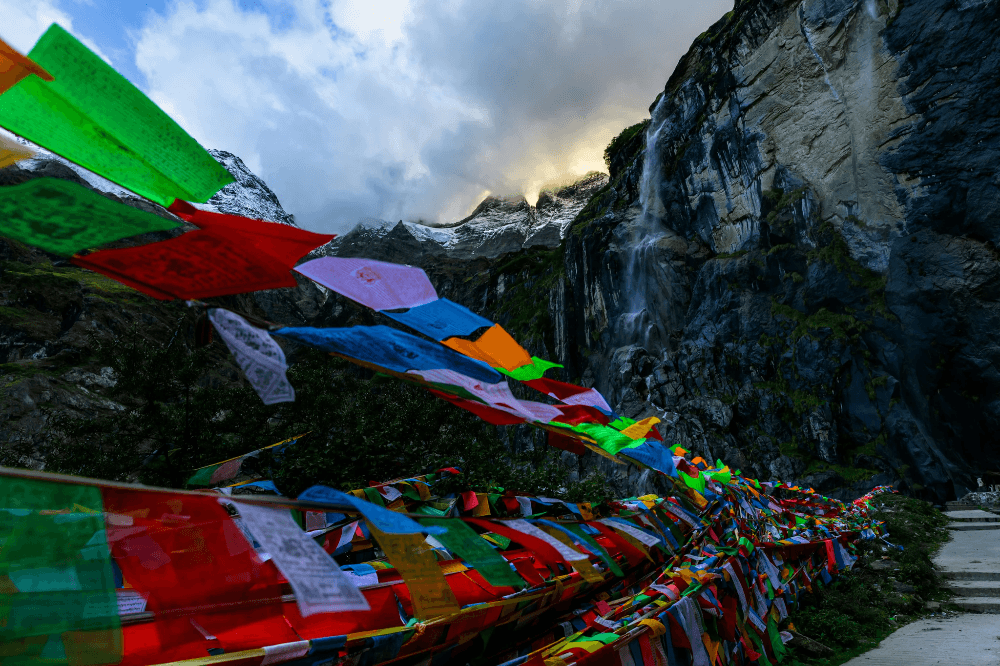
When planning your Lhasa travel, one aspect you shouldn’t overlook is how the weather will influence your wardrobe. Nestled in the Tibetan Plateau, Lhasa experiences a unique climate that can shift dramatically throughout the day. Whether you’re wandering through sacred sites or exploring local markets, dressing appropriately will ensure you stay comfortable while discovering all the things to do in Lhasa.
How Weather Affects Your Wardrobe
Lhasa’s weather can be quite unpredictable, with sunny mornings giving way to chilly afternoons and cool evenings. The high altitude means that temperatures can drop significantly after sunset, so it’s essential to prepare for these fluctuations. Knowing where Lhasa is located helps you understand that while daytime may feel warm, nights can be surprisingly cold—making it crucial to dress accordingly.
Essentials for Layering
Layering is your best friend when it comes to packing for Tibet things to do in Lhasa. Start with a moisture-wicking base layer that keeps sweat at bay during your daytime adventures; add an insulating layer like a fleece or sweater for warmth; and don’t forget a waterproof outer layer in case of sudden rain showers or wind gusts. This strategy not only keeps you comfortable but also allows you to adjust easily as temperatures change throughout the day.
Cultural Dress Considerations
While comfort is key, it’s important to respect local customs when dressing in Tibet. Traditional Tibetan attire often features vibrant colors and intricate patterns, so consider incorporating elements of this culture into your wardrobe if you’re feeling adventurous! Additionally, when visiting religious sites or interacting with locals, modest clothing is appreciated—this shows respect and enhances your overall experience as you engage with the rich traditions of this incredible region.
Engage a Local Guide

When exploring the enchanting city of Lhasa, engaging a local guide can transform your experience from ordinary to extraordinary. Not only will they help you navigate the myriad things to do in Lhasa, but they also provide valuable insights into the rich tapestry of Tibetan culture and history. With their expertise, you’ll discover hidden gems and learn about the significance of each landmark, making your Lhasa travel unforgettable.
Benefits of Choosing GuideTibet
Choosing GuideTibet as your local guide comes with a multitude of benefits that enhance your journey through this mystical land. First off, their knowledgeable guides are well-versed in Tibetan history and customs, ensuring you don’t miss out on any vital context during your visit. Additionally, they can tailor your itinerary based on personal interests—whether you’re keen on visiting sacred sites or sampling Tibet things to do like local crafts and performances.
Moreover, navigating Lhasa’s bustling streets can be overwhelming for first-time visitors; a local guide alleviates that stress by leading you through its vibrant markets and serene monasteries with ease. They also have established relationships with locals, which can open doors to authentic experiences that independent travelers might miss out on. Ultimately, choosing GuideTibet ensures that your adventure is not only enjoyable but also deeply enriching.
How Local Guides Enhance Your Experience
Local guides elevate your travel experience by acting as cultural bridges between you and the Tibetan way of life. They share stories that breathe life into the ancient walls of Potala Palace or Jokhang Temple—stories that textbooks simply can’t convey! Furthermore, having someone who speaks the language fluently helps in communicating with locals, allowing for more genuine interactions and insights into daily life in Lhasa.
With a local guide at your side, you’ll feel more confident exploring various attractions without worrying about getting lost or missing out on key details about what makes these sites special. They also know the best times to visit popular spots—avoiding crowds so you can soak in all the beauty without feeling rushed or overwhelmed. This personalized touch makes all the difference when considering is Tibet worth visiting.
Making the Most of Your Tours
To truly maximize your tours in Lhasa with a local guide, it’s essential to communicate openly about what you’re hoping to see and do during your visit. Whether you’re interested in spiritual experiences at monasteries or looking for unique Tibet things to do like hiking nearby trails or participating in local festivals, let them know! This way, they can craft an itinerary tailored just for you.
Additionally, don’t hesitate to ask questions while touring; this engagement will enrich both your understanding and appreciation of Tibetan culture even further. Remember that flexibility is key—sometimes spontaneous detours lead to unexpected adventures! So gear up for an unforgettable journey through Lhasa where every moment becomes an opportunity for discovery.
Plan Your Itinerary Wisely
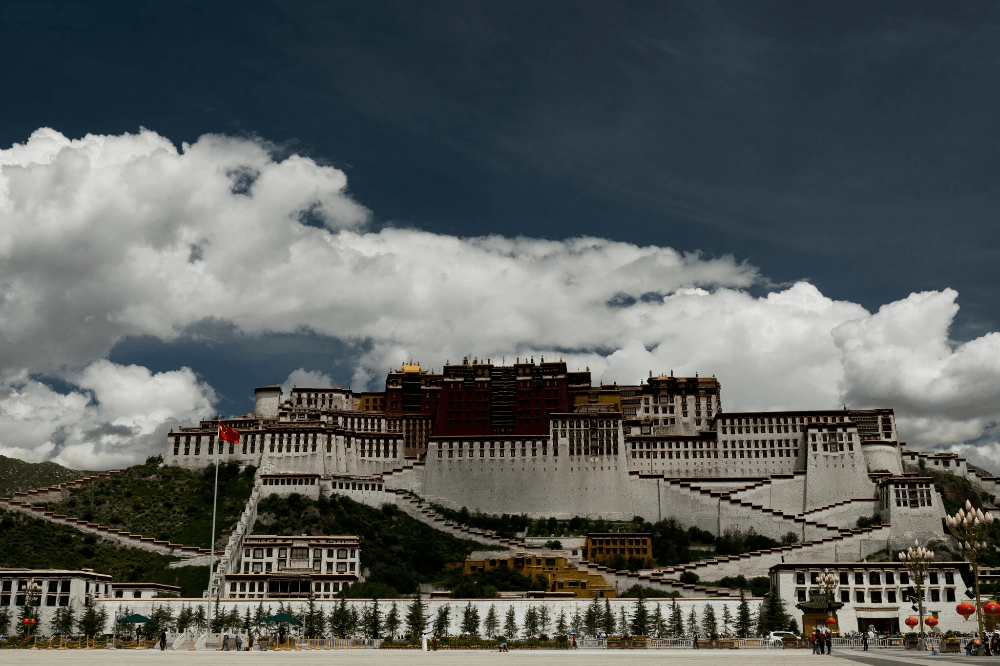
When planning your Lhasa travel itinerary, it’s essential to think strategically about the various things to do in Lhasa. This enchanting city offers a rich tapestry of culture, history, and stunning landscapes that can be overwhelming if not organized well. By prioritizing your must-see attractions and experiences, you can ensure a fulfilling trip that captures the essence of Tibet.
Things to Do in Lhasa
Lhasa is brimming with incredible things to do that will leave you awe-inspired. Start with the iconic Potala Palace, which stands majestically against the backdrop of the Himalayas—it’s a sight you won’t forget! Other must-visit spots include Jokhang Temple, Barkhor Street for some vibrant local shopping, and Sera Monastery where you can witness intense debates among monks.
If you’re wondering where is Lhasa located in relation to other Tibetan hotspots, it’s conveniently situated as a gateway to explore further into Tibet’s majestic landscapes. Don’t miss out on traditional cultural experiences such as attending local festivals or enjoying a mesmerizing dance performance that showcases Tibetan heritage. With so many Tibet things to do at your fingertips, you’ll find something for every interest!
Balancing Activity and Relaxation
While it’s tempting to fill your days with back-to-back activities exploring all the things to do in Lhasa, remember that relaxation is equally important—especially at high altitudes! Consider scheduling some downtime between visits to sacred sites or trekking adventures; this allows both your body and mind time to recharge amidst the excitement of travel.
A leisurely stroll around Norbulingka Park can be just what you need after an intense day of exploration; take in the serene gardens while sipping on some local tea or simply enjoying nature’s beauty. Finding this balance ensures you fully appreciate each experience without feeling rushed or overwhelmed during your Lhasa travel.
Must-See Events and Festivals
Timing your visit around local events can dramatically enhance your experience—Tibet is famous for its vibrant festivals! The Tibetan New Year (Losar) is one of the most significant celebrations filled with colorful rituals, traditional music, dancing, and delicious food—definitely worth planning for if you’re curious about Tibetan culture!
Additionally, other unique events like Saga Dawa Festival celebrate Buddha’s life and teachings through various ceremonies throughout Lhasa’s temples and monasteries; these moments are deeply enriching for any traveler wondering if Tibet is worth visiting. Keeping an eye on local calendars will help ensure you don’t miss out on these unforgettable experiences while discovering all there is to see in this magical city.
Be Mindful of Photography Etiquette
When exploring Lhasa, it’s essential to approach photography with respect and mindfulness. The stunning landscapes and vibrant culture may tempt you to snap away, but remember that not everyone is comfortable being photographed. Understanding the local customs regarding privacy will enhance your Lhasa travel experience and foster positive interactions with locals.
Respecting Privacy in Rural Areas
In the more remote areas surrounding Lhasa, many locals may prefer to keep their lives private. It’s important to ask for permission before taking photos of people, especially children or families engaged in daily activities. Respecting their wishes not only shows your appreciation for their culture but also enriches your journey through Tibet.
Restrictions at Religious Sites
Lhasa is home to numerous sacred sites where photography is often restricted or regulated. For instance, inside temples and monasteries, flash photography is typically prohibited, and some areas may not allow any photography at all. Always look for signs indicating restrictions and be respectful of these sacred spaces while you explore the many things to do in Lhasa.
Best Practices for Taking Photos
To make the most of your photographic opportunities in Lhasa while being considerate of others, follow some best practices. Try capturing candid moments without intruding on personal space; this often results in more authentic photographs that tell a story about Tibetan life. Additionally, consider using natural light during your shoots—early morning or late afternoon provides soft lighting perfect for capturing the beauty of Tibet’s landscapes without disrupting the serene atmosphere.
Conclusion
As your adventure in Lhasa draws to a close, it’s essential to reflect on the myriad of experiences that await you in this enchanting city. From the breathtaking views of the Potala Palace to the rich tapestry of Tibetan culture, there’s no shortage of things to do in Lhasa. Remember to immerse yourself fully; every moment spent here is a chance to create lasting memories.
Recap of Lhasa Travel Essentials
To make the most of your Lhasa travel, it’s crucial to respect local customs and traditions while also acclimatizing properly to the high altitude. Don’t forget about engaging with local guides who can enhance your journey through this captivating region. Whether you’re savoring traditional dishes or exploring vibrant markets, these are just a few Tibet things to do that will enrich your visit.
Final Thoughts on Visiting Tibet
Is Tibet worth visiting? Absolutely! The unique blend of stunning landscapes, spiritual sites, and warm-hearted locals makes it an unforgettable destination. As you explore where Lhasa is situated—nestled among majestic mountains—you’ll find that its beauty and serenity linger long after you’ve returned home.
Your Journey Awaits in Lhasa
So pack your bags and prepare for an adventure like no other! With so many things to do in Lhasa awaiting your discovery, each day will bring new surprises and insights into Tibetan life. Your journey through this remarkable land promises not just sights but profound experiences that resonate with the soul.