Introduction
Tibet, renowned for its breathtaking landscapes and rich culture, stands out not only for its beauty but also for its remarkable altitude. Nestled on the Tibetan Plateau, often dubbed the Roof of the World, the region boasts some of the highest elevations on Earth. With an average elevation of over 4,500 meters (about 14,800 feet), travelers frequently ponder: Is all of Tibet at high altitude?
Understanding Tibet’s Unique Altitude
The unique altitude of Tibet shapes not only its stunning geography but also its climate and lifestyle. Lhasa, the Tibetan capital, sits at a striking elevation of around 3,650 meters (11,975 feet), making it one of the highest cities in the world. This means that visitors to Lhasa will experience a distinct environment where acclimatization becomes essential to fully enjoy their journey.
Importance of Altitude Acclimatization
Acclimatization is crucial when exploring regions like Tibet to prevent altitude sickness and ensure a safe adventure. As you ascend to higher elevations—such as Lhasa Peak or other mountainous areas—the body needs time to adjust to reduced oxygen levels. Understanding how high is Lhasa and preparing adequately can make all the difference between an unforgettable experience and a challenging ordeal.
How GuideTibet Enhances Your Experience
Navigating Tibet’s altitude challenges is made easier with experienced guidance from companies like GuideTibet. They provide invaluable support in planning your trip while offering insights into what is the average elevation of Tibet and how best to manage your ascent safely. With their expertise, you can immerse yourself in Tibetan culture without worrying about whether you need oxygen in Tibet or how to handle altitude-related issues effectively.
Know the Average Elevation of Tibet

Tibet, often referred to as the Roof of the World, boasts an average elevation that can leave even seasoned travelers awestruck. The region’s unique topography is characterized by vast plateaus and towering mountain ranges, making it one of the highest places on Earth. Understanding Tibet’s altitude is essential for anyone planning a visit, as it directly impacts your travel experience and health.
Understanding Tibet’s Landscape
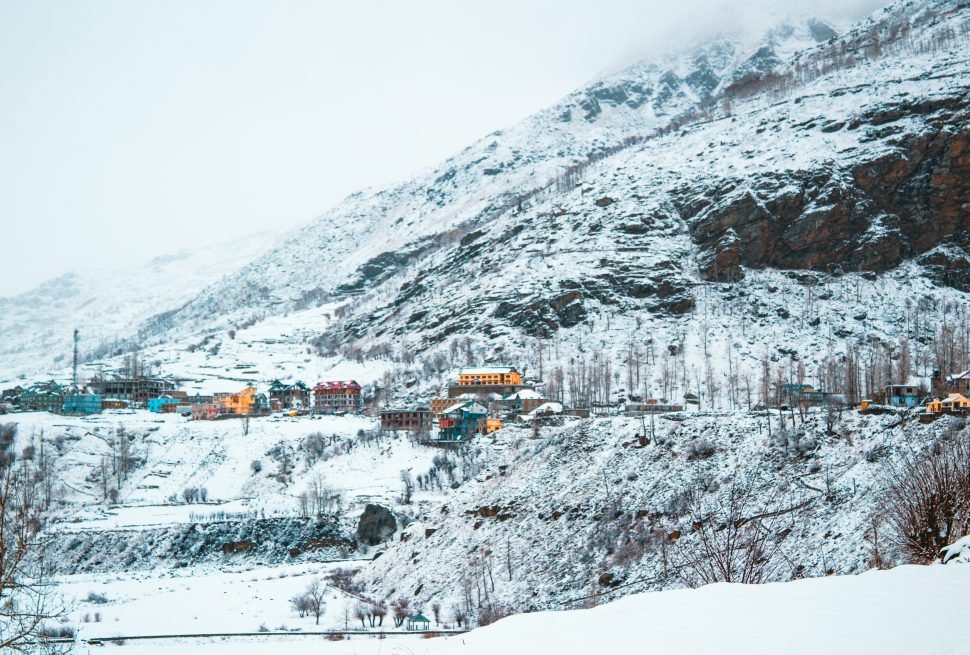
The Tibetan landscape is a breathtaking blend of rugged mountains, expansive grasslands, and serene lakes. With an average elevation exceeding 4,500 meters (about 14,800 feet), it’s no wonder many people ponder: Is all of Tibet at high altitude? The answer is a resounding yes! While some areas may dip slightly lower, most regions are indeed elevated enough to warrant careful preparation for altitude acclimatization.
Is All of Tibet at High Altitude?
When considering a journey through this majestic land, travelers often ask themselves: Do you need oxygen in Tibet? Generally speaking, if you’re venturing into Lhasa or other high-altitude areas like Mount Everest Base Camp, supplemental oxygen might be necessary for some visitors. However, not every part of this stunning region sits at extreme heights; there are lower valleys and towns where the elevation is more manageable—though still higher than most places worldwide.
How High is Lhasa, Tibet?
Lhasa stands proud as the Tibetan capital with an impressive elevation of approximately 3,650 meters (around 11,975 feet). This makes Lhasa one of the highest cities on Earth—a true testament to its rich cultural heritage amidst stunning scenery. Travelers should be aware that while Lhasa’s peak offers breathtaking views and unique experiences, acclimatizing to its elevation is crucial for a safe and enjoyable stay in this vibrant city.
Prepare for the Altitude Challenge
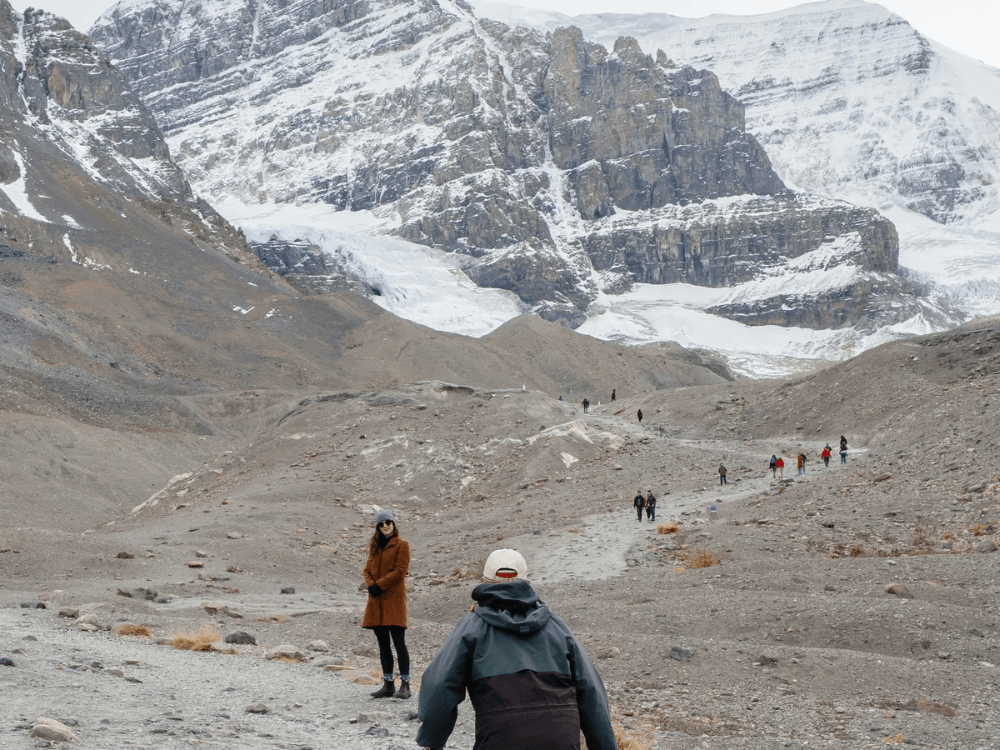
Traveling to Tibet is an adventure like no other, but it comes with its own set of challenges, primarily due to the high altitude. With an average elevation of Tibet hovering around 4,500 meters (14,800 feet), understanding how to prepare for this altitude challenge is crucial for a safe and enjoyable trip. Whether you’re planning to explore the vibrant streets of Lhasa or trek through remote landscapes, preparation is key.
Assessing Your Fitness Level
Before embarking on your Tibetan journey, it’s essential to assess your fitness level. While you don’t need to be an Olympic athlete, having a reasonable level of cardiovascular fitness can make acclimatization easier as you ascend into the Tibetan heights. Remember that Lhasa’s elevation is approximately 3,650 meters (11,975 feet), which means even simple activities like walking can feel more strenuous than at lower altitudes.
If you’re wondering whether all of Tibet sits at such high elevations—nope! There are lower regions; however, most popular destinations do require some acclimatization. If you’re not accustomed to high altitudes or have previous health issues related to altitude sickness, consult a healthcare provider before your trip.
Essential Gear for High Altitude
Packing the right gear can make all the difference when tackling Tibet’s altitude challenges. First and foremost, invest in quality trekking boots that provide support and traction on rugged terrain—your feet will thank you later! Additionally, layering is crucial; temperatures can fluctuate dramatically between day and night in the Tibetan plateau.
Don’t forget essentials like a good hydration system; staying hydrated in this dry climate helps combat altitude sickness symptoms effectively. Also consider carrying portable oxygen equipment if you’re unsure about your body’s ability to adjust—after all, many travelers ask themselves: Do you need oxygen in Tibet? While it’s not always necessary for everyone, having it on hand could ease any concerns as you explore areas like Lhasa Peak.
What is the Best Time to Visit?
Timing your visit can significantly impact your experience in Tibet due to its unique climate conditions influenced by its altitude. The best time generally falls between April and October when temperatures are milder and rainfall is minimal—perfect for trekking and sightseeing around cultural landmarks in Lhasa or elsewhere in Tibet.
Keep in mind that while summer months offer pleasant weather conditions at lower elevations like Lhasa’s 3,650 meters (11,975 feet), higher altitudes may still pose challenges due to sudden weather changes or snow accumulation on mountain passes. So if you’re hoping for clear skies while standing atop those majestic peaks or simply wandering through bustling markets in Lhasa—the Tibetan capitol—plan accordingly!
Acclimatization Techniques for Travelers

Traveling to Tibet is an adventure like no other, especially when considering the unique challenges posed by its impressive altitude. Understanding how to acclimatize is crucial for a safe and enjoyable experience in this breathtaking region. Here are some effective techniques to help you adjust to the Tibetan altitude and enjoy your journey.
Gradual Ascent is Key
One of the most important acclimatization techniques for travelers venturing into Tibet is a gradual ascent. The average elevation of Tibet is around 4,500 meters (14,800 feet), making it essential to allow your body time to adjust. Instead of rushing straight into high-altitude areas like Lhasa, which sits at an elevation of about 3,650 meters (11,975 feet), consider spending a few days at lower altitudes before heading higher.
This slow approach not only reduces the risk of altitude sickness but also enhances your overall experience as you can soak in the stunning landscapes along the way. Remember that not all regions in Tibet are at high altitude; some areas offer lower elevations that can serve as perfect acclimatization spots. By gradually ascending, you’ll give your body ample opportunity to adapt to the changes in oxygen levels—an essential step when exploring places like Lhasa and beyond.
Staying Hydrated in the Tibetan Environment
Staying hydrated is another key factor when it comes to acclimatizing successfully in Tibet’s unique climate and altitude conditions. The dry air at high altitudes can lead to dehydration more quickly than you might expect, so drink plenty of water throughout your stay. Aim for at least three liters per day; this will help combat symptoms associated with high elevation and support your overall health during your travels.
Additionally, consuming warm fluids such as herbal teas or broth can be particularly beneficial in keeping both hydration levels up and your body warm against the cool Tibetan temperatures. Remember that while enjoying local delicacies in Lhasa or other regions, it’s crucial to maintain hydration—your body will thank you later! Staying hydrated not only helps with acclimatization but also enhances energy levels as you explore cultural landmarks and engage with local communities.
Signs of Altitude Sickness
Even with proper preparation, it’s important to be aware of the signs of altitude sickness when traveling through Tibet’s lofty terrain. Common symptoms include headaches, dizziness, nausea, fatigue, and sleep disturbances—these may occur due to insufficient acclimatization or rapid ascent without giving yourself time to adjust properly. If you notice these symptoms creeping up on you while exploring areas like Lhasa or any other part of Tibet’s majestic landscape, take them seriously.
Should these signs arise during your trip—especially if they worsen—it’s crucial to descend immediately or seek medical attention if needed; don’t hesitate! Understanding how high Lhasa sits above sea level can help put things into perspective: even seasoned travelers may find themselves feeling unwell due solely because they’re not used yet accustomed enough yet at such great heights! Keep an eye on how you’re feeling throughout your journey; being proactive about recognizing potential issues ensures a memorable experience rather than one marred by discomfort.
Should You Use Oxygen in Tibet?
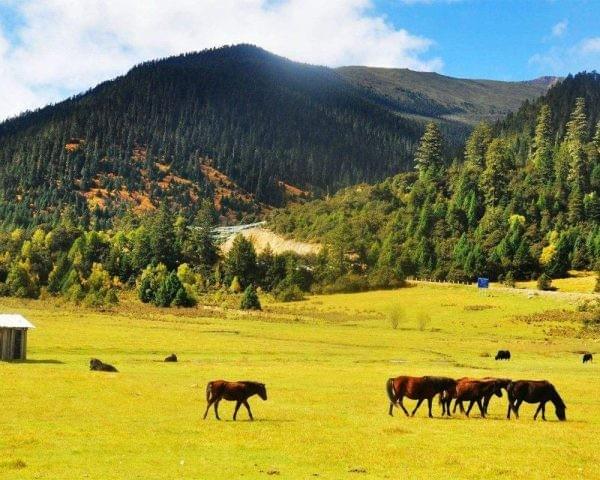
When planning a trip to Tibet, one of the most pressing questions travelers often have is, Do you need oxygen in Tibet? The answer largely depends on your itinerary and how well you acclimatize to the region’s high altitude. While many visitors adjust without supplementary oxygen, understanding when it becomes necessary can greatly enhance your experience, especially considering that Lhasa’s elevation is around 3,650 meters (11,975 feet), making it one of the highest cities in the world.
When is Supplementary Oxygen Necessary?
Supplementary oxygen may be required if you’re venturing to areas with extreme elevations or if you experience symptoms of altitude sickness. For instance, if you’re planning to trek to higher altitudes beyond Lhasa peak or other high-altitude regions of Tibet, being prepared with oxygen equipment can be a lifesaver. Additionally, individuals with pre-existing health conditions should consult a healthcare professional before traveling to ensure they are fit for such high altitudes.
Benefits of Carrying Oxygen Equipment
Carrying oxygen equipment can provide peace of mind during your travels in this breathtaking yet challenging landscape. In situations where altitude sickness strikes unexpectedly—causing headaches or shortness of breath—having access to supplemental oxygen can help alleviate these symptoms quickly and effectively. Furthermore, it’s not just about survival; using oxygen can enhance your overall experience by allowing you to enjoy activities without feeling overly fatigued due to the tibet altitude.
Safe Practices for Using Oxygen
If you decide that bringing oxygen equipment is right for your journey through Tibet, it’s essential to know how to use it safely and effectively. Always familiarize yourself with the equipment before your trip; practice using it at lower elevations so that you’re comfortable when it’s time for higher altitudes like Lhasa’s elevation or beyond. Remember that while supplementary oxygen is helpful, it should not replace gradual acclimatization techniques; staying hydrated and ascending slowly are still key strategies for enjoying all that this stunning region has to offer.
Embrace Tibetan Culture and Tradition
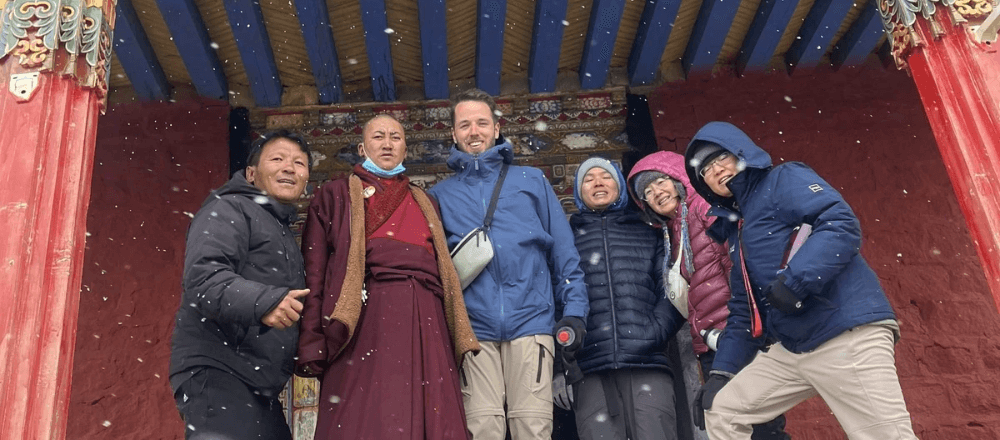
Tibet is not just about breathtaking landscapes and high altitudes; it’s also a rich tapestry of culture and tradition that invites travelers to immerse themselves in its unique way of life. Engaging with local communities is one of the most rewarding experiences you can have while exploring this majestic region. The warmth and hospitality of the Tibetan people, coupled with their deep-rooted traditions, make for an unforgettable journey.
Engaging with Local Communities
One of the best ways to appreciate Tibet’s altitude is by connecting with its people, who have adapted to life at such heights for centuries. Many villages offer homestays where you can experience daily routines, from farming to traditional cooking methods, all while learning about their customs and beliefs. Interacting with locals not only enriches your understanding of Tibetan culture but also helps bridge the gap between tourists and residents—because let’s face it, who wouldn’t want to swap stories over a bowl of hearty tsampa?
Exploring Lhasa’s Cultural Landmarks
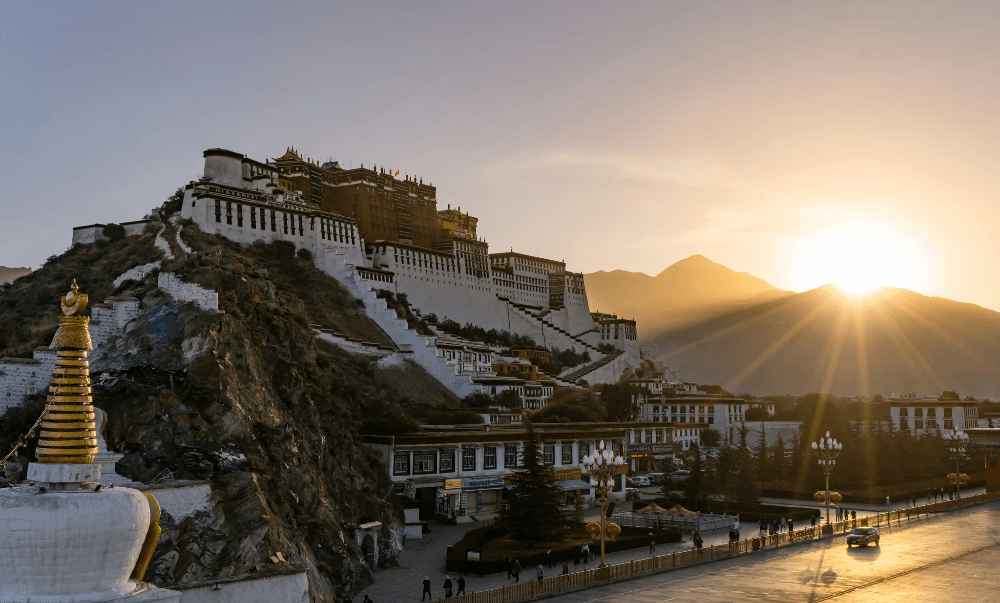
No visit to Tibet would be complete without exploring Lhasa, the Tibetan capital known for its stunning landmarks that reflect centuries of history and spirituality. The Potala Palace stands tall against the backdrop of Lhasa’s elevation, showcasing intricate architecture that has captivated visitors for generations. From Jokhang Temple to Barkhor Street, each site tells a story steeped in tradition, making it essential for travelers wanting to grasp what makes Tibet so special.
How GuideTibet Facilitates Authentic Encounters
With GuideTibet by your side, navigating through these cultural experiences becomes seamless and enriching. They provide knowledgeable guides who are well-versed in both Tibetan history and contemporary life—a perfect combination for anyone curious about Is all of Tibet at high altitude? or Do you need oxygen in Tibet? Their personalized itineraries ensure that you not only witness but actively participate in cultural practices while keeping safety at the forefront during your adventures through high-altitude terrains.
Conclusion
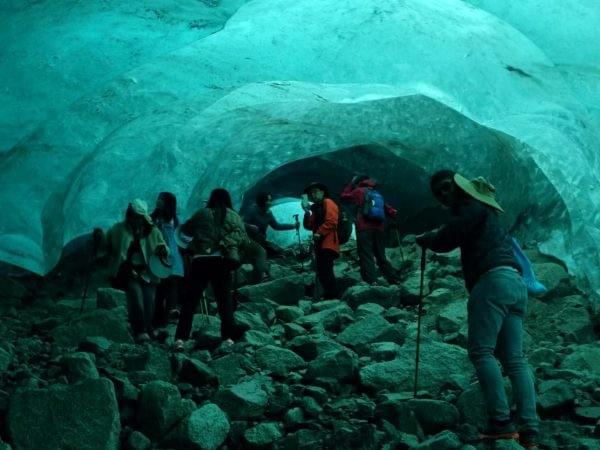
As your Tibetan adventure comes to a close, it’s essential to reflect on the unique experiences and challenges that await you in this breathtaking region. With its stunning landscapes and rich culture, Tibet offers travelers an unforgettable journey, but preparation is key for a safe experience. By understanding Tibet’s altitude and acclimatization needs, you can ensure that your trip will be both enjoyable and memorable.
Tips for a Safe Tibet Journey
When planning your journey through the Tibetan highlands, keep in mind the average elevation of Tibet hovers around 4,000 meters (13,123 feet). This means that not all of Tibet is at high altitude; some areas may offer lower elevations, but many popular destinations like Lhasa are significantly elevated. To combat potential altitude sickness, listen to your body and pace yourself—gradual ascent is crucial when exploring the Tibetan landscape.
Additionally, consider whether you might need oxygen in Tibet during your travels. While many visitors adjust well without supplementary oxygen, those with pre-existing health conditions or who are particularly sensitive to altitude may benefit from carrying oxygen equipment. Always consult with a healthcare professional before traveling to ensure you’re adequately prepared for Lhasa’s elevation and other high-altitude locations.
Embracing the Tibetan Highland Lifestyle
The heart of the Tibetan experience lies in its vibrant culture and traditions. Engaging with local communities not only enriches your understanding of their way of life but also helps you adapt better to Tibet’s unique environment—this is especially true at high altitudes like Lhasa peak. Embrace opportunities to participate in local customs; whether it’s sharing a meal or attending a festival, these interactions provide insight into how locals navigate their lives amidst challenging elevations.
Don’t forget to explore Lhasa’s cultural landmarks such as the Potala Palace or Jokhang Temple while immersing yourself in its history and spirituality. These sites stand testament to centuries of tradition shaped by life at such remarkable heights—after all, how high is Lhasa? It’s this blend of culture and altitude that makes every moment spent here truly special.
The Unforgettable Experience Awaits in Tibet
Ultimately, visiting Tibet is about more than just conquering its altitudes; it’s about embracing an entirely different way of life filled with awe-inspiring landscapes and rich heritage. Whether you’re marveling at the majestic mountains or sipping butter tea with locals in Lhasa, every experience contributes to an unforgettable journey through this enchanting land. So pack your bags wisely—considering factors like lhasa tibet elevation—and get ready for an adventure that promises not just breathtaking views but also profound connections with one of the world’s most extraordinary cultures.