Introduction
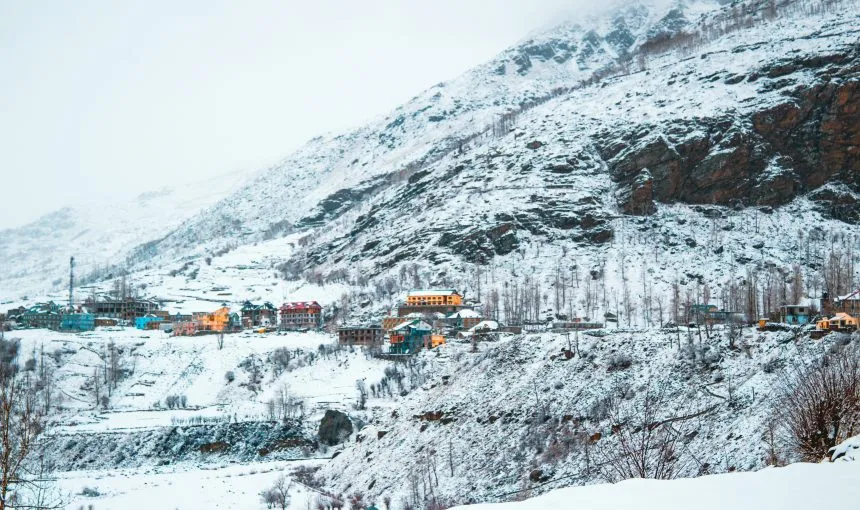
Are you ready to embark on a journey to the breathtaking Himalayan Mountains? Whether you’re an avid trekker or simply seeking awe-inspiring natural beauty, the Himalayas offer an unforgettable adventure. From the towering peaks to the rich cultural heritage, there’s something for everyone in this majestic mountain range.
Exploring the Majesty of the Himalayan Mountains
The Himalayan mountains span five countries, including India and China, and are home to some of the world’s highest peaks, including Mount Everest and K2. With its diverse landscapes and unique geology, the region is a haven for nature enthusiasts and adventure seekers alike.
Planning Your Ultimate Himalayan Adventure
When it comes to planning your trip to the Himalayas, there are endless possibilities for exploration. Whether you’re interested in trekking through remote villages or visiting ancient monasteries, careful planning is essential to make the most of your experience in this awe-inspiring region.
The Allure of Trekking in the Himalayan Mountains
Trekking in the Himalayas offers a chance to immerse yourself in stunning natural landscapes while experiencing local culture firsthand. The allure of trekking through lush valleys and ascending towering peaks is undeniable, making it a must-do activity for outdoor enthusiasts and adventurers.
The Himalayan Mountains: A Brief Overview
Majestic Peaks and Unique Geology
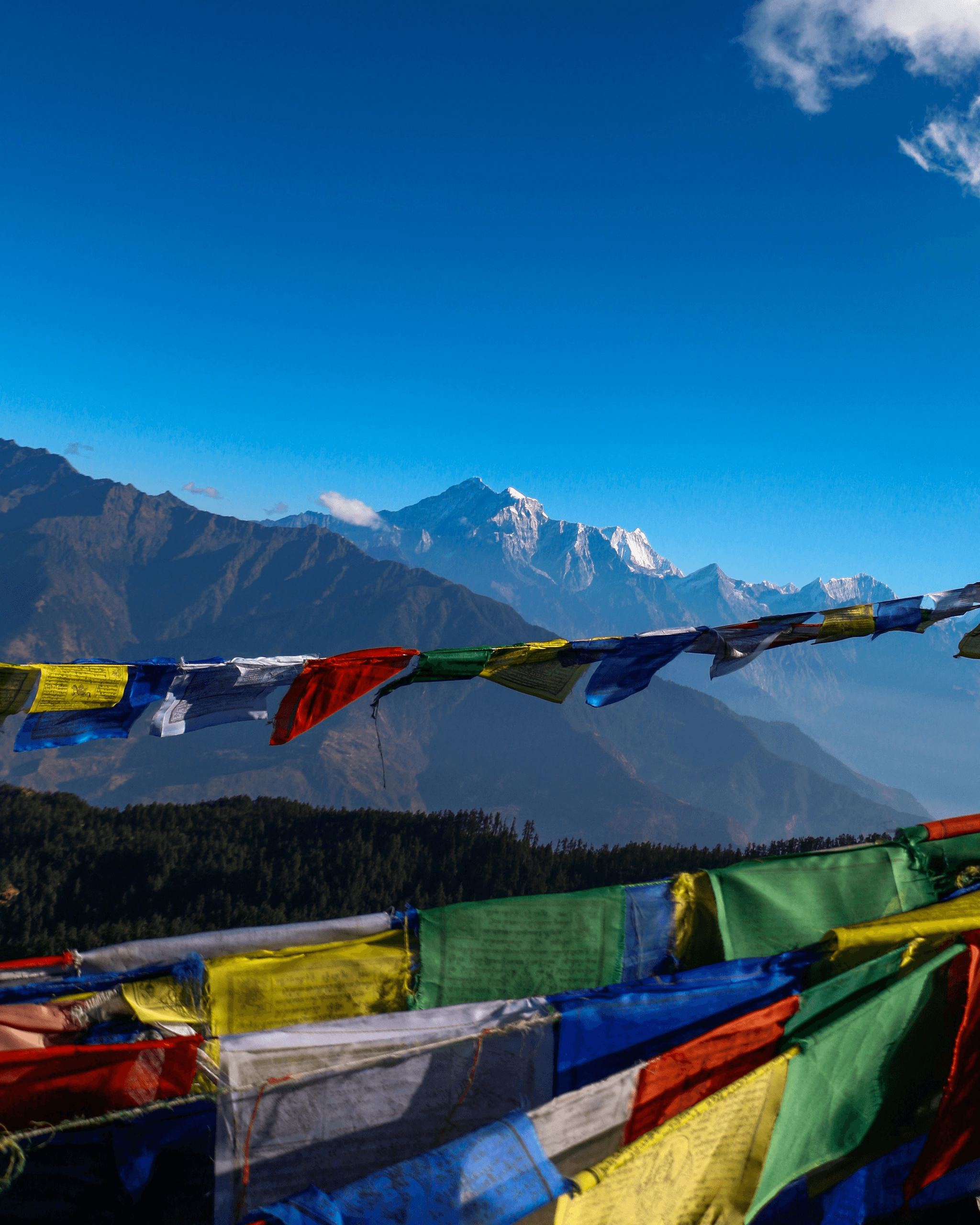
The Himalayan mountains, located in Asia, span across five countries including India and China. These towering peaks are home to some of the highest mountains in the world, including Mount Everest and K2. The Himalayas were formed around 50 million years ago as a result of the collision between the Indian and Eurasian tectonic plates.
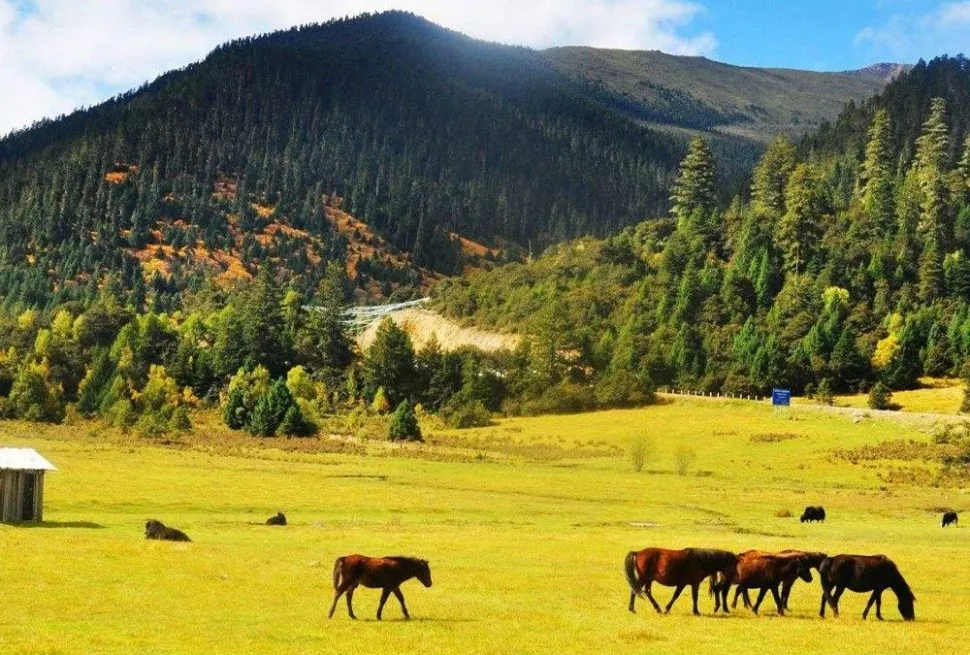
The unique geology of the Himalayan mountains has also contributed to the region’s incredible biodiversity. The diverse range of habitats, from alpine meadows to dense forests, provides a home for a wide variety of plant and animal species. In fact, the Himalayas are considered one of the world’s biodiversity hotspots, with numerous endemic species found nowhere else on Earth.
Biodiversity and Wildlife in the Himalayas
The Himalayan mountains boast an incredible array of biodiversity, with thousands of plant species, many of which are endemic to the region. This diverse ecosystem is also home to a variety of wildlife, including snow leopards, red pandas, and musk deer. The region’s unique flora and fauna make it a hotspot for nature enthusiasts and researchers alike.
The Himalayan mountains are not only a haven for biodiversity and wildlife but also hold significant cultural importance for the people living in the region. The diverse range of ethnic groups, languages, and traditions found in the Himalayas contribute to its rich cultural tapestry. From ancient monasteries nestled in the mountains to traditional festivals that celebrate the harvest and changing seasons, the Himalayas are steeped in cultural heritage. This blend of natural beauty and cultural significance makes the region a truly unique and captivating destination for travelers seeking to immerse themselves in both nature and local customs.
Cultural Significance of the Himalayan Mountains
The Himalayas hold immense cultural significance for the people living in the region. They are considered sacred in Hinduism and Buddhism, with numerous temples, monasteries, and pilgrimage sites dotting their slopes. The mountains also serve as a source of inspiration for art, literature, and spirituality throughout Asia.
The Himalayas have also been a source of inspiration for traditional medicine practices, with many indigenous communities in the region using herbs and plants found in the mountains for their healing properties. This deep connection to the natural environment has shaped the cultural identity of these communities, influencing everything from daily rituals to healthcare practices. The knowledge and traditions surrounding Himalayan flora and fauna have been passed down through generations, contributing to the rich tapestry of cultural heritage in the region.
Best Times to Trek in the Himalayan Mountains

Weather and Climate Considerations
When planning your trek in the Himalayan mountains, it’s crucial to consider the weather and climate conditions. The best time to visit is during the spring (March to May) and autumn (September to November) when the weather is mild and the skies are clear. During these seasons, you can expect comfortable temperatures, making it ideal for trekking and enjoying the stunning mountain views.
Peak Tourist Seasons in the Himalayas
The peak tourist seasons in the Himalayas coincide with the best weather conditions, which means that popular trekking routes can get quite crowded during these times. In general, peak tourist seasons are from mid-April to mid-June and from September to November. If you prefer a quieter experience on your trek, you may want to consider visiting during off-peak times when there are fewer tourists on the trails.
Off-Peak Benefits for Trekking in the Himalayas
Off-peak seasons in the Himalayan mountains offer several benefits for trekkers. Visiting during these times, such as winter (December to February) or monsoon season (June to August), can provide a more peaceful and serene experience on the trails without as many crowds. Additionally, off-peak times often come with discounted prices for accommodations and tour packages, making it a budget-friendly option for adventurous travelers.
Essential Gear and Packing Tips for Himalayan Treks

Proper Footwear and Clothing
When preparing for a trek in the Himalayan mountains, it’s crucial to invest in high-quality, waterproof hiking boots that provide ankle support and traction on rugged terrain. Additionally, layering is key when it comes to clothing – opt for moisture-wicking base layers, insulating mid-layers, and a durable outer shell to protect against wind and precipitation. Don’t forget to pack a warm hat, gloves, and sunglasses to shield yourself from the intense mountain sun.
Necessary Camping and Hiking Equipment
In addition to the standard camping gear such as a tent, sleeping bag, and cooking supplies, there are specific items that are essential for trekking in the Himalayas. A sturdy backpack with proper weight distribution is crucial for carrying your gear comfortably over long distances. Other must-haves include a reliable water filtration system or purification tablets, a headlamp with extra batteries, and trekking poles to aid with stability on steep ascents and descents.
Tips for Minimizing Pack Weight
When embarking on a Himalayan trek, every ounce counts – so it’s important to pack smartly. Opt for lightweight, compact gear whenever possible without sacrificing quality or functionality. Consider sharing communal items such as cooking equipment among your trekking group to lighten individual loads. Prioritize multi-purpose items like clothing that can be worn in layers rather than packing multiple bulky garments.
Trekking Routes and Must-See Attractions in the Himalayas
Popular Trekking Trails and Routes
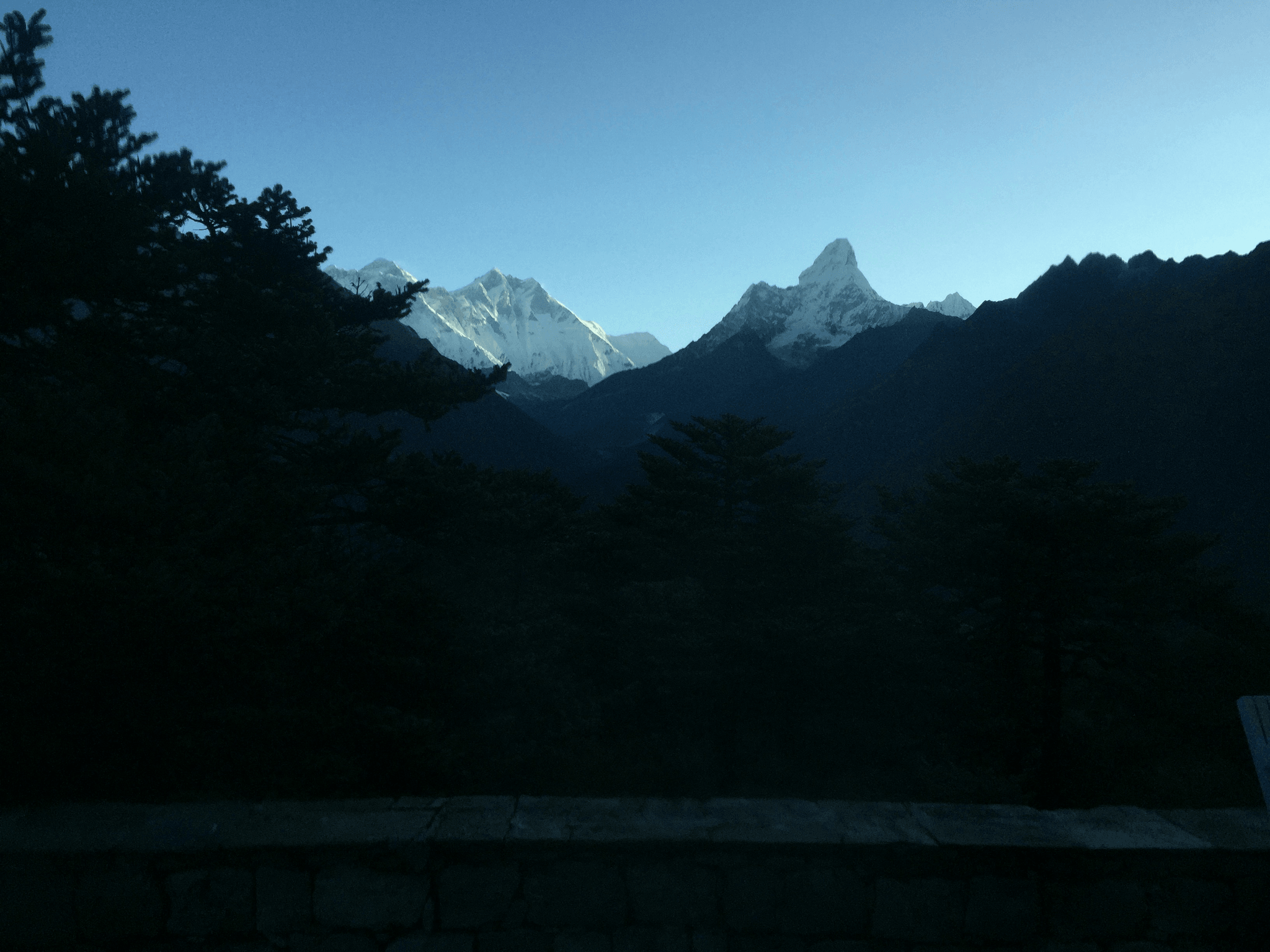
When it comes to trekking in the Himalayan mountains, there are a plethora of popular trails and routes to explore. The Annapurna Circuit in Nepal is a classic choice, offering stunning views of the Annapurna range and diverse landscapes. The Everest Base Camp trek is another iconic route, attracting adventurers from all over the world with its breathtaking scenery and challenging terrain. Additionally, the Markha Valley trek in Ladakh, India is known for its remote beauty and unique cultural encounters.
If you’re looking for a trek that offers a mix of natural beauty and cultural experiences, the Langtang Valley trek in Nepal is a fantastic choice. This route takes you through picturesque villages, lush forests, and up to high mountain passes, providing a diverse and immersive trekking experience. The Langtang region is also known for its friendly locals and unique Tamang culture, making it a great option for those seeking an authentic Himalayan adventure.
Iconic Landmarks and Scenic Spots
The Himalayan mountains are home to some truly iconic landmarks and scenic spots that are not to be missed. The majestic Mount Everest, the highest peak in the world, is a must-see for any visitor to the region. The stunning Pangong Lake in Ladakh, India offers mesmerizing views of its crystal-clear waters against a backdrop of rugged mountains. Another highlight is the Tiger’s Nest Monastery in Bhutan, perched on a cliffside at an elevation of over 3,000 meters.
The Himalayan region also offers unique cultural experiences along the trek, allowing visitors to immerse themselves in the rich traditions and customs of the local communities. From vibrant festivals and colorful markets to ancient monasteries and traditional villages, there are countless opportunities to interact with the warm and welcoming people of the Himalayas. Whether it’s participating in a traditional dance performance or learning about age-old handicraft techniques, travelers can gain a deeper understanding of the region’s cultural heritage.
Unique Cultural Experiences Along the Trek
Trekking in the Himalayas provides ample opportunities for unique cultural experiences that enrich your journey. Along the trails, you’ll encounter traditional mountain villages where you can interact with friendly locals and learn about their way of life. You may have the chance to witness colorful religious festivals or visit ancient monasteries that offer insight into centuries-old traditions. Embracing these cultural encounters adds depth and meaning to your trekking adventure.
Safety Tips and Altitude Considerations for Himalayan Treks

Acclimatization Strategies for High Altitudes
When trekking in the Himalayan mountains, it’s crucial to acclimatize properly to the high altitudes. Take your time and allow your body to adjust gradually to the thin air. Stay hydrated, avoid alcohol, and listen to your body if you start feeling any symptoms of altitude sickness.
In addition to acclimatizing gradually, it’s important to be mindful of your physical activity at high altitudes. Avoid overexerting yourself and take frequent breaks to rest and catch your breath. Engaging in light exercise can also help improve circulation and oxygen flow, aiding in the acclimatization process.
First Aid and Emergency Preparedness
Before embarking on your Himalayan adventure, make sure you have a well-stocked first aid kit with essentials like bandages, antiseptic cream, and pain relievers. It’s also wise to carry a portable oxygen canister in case of emergencies at high altitudes. Familiarize yourself with emergency procedures and know how to contact local authorities if needed.
Additionally, it’s important to be aware of the potential risks and challenges that come with trekking in the Himalayas. Altitude sickness is a common issue for travelers in this region, so it’s essential to educate yourself on the symptoms and how to prevent and treat it. Taking the time to acclimatize properly and staying hydrated can significantly reduce the risk of altitude-related health issues.
Local Customs and Cultural Etiquette in the Himalayas
Respect for local customs and cultural etiquette is paramount when trekking in the Himalayan mountains. Always ask permission before taking photos of locals or their property, and be mindful of dress codes when visiting religious sites or villages. Take time to learn about the customs and traditions of the communities you encounter along your journey.
Conclusion
Immersing Yourself in the Rich Culture of the Himalayan Mountains
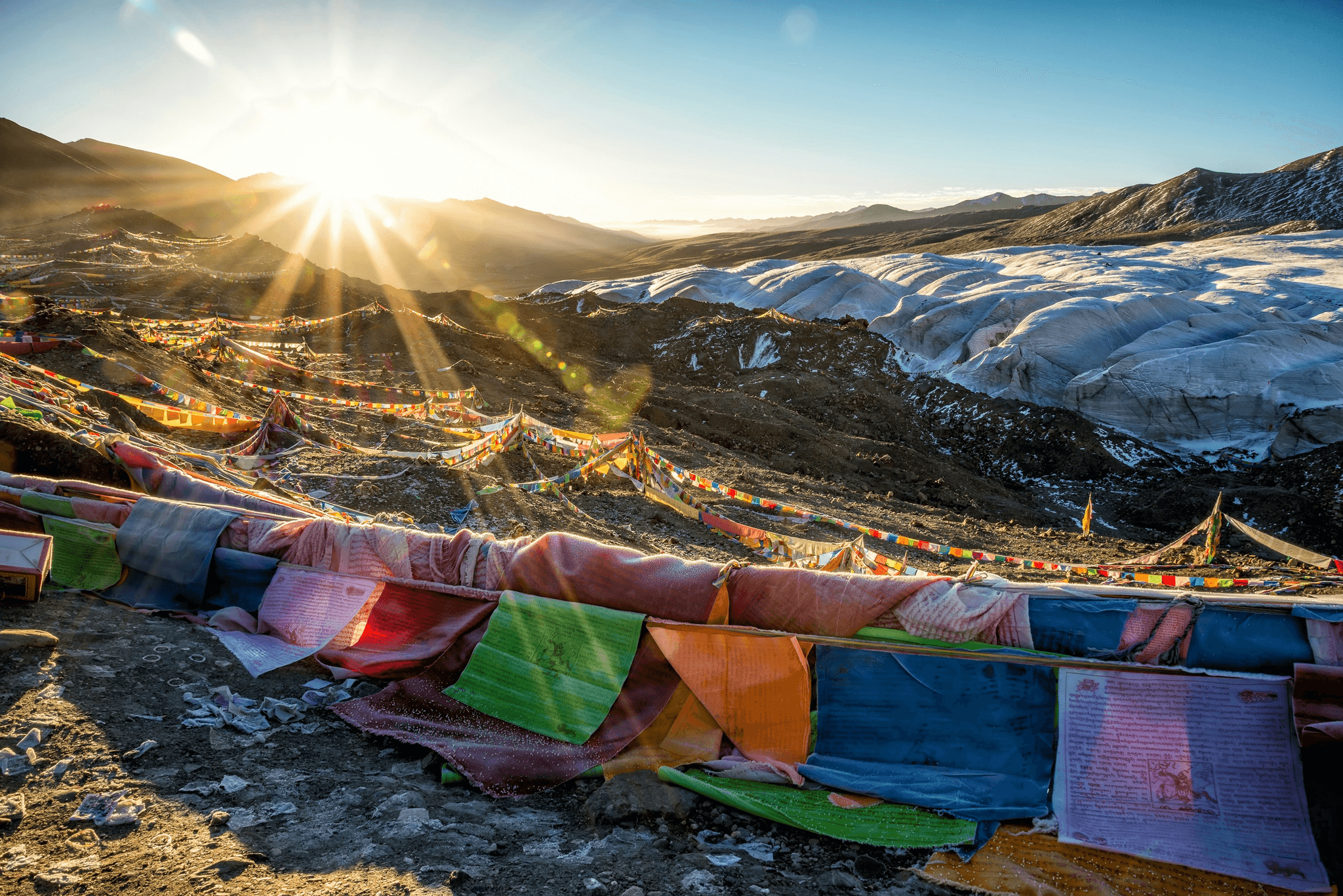
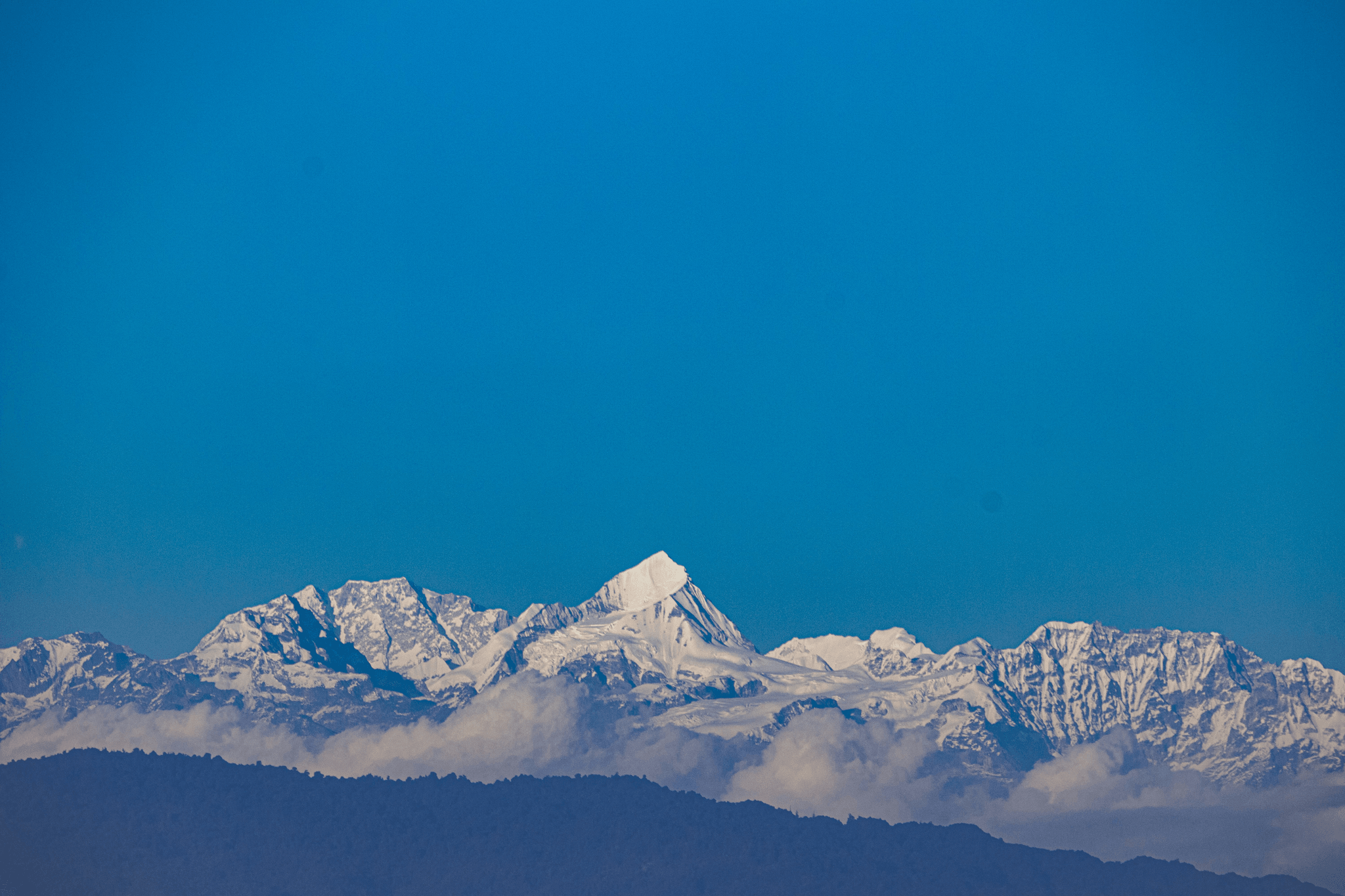
The Himalayan mountains are a treasure trove of rich cultural heritage, with diverse ethnic groups and ancient traditions. From vibrant festivals to intricate handicrafts, immerse yourself in the unique culture of the Himalayas for an unforgettable experience. Explore the colorful prayer flags fluttering in the wind, visit ancient monasteries perched on high cliffs, and witness traditional dance performances that have been passed down through generations. Engage with local communities and learn about their customs, rituals, and way of life to gain a deeper appreciation for this enchanting region.
Booking Your Authentic Himalayan Adventure with GuideTibet
Ready to embark on your ultimate Himalayan adventure? Look no further than GuideTibet for an authentic and immersive experience. With expert guides and carefully curated itineraries, you’ll have the opportunity to explore the hidden gems of the Himalayan mountains.
Embracing the Spiritual and Natural Wonders of the Himalayas
The spiritual and natural wonders of the Himalayas are truly awe-inspiring. Whether it’s witnessing breathtaking sunrises over snow-capped peaks or meditating at ancient monasteries, embracing the serenity and beauty of the Himalayan mountains is a life-changing experience.
The Himalayas are not only a haven for spiritual seekers but also a paradise for adventure enthusiasts. From trekking through lush forests and alpine meadows to challenging oneself with high-altitude mountaineering, the Himalayas offer endless opportunities for adrenaline-pumping activities. Embracing the natural wonders of this majestic mountain range can also mean embarking on thrilling white-water rafting expeditions or testing one’s skills on world-class rock climbing routes.