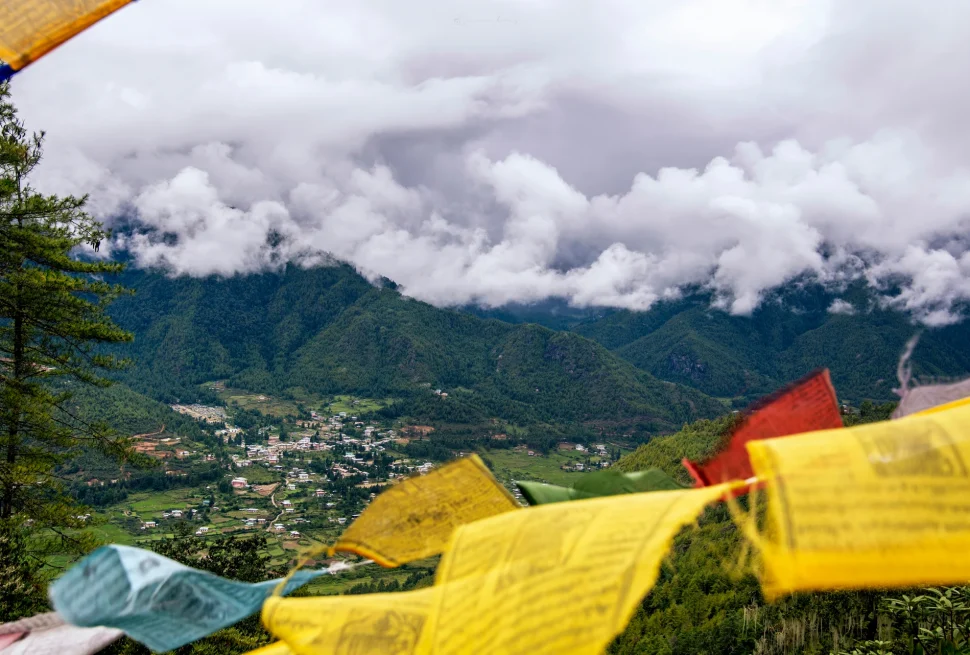
Introduction

Tucked away in the heart of the Himalayas, the Tibet Autonomous Region (TAR) is a place where breathtaking landscapes meet rich cultural traditions. Understanding the complexities of this region is essential, as it serves as a vital example of what an autonomous region truly embodies. From its stunning vistas in Central Tibet to the vibrant cultures of Kham Tibet and Amdo Tibet, this unique area captivates travelers and scholars alike.
Understanding the Tibet Autonomous Region
The Tibet Autonomous Region is not just a geographical location; it’s a cultural tapestry woven from centuries of history, spirituality, and resilience. When we ask ourselves, What is an autonomous region? we find that TAR exemplifies this concept by allowing for some degree of self-governance while remaining under the umbrella of a larger nation-state. This delicate balance makes understanding its political status crucial for anyone interested in Tibetan identity and autonomy.
The Importance of Autonomous Regions
Autonomous regions like TAR play a pivotal role in preserving cultural heritage and promoting local governance within national frameworks. They provide communities with opportunities to maintain their unique identities while navigating complex political landscapes—something especially significant in regions like Kham Tibet and Amdo Tibet, where diverse cultures thrive. By examining these areas, we gain insights into how autonomy can foster community resilience and cultural richness.
What Makes Tibet Unique
What sets the Tibet Autonomous Region apart from other regions worldwide? It’s not just its stunning natural beauty or spiritual significance; it’s also home to an unparalleled blend of traditions that reflect its historical journey through time. The Tibetan area boasts vibrant festivals, exquisite arts and crafts, and deep-rooted spiritual practices that continue to inspire millions—making it a truly unique destination for adventurers seeking authenticity.
The Definition of an Autonomous Region

To truly appreciate the Tibet Autonomous Region, it’s essential to grasp what an autonomous region is. At its core, an autonomous region is a designated area within a country that enjoys some degree of self-governance and independence. This structure allows regions like Central Tibet, Kham Tibet, and Amdo Tibet to maintain their unique cultural identities while remaining part of a larger national framework.
Characteristics of Autonomous Regions
What defines an autonomous region? Primarily, these areas possess distinct political and administrative structures that grant them specific rights and privileges not available to other regions. In the case of the Tibet Autonomous Region, this includes aspects such as local governance over cultural practices, education systems, and even economic development initiatives tailored to the Tibetan area’s needs.
Moreover, autonomous regions often have their own languages and cultural practices that are preserved through local laws and regulations. For instance, in Kham Tibet and Amdo Tibet, traditional customs are upheld alongside modern influences. This blend allows for a rich tapestry of life that reflects both historical significance and contemporary realities.
Examples Around the World
While the concept may seem unique to certain areas like the Tibet Autonomous Region, there are numerous examples globally. Countries such as Spain with Catalonia or China with Xinjiang showcase similar arrangements where regional autonomy exists within broader national contexts. These regions often advocate for greater self-determination while contributing significantly to their nations’ diversity.
In India, states like Jammu & Kashmir also highlight how autonomy can manifest differently across borders. Each area has its own set of challenges related to governance and identity but shares a common thread: the struggle for recognition within larger political entities. Understanding these examples helps clarify why places like Central Tibet matter in discussions about autonomy.
Why Tibet Matters
The significance of the Tibet Autonomous Region extends beyond its geographical boundaries; it embodies a rich history steeped in spiritual traditions and cultural heritage. The Tibetan area serves as a vital hub for Tibetan Buddhism—a religion that has influenced millions worldwide—making it crucial in global dialogues about spirituality and philosophy.
Moreover, Kham Tibet’s rugged landscapes offer unparalleled natural beauty that attracts adventurers from all corners of the globe. Meanwhile, Amdo Tibet is renowned for its vibrant festivals which celebrate age-old customs that resonate deeply with both locals and visitors alike. Understanding why Tibet matters means recognizing its role as a bridge between ancient traditions and modern challenges in pursuing autonomy.
Geography of the Tibet Autonomous Region

The Tibet Autonomous Region is a breathtaking tapestry of diverse landscapes and cultures, making it a unique geographical marvel. From the towering peaks of the Himalayas to expansive plateaus, Central Tibet serves as the heart of this region. The interplay between its natural beauty and rich cultural heritage defines what makes this area so special.
Central Tibet’s Unique Features
Central Tibet is often referred to as the spiritual and cultural nucleus of the Tibetan area, housing Lhasa, the capital city. Here, visitors can explore iconic landmarks such as the Potala Palace and Jokhang Temple, which embody centuries of Tibetan Buddhism. This region is characterized by vast high-altitude plains and stunning mountain ranges, providing a dramatic backdrop that enhances its spiritual significance.
Exploring Kham Tibet
Kham Tibet offers an exhilarating adventure for those looking to delve deeper into Tibetan culture and traditions. Nestled in eastern Tibet, Kham is known for its rugged terrain and vibrant nomadic lifestyle that sets it apart within the broader context of what is an autonomous region. Travelers can experience colorful festivals, traditional music, and unique culinary delights while interacting with local communities that preserve their age-old customs.
The Diversity of Amdo Tibet
Amdo Tibet showcases another facet of Tibetan identity with its distinct cultural practices and languages that differ from Central Tibet or Kham Tibet. This region boasts lush grasslands and rolling hills where herders graze yaks—an integral part of Amdo’s pastoral economy. The richness in biodiversity here parallels the diversity in cultural expressions found throughout this part of what is an autonomous region; from traditional thangka painting to lively horse-racing festivals.
Cultural Significance of Tibet
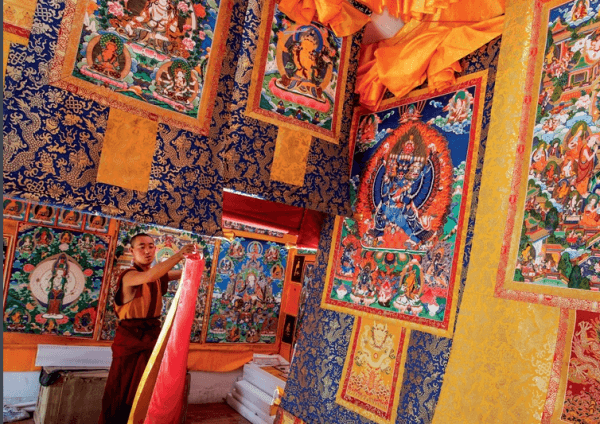
Tibet, often referred to as the Tibet Autonomous Region, is a treasure trove of cultural richness that reflects its unique identity. The Tibetan area is steeped in traditions shaped by its geography and history, making it a vibrant hub for diverse practices and beliefs. From the majestic monasteries perched on mountain tops to the lively festivals celebrated throughout Central Tibet, the cultural significance of this region is profound.
Tibetan Buddhism and Its Influence
Tibetan Buddhism serves as the backbone of Tibetan culture, influencing everything from daily life to art and architecture. Rooted in Mahayana Buddhism, it emphasizes compassion and wisdom, shaping the worldview of those in Kham Tibet and Amdo Tibet alike. Monasteries are not just places of worship; they are centers of learning where ancient texts are studied and preserved, ensuring that this rich spiritual heritage continues to thrive.
Festivals and Celebrations in the Tibetan Area
Festivals in Tibet are spectacular events that showcase the region’s vibrant culture and community spirit. Celebrations like Losar (Tibetan New Year) bring together families across Central Tibet, filled with traditional music, dance, and delicious food that reflect local customs. In Kham Tibet and Amdo Tibet, unique regional festivals highlight local deities’ blessings through colorful processions that mesmerize locals and travelers alike.
Traditional Arts and Crafts
The artistry found within the Tibetan area is a testament to its rich cultural tapestry. Traditional arts such as thangka painting—intricate scrolls depicting Buddhist themes—are highly revered across all regions including Central Tibet, Kham Tibet, and Amdo Tibet. Craftsmanship extends beyond visual arts; artisans create stunning textiles using age-old techniques passed down through generations which embody both functionality and spirituality.
The Role of GuideTibet
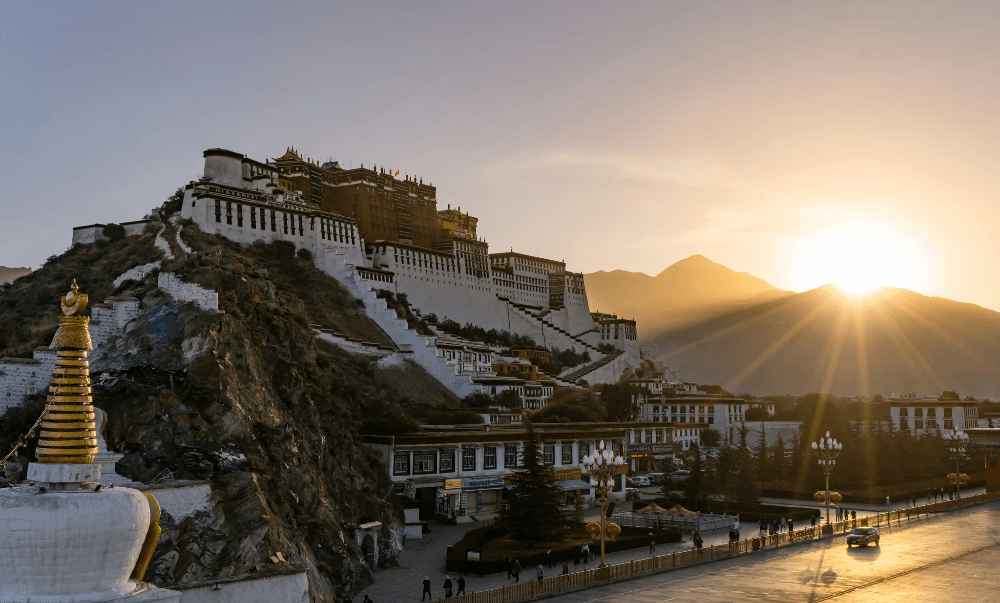
When it comes to exploring the breathtaking landscapes and rich cultural tapestry of the Tibet Autonomous Region, GuideTibet stands out as a beacon for travelers seeking an authentic experience. With a focus on customizable tours tailored for you, they ensure that every adventure is uniquely yours. Whether you’re drawn to the serene monasteries of Central Tibet or the vibrant festivals in Kham Tibet, there’s something special waiting just for you.
Customizable Tours Tailored for You
At GuideTibet, the journey begins with you in mind. Their customizable tours allow travelers to craft an itinerary that aligns perfectly with personal interests and preferences, whether it’s trekking through Amdo Tibet’s stunning landscapes or engaging with local communities in the Tibetan area. This flexibility ensures that every visitor can explore what is an autonomous region like Tibet in a way that resonates most deeply with them.
The team at GuideTibet understands that one size does not fit all; hence they offer options ranging from spiritual retreats to adventure-filled excursions. Want to immerse yourself in Tibetan Buddhism? Or perhaps you’d prefer a culinary tour sampling local delicacies? The possibilities are endless when your trip is tailored just for you.
Exploring Tibetan Culture with Local Guides
One of the greatest advantages of traveling with GuideTibet is access to knowledgeable local guides who bring their expertise and passion for Tibetan culture right into your experience. These guides are not just there to show you around; they serve as cultural ambassadors who can explain what makes this autonomous region so unique—from its rich traditions to its historical significance within China.
As you traverse through Central Tibet or delve into Kham Tibet’s vibrant heritage, these guides share stories and insights that deepen your understanding of this fascinating land. They can introduce you to traditional arts and crafts or help navigate bustling markets where you’ll find authentic Tibetan souvenirs—giving travelers an insider’s perspective on life in the Tibetan area.
Connecting Travelers with the Authentic Tibetan Experience
GuideTibet goes beyond mere sightseeing; their mission is about connecting travelers with an authentic Tibetan experience that respects local customs and traditions. By fostering relationships between visitors and locals, they create opportunities for genuine interactions, whether it’s participating in local festivals or volunteering within communities across Amdo Tibet.
This commitment ensures that your visit contributes positively to both cultural preservation and community development while allowing you to leave behind mere footprints—creating lasting memories instead. So if you’re wondering what is an autonomous region like when experienced authentically, look no further than a journey crafted by GuideTibet.
Challenges Facing the Tibet Autonomous Region

The Tibet Autonomous Region (TAR) is not just a geographical area; it’s a complex tapestry woven with political, environmental, and cultural threads. As we explore the challenges facing this unique region, it’s crucial to understand how these issues intertwine to shape the Tibetan experience. From political autonomy to environmental concerns and cultural preservation, each facet presents significant hurdles for the people of this extraordinary land.
Political Status and Autonomy Issues
What is an autonomous region? In theory, it allows for self-governance while remaining part of a larger nation-state. However, in practice, the political status of the Tibet Autonomous Region raises questions about true autonomy. Central Tibet has long been at the center of discussions regarding human rights and self-determination, as many locals feel their voices are stifled by external authorities. The ongoing tension between Tibetan identity and Chinese governance complicates efforts to achieve meaningful autonomy in this culturally rich area.
Environmental Concerns in High Altitude Regions
The breathtaking landscapes of Kham Tibet and Amdo Tibet come with their own set of challenges—particularly environmental ones. High-altitude regions like those found in the TAR face threats from climate change that impact both ecosystems and local livelihoods. Melting glaciers, changing weather patterns, and deforestation jeopardize not only wildlife but also traditional ways of life in Tibetan areas where nature holds profound spiritual significance.
Preservation of Cultural Heritage
Cultural preservation is another pressing challenge for the Tibet Autonomous Region as globalization continues to exert influence over traditional practices. The rich tapestry of Tibetan culture—including its language, art forms, and spiritual practices—faces dilution amidst rapid modernization and outside influences. Efforts to safeguard unique aspects of life in Central Tibet must be prioritized if future generations are to inherit a vibrant cultural legacy that reflects their identity as Tibetans living within an autonomous region.
Conclusion

The Tibet Autonomous Region stands at a crossroads of cultural heritage and modern challenges, making its future both intriguing and uncertain. As global interest in this unique area grows, the importance of understanding what is an autonomous region becomes paramount. The distinctive features of Central Tibet, Kham Tibet, and Amdo Tibet contribute to a rich tapestry that deserves protection and appreciation.
The Future of the Tibet Autonomous Region
Looking ahead, the future of the Tibet Autonomous Region hinges on balancing development with cultural preservation. With increasing tourism, there’s potential for economic growth; however, it must be approached thoughtfully to avoid diluting Tibetan identity. Ensuring that local voices are heard will be crucial in navigating these changes while maintaining the essence of Tibetan culture.
Understanding Tibetan Identity and Autonomy
Understanding Tibetan identity is essential for grasping the complexities surrounding autonomy in this region. The diverse influences from Central Tibet, Kham Tibet, and Amdo Tibet shape a unique cultural landscape that defines what it means to be Tibetan today. Engaging with these identities fosters respect for their autonomy and highlights their significance on both a local and global stage.
Traveling Responsibly in Tibet
Traveling responsibly in the Tibetan area involves more than just sightseeing; it’s about honoring traditions and supporting local communities. Visitors should educate themselves on what is an autonomous region before embarking on their journey to appreciate its nuances fully. By choosing sustainable practices and engaging with local guides from Kham Tibet or Amdo Tibet, travelers can ensure their experiences are enriching for both themselves and the communities they visit.