Introduction
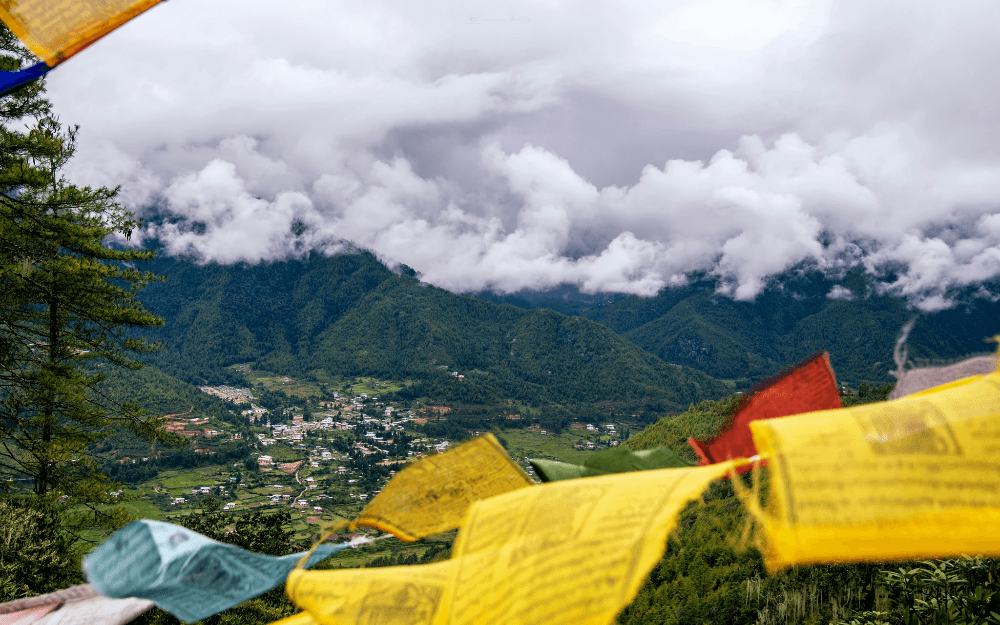
Tibet, often referred to as the Roof of the World, is a land imbued with mystique and breathtaking landscapes. From its soaring mountains to serene monasteries, discovering Tibet’s unique charm can be an unforgettable experience for any traveler. This guide will help you navigate your journey through this enchanting region, ensuring you make the most of your Tibet trip.
Discover Tibet’s Unique Charm
When you visit Tibet, you’re stepping into a world where ancient traditions meet stunning natural beauty. The vibrant culture, rich history, and warm hospitality of the Tibetan people create an atmosphere that captivates every visitor. Whether it’s exploring Lhasa’s Potala Palace or trekking near Mount Kailash, each moment in Tibet is steeped in wonder.
Finding Serenity in the Himalayas
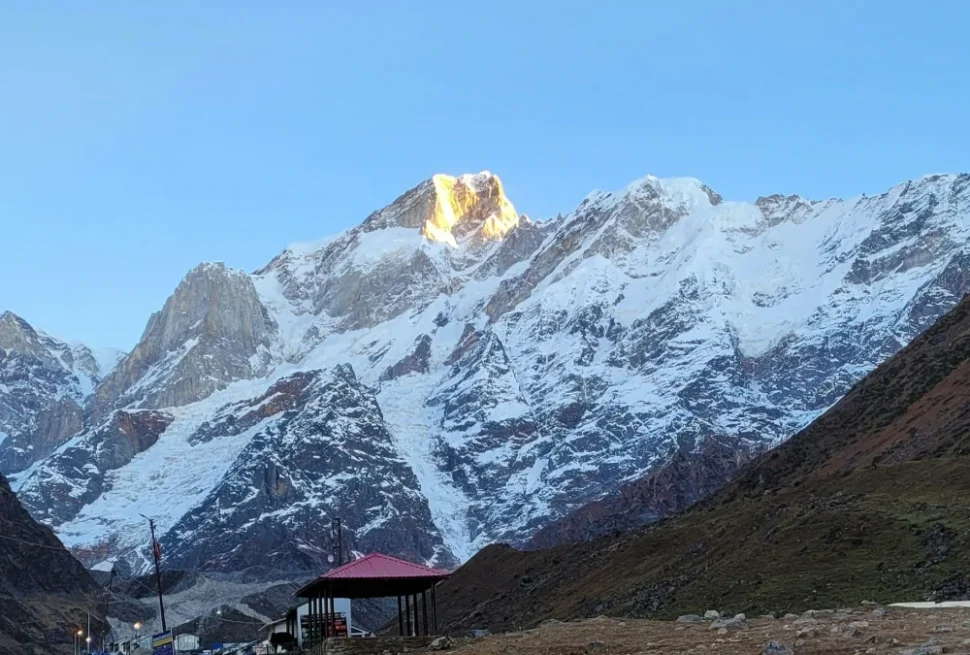
Nestled high in the Himalayas, Tibet offers a tranquil escape from the hustle and bustle of modern life. The peaceful surroundings provide an ideal backdrop for reflection and rejuvenation amidst some of the world’s highest peaks. As you breathe in the crisp air at high altitudes, you’ll find that serenity comes naturally in this extraordinary landscape.
Planning Your Perfect Tibet Trip
Planning your perfect Tibet trip requires careful consideration of various factors such as climate and local events. Understanding when is the best time to visit Tibet can significantly enhance your experience—whether you’re drawn by cultural festivals or breathtaking autumn scenery. With insights on travel logistics and must-see attractions like a trip to Mount Kailash, you’ll be well-equipped for an adventure of a lifetime.
Understanding Tibet’s Climate
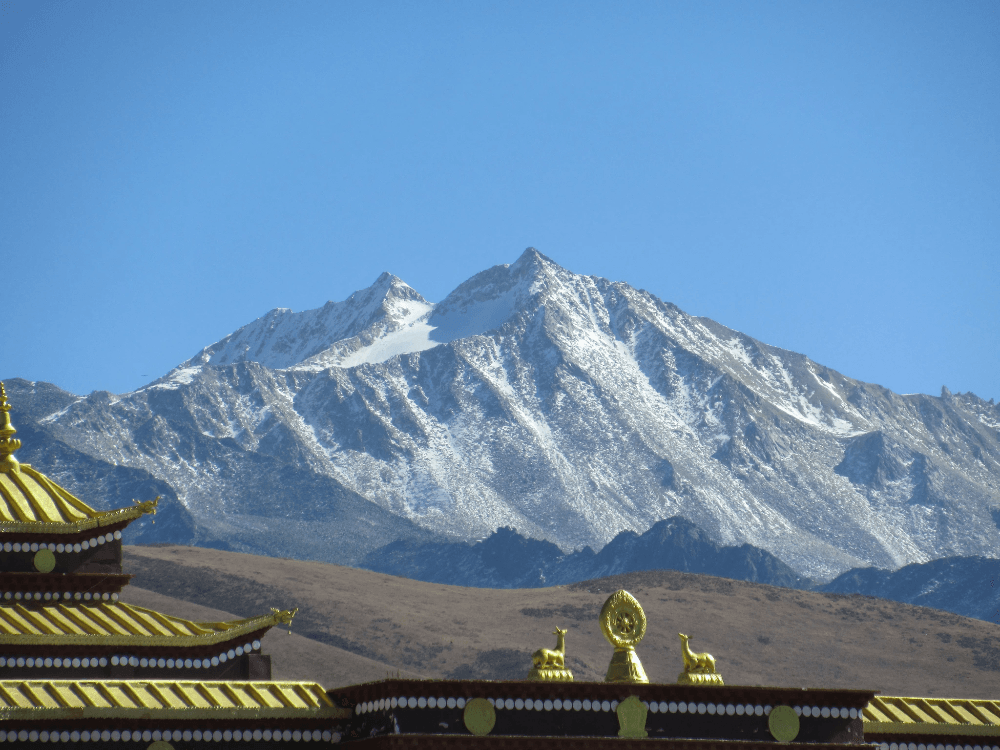
When planning your Tibet trip, understanding the climate is crucial for an enjoyable experience. The unique weather patterns in this high-altitude region can significantly influence your travel plans and activities. Knowing the best time to visit Tibet will help you make the most of your journey and fully immerse yourself in its breathtaking landscapes.
Seasonal Weather Patterns
Tibet experiences a distinct seasonal variation that can greatly affect your travel experience. Spring (March to May) brings mild temperatures and blooming flora, making it one of the best times to visit Tibet for nature lovers. Summer (June to August) is warmer but also sees increased rainfall, while autumn (September to November) showcases stunning foliage against a backdrop of clear blue skies, perfect for photography enthusiasts on their trip to Mount Kailash.
Winter (December to February), while cold, offers a serene atmosphere with fewer tourists and a chance to witness Tibetan culture without crowds. Each season presents its own charm, so choosing the best season to visit Nepal or Tibet depends on what you hope to experience—be it vibrant festivals or tranquil landscapes. Understanding these seasonal weather patterns will allow you to tailor your itinerary accordingly.
How Tibet Altitude Affects Travel
The altitude of Tibet plays a significant role in how travelers experience this majestic region. With elevations averaging over 4,000 meters (13,123 feet), visitors often face altitude sickness if they aren’t acclimatized properly. This means that planning your trip is essential; taking time to adjust before embarking on adventures like trekking around Mount Kailash is crucial for ensuring an enjoyable journey.
Travelers should also consider their physical fitness levels when planning their itineraries at such heights. Engaging in light activities during the first few days can help acclimatize your body before tackling more strenuous excursions like visiting Everest Base Camp—one of the best times to go there is during spring or early autumn when temperatures are milder and conditions are favorable for exploration. Remember that altitude affects everyone differently; it’s always wise to listen to your body while traversing this breathtaking landscape.
Ideal Temperatures for Peaceful Retreats
Finding ideal temperatures during your visit can enhance relaxation and enjoyment throughout your trip in Tibet’s serene environment. Generally, spring and autumn present comfortable daytime temperatures ranging from 15°C (59°F) to 20°C (68°F), perfect for leisurely walks through ancient monasteries or tranquil lakesides like Namtso Lake—an absolute must-see during any visit! In contrast, summer can see highs around 25°C (77°F), which may be suitable for those who enjoy warmer climates but could lead travelers into unexpected rain showers.
For those seeking peace amidst nature without excessive crowds, early spring or late autumn might be considered among the best times to visit Tibet as well as Nepal since they offer pleasant conditions with stunning scenery minus peak tourist hustle-bustle. Moreover, these seasons provide ample opportunities for cultural immersion through local festivals while enjoying ideal weather conditions that make exploration delightful!
The Best Time to Visit Tibet

When it comes to planning your Tibet trip, timing is everything. The best time to visit Tibet can drastically enhance your travel experience, allowing you to immerse yourself in the stunning landscapes and rich culture of this mystical region. Each season brings its own unique charm and opportunities for exploration, making it essential to consider what you want from your adventure.
Spring Awakens the Landscape
Spring is truly a magical time in Tibet, marking the awakening of nature after a long winter slumber. As temperatures begin to rise, flowers bloom across the valleys, painting the landscape with vibrant colors that are simply breathtaking. For those considering a trip to Mount Kailash or looking for the best season to visit Nepal as well, spring offers mild weather and fewer crowds—perfect for enjoying serene moments in this majestic setting.
In addition, springtime is ideal for travelers who wish to appreciate Tibet’s unique flora and fauna while enjoying pleasant trekking conditions at lower altitudes. The Tibetan Plateau begins to thaw, making it easier to explore some of its hidden gems without battling harsh weather conditions or heavy tourist traffic. So if you’re aiming for an unforgettable Tibet travel experience filled with natural beauty and tranquility, spring might just be your golden ticket.
Summer for Cultural Festivals
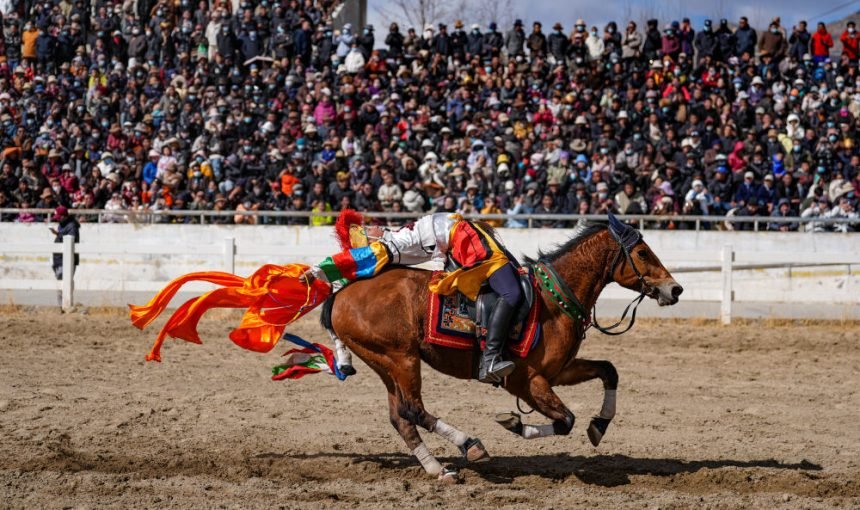
Summer in Tibet is synonymous with vibrant cultural festivals that showcase the region’s rich traditions and lively spirit. This season attracts many visitors eager to partake in celebrations like Saga Dawa and Shoton Festival—events that provide an authentic glimpse into Tibetan life while offering plenty of opportunities for socializing and learning about local customs. If you’re wondering about the best time to go to Base Camp Everest during summer months, you’ll find clear skies perfect for capturing stunning mountain vistas.
While summer can bring warmer temperatures at lower altitudes—ideal for exploring towns like Lhasa—the higher elevations may still be brisk due to Tibet’s altitude effects; thus packing layers is crucial! Additionally, with longer daylight hours available during these months, you can maximize each day’s adventures by visiting monasteries or hiking scenic trails without feeling rushed. Embrace the energy of summer festivals as you experience firsthand how they connect locals and travelers alike through shared joy!
Autumn’s Breathtaking Beauty
As summer fades into autumn, Tibet transforms into a painter’s canvas adorned with hues of gold and crimson—a sight not easily forgotten! Autumn offers some of the most stunning landscapes you’ll ever encounter; from lush valleys dotted with harvests ready for collection to snow-capped peaks standing proudly against clear blue skies—this season truly showcases nature at its finest. For those planning their trip around Mount Kailash or seeking out peaceful retreats amidst breathtaking scenery, autumn provides ideal conditions coupled with fewer tourists.
Moreover, autumn’s crisp air makes trekking particularly enjoyable while allowing travelers ample opportunity for reflection amidst serene surroundings—a perfect antidote after busy summer festivities! As you wander through quaint villages or explore ancient monasteries nestled against dramatic backdrops during this enchanting time of year, you’ll find yourself captivated by both nature’s beauty and Tibetan culture alike. So pack your bags because visiting Tibet in autumn promises memories that will last a lifetime!
Key Events and Festivals in Tibet
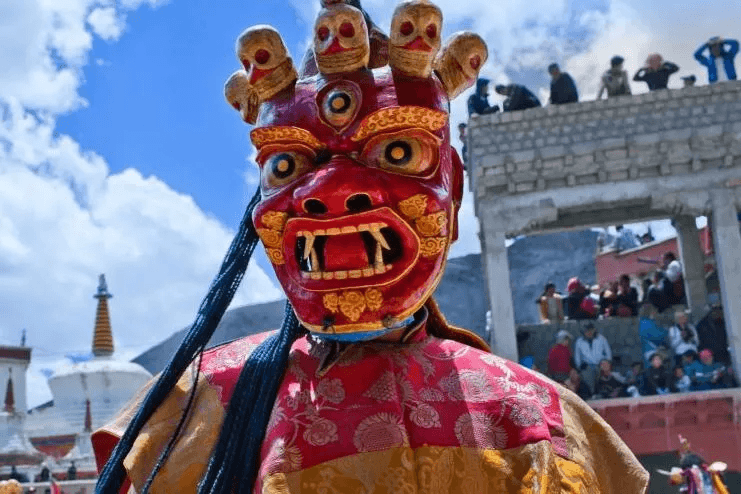
Tibet is a land of vibrant culture and deep spirituality, making its festivals some of the most enchanting experiences for travelers. Each event reflects the rich traditions of the Tibetan people and offers unique insights into their way of life. If you’re planning your Tibet trip, timing your visit around these key events can enhance your experience immensely.
Losar: Tibetan New Year Celebrations
Losar, the Tibetan New Year, is one of the most significant celebrations in Tibet, marking the arrival of spring and new beginnings. It usually falls between late February and early March, making it an ideal time to visit Tibet if you want to immerse yourself in local customs. During this festive period, expect vibrant parades, traditional music and dance performances, and delicious feasts that showcase Tibetan cuisine.
Participating in Losar festivities provides an excellent opportunity for cultural exchange and connection with locals who are eager to share their traditions with visitors. The atmosphere is filled with joy as families come together to honor their ancestors while welcoming good fortune for the year ahead. If you’re considering a trip to Mount Kailash during this time, be prepared for a lively celebration that adds an extra layer of magic to your journey.
Saga Dawa: Pilgrimage Season
Saga Dawa is another important festival celebrated in Tibet that highlights the spiritual devotion of its people. Occurring on the full moon day in May or June, it commemorates Buddha’s birth, enlightenment, and death—making it a deeply meaningful occasion for pilgrims visiting sacred sites throughout Tibet. This pilgrimage season sees thousands flocking to holy places like Mount Kailash.
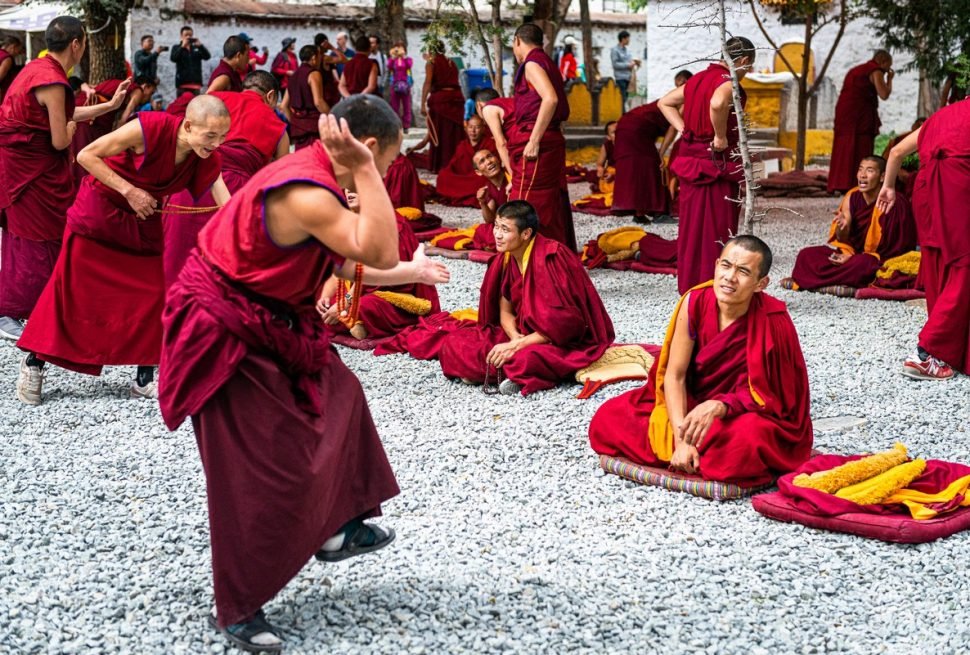
Visiting during Saga Dawa offers a chance not only to witness breathtaking landscapes but also to see devotees engaging in rituals such as prostrations around sacred mountains or spinning prayer wheels at monasteries. This festival attracts many travelers looking for spiritual growth while navigating the challenges posed by Tibet’s altitude. For those seeking tranquility amid nature’s beauty during this pilgrimage season, it’s undoubtedly one of the best times to visit Tibet.
The Shoton Festival: A Cultural Extravaganza
The Shoton Festival—or Yogurt Festival—is celebrated every August and marks the end of monastic summer retreats when monks emerge from meditation practices. This spectacular event showcases traditional opera performances along with exquisite displays of Tibetan culture through art forms such as dance and music—truly a cultural extravaganza! Attending Shoton provides an amazing opportunity for visitors who want to experience authentic Tibetan traditions firsthand.
During this time, Lhasa transforms into a vibrant hub where locals gather at Norbulingka Palace for picnics while enjoying captivating performances under clear blue skies—a perfect setting against stunning Himalayan backdrops! For those planning their best time to go to Base Camp Everest or other areas nearby during this month-long celebration can expect unforgettable experiences filled with warmth from both locals and fellow travelers alike. Make sure not just any trip will do; timing your visit around these festivals guarantees memories that last a lifetime!
Planning a Tibet Trip around Mount Kailash

Planning a trip to Mount Kailash is not just about the destination; it’s an adventure that requires thoughtful preparation. This sacred mountain, revered by multiple religions, offers an unparalleled experience for those seeking peace and spiritual connection. To ensure your journey is smooth and fulfilling, understanding the best time to visit Tibet and how to navigate its unique challenges is essential.
Best Time for a Trip to Mount Kailash
The best time to visit Tibet, particularly Mount Kailash, is during the spring and autumn months when the weather tends to be mild and dry. Spring (April to June) showcases blooming landscapes, while autumn (September to October) offers crisp air and stunning views of the surrounding peaks. These seasons provide ideal conditions for trekking around this holy site without being overwhelmed by extreme temperatures or heavy rainfall.
In contrast, summer can be quite busy due to numerous cultural festivals in Tibet, making it less ideal for those seeking tranquility on their Tibet trip. Winter can be harsh with significant snowfall and frigid temperatures that can deter even the most adventurous travelers from venturing out. Therefore, if you aim for a peaceful retreat while enjoying breathtaking vistas during your trip to Mount Kailash, spring or autumn is undoubtedly the best season.
Essential Permit and Preparation Tips
Traveling in Tibet requires some essential permits due to its unique political status and altitude challenges; thus, planning ahead is crucial for a successful journey. Visitors need a Tibet Travel Permit issued by a travel agency like GuideTibet before entering the region—this document ensures compliance with local regulations while allowing access to various areas including Mount Kailash. Additionally, if you plan on trekking or visiting certain restricted locations, further permits may be necessary.
Given that you’ll be navigating high altitudes during your trip—especially at places like Mount Kailash—it’s important to acclimatize properly before embarking on any strenuous activities. Spend a few days in Lhasa or other lower-altitude areas before heading up; this will help minimize altitude sickness risks associated with Tibet’s elevation. Packing wisely is also key: include layers of clothing suitable for fluctuating temperatures and essentials such as water purification tablets since clean drinking water can sometimes be scarce.
Guided Tours with GuideTibet
For those who prefer hassle-free travel arrangements while exploring this magnificent region, guided tours with GuideTibet are highly recommended! Their knowledgeable guides not only assist you through permit processes but also enrich your trip with insights into Tibetan culture and history—making your visit truly unforgettable. They offer tailored itineraries that focus on both popular highlights as well as hidden gems around Mount Kailash.
Participating in organized tours means you won’t have to worry about logistics; from transportation arrangements along rugged mountain roads to accommodation bookings at various stops along your trek—everything will be taken care of! Plus, having local guides familiar with Tibetan customs enhances your experience significantly—they know where all the best spots are located for breathtaking photos or serene moments of reflection amid nature’s beauty. So if you’re eager for an enriching adventure during your trip to Mount Kailash while ensuring safety amidst high altitudes, consider booking through GuideTibet!
The Impact of Peak Tourist Seasons

When planning a Tibet trip, understanding the impact of peak tourist seasons is crucial for an enjoyable experience. The best time to visit Tibet often coincides with busy travel periods, bringing both excitement and challenges. Visitors should weigh the pros and cons of high season visits to make informed decisions about their travel plans.
Pros and Cons of High Season Visits
High season in Tibet typically runs from May to October, which is considered the best time to visit Tibet for pleasant weather and vibrant cultural experiences. On one hand, travelers can enjoy lively festivals, stunning landscapes, and meet fellow adventurers who share a passion for exploration. On the flip side, this influx can lead to crowded attractions and higher prices for accommodations, making it essential to plan your tibet travel itinerary carefully.
Additionally, while the social atmosphere is invigorating during peak seasons, some may find it overwhelming amidst throngs of tourists at popular sites like Mount Kailash or Base Camp Everest. If you’re seeking a more intimate connection with nature or local culture during your trip to Mount Kailash, consider how these crowds might affect your experience. Ultimately, striking a balance between enjoying the vibrant energy of peak season while avoiding excessive chaos is key.
Advice for Off-Peak Travel
For those looking to escape the hustle and bustle of high tourist seasons in Tibet, off-peak travel offers its own set of advantages. Visiting during shoulder seasons—late autumn or early spring—can provide a more serene experience with fewer crowds and lower costs on tibet trips. While some attractions may have limited access due to weather conditions or maintenance during these times, you’ll likely find that tranquility allows for deeper reflection on Tibet’s unique charm.
Moreover, off-peak travel means you can embrace unexpected encounters with locals who are often more available for conversations when tourism slows down. Springtime awakens beautiful wildflowers across Tibetan landscapes while autumn showcases stunning golden hues; both offer picturesque backdrops without overwhelming crowds. If you’re considering the best season to visit Nepal as well as Tibet simultaneously, consider how these off-peak periods can enhance your overall journey through these majestic regions.
Enjoying Tranquility Amidst Nature
One of the most rewarding aspects of visiting Tibet during less busy times is experiencing its breathtaking natural beauty in peace. With fewer tourists around, you’ll have ample opportunities to soak in serene views from iconic spots like Lake Namtso or Yamdrok Lake without distractions—perfect moments for meditation or quiet contemplation at high altitude locations. Whether you’re trekking through remote valleys or simply enjoying a sunset over Lhasa’s rooftops, tranquility enhances every aspect of your tibet travel experience.
During quieter months like late September or March—when many travelers shy away—you may stumble upon hidden gems that might otherwise be overlooked amid larger groups exploring popular sites like Potala Palace or Jokhang Temple. This sense of discovery adds an exciting layer to any trip; after all, sometimes it’s about finding those less-traveled paths that lead you closer to understanding a place’s true essence! So pack your bags wisely when considering your best time to go; tranquility awaits!
Conclusion
After exploring the enchanting landscapes and rich culture of Tibet, it’s time to wrap up your journey with some final thoughts. Whether you’re planning a Tibet trip for spiritual enlightenment or simply to soak in breathtaking views, a well-structured itinerary can make all the difference. With the right tips and insights, your adventure can transform into a deeply relaxing experience amidst the grandeur of the Himalayas.
Tips for a Relaxing Tibet Itinerary
To ensure your Tibet travel experience is as serene as possible, start by choosing the best time to visit Tibet based on your interests. Spring offers blooming landscapes while autumn showcases vibrant colors that are perfect for photography enthusiasts. Don’t forget to factor in the altitude; acclimatization days are essential for enjoying activities like trekking around Mount Kailash without feeling overwhelmed.
When planning your trip to Mount Kailash, consider incorporating leisurely activities such as meditation or yoga sessions amidst nature’s tranquility. Aim to mix cultural explorations with downtime; visiting local monasteries can be enlightening yet peaceful. Remember, balancing adventure with relaxation is key to fully embracing what makes this region so special.
Embrace Tibet’s Rich Culture and Nature
Visiting Tibet is not just about stunning vistas; it’s also an invitation to immerse yourself in its rich culture and traditions. From participating in local festivals like Losar to exploring ancient monasteries, each experience adds depth to your journey. The best season to visit Nepal coincides beautifully with Tibetan festivals, offering an opportunity for cross-cultural experiences that enrich both trips.
Nature lovers will find solace in Tibet’s untouched beauty—majestic mountains and serene lakes provide perfect backdrops for introspection and rejuvenation. As you wander through picturesque landscapes, take time to appreciate the harmonious relationship between nature and spirituality that defines Tibetan life. This connection will leave you feeling inspired long after you’ve returned home.
Why GuideTibet Makes Your Trip Special
Choosing GuideTibet ensures that every aspect of your journey is tailored specifically for you, making it easier than ever to navigate this unique destination. They offer expert guidance on when is the best time to go to base camp Everest or how altitude affects travel plans—insider knowledge that makes all the difference! With their support, you can focus on enjoying everything from cultural sites in Lhasa to breathtaking views around Mount Kailash without worrying about logistics.
What sets GuideTibet apart is their commitment not only to showcasing stunning landscapes but also fostering authentic connections with local communities. Their tours allow travelers not just a glimpse into Tibetan life but a genuine engagement with its people and traditions—an experience that enriches any trip significantly! So pack your bags knowing you’re set for an unforgettable adventure filled with wonder at every turn.