Introduction
Traveling to Tibet is an experience unlike any other, but it comes with its own set of intricacies and restrictions. For those wondering, Why is travel to Tibet restricted? the answer lies in a complex interplay of historical, political, and cultural factors that shape access to this mystical land. Many travelers find themselves asking, Why can’t you go to Tibet? as they navigate the labyrinth of regulations that govern this unique destination.
Understanding Travel Restrictions to Tibet
The restrictions on traveling to Tibet are not just bureaucratic hurdles; they stem from a rich tapestry of history intertwined with modern politics. The question Why was Tibet closed? often arises when discussing these limitations, reflecting the sensitive nature of the region’s status within China. Understanding these nuances is crucial for anyone looking to embark on a journey through this breathtaking landscape.
The Necessity of Permits for Tibet Travel
One cannot simply pack their bags and head off to Tibet; permits are essential for entry into this region. Travelers frequently ask, Do you need permission to go to Tibet? The answer is a resounding yes! Without the proper permits, your Tibetan adventure could remain just a dream.
Insights from GuideTibet
As you plan your adventure in 2025 and ponder questions like Can Chinese citizens go to Tibet?, it’s vital to seek insights from local experts like GuideTibet. They provide invaluable information on navigating travel restrictions while ensuring an enriching experience in this culturally rich area. With their guidance, you’ll learn how to smoothly visit Tibet under travel restrictions while respecting its traditions and regulations.
Why is Travel to Tibet Restricted?
Travel to Tibet is a topic shrouded in mystery and intrigue, often leading curious travelers to ask, Why can’t you go to Tibet? The restrictions on travel stem from a combination of historical, political, and cultural factors that have shaped this unique region. Understanding these elements can help demystify the complexities surrounding Tibetan travel and the necessity of permits.
Historical Context of Tibet Restrictions
The historical context of why travel to Tibet is restricted dates back centuries but intensified significantly after the Chinese government asserted control over the region in the 1950s. Following this takeover, various policies were enacted that limited access to foreign visitors, stemming from fears about potential unrest or foreign influence. These restrictions have evolved over time but remain rooted in a tumultuous history that continues to shape perceptions today.
Political Factors Affecting Access
Political factors play a crucial role in determining who can visit this breathtaking land. The Chinese government closely monitors entry into Tibet as part of its broader strategy for maintaining control over the region. This leads many travelers to wonder not just Do you need permission to go to Tibet? but also Can Chinese citizens go to Tibet? While domestic travelers face fewer hurdles than foreigners, they still encounter bureaucratic red tape and regulations designed to manage access.
Cultural Preservation and Protection
Cultural preservation is another significant reason behind travel restrictions in Tibet. The unique Tibetan culture, language, and religious practices are under constant threat from modernization and outside influences; hence, authorities aim to protect these aspects by controlling tourism flows. As such, understanding who falls under “These People Cannot Travel to Tibet” becomes essential for anyone planning a visit—certain groups may face outright bans or additional scrutiny when applying for permits.
Do You Need Permission to Go to Tibet?
When it comes to travel to Tibet, the answer is a resounding yes—permission is mandatory. This necessity arises from a complex blend of historical, political, and cultural factors that contribute to why is travel to Tibet restricted. Understanding these requirements can help you navigate the bureaucratic maze and ensure your Tibetan adventure goes off without a hitch.
Types of Permits Required
Travelers must secure several permits before embarking on their journey to Tibet. The most crucial document is the Tibet Travel Permit, which allows entry into the region and is required for all travelers, including foreign tourists and Chinese citizens alike. Additionally, if you’re planning to visit specific areas like Mount Everest or Ngari Prefecture, extra permits may be needed—because why can’t you go to Tibet without jumping through some hoops?
How to Obtain Your Travel Permit
Obtaining your travel permit involves a few steps that can feel daunting at first glance. You’ll need to book a tour with an authorized travel agency like GuideTibet; they will handle most of the paperwork for you. Once your tour is confirmed, you’ll need to provide necessary documents such as your passport and visa; then sit back while they work their magic in securing those elusive permits.
Dealing with Bureaucracy in Permit Applications
Navigating the bureaucracy when applying for permits can be quite an adventure in itself! Be prepared for potential delays or additional paperwork requests along the way—after all, understanding why was Tibet closed in certain periods helps contextualize this red tape. Patience is key here; ensure you submit applications well ahead of your intended travel dates so you can smoothly visit Tibet under travel restrictions in 2025.
Can Chinese Citizens Go to Tibet?
Traveling to Tibet is a topic that raises many questions, especially for Chinese citizens wondering about the regulations and restrictions they might face. The short answer is yes, Chinese citizens can go to Tibet, but they must navigate through a series of regulations that differ from those imposed on foreign travelers. Understanding these guidelines is essential for anyone planning a trip to this unique region.
Regulations for Domestic Travelers
The regulations for domestic travelers wishing to visit Tibet are generally less stringent than those for international tourists. However, Chinese citizens still need specific permits and approvals before embarking on their journey. In recent years, the government has implemented measures that require domestic travelers to apply for a Travel Permit, which serves as an essential document confirming their eligibility to enter Tibet.
While some may wonder why travel to Tibet is restricted even for Chinese citizens, it primarily stems from concerns over security and the preservation of local culture. This means that while you can visit, you’ll need to be mindful of the rules and protocols in place. So, if you’re asking yourself Do you need permission to go to Tibet? the answer is yes—at least in terms of securing your Travel Permit.
Challenges Chinese Citizens Face
Despite having access rights, many Chinese citizens encounter challenges when trying to travel to Tibet. One significant hurdle involves navigating bureaucratic processes that can be time-consuming and confusing; paperwork often requires patience and persistence. Additionally, there are instances where local authorities may impose restrictions based on current political climates or public sentiment about tourism in sensitive areas.
Moreover, some individuals may find themselves facing scrutiny or questioning about their motives for visiting this historically rich yet politically complex region. This leads many people wondering: Why can’t you go to Tibet? The reality is that while access exists, it’s not always straightforward due to various factors influencing travel permissions.
Understanding Local Sentiments
Understanding local sentiments in Tibet can also play a crucial role in how smoothly your visit unfolds—especially if you’re part of the broader demographic of domestic travelers from China. While many locals welcome visitors with open arms, there’s an underlying tension stemming from historical grievances and cultural preservation concerns that cannot be ignored.
This complexity makes it vital for travelers—both foreign and domestic—to approach their visit with respect and awareness of local customs and feelings towards outsiders exploring their homeland. When considering These People Cannot Travel to Tibet, it’s essential not only to think about who might face restrictions but also how different groups within China feel about tourism in general.
To make your trip enjoyable while respecting these nuances—especially under travel restrictions in 2025—engaging with knowledgeable guides can provide invaluable insights into navigating both cultural sensitivities and regulatory requirements effectively.
How to Smoothly Visit Tibet
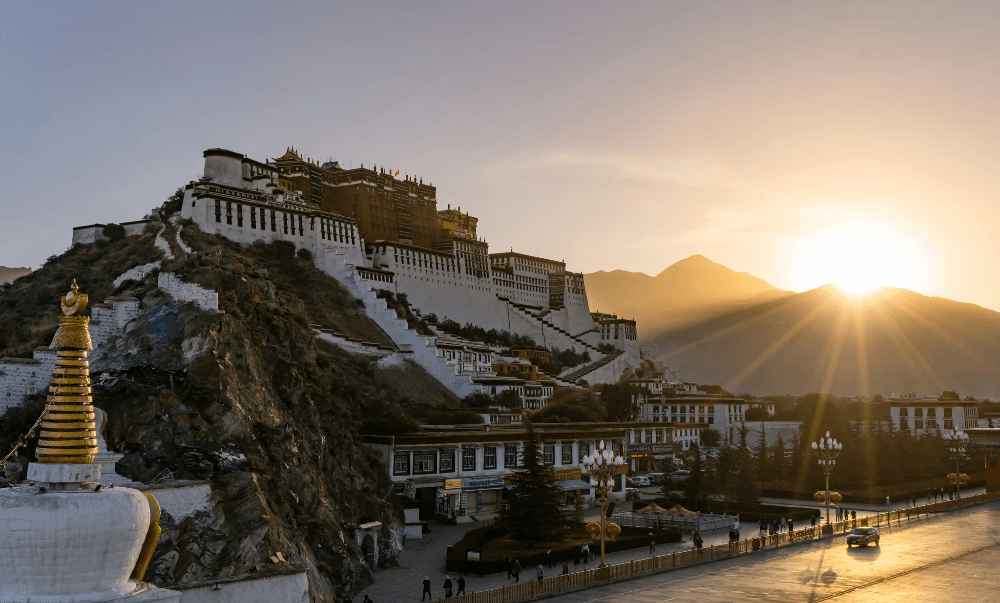
Visiting Tibet can feel like a daunting task, especially with the myriad of travel restrictions in place. However, with proper planning and the right resources, you can navigate these challenges and enjoy an unforgettable adventure. Understanding how to smoothly visit Tibet under travel restrictions in 2025 is essential for making the most of your journey.
Engaging with GuideTibet for Local Insights
One of the best ways to ensure a smooth trip is by engaging with local guides like GuideTibet. They provide invaluable insights into why is travel to Tibet restricted and help you navigate the complex permit system. Plus, having a knowledgeable guide can enhance your experience by sharing cultural nuances that you might miss otherwise.
When it comes to understanding Why can’t you go to Tibet?, local guides are your best allies. They can explain historical contexts and current regulations that affect travelers today, ensuring you’re well-informed before setting foot in this breathtaking region. Additionally, they often have insider tips on hidden gems that may not be on typical tourist itineraries.
By collaborating with GuideTibet, you’re not just following rules; you’re embracing the rich tapestry of Tibetan culture and history while respecting its boundaries. This partnership allows for a more immersive experience while addressing questions like Do you need permission to go to Tibet? right from the start.
Planning Your Itinerary with Restrictions in Mind
When crafting your itinerary for Tibet, it’s crucial to consider existing travel restrictions carefully. Some areas may be off-limits or require special permits, so knowing where you can go will save time and frustration later on. Researching places that align with your interests while keeping these limitations in mind will lead to a more enjoyable experience.
Understanding why was Tibet closed at certain times helps frame your expectations about accessibility during your visit in 2025. Popular destinations such as Lhasa or Mount Everest Base Camp are typically open but may require advance bookings due to ongoing regulations affecting foreign travelers and even some Chinese citizens who wish to explore their homeland fully.
Be sure also to account for factors such as altitude acclimatization when planning your daily activities—this ensures you’ll be fit enough to enjoy everything from ancient monasteries to stunning landscapes without feeling overwhelmed by altitude sickness or fatigue.
Best Practices for a Respectful Visit
Respecting local customs and traditions is paramount when visiting any new place, especially one as culturally rich as Tibet. Familiarize yourself with basic etiquette—such as greeting locals appropriately or understanding sacred sites—to show respect during your travels here. Remember that engaging meaningfully helps foster goodwill between visitors and residents alike.
When considering These People Can Not Travel to Tibet, it’s essential also to reflect on how our actions impact local communities and their sentiments towards tourists—especially those from restricted backgrounds or nationalities facing challenges accessing this unique region. Being mindful of these dynamics promotes better relations between travelers and locals while enhancing overall experiences for everyone involved.
Ultimately, being respectful goes beyond mere compliance; it enriches your journey through authentic interactions that create lasting memories while answering questions like Can Chinese citizens go to Tibet? through shared experiences rather than barriers alone.
These People Cannot Travel to Tibet
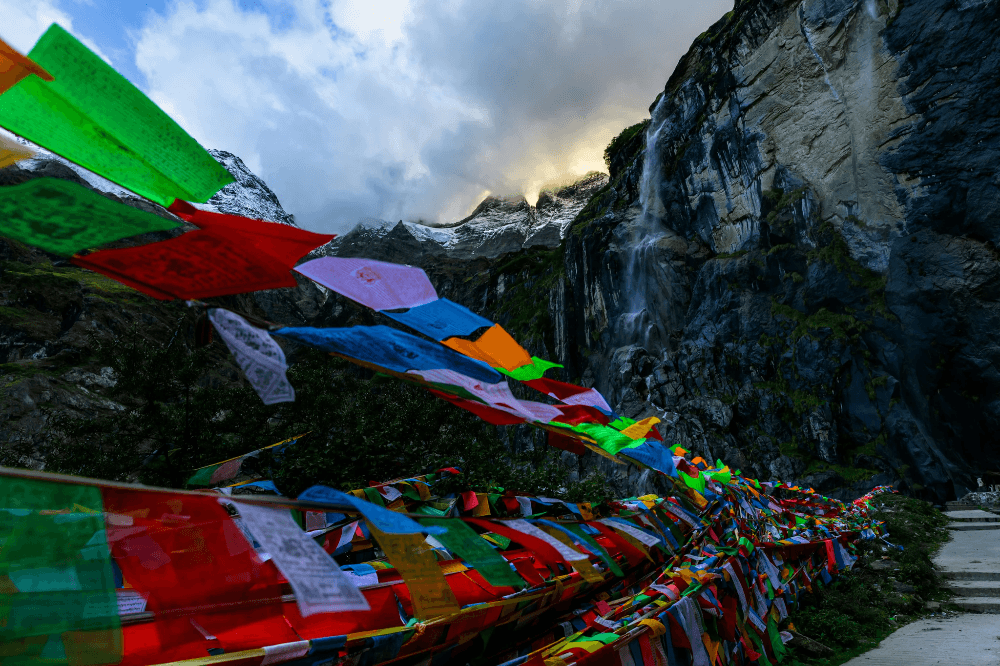
Traveling to Tibet is a dream for many, but not everyone can embark on this journey. The region’s unique political and cultural landscape has led to specific restrictions that affect various groups of people. Understanding who cannot travel and why is crucial for anyone considering a trip to this mystical land.
Understanding Restricted Groups
When asking, Why can’t you go to Tibet?, it’s essential to recognize that certain groups are subject to travel restrictions due to their nationality, political affiliations, or other factors. For example, individuals with ties to organizations deemed sensitive by the Chinese government may find themselves unable to secure the necessary permits. Additionally, citizens from countries with strained diplomatic relations with China often face more stringent entry requirements.
These restrictions are part of broader efforts by the Chinese authorities to maintain control over the region and its narrative. As such, understanding these nuances can help potential travelers navigate the complexities of Tibetan travel more effectively. Ultimately, it’s a delicate balance between personal aspirations and geopolitical realities.
How Travel Restrictions Affect Different Nationalities
The question Do you need permission to go to Tibet? takes on different meanings depending on your nationality. While most foreign travelers require permits and must typically join guided tours, citizens from certain countries may face additional hurdles. For instance, those hailing from nations that are critical of China’s policies may find their applications scrutinized more closely than others.
Moreover, some nationalities might be entirely barred from entering Tibet due to security concerns or diplomatic tensions between their home countries and China. This creates a complex web where understanding why is travel to Tibet restricted becomes paramount for potential visitors from various backgrounds. It’s essential for travelers planning their Tibetan adventure in 2025 to stay informed about current regulations affecting their nationality.
Special Cases and Considerations
Special cases arise when we consider unique situations like journalists or activists who wish to visit Tibet for research or advocacy purposes—these individuals often encounter significant barriers due to heightened scrutiny and strict regulations governing access. Even tourists who belong to restricted groups must be aware that any attempt at entry could lead not only to denied access but also unwanted attention from authorities questioning their intentions in the region.
In addition, local sentiments can play a role in how visitors are received in Tibet—understanding these dynamics is vital for smooth interactions during your travels. So if you’re pondering “How do I smoothly visit Tibet under travel restrictions in 2025?”, knowing about these special cases will help you plan better while respecting local norms and regulations.
Conclusion
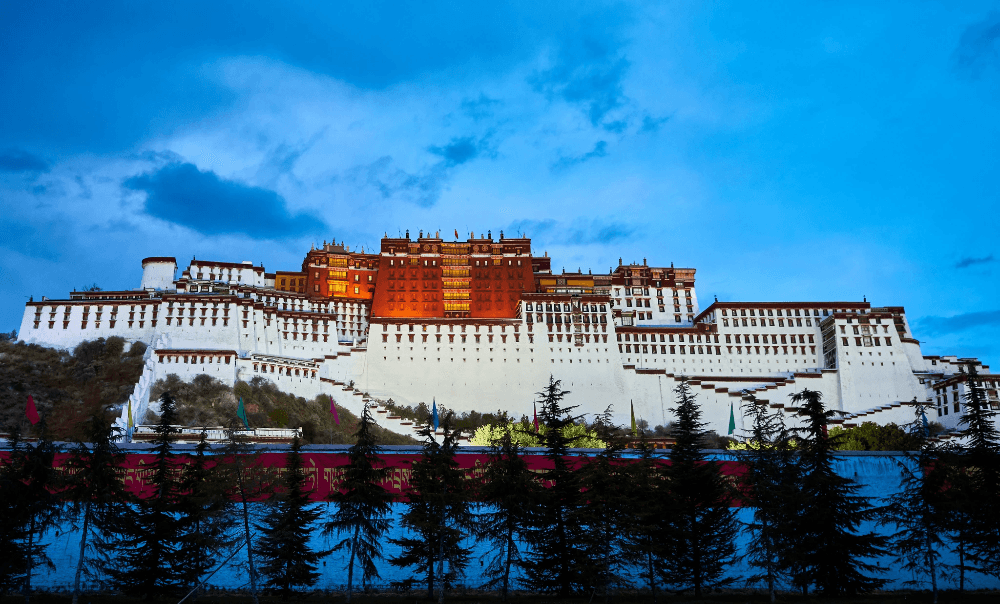
Traveling to Tibet is a unique experience filled with breathtaking landscapes and rich cultural heritage, but it comes with its fair share of challenges. Understanding why is travel to Tibet restricted can help you navigate these hurdles more effectively. Whether you’re asking, Why can’t you go to Tibet? or pondering the necessary permits, being informed will make your journey smoother.
Navigating Travel Challenges to Tibet
The complexities around travel restrictions in Tibet often leave potential travelers scratching their heads. Do you need permission to go to Tibet? Absolutely! Securing the right permits is crucial, as failing to do so can lead to disappointment at checkpoints or even being turned away entirely.
Moreover, understanding who cannot travel is equally important; these people cannot travel to Tibet due to various regulations that stem from historical and political contexts. Why was Tibet closed for certain groups? This question highlights the intricate balance between tourism and local governance that travelers must respect.
Making the Most of Your Tibetan Adventure
Once you’ve tackled the bureaucratic maze of permits and restrictions, how can you ensure an unforgettable experience? To truly enjoy your adventure, consider engaging local guides who provide invaluable insights into Tibetan culture and traditions. These guides not only help you navigate through the stunning landscapes but also enrich your understanding of the local customs.
Additionally, planning an itinerary that respects existing travel restrictions in 2025 will enhance your journey significantly. Whether you’re trekking through remote valleys or visiting sacred monasteries, knowing how to smoothly visit Tibet under travel restrictions will elevate your experience from ordinary to extraordinary.
The Role of Local Guides in Tibet Tourism
Local guides are essential for anyone looking to explore this magnificent region while adhering to its unique regulations. They understand why is travel to Tibet restricted and can offer guidance on navigating these limitations effectively. With their expertise, you’ll learn not just about the sights but also about the intricate tapestry of life in this high-altitude land.
Furthermore, engaging a local guide ensures that your visit contributes positively to the community rather than inadvertently causing disruption—an essential consideration given questions like Can Chinese citizens go to Tibet? arise frequently among travelers seeking inclusivity in their adventures.
In conclusion, understanding why is travel to Tibet restricted and addressing related queries such as Why can’t you go? or These people cannot travel, allows for a richer exploration of this enchanting destination while honoring its cultural integrity.