

Introduction
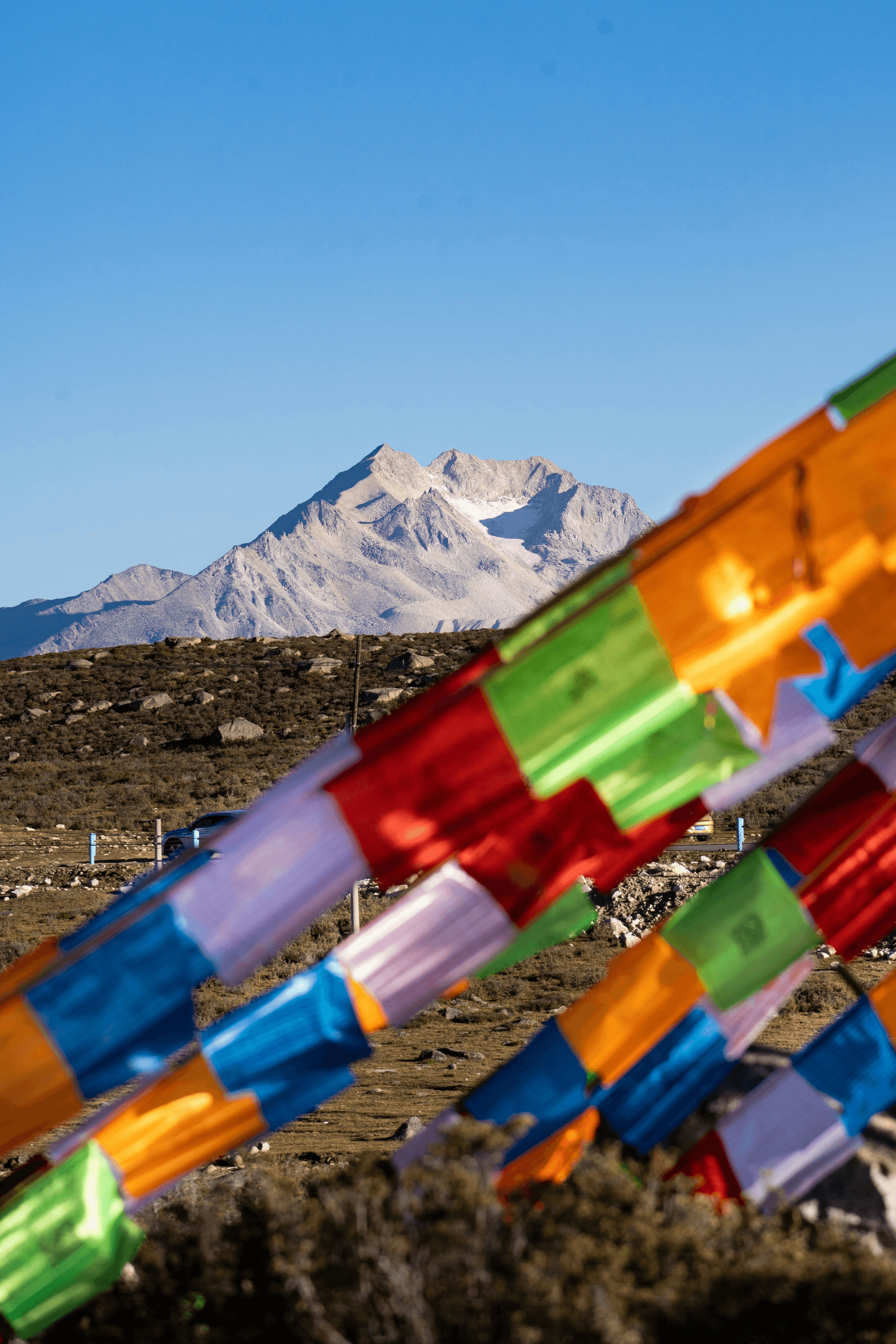
Tibet, often referred to as the Roof of the World, is a land steeped in mystery and spirituality. Its breathtaking landscapes, rich traditions, and unique culture draw travelers from across the globe, eager to uncover its essence. At the heart of this exploration lies the profound mantra: Om Mani Padme Hum, a phrase that encapsulates the spirit of Tibetan Buddhism and its deep connection to compassion.
Discovering the Essence of Tibet
Tibet’s allure goes beyond its stunning mountain ranges; it is a realm where ancient wisdom meets vibrant culture. The essence of Tibet can be felt in its monasteries, bustling markets, and serene landscapes that whisper tales of devotion and resilience. To truly appreciate Tibetan culture is to embrace its multifaceted nature—where every corner holds a story waiting to be told.
The Importance of Om Mani Padme Hum
Om Mani Padme Hum serves as more than just a mantra; it is a gateway into understanding Tibetan spirituality and compassion. This sacred phrase resonates deeply within Tibetan culture, symbolizing the path toward enlightenment through love and kindness. By repeating this mantra, practitioners cultivate an inner peace that reflects their commitment to helping all sentient beings—a cornerstone of Tibetan Buddhist philosophy.
Unraveling Tibetan Spirituality
Tibetan spirituality is a rich tapestry woven with threads of compassion, mindfulness, and ancient practices that have stood the test of time. It invites seekers on a journey inward as they explore meditation techniques, rituals, and teachings passed down through generations. As one delves deeper into this spiritual landscape marked by Om Mani Padme Hum, they begin to uncover not only personal insights but also a profound connection to the broader tapestry of Tibetan culture.
The Significance of Om Mani Padme Hum
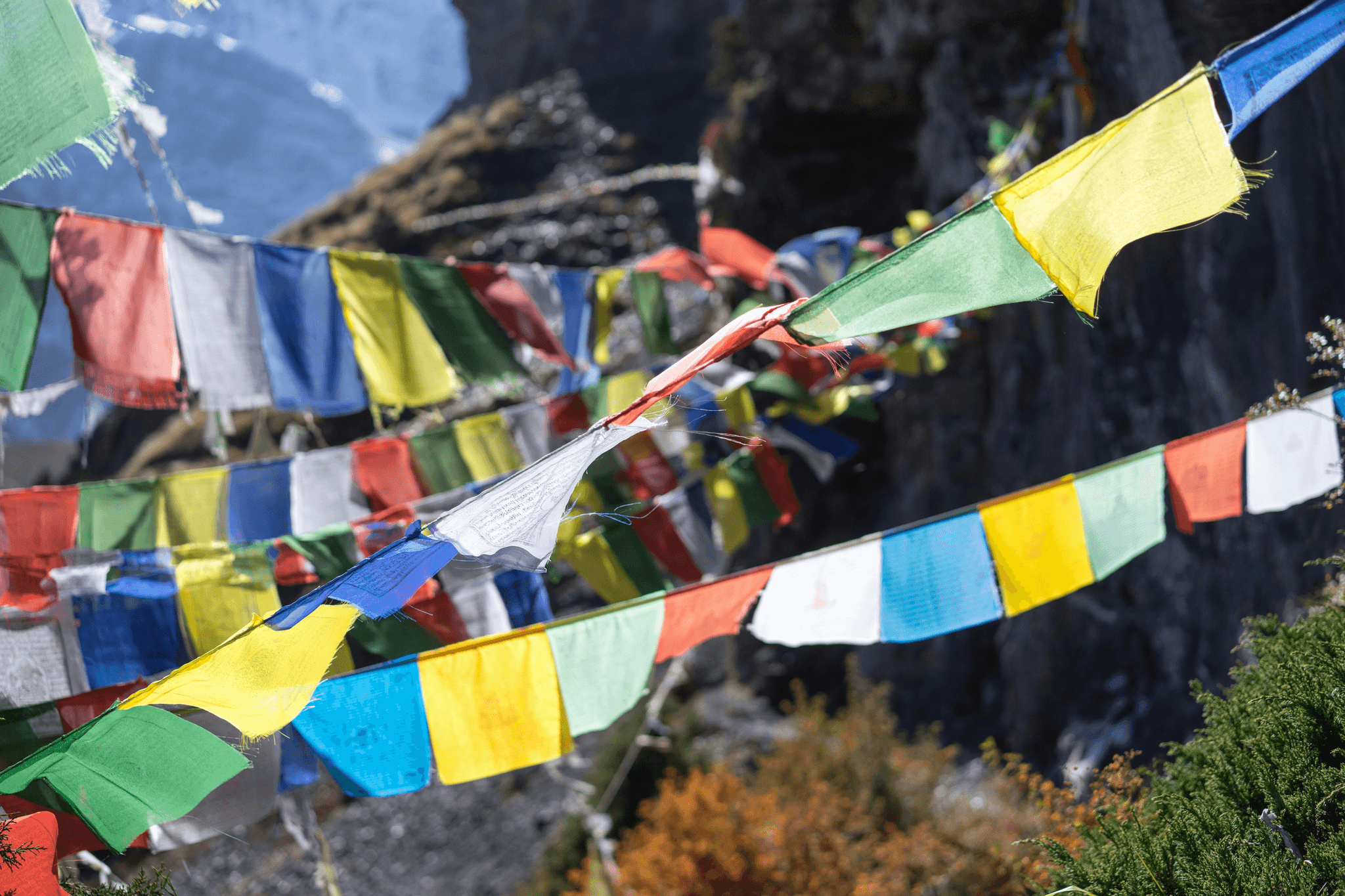
The mantra Om Mani Padme Hum is one of the most revered phrases in Tibetan Buddhism, often translated as the jewel is in the lotus. This simple yet profound mantra encapsulates the essence of compassion and wisdom, fundamental principles of Tibetan culture. Reciting it is believed to invoke blessings and transform one’s mind, making it a cornerstone of spiritual practice in Tibet.
A Deep Dive into the Mantra’s Meaning
At its core, Om Mani Padme Hum serves as a reminder that enlightenment can be achieved through compassion and altruism. Each syllable carries its own significance; “Om” represents the sound of the universe, while “Mani” signifies jewels or precious qualities. The phrase symbolizes the union of method (compassion) and wisdom (insight), reflecting how these elements interact within Tibetan culture to foster spiritual growth.
The Role of Compassion in Tibetan Buddhism
Compassion lies at the heart of Tibetan Buddhism and is intricately woven into daily life in Tibet. It’s not merely an abstract concept but a guiding principle that influences actions, thoughts, and interactions among people. The mantra Om Mani Padme Hum acts as a constant reminder for practitioners to cultivate compassion toward all beings—a significant aspect that shapes Tibetan culture and community values.
How It Connects to Tibetan Culture
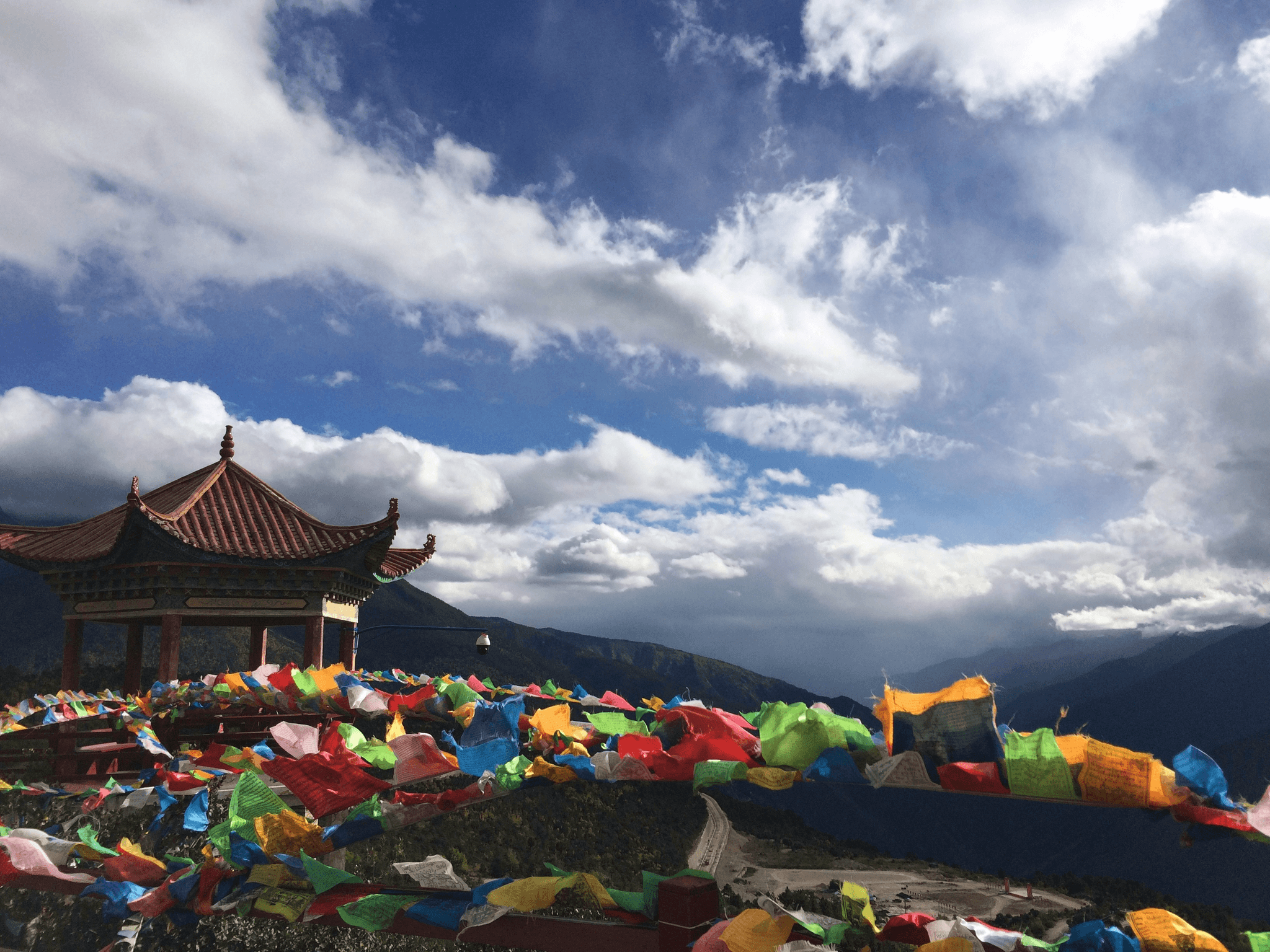
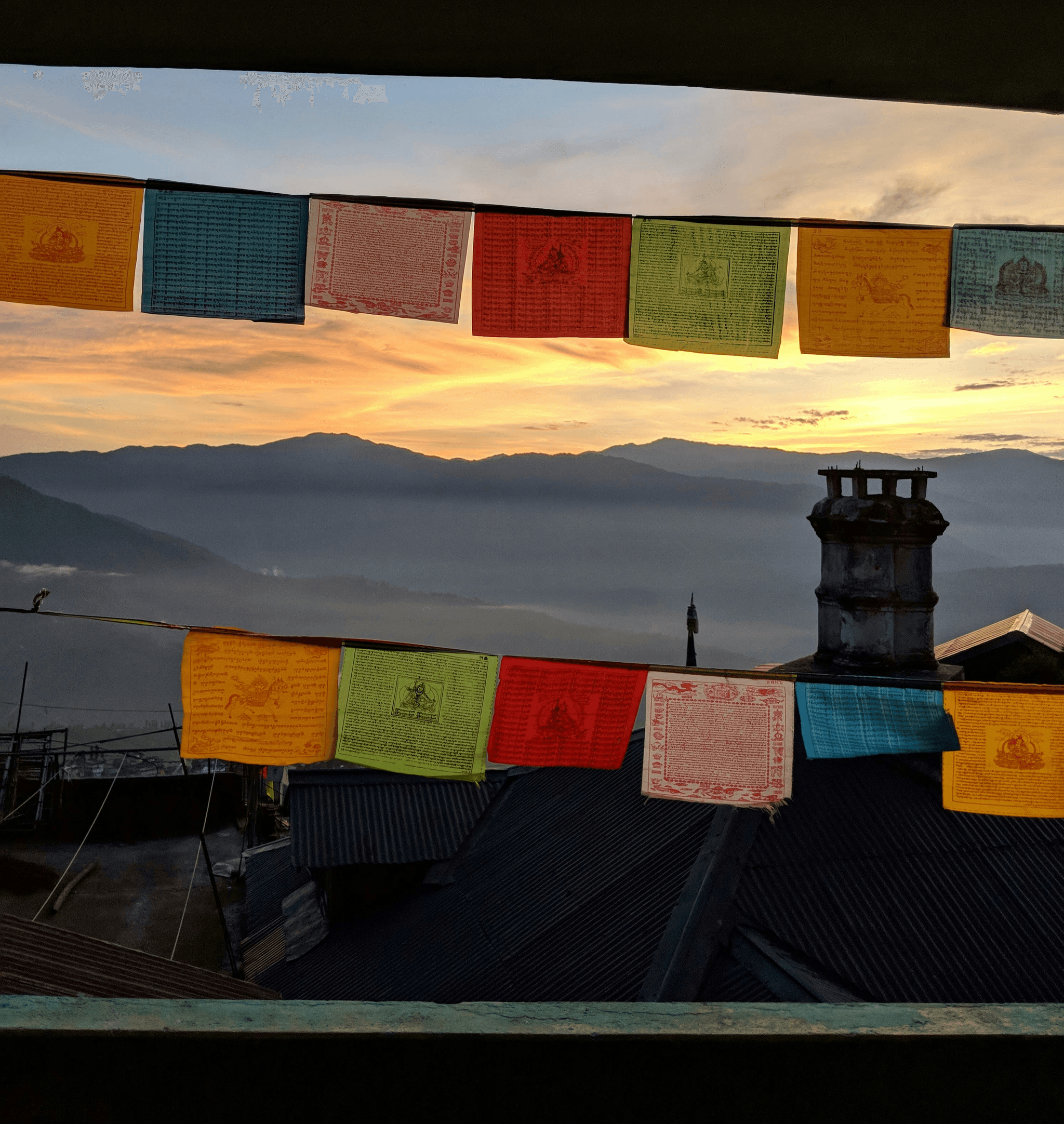
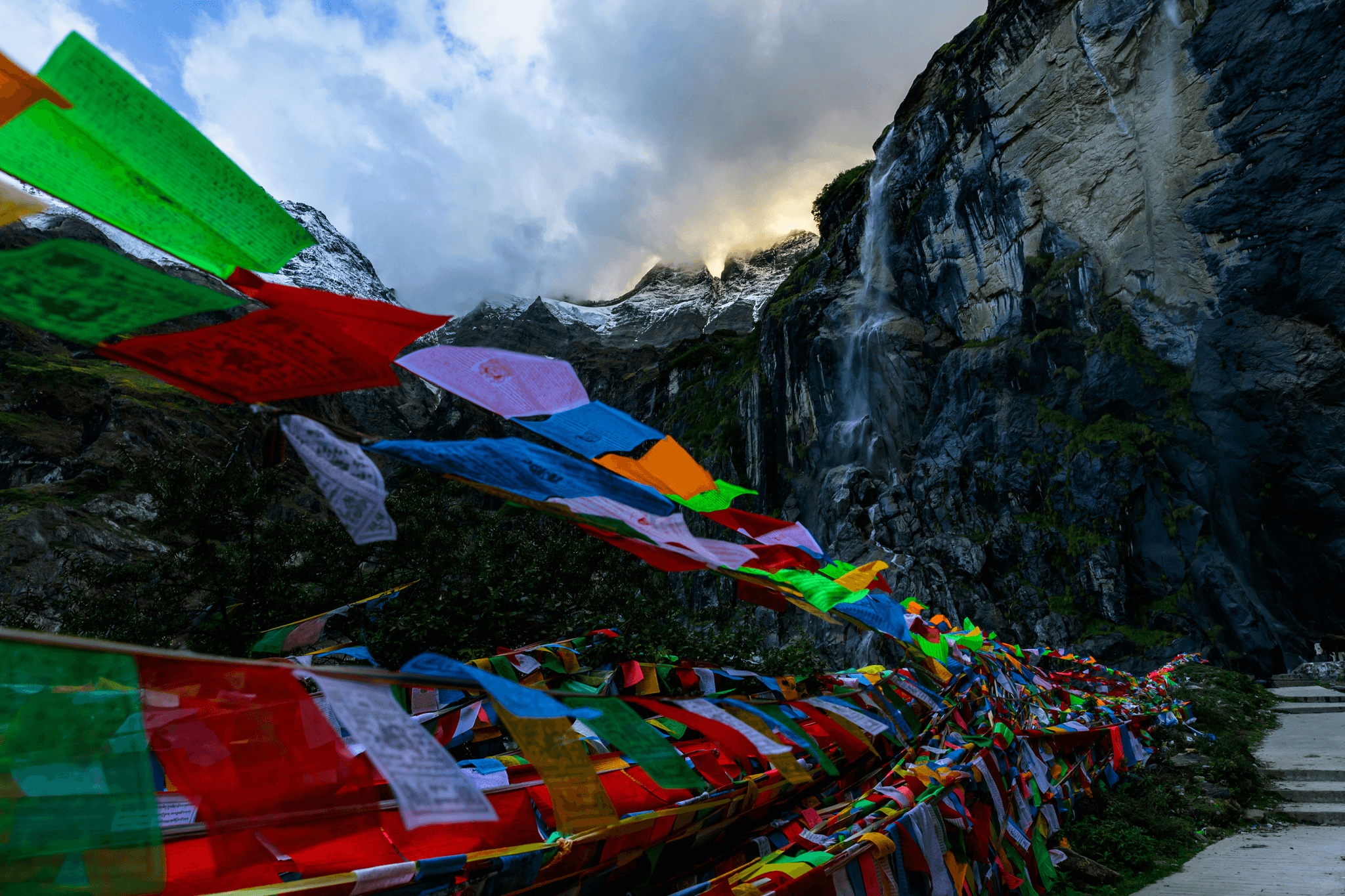
Incorporating Om Mani Padme Hum into everyday life reflects how deeply embedded this mantra is within Tibetan culture. From prayer flags fluttering on mountain passes to painted stones lining pilgrimage routes, traces of this sacred phrase are everywhere in Tibet. Moreover, local artisans often create intricate thangkas featuring this mantra, showcasing its importance not just spiritually but also artistically—truly a testament to how Om Mani Padme Hum enriches both religious practices and cultural expressions across Tibet.
Tibetan Culture: A Unique Blend of Traditions
Tibetan culture is a rich tapestry woven from the threads of its geography, history, and spiritual beliefs. Nestled high in the Himalayas, Tibet’s rugged terrain has shaped not only its way of life but also its unique traditions and practices. The isolation imposed by towering mountains has allowed Tibetan culture to flourish independently, resulting in a distinctive blend that reflects both ancient customs and modern influences.
The Influences of Geography and History
The geographical isolation of Tibet has played a crucial role in shaping its unique cultural identity. Surrounded by some of the highest peaks in the world, this remote region developed a lifestyle deeply connected to nature and spirituality. Historically, Tibet has been influenced by various cultures due to trade routes like the Silk Road, which introduced new ideas while preserving its core values centered around Buddhism and the mantra Om Mani Padme Hum.
In addition to these external influences, Tibet’s turbulent history—marked by periods of conflict and resilience—has further enriched its cultural landscape. The struggle for autonomy has fostered a strong sense of identity among Tibetans, who take pride in their distinct traditions that celebrate compassion and harmony with nature. This historical backdrop continues to shape contemporary Tibetan culture as it navigates modern challenges while holding onto age-old practices.
Rituals and Practices Unique to Tibet
Tibetan culture is characterized by a myriad of rituals that reflect deep spiritual beliefs intertwined with daily life. One such practice is the creation of sand mandalas—intricate designs made from colored sand—that symbolize the impermanence of life; once completed, they are ceremonially destroyed to signify this principle. These rituals often incorporate chanting mantras such as Om Mani Padme Hum, reinforcing their significance within Tibetan Buddhism.
Festivals also play an essential role in celebrating Tibetan traditions; events like Losar (the Tibetan New Year) are marked with vibrant dances, music, and communal feasts that bring communities together. Each ritual serves not just as entertainment but as an expression of gratitude towards deities while fostering social bonds among participants. Through these practices rooted in spirituality and community spirit, Tibetan culture showcases its resilience against external pressures.
The Role of Monastic Life in Tibet
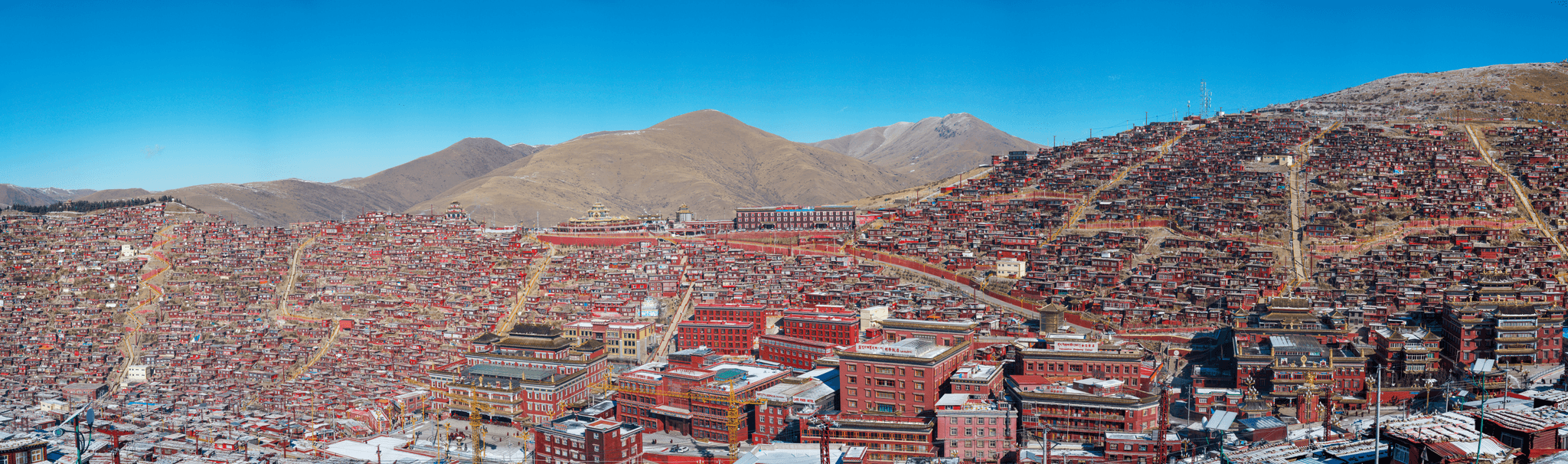
Monastic life holds immense importance within Tibetan culture, acting as both a spiritual sanctuary and an educational hub for generations seeking enlightenment through Buddhism. Monasteries dotting the landscape serve as centers for meditation where monks dedicate their lives to studying sacred texts—including teachings on Om Mani Padme Hum—and practicing compassion towards all sentient beings. These institutions have preserved valuable traditions while adapting to contemporary challenges faced by Tibetan society.
Moreover, monastic communities actively engage with laypeople through teachings and public ceremonies that foster spiritual growth beyond monastery walls. Their influence extends into daily life; many families seek blessings or guidance from local monks during significant events or personal struggles. This symbiotic relationship between monastics and laypeople ensures that Tibetan spirituality remains vibrant amid changing times.
As you explore this fascinating blend of traditions during your journey through Tibet with GuideTibet, you’ll gain insights into how geography shapes lifestyle choices alongside centuries-old customs still practiced today.
The Journey to the Roof of the World
Tibet, often referred to as the Roof of the World, offers an unparalleled journey into a realm where breathtaking landscapes and rich traditions converge. From towering mountains to serene valleys, Tibet’s natural beauty is as compelling as its cultural heritage. With each step you take in this mystical land, you not only explore stunning vistas but also delve deeper into the essence of Tibetan culture and spirituality.
Exploring Tibet’s Breathtaking Landscapes
The diverse landscapes of Tibet are nothing short of awe-inspiring, featuring majestic mountain ranges like the Himalayas and vast plateaus that stretch endlessly. Each region has its unique charm: from turquoise lakes reflecting the sky to expansive grasslands dotted with yaks grazing peacefully. As you wander through these breathtaking terrains, you’ll find yourself immersed in an environment that feels both sacred and alive, echoing the teachings of Om Mani Padme Hum, which emphasizes compassion for all beings.
Key Sites for Spiritual Pilgrimage
Tibet is home to some of the most significant spiritual sites in Buddhism, making it a magnet for pilgrims and travelers alike. Key locations such as Lhasa’s Jokhang Temple and Mount Kailash offer profound experiences steeped in history and spirituality. These sites are not just tourist attractions; they are living embodiments of Tibetan culture where visitors can witness rituals that embody the spirit of Om Mani Padme Hum while connecting with locals who uphold these traditions.
How GuideTibet Enhances Your Experience
Navigating Tibet’s vastness can be daunting without local insight, which is where GuideTibet comes into play. This locally based travel agency organizes unique tours led by native guides fluent in English who share their deep knowledge of Tibetan culture and spirituality with travelers from around the world. With GuideTibet by your side, your journey becomes more than just sightseeing; it transforms into an authentic exploration of Tibetan life—where every corner reveals stories tied to Om Mani Padme Hum and centuries-old traditions.
The Art of Tibetan Buddhism
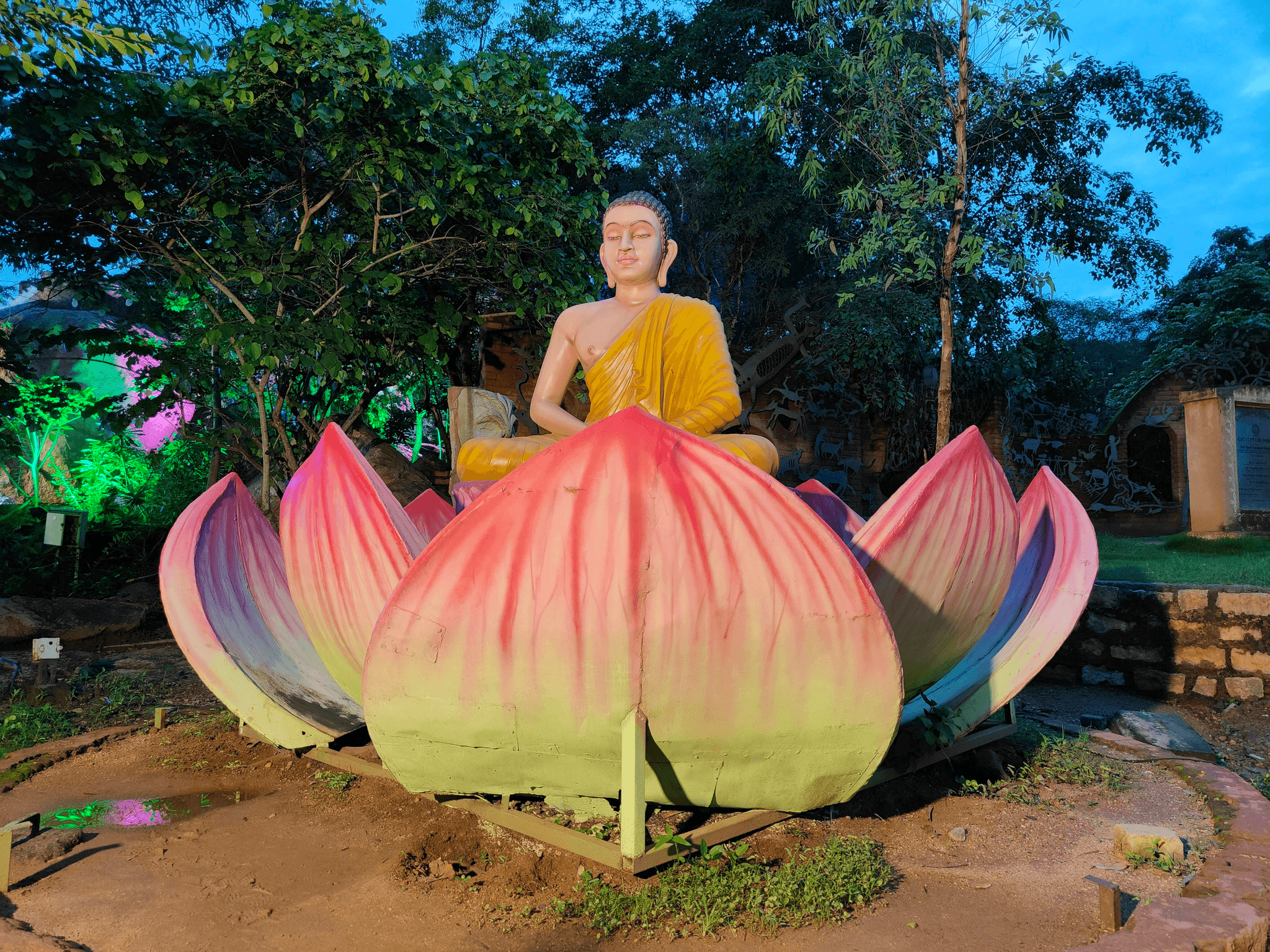
Tibetan Buddhism is an intricate tapestry woven from rich traditions, vibrant colors, and profound symbolism. The art of Tibet serves not only as a visual feast but also as a spiritual guide, encapsulating the essence of its teachings and beliefs. From thangkas to sculptures, each piece is infused with meaning, inviting viewers to embark on a journey through Tibetan culture.
Symbolism in Tibetan Art and Thangkas
Tibetan art, particularly thangkas—traditional scroll paintings—are replete with symbolism that reflects the core tenets of Tibetan Buddhism. Each figure depicted in these artworks often represents various deities or bodhisattvas, embodying virtues such as compassion and wisdom that resonate deeply within the mantra Om Mani Padme Hum. This mantra’s significance is mirrored in the intricate designs and vibrant hues of thangkas, which serve as both devotional objects and educational tools for practitioners exploring Tibetan culture.
The use of color in these artworks also carries deep meanings; for instance, blue symbolizes tranquility while red represents passion. As you delve into the world of Tibetan art, you’ll find that every brushstroke has a purpose—a reflection of centuries-old traditions that continue to thrive today. With GuideTibet facilitating your exploration, you can witness these stunning pieces firsthand while gaining insights into their cultural context.
The Importance of Mandala in Spiritual Practice
Mandala art holds a sacred place within Tibetan Buddhism, acting as a visual representation of the universe’s spiritual structure. These intricate designs are not merely decorative; they are tools for meditation and contemplation that guide practitioners towards enlightenment. When engaging with mandalas during rituals or personal practice, individuals often chant Om Mani Padme Hum, allowing them to connect deeper with their intentions and aspirations.
Creating or viewing a mandala can be transformative—a meditative process that encourages mindfulness and presence. In Tibetan culture, this practice fosters community as well; monks often collaborate on large-scale mandalas made from colored sand before ceremonially dismantling them to symbolize impermanence. With GuideTibet by your side on your journey through Tibet’s sacred sites, you can participate in or witness this profound artistic expression firsthand.
Contemporary Expressions of Tibetan Art
While steeped in tradition, contemporary expressions of Tibetan art are flourishing alongside age-old practices. Modern artists draw inspiration from traditional themes while incorporating contemporary techniques and materials to create works that resonate with today’s audience. This blend illustrates how Tibet: Om Mani Padme Hum continues to inspire creativity across generations within Tibetan culture.
Street art murals featuring Buddhist motifs have emerged in urban areas like Lhasa—an exciting fusion where ancient beliefs meet modern aesthetics. Additionally, many artists are using digital platforms to share their work globally while raising awareness about issues facing Tibet today—such as cultural preservation amidst rapid change. As you explore this dynamic landscape with GuideTibet’s knowledgeable guides leading the way, you’ll discover how these contemporary expressions reflect both resilience and innovation within the rich tapestry of Tibetan culture.
Tibet’s Traditional Medicine: A Holistic Approach
Tibet’s traditional medicine is a fascinating tapestry woven from ancient techniques and cultural wisdom. Rooted deeply in Tibetan culture, this holistic approach emphasizes balance and harmony within the body, mind, and spirit. As we delve into the intricacies of this healing system, we discover its relevance even in today’s fast-paced world.
Ancient Techniques and Their Modern Relevance
The foundations of Tibetan medicine date back over a thousand years, blending elements from Indian Ayurvedic practices, Chinese medicine, and local herbal knowledge. These ancient techniques prioritize prevention over cure, focusing on maintaining health through lifestyle choices aligned with nature—a principle that resonates strongly in modern wellness trends. Today, as more people seek natural remedies and holistic solutions, the teachings of Tibetan culture are being rediscovered for their timeless wisdom.
The Role of Herbs and Minerals in Healing
Herbs play a crucial role in Tibetan medicine; they are meticulously chosen based on their properties to restore balance within the body. From potent roots to delicate flowers, each plant is believed to possess unique healing qualities that can address various ailments—both physical and emotional. Additionally, minerals are often incorporated into treatments; these natural substances are revered within Tibetan culture for their purifying attributes and ability to enhance overall well-being.
Integrating Tibetan Healing into Daily Life
Incorporating principles of Tibetan healing into daily life can be both simple and rewarding. Practices such as mindfulness meditation—often enhanced by reciting Om Mani Padme Hum—can foster a deeper connection to oneself while promoting emotional stability. Moreover, exploring local herbal remedies or adopting dietary habits inspired by Tibetan culture can lead to improved health outcomes while honoring an age-old tradition.
Conclusion
In wrapping up our exploration of Tibet, it becomes clear that embracing the Tibetan way of life offers a unique perspective on spirituality, culture, and community. The essence of Tibet is beautifully encapsulated in the mantra Om Mani Padme Hum, which resonates deeply within Tibetan culture and reflects the values of compassion and mindfulness. As you step into this world, you will find that every moment spent in Tibet enriches your understanding of life itself.
Embracing the Tibetan Way of Life
Living according to the principles found in Tibetan culture allows individuals to cultivate a profound sense of peace and interconnectedness with others. The daily practices inspired by Om Mani Padme Hum encourage us to express compassion not only towards ourselves but also towards all living beings. By integrating these teachings into your own life, you can foster a more harmonious existence that transcends borders.
The Global Impact of Tibetan Culture
Tibetan culture has made significant waves across the globe, influencing various art forms, philosophies, and wellness practices around the world. The teachings encapsulated in Om Mani Padme Hum resonate with people from all walks of life who seek deeper meaning and connection in their experiences. As awareness grows about Tibet’s rich traditions—ranging from its spiritual practices to its holistic approaches to health—more individuals are inspired to embrace these values in their own lives.
Your Journey into Tibetan Spirituality Awaits
As you embark on your journey into Tibetan spirituality, remember that each step is an opportunity for growth and discovery. With GuideTibet by your side, you’ll not only witness breathtaking landscapes but also immerse yourself in authentic experiences that reflect the heart of Tibetan culture. So pack your bags and prepare for an adventure that promises not just sights but profound insights into what it truly means to live with intention.

