Introduction
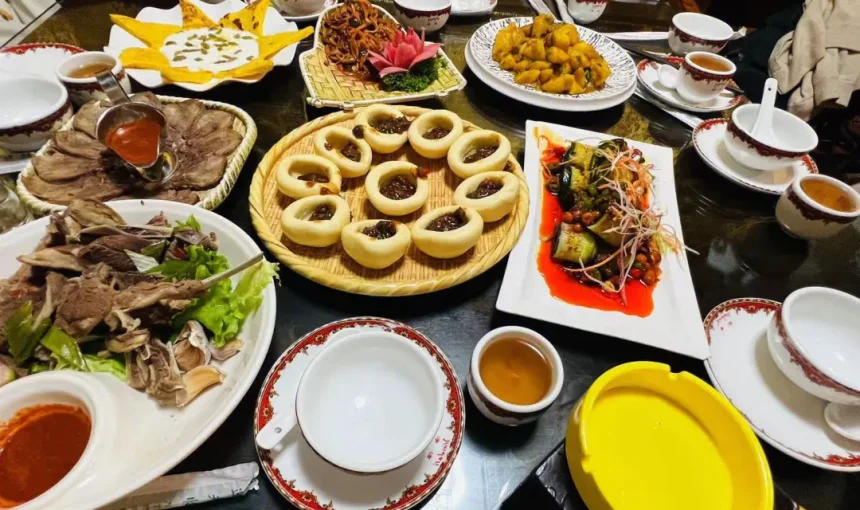
When you think of culinary treasures, Tibetan cuisine might not be the first that comes to mind, but it certainly deserves a spotlight. Nestled high in the Himalayas, Tibet boasts a rich gastronomic heritage that reflects its unique culture and environment. Among the many delights to be found in this mountainous region, Tibetan momo stands out as a beloved staple that embodies the essence of Tibetan cooking.
Discovering Tibetan Culinary Heritage
Tibetan culinary heritage is a fascinating blend of flavors and traditions shaped by geography and history. The harsh climate has influenced the use of hearty ingredients like barley, potatoes, and yak meat, creating dishes that are both nourishing and satisfying. As we delve into what is momo dumpling, we uncover not just a dish but a cultural narrative steeped in centuries of tradition.
The Unique Charm of Tibetan Momo
Momo in Tibet is more than just food; it’s an experience that brings people together. These delightful dumplings can be steamed or fried and are filled with various ingredients ranging from vegetables to meat, offering something for everyone’s palate. The unique charm of Tibetan momo lies not only in their flavors but also in their communal aspect—sharing them with family and friends enhances their enjoyment.
Why Momo Dumplings are a Must-Try
If you’re wondering why momo dumplings should be on your must-try list, consider this: they encapsulate the heart of Tibetan hospitality and culture. With every bite, you’re not just tasting delicious food; you’re experiencing a tradition that emphasizes sharing and togetherness. Plus, when paired with authentic Tibetan momo dipping sauce, these dumplings transform into an unforgettable culinary adventure that you simply cannot miss.
What is Momo Dumpling?
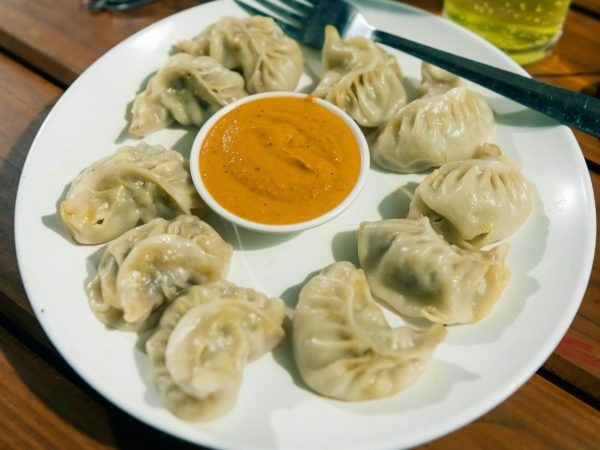
When you hear the term momo dumpling, you might wonder what all the fuss is about. These delightful Tibetan dumplings are not just food; they are a cultural experience wrapped in dough. Originating from Tibet, momo has become a beloved dish, transcending borders and delighting taste buds around the world.
The Origins of Momo
The origins of momo can be traced back to Tibet, where it is believed to have been influenced by Chinese dumplings and Indian cuisine. Traditionally made by hand, Tibetan momo has evolved into various forms over centuries, adapting to local tastes and ingredients. Today, it stands as a symbol of Tibetan culinary heritage, showcasing the resourcefulness of its people.
Different Types of Momo in Tibet
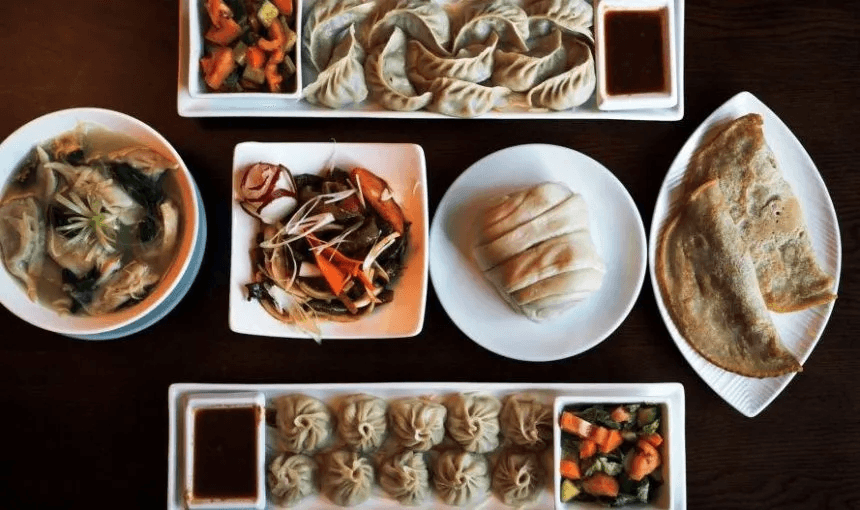
In Tibet, you’ll find an array of momo variations that reflect regional preferences and available ingredients. From steamed to fried, and filled with everything from spiced meat to vegetables, there’s a type for every palate. Notably, one can encounter unique offerings like cheese-filled momos or those served with a rich Tibetan momo dipping sauce that elevates their flavor profile immensely.
How Momo Reflects Tibetan Culture
Momo is more than just a delicious dish; it embodies the essence of Tibetan culture and hospitality. Sharing momos during gatherings signifies community bonding and mutual respect among friends and family. This tradition not only highlights the importance of food but also serves as an invitation to experience authentic Tibetan warmth through its culinary delights.
The Art of Making Tibetan Momo
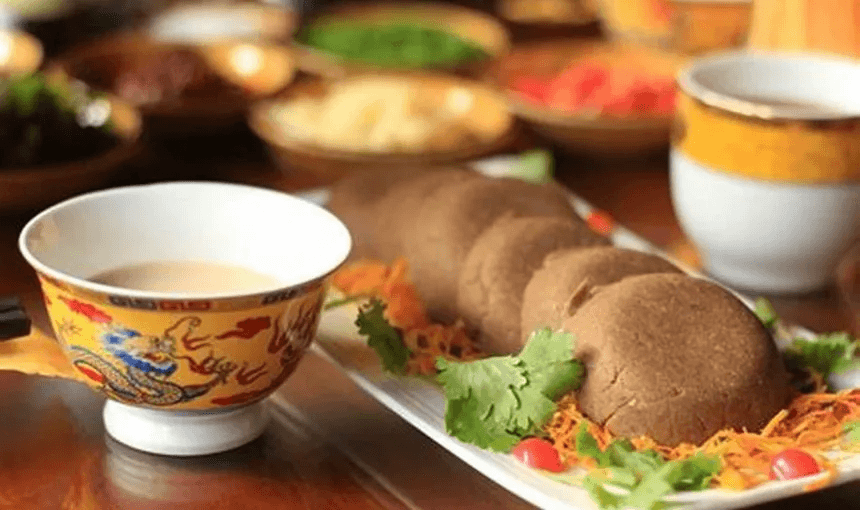
Making Tibetan momo is not just a culinary task; it’s an art form that embodies the spirit of Tibetan culture. These delightful dumplings are filled with various ingredients, reflecting the region’s rich agricultural bounty and culinary traditions. Whether you’re dining in a bustling market in Lhasa or making them at home, understanding how to create authentic Tibetan momo will elevate your experience.
Key Ingredients and Their Significance
The foundation of any great momo lies in its ingredients, each holding cultural significance. For the dough, all-purpose flour is typically used, symbolizing purity and simplicity in Tibetan cuisine. The fillings can vary widely—from spiced vegetables to hearty meats—each representing local flavors and seasonal produce that highlight what is momo dumpling at its best.
When it comes to spices, ginger and garlic are essential for flavoring the filling, adding warmth and depth that resonate with traditional Tibetan cooking. Additionally, fresh herbs like cilantro or green onions enhance the aroma and provide a burst of freshness. Understanding these key ingredients not only enriches your palate but also connects you to the essence of Tibetan culture through food.
Step-by-Step Preparation Guide
Creating your own Tibetan momo is a rewarding experience that starts with making the dough. Begin by mixing flour with water until a soft dough forms; knead it for about 10 minutes until smooth, then let it rest for 30 minutes under a damp cloth. While the dough rests, prepare your filling by combining minced meat or finely chopped vegetables with spices—this step is crucial for ensuring your momo in Tibet has authentic flavors.
Once your filling is ready, divide the rested dough into small balls and roll each into thin circles about 3 inches in diameter. Place a spoonful of filling in the center of each circle before carefully folding them over to create half-moon shapes; pinch along the edges to seal them tightly—this ensures no deliciousness escapes during cooking! Steam your momos for about 15-20 minutes until they become tender and translucent; serve hot with traditional Tibetan momo dipping sauce on the side.
Common Mistakes to Avoid
While making Tibetan momo can be fun, there are several common pitfalls you’ll want to avoid for perfect results every time! One major mistake is using too much filling—overstuffed momos can burst open while steaming or frying, leading to less-than-ideal presentation (and taste!). Also, ensure that you keep your dough covered while working; this prevents it from drying out and makes rolling easier.
Another frequent error involves not sealing momos properly; if they’re not pinched tightly enough at the edges, steam will escape during cooking instead of creating that delightful fluffy texture inside. Lastly, don’t rush through steaming—giving them enough time ensures they cook through completely without becoming chewy or gummy textures! By avoiding these missteps, you’ll be well on your way to mastering what is momo dumpling perfection.
Exploring Traditional Tibetan Momo Dipping Sauce
When it comes to enjoying Tibetan momo, the dipping sauce is an essential companion that elevates the experience to new heights. This sauce is not just an afterthought; it embodies the rich flavors of Tibetan cuisine and complements the savory goodness of momo dumplings. Whether you’re a first-timer or a seasoned enthusiast, understanding the nuances of Tibetan momo dipping sauce will enhance your culinary adventure.
Essential Flavors in Tibetan Dipping Sauce
The magic of Tibetan momo dipping sauce lies in its balance of flavors, which typically includes spicy, tangy, and umami notes. Key ingredients often feature roasted chili peppers, garlic, ginger, and sesame oil that come together to create a vibrant taste explosion. This medley not only enhances what is momo dumpling but also reflects the boldness characteristic of Tibetan cooking.
Another crucial element is the use of fresh herbs like cilantro or green onions that add brightness and freshness to each bite. The interplay between heat from chilies and acidity from vinegar creates a tantalizing contrast that makes you want to keep dipping your momo in Tibet’s beloved sauce. It’s this delightful complexity that keeps food lovers coming back for more.
How to Make Your Own Dipping Sauce
Making your own Tibetan momo dipping sauce at home is surprisingly simple and incredibly satisfying! Start by blending together roasted red chilies (adjust according to your spice preference), minced garlic, grated ginger, and a splash of soy sauce for umami richness. Add some sesame oil for depth and finish with freshly chopped cilantro for an aromatic touch.
For those who enjoy experimenting, consider adding a pinch of sugar or lime juice to balance out the heat with sweetness or tartness. Once you’ve achieved your desired flavor profile, let it sit for about 30 minutes before serving; this allows all those delicious ingredients to meld beautifully together! Now you’re ready to dive into your homemade Tibetan momo dumplings with pride.
Pairing Momo with the Right Sauce
Choosing the right dipping sauce can elevate your enjoyment of Tibetan momo beyond imagination! While traditional spicy sauces are popular choices, you can also experiment with milder versions if you’re sensitive to heat—just remember that they should still complement rather than overpower what is momo dumpling’s delicate flavor profile.
If you’re feeling adventurous, try pairing different types of momos—like steamed versus fried—with various sauces; each combination offers unique taste experiences! Ultimately, whether you prefer something fiery or mild, finding your perfect match will make every bite memorable as you savor these iconic Tibetan dishes.
The Experience of Eating Momo in Tibet
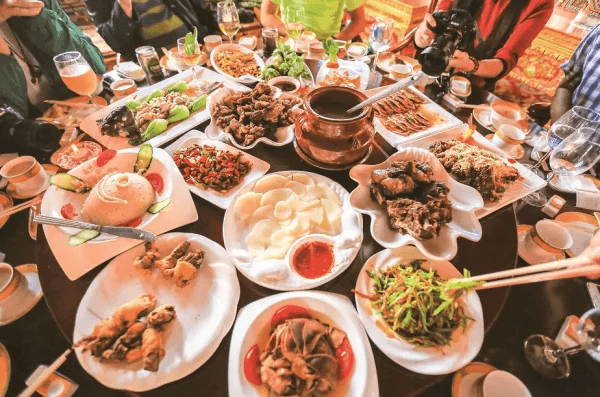
Tasting Tibetan momo is not just about the dumpling itself; it’s a full sensory experience steeped in tradition and culture. When you find yourself in Tibet, savoring these delightful Tibetan momo dumplings becomes an adventure that engages taste buds, sight, and social connections. Understanding the nuances of dining etiquette enhances this experience, making each bite even more fulfilling.
Dining Etiquette with Tibetan Momo
When enjoying momo in Tibet, it’s essential to embrace local dining etiquette to truly appreciate the meal. Traditionally, it’s polite to wait for the eldest person at the table to start eating before you dig into those tasty Tibetan momo dumplings. Also, using your right hand for eating is customary; if you’re feeling adventurous, try picking up your momo with your fingers for an authentic touch!
Another important aspect of dining etiquette involves how you present your appreciation for the meal. Complimenting the chef or host on their delicious Tibetan momo can go a long way in fostering goodwill and connection over shared food experiences. And remember: slurping while enjoying your dipping sauce is not only acceptable but encouraged—it’s a sign that you’re relishing every moment!
Cultural Significance of Sharing Food
In Tibetan culture, sharing food is a significant practice that fosters community and strengthens relationships among family and friends. When it comes to what is momo dumpling, sharing these delightful treats symbolizes unity and togetherness as diners gather around a plateful of steaming dumplings filled with meat or vegetables. This communal aspect transforms each meal into a celebration of life and friendship.
Moreover, offering food to guests reflects deep-rooted cultural values surrounding hospitality in Tibet. It’s common for hosts to serve extra portions of Tibetan momo as a gesture of generosity—after all, nothing says welcome like an abundance of delicious dumplings! These moments create lasting memories that go beyond mere sustenance; they build bonds between people from different walks of life.
Momo as a Symbol of Hospitality
Momo has transcended its status as just another dish; it has become an emblematic representation of Tibetan hospitality itself. When visiting homes or gatherings in Tibet, being served freshly made Tibetan momo signifies warmth and acceptance from your hosts—a heartfelt invitation into their world. The act of sharing these flavorful dumplings often leads to meaningful conversations about culture and traditions.
Additionally, many families have their own unique recipes for what is momo dumpling that have been passed down through generations—each variation tells its own story steeped in history and familial love. This makes every bite not just about flavor but also about heritage and connection with those who came before us! Thus, indulging in Tibetan momo isn’t merely about nourishment; it’s also about experiencing the rich tapestry woven by generations through culinary art.
Conclusion

As we wrap up our culinary journey through the delightful world of Tibetan momo, it’s clear that these dumplings are not just a meal; they are an experience steeped in culture and tradition. The unique flavors, textures, and communal nature of Tibetan momo make them a must-try for anyone seeking to expand their palate. So why not take the plunge and savor what is momo dumpling for yourself?
Why You Should Taste Tibetan Momo
Tasting Tibetan momo is like embarking on a flavorful adventure that transports you straight to the heart of Tibet. Each bite reveals layers of history and tradition, making it an essential part of understanding Tibetan cuisine. Whether you’re a seasoned foodie or a curious traveler, experiencing Tibetan momo will undoubtedly leave you craving more.
Embrace the Richness of Tibetan Cuisine
Tibetan cuisine offers a rich tapestry of flavors that goes beyond just momo dumplings; it reflects the resilience and creativity of its people. From hearty stews to fragrant noodles, every dish tells a story worth exploring. By embracing the richness of Tibetan cuisine, you’ll discover not only delicious food but also insights into the culture and lifestyle that shape this beautiful region.
Planning Your Momo Adventure with GuideTibet
To truly immerse yourself in the world of Tibetan momo, consider planning your adventure with GuideTibet. They offer curated experiences that will lead you to authentic eateries where you can taste the best momo in Tibet alongside traditional dipping sauces that elevate each bite. With their expert guidance, your journey into the delicious realm of Tibetan momo will be unforgettable!