Introduction
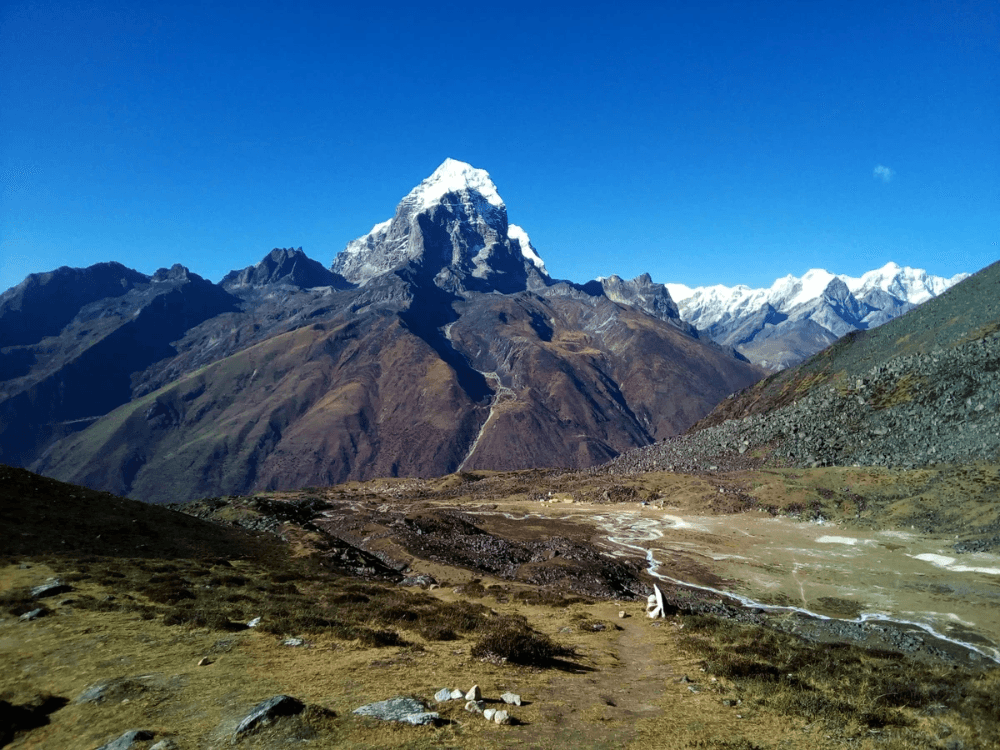
Embarking on a journey to Everest Base Camp in Tibet is not just about reaching the foot of the world’s highest peak; it’s an adventure steeped in breathtaking landscapes and rich cultural experiences. Many wanderers often ponder, Is Mt Everest in Tibet or Nepal? The answer is both fascinating and complex, as the majestic Mount Everest straddles the border between these two stunning regions, each offering unique perspectives of the iconic Everest Peak.
Discovering Everest Base Camp in Tibet
Trekking to Everest Base Camp is a dream for many adventurers, with the Tibetan route providing a less-trodden path that immerses you in stunning vistas and serene surroundings. As you traverse through picturesque villages and rugged terrain, you’ll find yourself captivated by the natural beauty that surrounds you. The journey culminates at Everest Base Camp, where climbers prepare for their ambitious ascent of Mount Everest itself.
The Charm of Tibetan Culture
The allure of Tibetan culture adds another layer to your trekking experience, offering insights into a way of life that has remained largely unchanged for centuries. From colorful prayer flags fluttering in the wind to intricate monasteries dotting the landscape, every moment spent here feels like stepping into a living tapestry of tradition and spirituality. Engaging with local communities along your trek not only enriches your understanding but also enhances your appreciation for this remarkable region.
Your Ultimate Trekking Experience
Your ultimate trekking experience awaits as you lace up your boots for an unforgettable adventure towards Everest Base Camp. With each step taken along this historic trail, you’ll be surrounded by awe-inspiring views and invigorating mountain air that fuels your spirit of exploration. Whether you’re contemplating climbing Everest or simply soaking up the atmosphere at base camp, this trek promises memories that will last a lifetime.
Understanding Mount Everest’s Location
Mount Everest, the world’s highest peak, stands majestically on the border between Tibet and Nepal. This geographical ambiguity often leads to the question: is Mt Everest in Tibet or Nepal? The answer is both—while the summit of this colossal mountain lies within Nepal’s territory, its northern face and access routes are located in Tibet, making it a unique landmark that straddles two cultures.
Is Mt Everest in Tibet or Nepal?
The ongoing debate about whether Mount Everest is in Tibet or Nepal can be quite confusing for travelers. Technically, the peak itself is part of Nepal, but climbing routes from both sides offer distinct experiences. In fact, trekkers aiming for Everest Base Camp can choose to embark on their journey from either side, each offering breathtaking views and cultural insights along the way.
The Distinct Routes to Base Camp
When planning your Everest Base Camp trek, you’ll find that there are two primary routes leading to this iconic destination: one from Nepal and another from Tibet. The southern route through Nepal is more popular among trekkers due to its well-established trails and numerous teahouses along the way. On the other hand, the northern route through Tibet offers a more remote experience with fewer crowds and stunning panoramas of Mt Everest Peak that are hard to beat.
Overview of Everest Peak and Its Significance
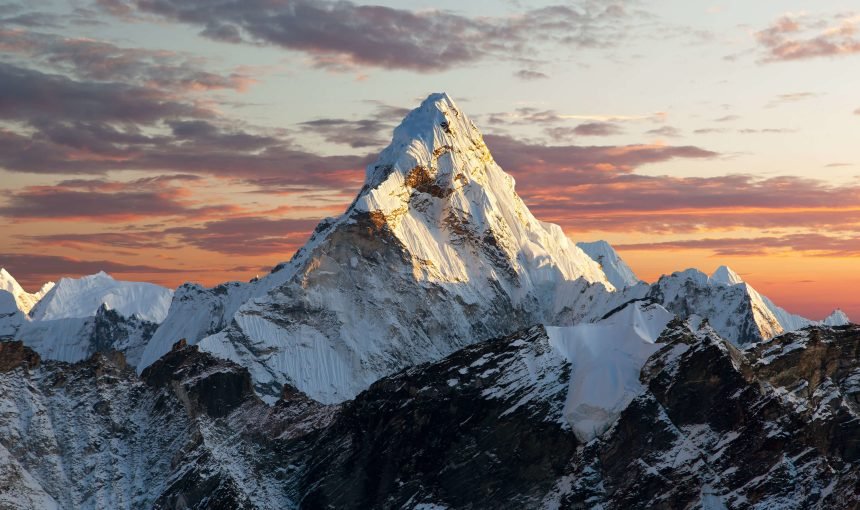
Everest Peak isn’t just a mountain; it’s an emblem of human ambition and endurance that draws adventurers from around the globe. Climbing Everest has become a rite of passage for many mountaineers who dream of standing atop this legendary summit. Beyond its physical challenge, reaching Everest Base Camp allows trekkers to appreciate not only the grandeur of nature but also the rich cultural heritage surrounding this majestic location—an experience like no other.
Planning Your Everest Base Camp Trek
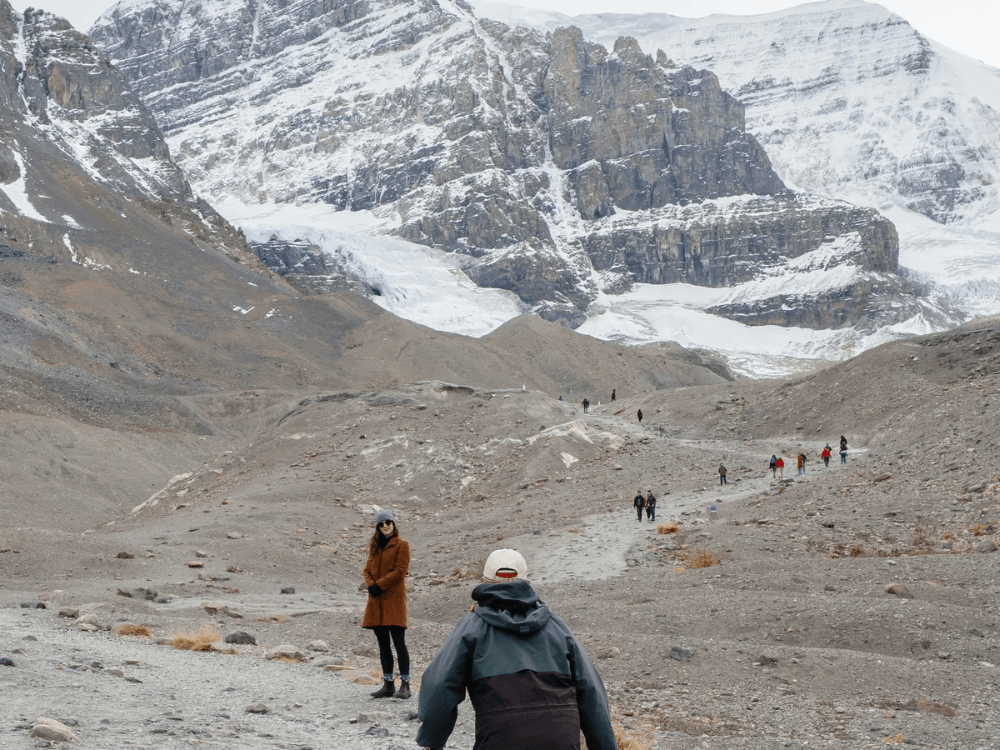
Embarking on the Everest Base Camp trek is a thrilling adventure that requires some thoughtful planning. Not only do you need to consider the logistics of reaching the base of Mount Everest, but you also have to prepare for the challenges posed by its altitude and climate. With proper planning, your journey to Everest Base Camp can be both safe and exhilarating.
Choosing the Right Trekking Season
When considering is Mt Everest in Tibet or Nepal, it’s essential to know that both regions offer trekking opportunities, but their best seasons differ slightly. The ideal time for an Everest Base Camp trek is typically during spring (April to May) and autumn (September to November). During these months, you’ll experience milder weather conditions, clearer skies, and breathtaking views of the majestic Mt Everest peak.
Spring is favored for its blooming flora and vibrant landscapes, while autumn showcases stunning fall colors against snow-capped peaks. However, trekking in winter or summer can bring unpredictable weather patterns that may hinder your climbing experience at Everest Base Camp. Therefore, selecting the right season ensures a more enjoyable adventure amidst the awe-inspiring backdrop of Mount Everest’s location.
Essential Gear for Your Journey
Packing wisely is crucial when preparing for your trek to Everest Base Camp; after all, you want to be equipped for any situation that arises while climbing Everest. Essential gear includes sturdy hiking boots with good ankle support, layered clothing suitable for fluctuating temperatures, and a reliable backpack to carry your supplies comfortably along the ever-changing terrain.
Don’t overlook items like trekking poles for stability on rocky paths or a high-quality sleeping bag designed for cold weather nights at base camp. Lastly, having a first-aid kit handy will ensure you’re prepared for minor injuries as you navigate this breathtaking yet challenging landscape.
Health and Safety Tips for Climbers
Climbing Everest comes with its own set of challenges; therefore, health and safety should be top priorities during your trek to Mount Everest’s base camp. Acclimatization is key! Ascend slowly and allow your body time to adjust as you gain elevation—this will help prevent altitude sickness which can put a damper on even the most exciting adventures.
Stay hydrated by drinking plenty of water throughout your climb; it’s vital at high altitudes where dehydration can sneak up on you faster than you might expect! Additionally, always listen to your body—if something feels off or you’re experiencing symptoms related to altitude sickness, don’t hesitate to descend or seek assistance from fellow trekkers or guides.
Exploring Tibetan Traditions
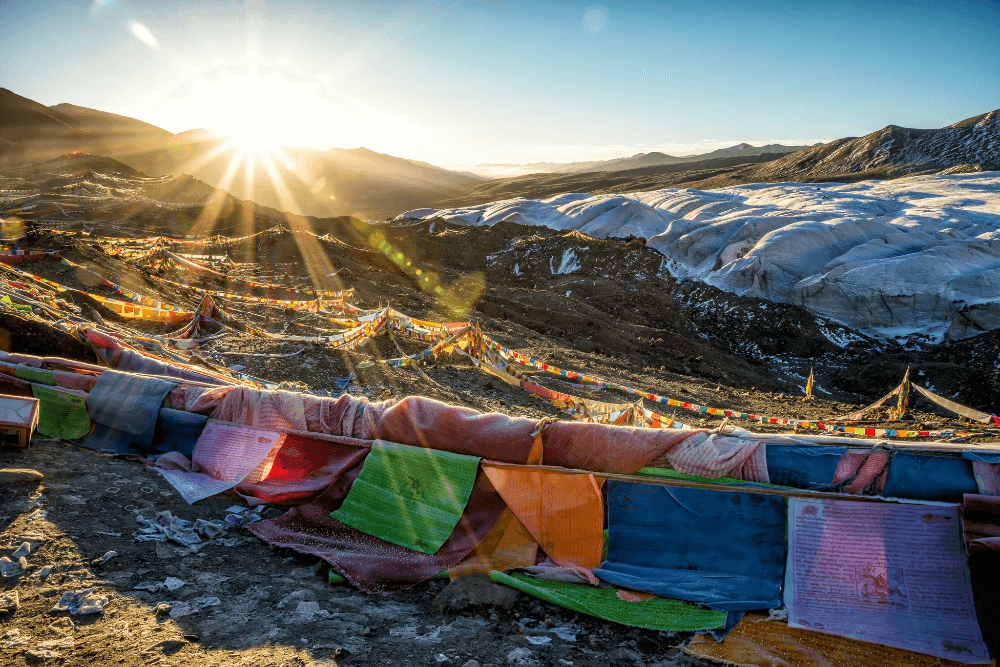
Trekking to Everest Base Camp is not just about the stunning landscapes and the thrill of climbing Everest; it’s also a deep dive into the rich tapestry of Tibetan culture. The people of Tibet are known for their warm hospitality, vibrant traditions, and a way of life that has remained largely unchanged for centuries. As you journey along the Everest camp trek, you’ll find yourself immersed in this unique culture that adds an enriching layer to your adventure.
The Rich Culture of Tibetan People
The culture of the Tibetan people is a captivating blend of history, religion, and art that reflects their deep connection to Mount Everest and its surrounding landscapes. From colorful prayer flags fluttering in the wind to intricately designed monasteries dotting the hillsides, every aspect tells a story steeped in spirituality and reverence for nature. Engaging with locals as you trek towards Everest Base Camp provides insights into their customs and beliefs, making your experience all the more meaningful.
Moreover, traditional practices such as thangka painting and carpet weaving showcase the artistic talents passed down through generations. These crafts often depict themes related to Buddhism and local folklore, giving visitors a glimpse into what makes Tibet so special. By understanding more about these traditions during your trek to Everest Base Camp, you’ll appreciate not just the breathtaking views but also the cultural richness that accompanies them.
Local Cuisine to Savor on Your Trek
No journey through Tibet would be complete without indulging in its delightful local cuisine! As you embark on your Everest Base Camp trek, you’ll have ample opportunities to taste traditional dishes like momos (steamed dumplings), thukpa (noodle soup), and tsampa (roasted barley flour). Each meal serves as both sustenance for climbers tackling Mount Everest’s challenges and a reflection of Tibetan culinary heritage.
Dining at local teahouses along the route allows you to connect with fellow trekkers while enjoying hearty meals prepared with love by Tibetan families. You’ll discover how food plays an essential role in their daily lives—often shared among friends or offered as part of welcoming rituals for travelers passing through their villages. So don’t miss out on this delicious aspect of your adventure; savoring local flavors will make your experience at Everest Base Camp even more memorable!
Spiritual Practices and Their Significance
Tibetan culture is deeply intertwined with spirituality—especially evident in their practices surrounding Buddhism, which permeate daily life in this region. As you approach Mount Everest location on your trek toward base camp, you’ll notice prayer wheels spinning silently outside monasteries and colorful mandalas adorning sacred spaces; these are symbols of devotion that reflect how integral faith is to local communities. Understanding these spiritual practices can enhance your appreciation for both the landscape you’re traversing and its people.
Many trekkers find inspiration in participating in rituals such as lighting butter lamps or offering prayers at sacred sites along their journey towards Mount Everest peak. These moments provide an opportunity for introspection while fostering respect for nature’s majesty—a perfect balance between adventure and mindfulness during your expedition! By embracing these spiritual customs throughout your trip, you’re not only honoring Tibetan traditions but also enriching your own trekking experience.
Experience the Everest Base Camp Trek
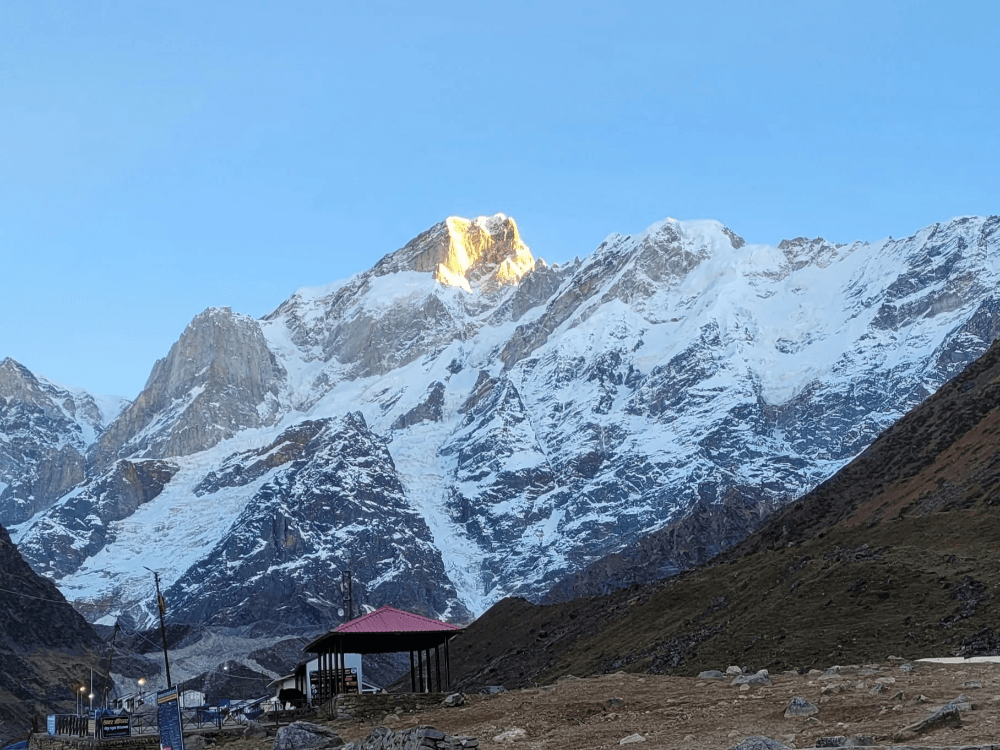
Embarking on the Everest Base Camp trek is a journey like no other, where adventure meets breathtaking landscapes. As you traverse through the stunning Himalayan terrain, you’ll witness the magnificent Mount Everest and its surrounding peaks that dominate the skyline. This trek isn’t just about reaching a destination; it’s about immersing yourself in an experience that challenges your limits and rewards you with unforgettable memories.
What to Expect on Your Trip
When planning your Everest Base Camp trek, prepare for a blend of physical challenge and awe-inspiring beauty. The trek typically spans 12 to 16 days, depending on your route and pace, allowing ample time to acclimatize to the altitude while soaking in the views of Mt Everest peak and neighboring giants. Each day brings new trails, local villages, and opportunities to engage with Tibetan culture, making every step of your journey worthwhile.
Expect varying weather conditions as you ascend towards Everest Base Camp; temperatures can drop significantly at night while daytime offers sunny skies perfect for trekking. Be ready for long days filled with hiking over rocky paths, wooden bridges, and steep inclines that will test your endurance but reward you with spectacular vistas at every turn. Alongside this adventure lies camaraderie with fellow trekkers who share in the excitement of climbing Everest together.
Notable Landmarks Along the Route
As you make your way toward Everest Base Camp, you’ll encounter several iconic landmarks that are sure to leave an impression. One such highlight is Namche Bazaar—the vibrant Sherpa capital known for its bustling markets and stunning views of Mount Everest location against a backdrop of towering peaks. This charming town serves as an excellent acclimatization stop where trekkers can explore local shops or enjoy a warm meal before continuing their ascent.
Another must-see along the route is Tengboche Monastery—one of the most revered Buddhist monasteries in Nepal perched at an altitude of 3,867 meters (12,687 feet). Here you’ll find not only spiritual tranquility but also jaw-dropping views of Mt Everest peak framed by prayer flags fluttering in the wind. Finally, don’t miss Gorak Shep; this small settlement marks one last stop before reaching base camp itself—an exciting threshold where anticipation builds as climbers prepare for their final push toward their ultimate goal.
The Thrill of Reaching Everest Base Camp
Finally standing at Everest Base Camp is a moment that climbers cherish forever—a surreal achievement that symbolizes perseverance against all odds. As you gaze upon the majestic North Face of Mount Everest from base camp itself (at an elevation of 5,364 meters or 17,598 feet), you’ll feel an overwhelming sense of accomplishment wash over you amidst breathtaking scenery filled with glaciers and towering peaks surrounding you like sentinels guarding this sacred land.
The atmosphere at base camp is electric; trekkers from around the world gather here sharing stories while soaking up this once-in-a-lifetime experience together—this camaraderie enhances every moment spent there! Capturing photos against this dramatic backdrop will be memories you’ll treasure long after you’ve descended back down from climbing everest.
Booking Your Adventure with GuideTibet

When it comes to planning your Everest Base Camp trek, GuideTibet stands out as a premier choice for adventurers seeking an unforgettable experience. With years of expertise in organizing treks to Mount Everest, they ensure that every aspect of your journey is meticulously planned and executed. Their commitment to safety, comfort, and genuine cultural experiences sets them apart in the crowded field of trekking agencies.
Why Choose GuideTibet for Your Trek
Choosing GuideTibet means embarking on a journey where every detail is taken care of, allowing you to focus on the breathtaking beauty surrounding you. They offer comprehensive packages that cover everything from transportation to accommodation, ensuring a seamless experience as you make your way toward Everest Peak. Plus, their knowledgeable guides provide invaluable insights about the region’s history and geography—perfect for answering the burning question: is Mt Everest in Tibet or Nepal?
Customizable Itineraries for Every Traveler
One of the standout features of GuideTibet is their ability to tailor itineraries according to individual preferences and fitness levels. Whether you’re looking for a leisurely trek or an intense climbing Everest adventure, they have options that cater to all types of trekkers. This flexibility ensures that everyone can enjoy the majestic landscapes leading up to Everest Base Camp at their own pace.
Engaging with Local Guides for Authentic Experience
Engaging with local guides during your Everest camp trek enriches your experience immeasurably. These guides not only navigate the trails but also share stories about Tibetan culture and traditions that enhance your understanding and appreciation of this stunning region. With their deep-rooted knowledge about Mount Everest’s location and significance, you’ll gain insights into why this peak captivates so many climbers from around the globe.
Conclusion
Embarking on the Everest Base Camp trek is a journey that transcends mere adventure; it’s an experience steeped in magic and wonder. Standing at Everest Base Camp, you’ll find yourself in awe of the majestic Mount Everest, feeling the weight of its significance and history. This moment is not just about reaching a destination; it’s about connecting with nature and embracing the spirit of exploration.
The Magic of Standing at Everest Base Camp
When you finally set foot at Everest Base Camp, you’ll be greeted by breathtaking views that seem almost surreal. The towering presence of Mt Everest peak looms overhead, reminding you of its status as the highest point on Earth and its allure for climbers worldwide. The sheer scale and beauty of this location create an unforgettable sense of accomplishment, making every step on your trek worthwhile.
Embracing Tibetan Culture on Your Journey
As you traverse through this stunning landscape, take time to immerse yourself in the rich tapestry of Tibetan culture that surrounds you. From local customs to vibrant festivals, each interaction enriches your understanding of this unique region nestled between Tibet and Nepal. Savoring traditional Tibetan cuisine along the way adds another layer to your experience, allowing you to taste the essence of this remarkable culture while marveling at everest camp trek sights.
Preparing for an Unforgettable Adventure
Preparing for your adventure to Mount Everest location requires careful planning and consideration; after all, climbing Everest isn’t just about physical endurance but also mental fortitude. Equip yourself with proper gear tailored for high-altitude trekking to ensure comfort during your journey to everest base camp. With adequate preparation and a spirit ready for exploration, you’re bound to create memories that will last a lifetime.