Traveling solo is one of the best ways to challenge yourself and get more out of your adventure.When you travel alone, you get to choose when and how.
But traveling solo doesn’t mean you’ll be alone—you’ll meet lots of people along the way and maybe even make friends for life. There are more advantages for Solo travel as below:
1. High degree of freedom: One of the greatest advantages of solo travel is that you can plan your trip entirely at your own pace and interests. Where you want to go, how long you want to stay, and what you want to do are up to you, without considering the ideas and needs of others, and you can explore the places you are interested in more deeply.
2.Self-growth: Solo travel is a process of challenging yourself and exercising your abilities. When traveling, it is necessary to solve various problems by oneself, such as transportation, accommodation, communication, etc., which helps to enhance one’s independent thinking and problem-solving ability, as well as enhance self-confidence and self-recognition.
3.In-depth experience: Without the interference of companions, travelers can feel the local culture and atmosphere more intently, have more opportunities to interact with local people, in-depth understanding of local customs and lifestyles, and obtain a deeper and more unique travel experience.
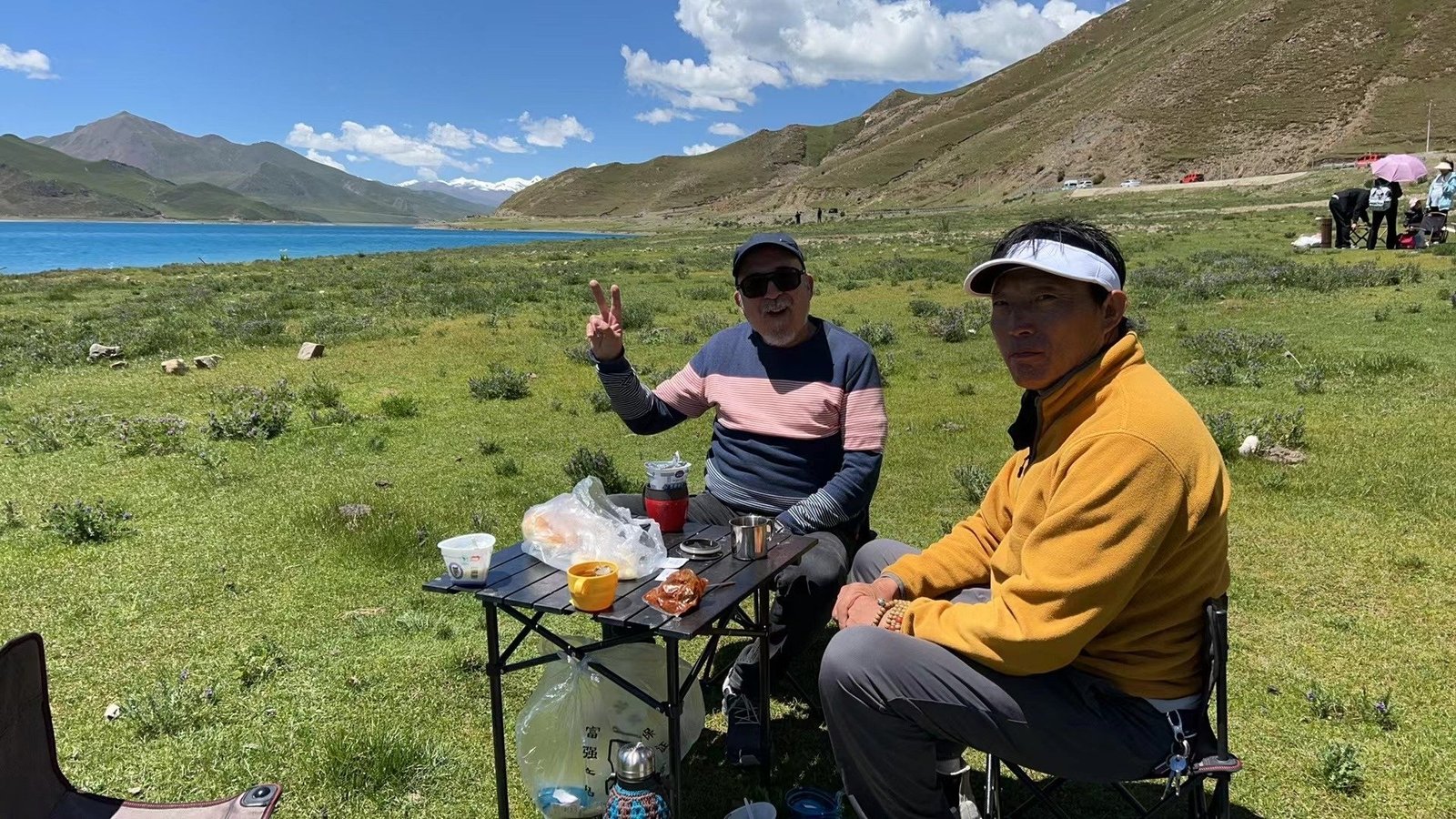
If you decide to travel solo to Tibet, here are some things you should do:
Before the Trip
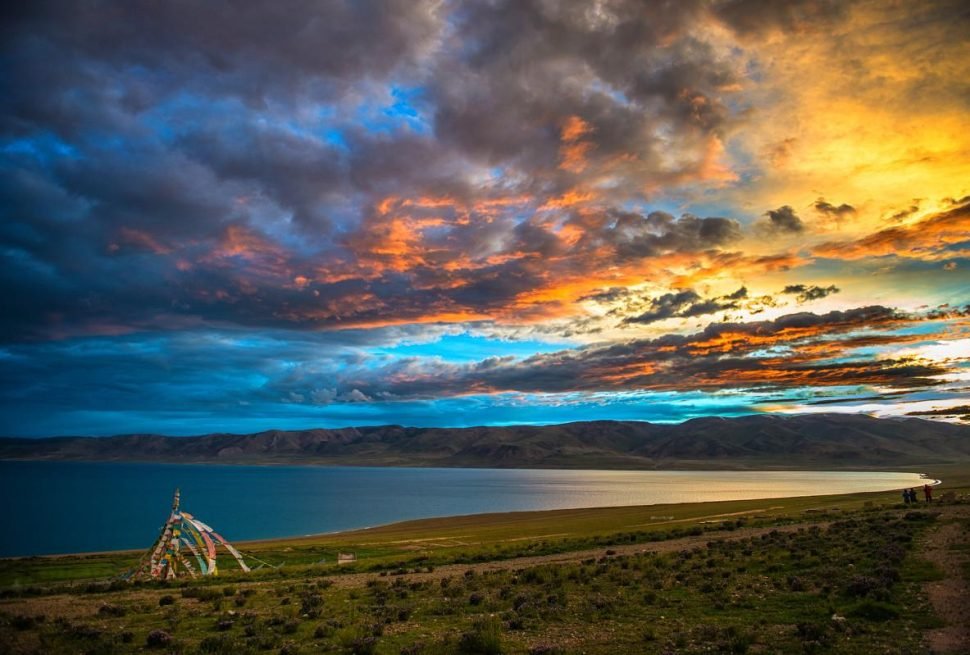
Plan Your Itinerary: Tibet has many famous scenic spots like the Potala Palace, Jokhang Temple and Namtso Lake. Plan your route according to your time and interests. For example, if you have a week’s time, you can spend 2 or 3 days in Lhasa visiting the Potala Palace, Jokhang Temple and Barkhor Street, then go to Namtso Lake for 2 days and spend the remaining time in Gyantse and Shigatse to visit the Pelkor Chode Monastery and Tashilhunpo Monastery.
Prepare Necessary Documents: You must have a valid ID card. If you plan to visit some restricted areas in Tibet, such as Mount Kailash and Ngari, you need to apply for a Tibet Travel Permit in advance. You can apply through a local travel agency in Tibet.
Get Physical Checkups: Tibet is at a high altitude, so it’s essential to have a physical examination before the trip to ensure you are in good health and suitable for highaltitude travel. People with heart disease, high blood pressure, respiratory diseases and other chronic diseases should consult their doctors.
Pack Appropriate Clothes: The climate in Tibet is complex with large temperature differences between day and night. You should bring warm clothes like down jackets, sweaters, thermal underwear, as well as sun protection items including sunglasses, sun hats and sunscreen with a high SPF, because the ultraviolet radiation is strong.
Prepare Medicines: Bring antialtitude sickness medications such as acetazolamide, dexamethasone, and some common medicines for colds, stomachaches and diarrhea, as well as bandages and disinfectants in case of injury.
During the Trip
Adapt to the Altitude: After arriving in Tibet, take it easy and avoid strenuous exercise to allow your body to adapt to the high altitude environment. Drink more water, eat more fruits and vegetables, and avoid smoking and drinking. If you experience severe altitude sickness symptoms such as difficulty breathing, persistent headache and dizziness, seek medical attention immediately.
Respect Local Culture and Customs: Tibet has unique religious beliefs and cultural traditions. When visiting monasteries and other religious sites, follow the regulations, do not take pictures without permission, and respect the local people’s religious beliefs and taboos. For example, do not step on the threshold, and turn the prayer wheels clockwise.
Ensure Personal Safety: When traveling alone, safety is crucial. Keep your valuables with you, especially in crowded places. When going to remote areas, inform your family or friends of your itinerary and contact information, and maintain regular communication with them.
Protect the Environment: Tibet has a beautiful natural environment that needs to be protected. Do not litter, and try to reduce your impact on the environment.
Transportation and Accommodation
Choose Transportation: You can choose to travel by plane, train or car. Taking the train to Tibet can help you gradually adapt to the altitude and enjoy the beautiful scenery along the way. If you want to travel freely, you can also rent a car, but make sure you are familiar with the local road conditions.
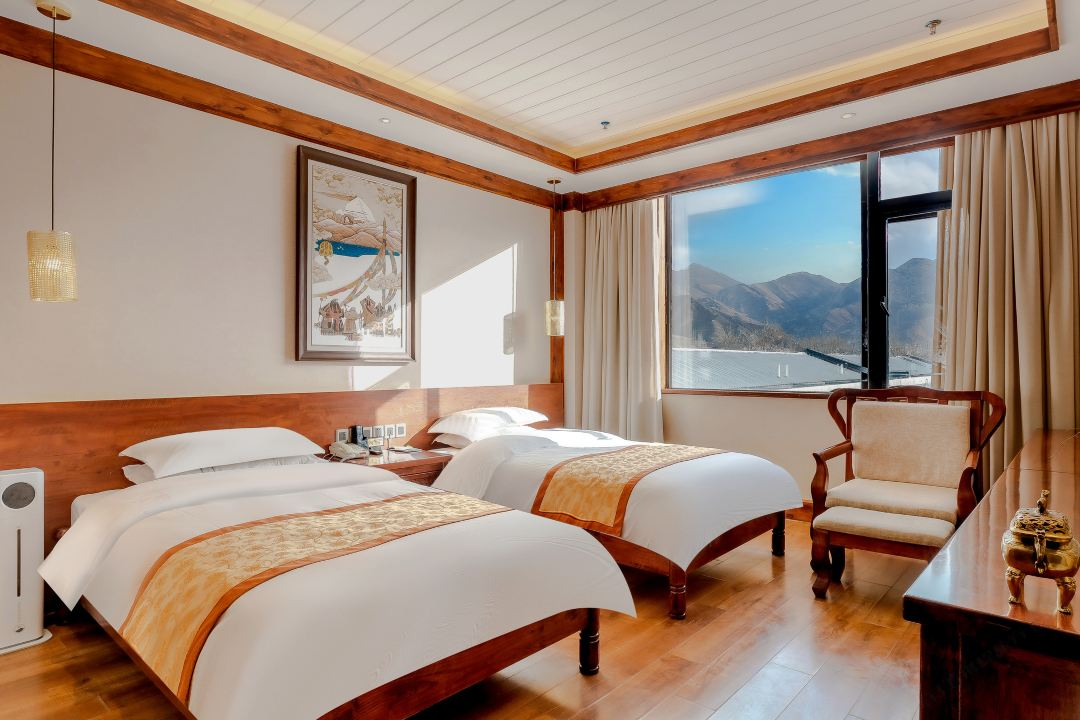
Book Accommodation: It is recommended to book accommodation in advance according to your itinerary. In Lhasa, Shigatse and other cities, there are a variety of hotels, guesthouses and youth hostels to choose from. You can choose according to your budget and preferences. When staying in a hotel, check the safety facilities in the room and keep the room door locked.
In general, solo travel to Tibet requires careful preparation and full attention to various details to ensure a safe and enjoyable trip.