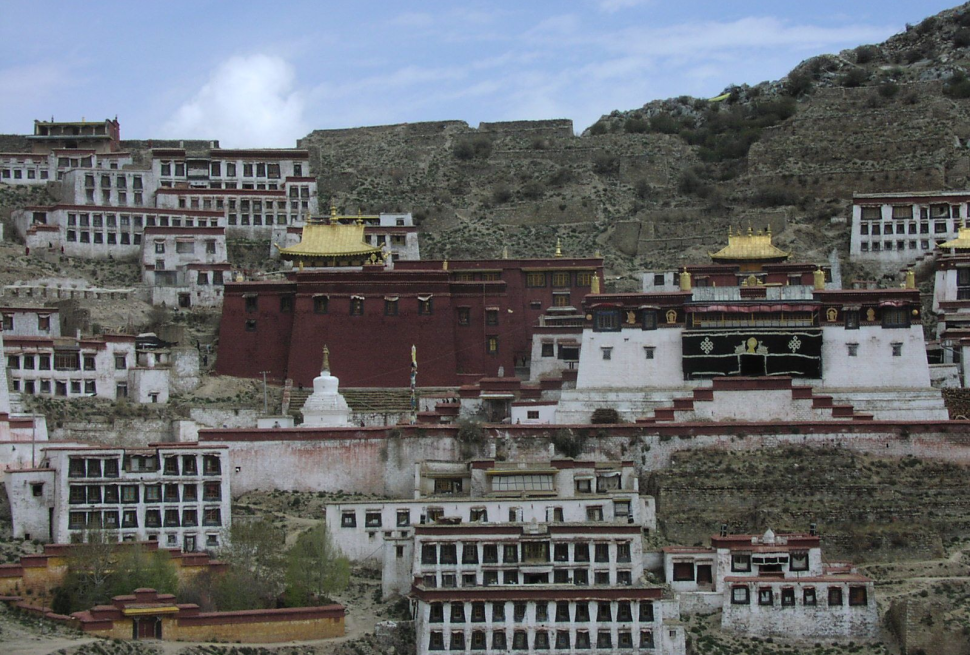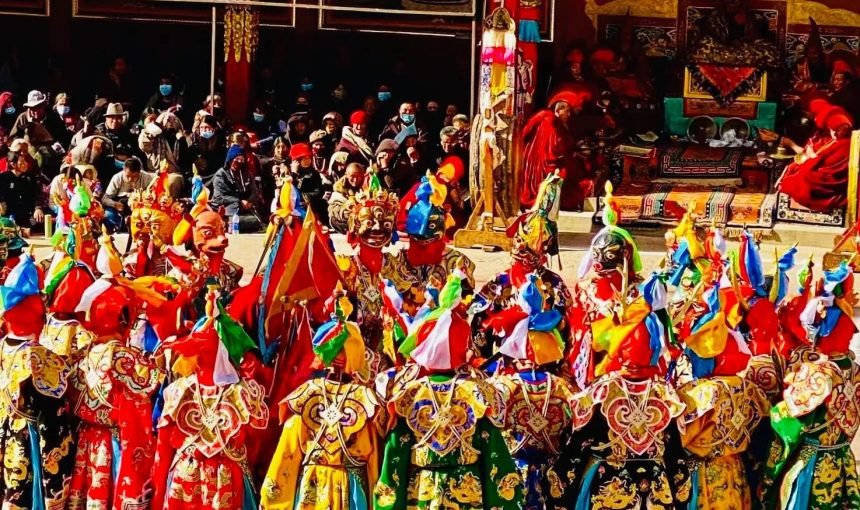
Introduction

Tibetan New Year, known as Losar, is a vibrant celebration that encapsulates the rich cultural heritage of Tibet. This festive occasion is not just about ushering in a new year; it’s a time for reflection, renewal, and community bonding. As we delve into the unique rituals and traditions surrounding this remarkable festival, you’ll discover why Tibetan New Year holds such profound cultural significance.
Discover the Essence of Tibetan New Year
At its core, Tibetan New Year marks the transition into a fresh lunar cycle, celebrated with joy and reverence across Tibet. What is Tibetan New Year called? It’s called Losar, a term that resonates with the spirit of festivity and hope for prosperity in the coming year. The essence of this celebration lies in its ability to unite families and communities through shared customs and joyous activities.
Unique Rituals and Traditions Explored
The rituals associated with Tibetan New Year are steeped in history and spirituality, reflecting centuries-old practices that honor both tradition and faith. From meticulous preparations to traditional foods enjoyed during this time, each element plays a crucial role in making Losar a truly unforgettable experience. How do you celebrate Tibetan New Year? Through unique customs like cleaning homes to sweep away misfortune or preparing special dishes like guthuk (a traditional soup), these rituals create an atmosphere filled with warmth and joy.
Cultural Significance of the Celebration
The cultural significance of Tibetan New Year extends far beyond mere festivities; it serves as an opportunity for spiritual renewal and community solidarity. What is the Buddhist new year? In many ways, it aligns closely with Losar as both celebrate concepts of rebirth and reflection within Buddhist teachings. Ultimately, what festival is Tibetan New Year? It’s not just any festival; it’s a heartfelt expression of gratitude for past blessings while embracing hopes for future prosperity.
What is Tibetan New Year Called?
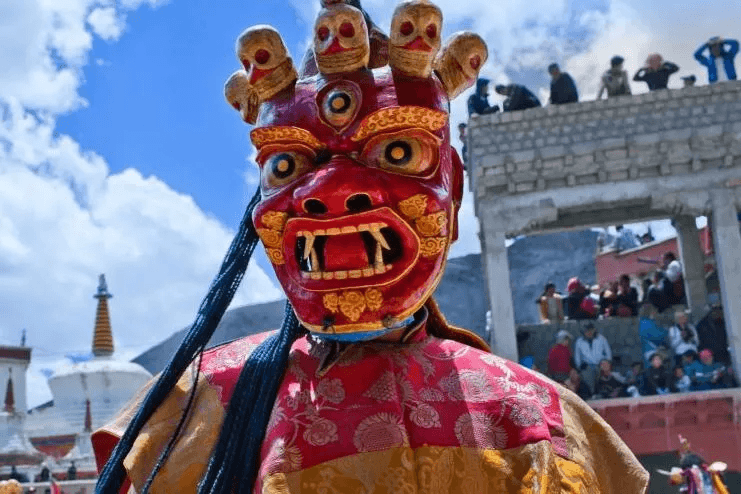
When we talk about the Tibet New Year, we’re diving into a vibrant celebration that holds deep cultural significance for the Tibetan people. This festive occasion is not just a change of date on the calendar; it symbolizes renewal, hope, and the promise of new beginnings. But what is Tibetan New Year called? The answer lies in the term Losar, which encapsulates this joyous event.
Understanding Losar
Losar, pronounced lo-sar, refers specifically to the Tibetan New Year and is celebrated with much fanfare across Tibet and among Tibetan communities worldwide. The festival typically falls in February or March, marking the start of a new lunar year. During Losar, families come together to honor their ancestors, cleanse their homes, and partake in various rituals that symbolize purification and new beginnings.
Origins of the Name
The name Losar has fascinating roots that reflect its cultural heritage. The term combines two words: lo, meaning year or age, and sar, meaning new or fresh—essentially translating to new year. This name perfectly captures the spirit of renewal associated with this vibrant festival as it ushers in good fortune for families and communities alike during the Tibet New Year celebrations.
Regional Variations in Celebration
While Losar serves as a unifying celebration among Tibetans, regional variations add unique flavors to how people observe this special occasion. In some areas like Lhasa, festivities may include grand public celebrations with traditional music and dance performances showcasing local culture. In contrast, other regions may focus more on intimate family gatherings where traditional foods are prepared and shared—a true testament to how diverse yet connected Tibetan New Year celebrations can be.
How Do You Celebrate Tibetan New Year?
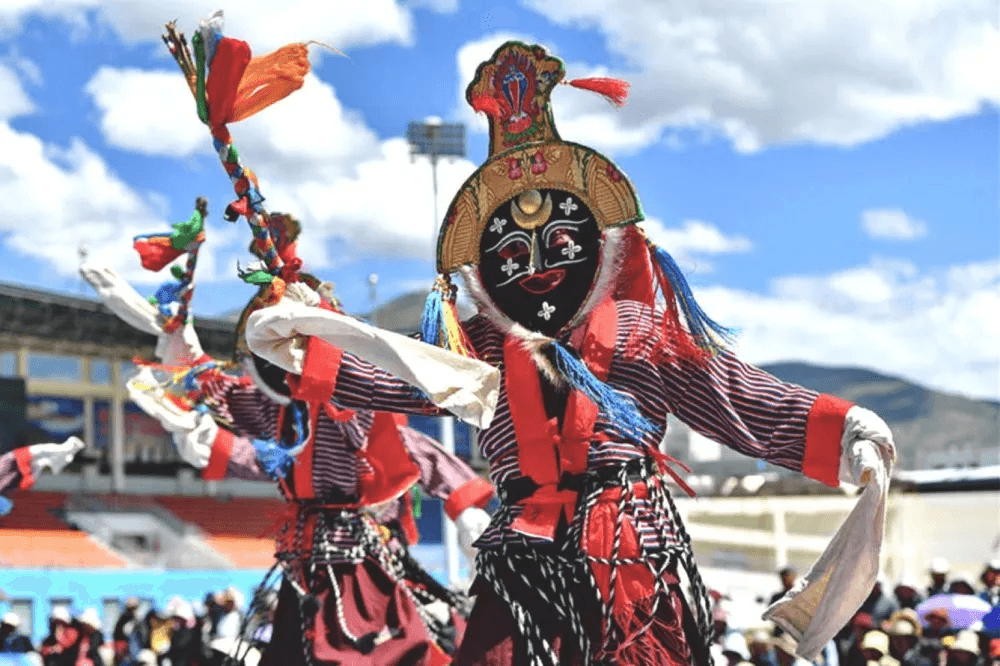
Celebrating the Tibet New Year, or Losar, is a vibrant affair filled with rich traditions and joyous festivities. The preparations begin well in advance, as families engage in thorough cleaning and decorating of their homes to welcome the new year with positivity and good fortune. This ritualistic cleanup symbolizes the removal of negativity from the past year, making way for fresh beginnings.
Festive Preparations and Cleanup
In anticipation of Losar, households across Tibet undergo a significant transformation. Families meticulously clean every corner of their homes, discarding old items that no longer serve them, thus embodying the spirit of renewal inherent in this celebration. The act of preparing for Tibetan New Year is not merely about tidiness; it’s an opportunity to reflect on past experiences and set intentions for the year ahead.
Once everything is spick-and-span, decorations come into play, with colorful banners and prayer flags adorning homes to invite auspiciousness. These festive touches create a warm atmosphere that resonates with joy and optimism as families prepare to celebrate this important festival together. Ultimately, these preparations set the tone for a memorable Tibetan New Year filled with hope and connection.
Traditional Foods to Enjoy
Food plays a pivotal role in celebrating Tibetan New Year; it’s all about indulging in traditional dishes that bring everyone together around the table! One staple during this festive time is guthuk, a special noodle soup served on Losar’s eve that contains hidden ingredients symbolizing fortune for those who find them during dinner. Each ingredient has its own significance—some may represent wealth while others symbolize health—adding an element of excitement to mealtime.
As families gather to enjoy these culinary delights, they also share stories and laughter, reinforcing bonds over hearty meals prepared with love. Other popular dishes include chura, a type of cheese made from yak milk, which pairs perfectly with barley beer known as chang. Together these foods create an atmosphere rich in flavor and tradition during Tibetan New Year celebrations.
Community and Family Gatherings
Family gatherings are at the heart of how you celebrate Tibetan New Year; they foster connections that strengthen community ties while honoring shared heritage. During Losar festivities, relatives often travel long distances just to be together—a testament to the importance placed on family during this time! The warmth felt among loved ones amplifies the joy experienced during this special occasion.
In addition to family reunions, community events abound throughout Tibet during Losar where locals come together to partake in cultural performances such as traditional dances or music showcases that celebrate their unique identity. This sense of belonging creates an environment where people can express gratitude for one another while enjoying each other’s company amidst vibrant celebrations! Thus, both family gatherings and community events ensure that everyone feels included during this remarkable festival known as Tibet’s New Year.
The Role of Buddhism in Tibetan New Year

Spiritual Significance of Losar
Losar serves as a spiritual reset button for many Tibetans, marking not only the start of a new year but also an opportunity for renewal and reflection. What is Tibetan New Year called? The term Losar translates to new year, but its meaning goes beyond mere calendar changes; it embodies hope, purification, and positive intentions for the future. During this time, practitioners engage in rituals that promote inner peace and well-being, reinforcing their connection to Buddhist teachings.
Rituals and Practices for the New Year
How do you celebrate Tibetan New Year? The celebration involves various rituals steeped in Buddhist tradition aimed at fostering harmony within oneself and one’s community. Families often begin with thorough cleaning of their homes to sweep away any negative energies from the previous year—an act symbolizing both physical and spiritual cleansing. Offerings are made at altars adorned with prayer flags, while traditional prayers are recited to invoke blessings from deities.
How Buddhism Shapes the Celebrations
Buddhism shapes celebrations during Losar through practices that emphasize compassion, generosity, and gratitude—core tenets of this faith. What is the Buddhist new year? While Losar may not align with other cultures’ interpretations of a new year, it encapsulates similar themes: fresh beginnings infused with spiritual depth. Various festivals linked to Tibetan New Year often feature communal prayers and gatherings that reinforce social bonds while celebrating shared beliefs.
Local Festivals Linked to Tibetan New Year

When it comes to the **Tibet New Year**, the festivities extend far beyond just Losar itself. Various local festivals spring up around this vibrant time, each adding its unique flavor to the celebrations. From colorful parades to traditional dances, these events highlight the rich tapestry of Tibetan culture and community spirit.
Exploring Various Festivals
The heart of **Tibetan New Year** is undoubtedly Losar, but it’s flanked by a series of local festivals that bring communities together in joyous celebration. Each region may have its own distinct festival that coincides with the new year, showcasing local traditions and customs. Whether it’s a lively dance-off or a culinary competition featuring traditional foods, these festivals are a testament to Tibet’s diverse cultural heritage.
Cultural Events During Losar
During **Losar**, numerous cultural events take place that embody the essence of what it means to celebrate this special time. From sacred rituals performed in monasteries to lively street fairs filled with music and dance, there’s something for everyone during this festive period. These events not only mark the arrival of a new year but also serve as an opportunity for families and friends to come together in joyous revelry.
How Festivals Reinforce Social Bonds
The various festivals linked to **Tibetan New Year** play a crucial role in reinforcing social bonds within communities. As people gather for celebrations, they share stories, laughter, and food—elements that strengthen relationships and foster unity among participants. In essence, these gatherings transform into collective memories that celebrate not just the new year but also the enduring spirit of community.
GuideTibet: Your Key to Experiencing Losar

If you’re eager to dive into the vibrant festivities of Tibetan New Year, GuideTibet is your ultimate companion. With a focus on creating personalized tours, they ensure that every aspect of your journey is tailored to your interests and preferences. Whether you want to explore the spiritual significance of Losar or indulge in traditional foods, their expert guides will lead you through an unforgettable experience.
Personalized Tours for Unique Experiences
When it comes to celebrating Tibetan New Year, there’s no one-size-fits-all approach. GuideTibet offers personalized tours that allow you to discover what makes Losar special for different communities in Tibet. From intimate family gatherings to large public celebrations, these bespoke experiences will give you a front-row seat to the heart and soul of this extraordinary festival.
Engaging with Local Traditions
One of the most enriching aspects of experiencing Tibetan New Year is engaging with local traditions firsthand. With GuideTibet, you’ll have opportunities to participate in rituals that highlight the spiritual significance of Losar and learn about its cultural heritage from knowledgeable locals. This immersive approach not only deepens your understanding but also fosters connections with the people who celebrate this vibrant festival every year.
Benefits of Traveling with GuideTibet
Traveling with GuideTibet during Tibetan New Year means more than just sightseeing; it’s about forging meaningful memories and friendships along the way. Their experienced guides navigate both popular attractions and hidden gems, ensuring that you don’t miss out on any aspect of this festive occasion. Plus, by choosing a local operator like GuideTibet, you support sustainable tourism practices while enriching your own travel experience.
Conclusion
As we wrap up our exploration of Tibetan New Year, it’s clear that this vibrant celebration, known as Losar, is more than just a date on the calendar. It’s an opportunity to embrace the spirit of renewal, reflection, and joy that comes with welcoming a new year in Tibet. The unique rituals and communal gatherings serve as a powerful reminder of the importance of family and cultural heritage during this festive time.
Embrace the Spirit of Tibetan New Year
Embracing the spirit of Tibetan New Year means immersing yourself in its rich traditions and festivities. From understanding what Tibetan New Year is called to participating in lively celebrations, each aspect offers a glimpse into the heart of Tibetan culture. By engaging with local communities during Losar, you can experience firsthand how joy and spirituality intertwine in this enchanting festival.
The Richness of Cultural Traditions
The richness of cultural traditions surrounding Tibetan New Year is truly remarkable. With diverse customs reflecting regional variations, learning about how people celebrate Tibetan New Year can deepen your appreciation for this unique festival. It’s not just about food or rituals; it’s about strengthening social bonds through shared experiences that make Losar an unforgettable occasion.
Plan Your Memorable Trip to Tibet
If you’re inspired by what you’ve learned about Losar and want to experience it for yourself, planning your memorable trip to Tibet is essential! Discovering how to celebrate Tibetan New Year will open doors to unforgettable adventures filled with local traditions and spiritual insights. So grab your bags—it’s time to dive into the vibrant world of Tibet’s New Year celebrations!