Introduction

Tibetan New Year, known as Losar, is a vibrant celebration that offers an extraordinary glimpse into the rich tapestry of Tibetan culture. In 2025, the festivities will be particularly special, marking a year filled with unique customs and traditions that reflect the spirit of the Tibetan people. As you embark on this journey to discover Tibetan New Year 2025, you’ll find yourself immersed in an atmosphere of joy and reverence.
Discover Tibetan New Year Festivities
What is the New Year festival of Tibet? It’s not just a time for celebration; it’s also an opportunity to reconnect with family and community through age-old rituals and practices. The excitement surrounding Losar builds anticipation as families prepare traditional foods and participate in colorful events that showcase their heritage.
Embrace Local Culture and Traditions
Understanding what Tibetan year is 2025 will deepen your appreciation for this remarkable festival. You’ll learn how the animal for the Tibetan New Year in 2025 plays a significant role in shaping celebrations, influencing everything from decor to food offerings. Engaging with local customs allows travelers to connect authentically with Tibetans and experience their way of life firsthand.
Plan Your Journey with Expert Tips
Traveling during this festive period can be exhilarating yet challenging, so having expert tips at your disposal is invaluable. Knowing when to visit key locations for the best experiences during Tibetan New Year celebrations can make all the difference in your journey. Moreover, being informed about local customs ensures you respect traditions while enjoying everything Losar has to offer.
Understanding Tibetan New Year
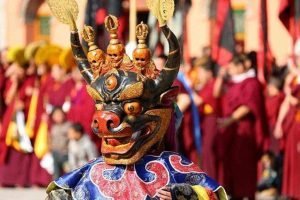
Tibetan New Year, also known as Losar, is a vibrant celebration that marks the beginning of the new year in the Tibetan calendar. In 2025, this festival promises to be particularly special as it ushers in a new cycle filled with hope and renewal. So, what Tibetan year is 2025? It corresponds to the Year of the Wood Rabbit, symbolizing peace and prosperity.
What Tibetan year is 2025?
In 2025, Tibetans will celebrate Losar during the Year of the Wood Rabbit. This zodiac sign is associated with tranquility and creativity, making it an ideal time for introspection and personal growth. The significance of this animal comes from its representation of gentleness and compassion—qualities that resonate deeply within Tibetan culture.
Significance of the New Year festival of Tibet
The New Year festival of Tibet holds immense cultural importance as it signifies not just a change in the calendar but also a time for spiritual renewal and family unity. Families gather to honor their ancestors while engaging in rituals meant to cleanse negativity from their lives. Celebrating Tibetan New Year 2025 will include traditional practices such as offering prayers at monasteries and sharing festive meals that strengthen community bonds.
Is Tibetan New Year the same as Chinese New Year?
While both Tibetan New Year and Chinese New Year fall around similar times each year, they are distinct celebrations rooted in different traditions and customs. The dates may align due to their reliance on lunar calendars; however, what is celebrated during these festivals varies significantly. For example, while Chinese New Year often emphasizes family reunions with fireworks and dragon dances, Tibetan New Year’s focus lies on spiritual purification through rituals like butter lamp offerings—highlighting just how unique this festive occasion truly is!
Festive Customs and Celebrations
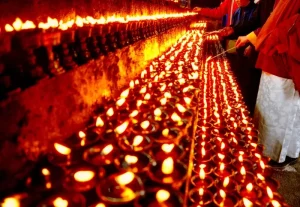
Tibetan New Year, or Losar, is a vibrant tapestry of customs and celebrations that reflect the rich cultural heritage of Tibet. As you delve into the festivities of Tibetan New Year 2025, you’ll discover that it’s not just about the new calendar year but a celebration steeped in history and meaning. This enchanting festival is an opportunity to embrace local traditions while enjoying unique culinary delights, family gatherings, and lively events.
Traditional foods to savor during Losar
When it comes to Tibetan New Year 2025, food plays a central role in the celebrations. Traditional dishes such as guthuk, a hearty noodle soup filled with various ingredients symbolizing good fortune, are must-tries during this festive period. Additionally, chang, a homemade barley beer, flows freely as families toast to health and prosperity in the coming year.
Food during this time is not just about sustenance; it’s deeply symbolic. Each dish served during the New Year festival of Tibet carries its own significance—whether it’s for luck or longevity. So prepare your taste buds for an unforgettable culinary adventure that will leave you craving more!
Importance of family gatherings and rituals
Family gatherings are at the heart of Losar celebrations; they embody unity and shared joy amidst the festivities. During Tibetan New Year 2025, families come together to perform rituals that honor their ancestors while also welcoming new beginnings. These moments strengthen familial bonds and create lasting memories that transcend generations.
The rituals often include offerings made at home altars or visits to local monasteries where prayers are recited for prosperity in the upcoming year. It’s a beautiful blend of reverence and festivity that showcases how culture intertwines with spirituality during this significant time. As you join these gatherings, expect warmth, laughter, and perhaps a few heartfelt stories from elders recounting past Losar experiences.
Unique events and activities during the festival
The Tibetan New Year is brimming with unique events that will make your experience truly unforgettable! From colorful processions featuring traditional music and dance to captivating cultural performances showcasing Tibetan arts—there’s never a dull moment during this festive season! In 2025, expect vibrant displays of local talent as communities unite to celebrate their heritage.
One highlight is the Losar Dance, where participants don traditional attire while performing intricate dances meant to ward off evil spirits—an exhilarating sight indeed! Additionally, street fairs pop up across towns offering crafts, games for children, and delicious street food reflecting local flavors from around Tibet. So whether you’re dancing along or indulging in mouthwatering treats at these unique events during Tibetan New Year 2025, you’ll find yourself enchanted by every moment.
What is the animal for the Tibetan New Year in 2025?
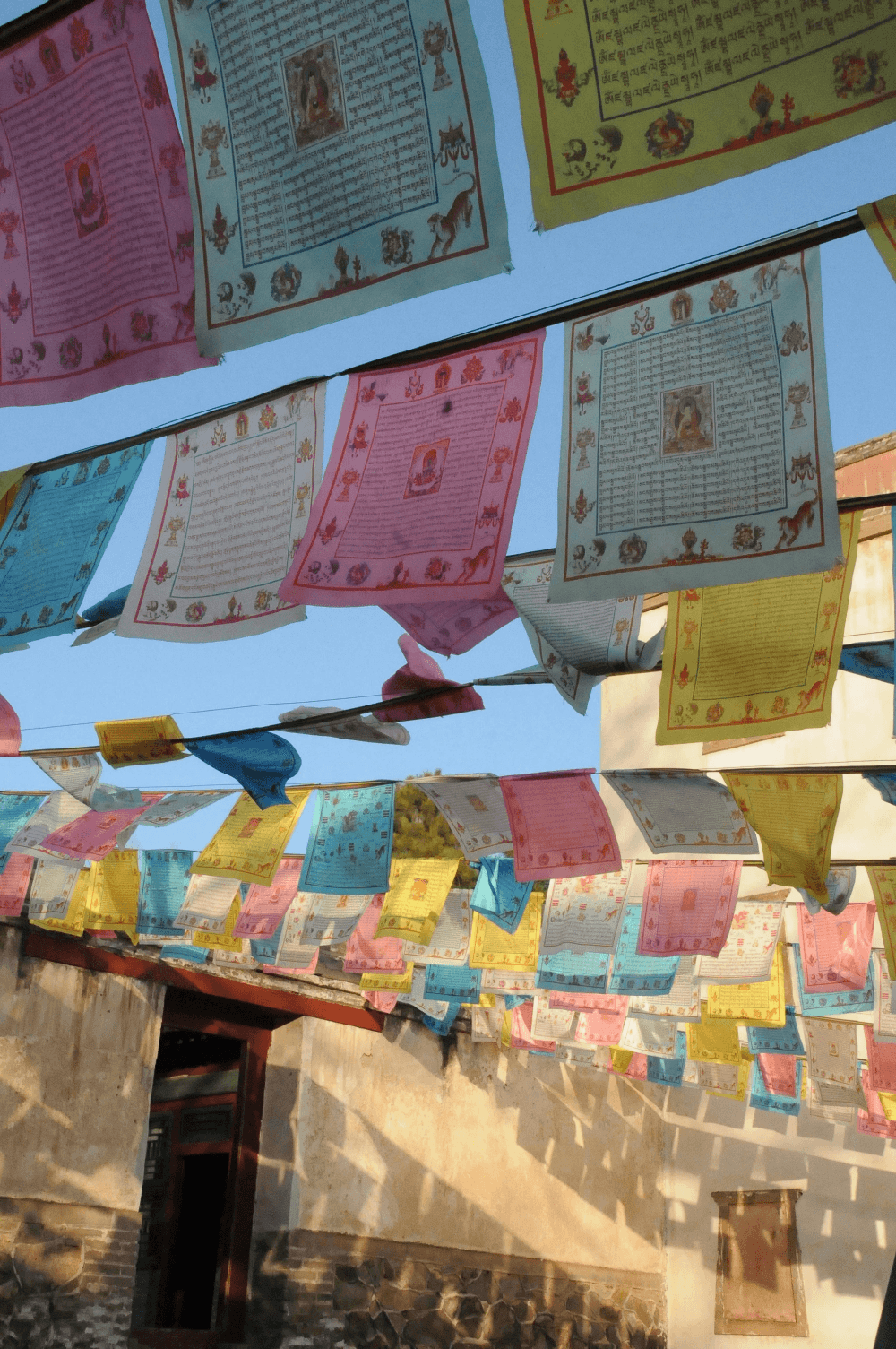
The Tibetan New Year, known as Losar, is an exciting time that brings with it a unique zodiac animal for each year. In 2025, we will welcome the Wood Snake, a symbol of wisdom and transformation in Tibetan culture. Understanding what Tibetan year is 2025 helps deepen appreciation for this vibrant festival and its traditions.
The role of the zodiac in Tibetan culture
In Tibetan culture, the zodiac plays a significant role in shaping personalities and guiding celebrations during festivals like Losar. Each year corresponds to a specific animal from the twelve-year cycle, influencing not just individual traits but also communal festivities. This connection between zodiac signs and cultural practices highlights how deeply intertwined astrology is with everyday life in Tibet.
How the animal influences the celebrations
The Wood Snake’s arrival during Tibetan New Year 2025 will influence various aspects of Losar celebrations. Families may prepare special dishes or engage in rituals that honor this particular zodiac sign, believing it brings good fortune and prosperity for the upcoming year. The festivities become a reflection of both ancient traditions and contemporary interpretations as communities unite to celebrate their shared heritage.
Understanding your own zodiac sign’s impact
Understanding your own zodiac sign can enhance your experience during the New Year festival of Tibet by providing insights into personal strengths and weaknesses. If you know your sign within the Tibetan zodiac system, you can participate more meaningfully in rituals or events tailored to your characteristics. Plus, sharing these insights with locals can foster deeper connections while celebrating together during this joyous occasion.
Travel Tips for Losar 2025
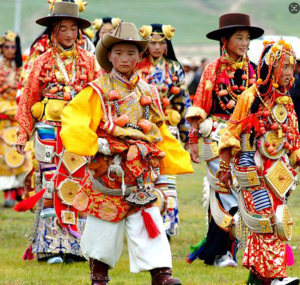
Planning to celebrate Tibetan New Year 2025? You’re in for a treat! From vibrant festivals to rich cultural experiences, there’s much to explore during this festive season.
Best places to experience Tibetan New Year
When it comes to experiencing the Tibetan New Year festival of Tibet, Lhasa is undoubtedly the crown jewel. The capital city transforms into a kaleidoscope of colors as locals engage in age-old traditions and celebrations that embody the essence of Tibetan culture. Other notable spots include Shigatse and Gyantse, where you can witness unique local customs that make the festivities even more special.
Is Tibetan New Year the same as Chinese New Year? While both are celebrated around the same time and share some similarities, they are distinct events deeply rooted in their respective cultures. In Tibet, Losar is infused with unique rituals and practices that reflect centuries of tradition.
What to pack for highland adventures
Packing for your trip during Tibetan New Year 2025 requires some thought, especially considering the high-altitude environment. Layering is key; think thermal undergarments, warm jackets, and sturdy footwear suitable for both urban exploration and rural adventures. Don’t forget essentials like sunscreen and sunglasses—those rays can be fierce at altitude!
Also, consider bringing along a small travel journal or camera to capture all those unforgettable moments during the New Year festival of Tibet. You’ll want to document not only your experiences but also the beautiful landscapes and joyous celebrations surrounding you.
Local customs every traveler should respect
Engaging with local customs is crucial when visiting during Losar 2025; it shows respect for Tibetan culture while enhancing your overall experience. For instance, when entering homes or monasteries, it’s customary to remove your shoes—this small gesture goes a long way in showing appreciation for local traditions.
Additionally, participating in family gatherings or communal feasts can offer genuine insights into how families celebrate this special time together—just remember that sharing food is an important aspect of these gatherings! Understanding what Tibetan year is 2025 will also help you appreciate the significance behind various rituals performed during this festive period.
Booking Your Losar Experience

Embarking on a journey to celebrate the Tibetan New Year 2025 is not just about witnessing festivities; it’s about immersing yourself in a culture rich with history and tradition. To ensure you have an unforgettable experience, choosing the right travel partner is crucial. GuideTibet stands out as a premier choice, offering tailored experiences that allow you to fully embrace what this vibrant celebration has to offer.
Why choose GuideTibet for your journey
When planning your adventure for the Tibetan New Year 2025, GuideTibet provides unparalleled expertise that enhances your trip from start to finish. With knowledgeable guides who are deeply rooted in local customs, you’ll gain insights into what makes the New Year festival of Tibet truly special. Plus, their commitment to responsible tourism ensures that your journey positively impacts local communities while respecting traditions.
Unique itineraries for a memorable Losar
GuideTibet offers unique itineraries designed specifically for experiencing Losar, allowing you to partake in traditional celebrations and explore stunning landscapes simultaneously. From participating in family rituals during the Tibetan New Year 2025 to enjoying local delicacies at festive feasts, every aspect of your trip is curated for authenticity and engagement. You’ll also visit iconic sites where cultural heritage thrives, making each moment memorable.
Engaging with local culture and traditions
To fully appreciate what Tibetan New Year is all about, engaging with local culture and traditions is essential. Through activities like learning traditional dances or cooking authentic dishes served during Losar, travelers can form deeper connections with the community they’re visiting. Additionally, understanding how the animal associated with the Tibetan New Year influences celebrations will enrich your experience even further.
Conclusion
As you prepare to immerse yourself in the vibrant tapestry of Tibetan New Year 2025, it’s essential to approach the festivities with confidence and excitement. Understanding what Tibetan year is 2025 will enhance your experience, allowing you to appreciate the rich traditions that accompany this significant celebration. With a little preparation and knowledge about the local customs, you’ll be ready to enjoy everything from colorful parades to delicious traditional foods.
Celebrate Tibetan New Year with Confidence
The Tibetan New Year is not just another holiday; it’s a profound cultural experience that invites you to participate in centuries-old traditions. Knowing what is the New Year festival of Tibet involves recognizing its significance as a time for renewal, reflection, and joy among families and communities. Embrace this opportunity with confidence by familiarizing yourself with key customs and rituals that make Losar so special.
Unforgettable Experiences Await You
When planning your journey around Tibetan New Year 2025, expect unforgettable experiences at every turn. From savoring traditional foods during Losar to engaging in unique events and activities, each moment will be steeped in cultural richness. You’ll find that understanding whether Tibetan New Year is the same as Chinese New Year can deepen your appreciation for these distinct yet harmonious celebrations.
Connect with Tibetan Culture and Nature
Connecting with Tibetan culture during Losar offers an enriching perspective on life at high altitudes amid breathtaking landscapes. As you explore how the animal for the Tibetan New Year in 2025 influences celebrations, take time to reflect on your own zodiac sign’s impact on your journey. This connection not only enhances your travel experience but also fosters a deeper appreciation for nature’s beauty intertwined with cultural heritage.