Introduction

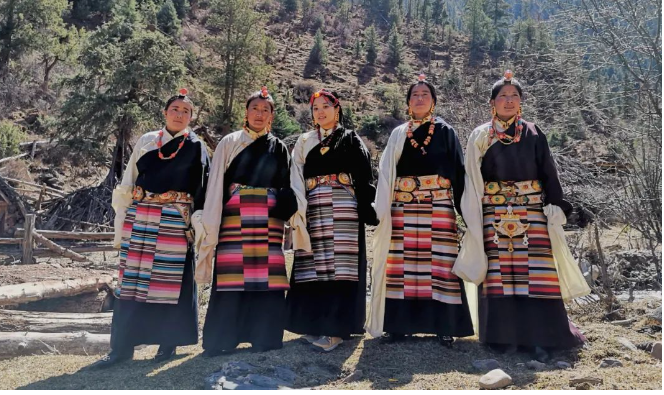
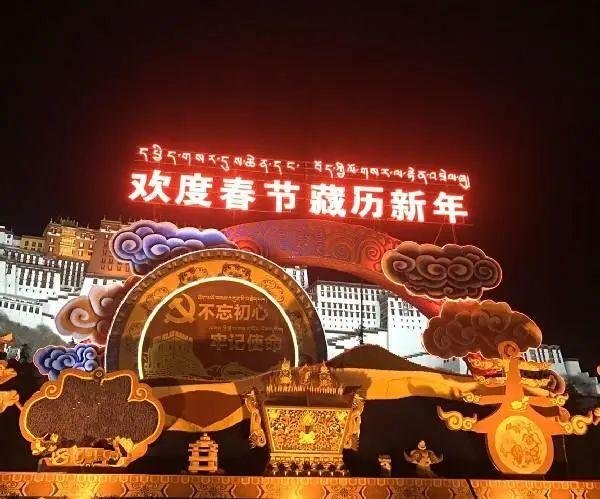
Losar, the vibrant festival marking the Tibetan New Year, is a celebration rich in culture and tradition. Celebrated by Tibetan communities around the world, this festival is not just about welcoming a new year but also about honoring ancestral customs and fostering community spirit. As we delve into the significance of Losar, we uncover layers of meaning that resonate deeply with those who partake in its festivities.
Understanding the Significance of Losar
What is Losar celebrated for? At its core, Losar symbolizes renewal and hope, providing an opportunity for reflection and gratitude as families come together to mark this special occasion. The festival plays a crucial role in preserving Tibetan cultural heritage while also serving as a reminder of resilience amidst challenges faced by Tibetan communities globally.
The Vibrant Traditions of Losar
The traditions surrounding the Losar festival are as colorful as they are diverse. From elaborate decorations to lively performances, each aspect reflects deep-rooted customs that have evolved over centuries. In exploring which state festival is Losar, one can appreciate how it varies from region to region while still maintaining its essence—an exuberant celebration of life and community.
Losar Festival Food Delights
No discussion about Losar would be complete without mentioning the tantalizing food that accompanies this festive time! The culinary delights of Tibetan New Year include traditional dishes that are prepared with love and care, often passed down through generations. As we explore the flavors of Losar festival food, it becomes clear that these meals are not just sustenance; they embody cultural stories and familial bonds that enhance the overall experience.
What is Losar Festival?

The Losar festival marks the Tibetan New Year, a vibrant celebration filled with rich traditions and cultural significance. This festive occasion is not just about marking the passage of time; it’s a heartfelt expression of hope, renewal, and community spirit. As we dive into the origins and importance of Losar, it becomes clear why this festival holds such a cherished place in the hearts of many.
Exploring Tibetan New Year Origins
Losar has its roots deeply embedded in Tibetan culture, celebrating the arrival of spring and the promise of new beginnings. Historically, this festival was linked to agricultural practices, where communities would give thanks for bountiful harvests and seek blessings for future prosperity. As time evolved, the celebration transformed into a blend of ancient customs and Buddhist influences, making it a unique representation of Tibetan identity.
Which State Festival is Losar?
In Nepal, Losar is celebrated predominantly by the Sherpa and Tamang communities as their state festival. This vibrant event showcases local customs that vary from region to region but share common themes of family gatherings and communal feasting. The festivities often include colorful dances, music performances, and traditional rituals that highlight what makes this losar festival so special within Nepalese culture.
The Cultural Importance of Losar
Losar serves as a crucial cultural touchstone for Tibetans around the world—it’s not just about welcoming a new year but also about reinforcing ties within families and communities. During this time, people reflect on their past year’s experiences while looking forward to fresh opportunities ahead. Celebrating with traditional foods like tsampa (roasted barley flour) or unique losar festival food enriches these gatherings with flavors that evoke nostalgia and unity among participants.
Why is Losar Celebrated in Nepal?

Losar, the vibrant Tibetan New Year, holds a special place in the hearts of many communities in Nepal. This festival not only marks the beginning of a new year but also serves as a celebration of cultural heritage and unity among the Tibetan diaspora and other communities. So, why is Losar celebrated in Nepal? The answer lies deeply rooted in history, unique customs, and the spirit of community.
Historical Context of Losar in Nepal
The origins of Losar can be traced back centuries, with its significance intertwined with ancient Tibetan traditions that have permeated into Nepali culture. Historically, it has been celebrated by various ethnic groups within Nepal, particularly among Tibetans who migrated to this region. This rich history has established Losar as an essential part of Nepali identity, making it not just a festival but a symbol of resilience and continuity.
Unique Customs of the Nepali Losar
Nepali Losar is characterized by distinct customs that set it apart from its Tibetan counterparts while still honoring shared traditions. The festivities often include colorful processions, traditional dances, and music that resonate through the streets as families gather to celebrate together. One can’t forget about the delicious losar festival food—dishes like guthuk, a special dumpling soup filled with various ingredients that symbolize good fortune for the coming year.
The Role of Community in Celebrations
The essence of Losar celebrations lies within community bonds that bring people together to partake in joyous festivities. Families prepare for this occasion by cleaning their homes and decorating them with symbolic items to welcome prosperity and happiness into their lives. In addition to family gatherings, local events foster unity among different ethnicities celebrating together—showcasing how diverse cultures contribute to the richness of what is often referred to as one big losar festival celebration across Nepal.
How is Losar Celebrated in Bhutan?
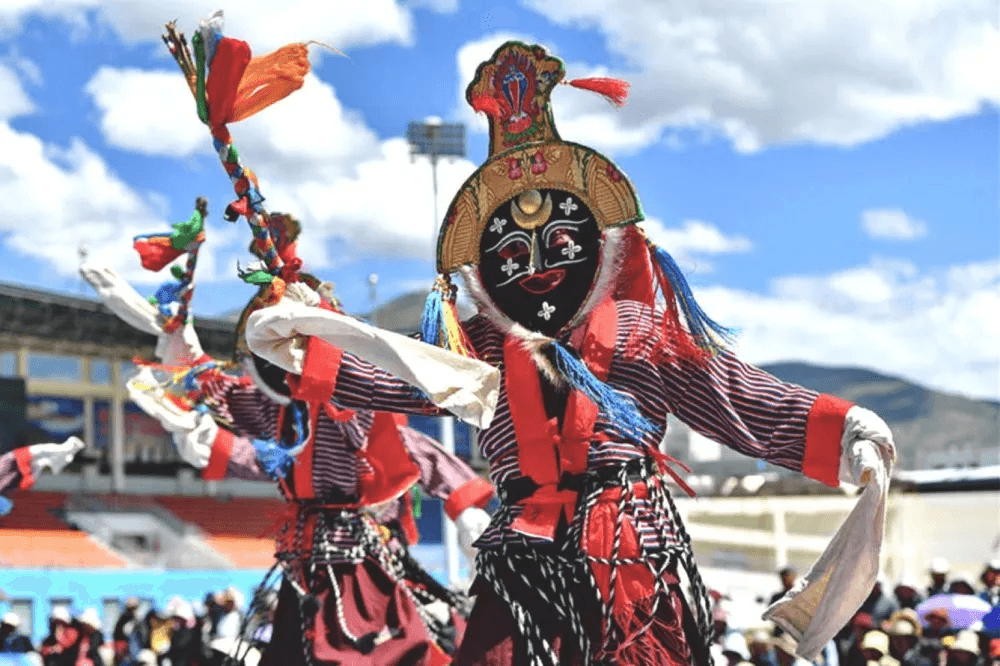
Losar in Bhutan is a vibrant tapestry of customs, rituals, and community spirit that reflects the rich cultural heritage of the region. The festival marks the beginning of the Tibetan New Year, celebrated with enthusiasm and joy across various communities. With each locality adding its unique flair, the Losar festival becomes a grand celebration that showcases Bhutanese identity and traditions.
Local Variations in Bhutanese Losar
While Losar is a national celebration, different regions in Bhutan have their own distinct ways of observing this festive occasion. For instance, in the western part of Bhutan, people may engage in colorful parades and traditional dances that highlight their local folklore. In contrast, eastern communities might focus more on family gatherings and elaborate feasts featuring traditional dishes synonymous with Tibetan New Year celebrations.
These local variations enrich the overall experience of Losar, making it not just a singular event but rather a mosaic of cultural expressions. Each community brings its own flavor to the festivities—quite literally! This diversity allows visitors to explore various customs during their exploration of how Losar is celebrated in Bhutan.
Traditional Rituals and Festivities
The rituals associated with Losar are steeped in symbolism and tradition, designed to usher in prosperity and good fortune for the coming year. Families typically begin preparations well ahead of time by cleaning their homes to sweep away any lingering negativity from the past year—a practice deeply rooted in Buddhist beliefs. On New Year’s Eve, offerings are made at local monasteries to seek blessings for health and happiness.
Festivities kick off with lively gatherings where traditional dances such as Cham take center stage—performances that often narrate tales from Buddhist teachings or local legends. The atmosphere buzzes with excitement as people exchange greetings while indulging in delicious losar festival food like guthuk, a special dumpling soup filled with symbolic ingredients representing hopes for prosperity.
The Influence of Buddhism on Losar
Buddhism plays an integral role in shaping how Losar is celebrated across Bhutan; it infuses rituals with deep spiritual significance that resonates within communities. Many practices observed during this time reflect Buddhist values such as compassion, generosity, and gratitude toward nature’s bounty—a reminder to appreciate life’s blessings as one enters a new year filled with possibilities.
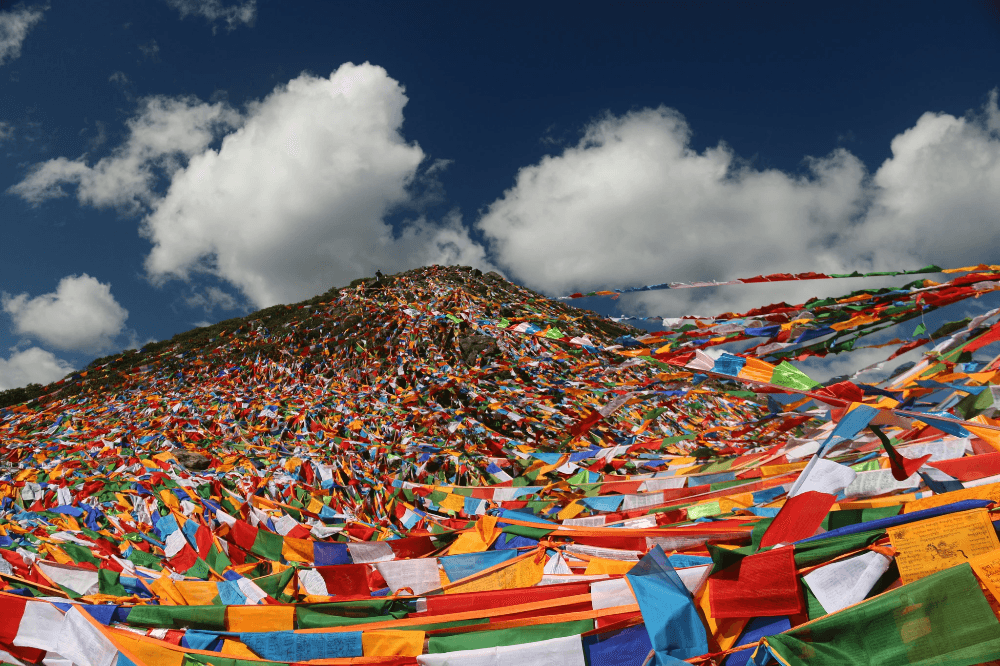
As participants engage in prayer flags hoisting or ceremonial butter lamp lighting during Losar celebrations, they reaffirm their connection to both community and spirituality. These acts serve not only as festive highlights but also strengthen communal bonds while emphasizing shared beliefs amongst participants celebrating Tibetan New Year together.
In summary, understanding how Losar is celebrated in Bhutan provides insight into its vibrant culture woven together by tradition and spirituality—all while indulging your taste buds with delightful losar festival food along the way!
Traditions and Customs During Losar
The Losar festival is a time of joyous celebration, marked by a plethora of vibrant traditions and customs that vary across regions. Preparing for Losar involves a series of rituals that set the stage for the festivities ahead. From cleaning homes to preparing special offerings, these practices are steeped in cultural significance and communal spirit.
Preparing for Losar: Rituals and Practices
In anticipation of the Tibetan New Year, families engage in various rituals to cleanse their homes and minds, symbolizing the removal of negativity from the past year. This preparation often begins weeks in advance, with families making traditional foods and decorations to honor their ancestors during this festive time. As people ask themselves, What is Losar celebrated for?, they recognize it as an opportunity to start anew, seeking blessings for health and prosperity in the coming year.
Symbolic Decorations and Offerings
As part of the Losar festival preparations, homes are adorned with symbolic decorations that reflect hope and renewal. Colorful prayer flags are hung outside while traditional motifs are painted on walls to invite good fortune into households. Offerings made during these celebrations include barley flour cakes known as guthuk, which hold a special place in Tibetan culture; they symbolize abundance and gratitude towards nature’s bounty.
The Role of Family and Community Gatherings
Family gatherings play an essential role during Losar celebrations, reinforcing bonds among relatives while honoring shared traditions. In both Nepal and Bhutan, communities come together to celebrate this state festival with lively events such as dance performances, music recitals, and communal meals featuring delicious losar festival food that showcases regional flavors. These gatherings not only strengthen familial ties but also foster community spirit—reminding everyone why Losar is cherished across cultures: it’s about unity, joy, and shared hopes for a prosperous new year.
Losar Festival Food: A Culinary Journey

Traditional Dishes of Tibetan New Year
When we think about Tibetan New Year, or Losar festival, our minds immediately wander to delectable dishes like guthuk, a hearty soup made with various ingredients that symbolize prosperity and health. This dish is usually prepared in large quantities and shared among family members to welcome the new year with good fortune. Another staple is changkol, a special barley beer that adds a festive touch to celebrations and embodies the warmth of community gatherings.
As we dive deeper into Tibetan New Year cuisine, we can’t overlook momos, those delightful dumplings filled with meat or vegetables that are perfect for sharing. These treats are often steamed or fried and served with spicy dipping sauces—perfect for those who appreciate bold flavors. With each bite of these traditional dishes during the Losar festival, one can truly savor the essence of Tibetan culture.
What to Expect in Nepali and Bhutanese Cuisines
While Tibetan New Year has its signature dishes, Nepali and Bhutanese cuisines also bring their unique flair to the celebrations of Losar festival food. In Nepal, you might encounter sel roti, a crispy rice-based doughnut that’s both sweet and savory—ideal for munching on throughout the festivities! Additionally, dhido, a traditional buckwheat or millet porridge served with vegetable curries, showcases how local ingredients create hearty meals during this special time.
In Bhutan, expect to see ema datshi, which features spicy chili peppers cooked in cheese—a dish that’s as fiery as it is flavorful! The emphasis on fresh ingredients means that meals are not only delicious but also deeply connected to local farming practices. Each bite offers an opportunity to explore regional nuances while celebrating why Losar is such an important occasion across cultures.
Exploring the Flavors of Losar Festival Food
The flavors experienced during the Losar festival are as diverse as its traditions themselves; they combine nostalgia with innovation in every bite! Whether you’re indulging in savory dumplings from Tibet or sweet rice doughnuts from Nepal, each dish tells a story of cultural significance tied closely to family gatherings during this festive season. The rich spices used across these cuisines highlight how food acts as both sustenance and celebration—a true reflection of what it means to embrace life anew.
As we look forward toward events like Tibetan Losar 2025, it’s exciting to imagine how these culinary traditions will continue evolving while remaining rooted in their historical context. So whether you’re planning your own celebration or joining friends at a local event, don’t forget about exploring all these delicious options available during this vibrant festival!
Conclusion
The Losar festival is not just a celebration; it’s a vibrant tapestry woven from the threads of culture, history, and community. Its global impact resonates through various countries, bringing together diverse cultures to honor the Tibetan New Year and its rich traditions. As people gather to celebrate this joyful occasion, they create lasting connections that transcend borders and foster understanding.
The Global Impact of the Losar Festival
Losar festival celebrations can be found across the globe, especially in regions with significant Tibetan and Himalayan communities. Countries like Nepal and Bhutan have embraced this festive occasion, showcasing unique variations that highlight their cultural identities while still honoring their shared roots. This blending of traditions fosters a sense of unity among those who ask, Which state festival is Losar? as they participate in festivities that celebrate new beginnings.
Embracing Tibetan Culture Through Losar
At its core, Losar is a heartfelt expression of Tibetan culture and resilience. Celebrated for centuries, it serves as a reminder of the importance of family bonds and community spirit in times of change. Engaging with the customs surrounding Losar allows individuals to appreciate its significance deeply—answering questions like What is Losar celebrated for? while savoring traditional dishes like dumplings and barley beer that embody the essence of Tibetan New Year.
Planning Your Losar Festival Experience with GuideTibet
If you’re eager to experience the magic of the Losar festival firsthand, look no further than GuideTibet for expert assistance in planning your journey! They offer tailored experiences that encompass not only festivities but also insights into local customs—providing answers to Why is Losar celebrated in Nepal? or How is Losar celebrated in Bhutan? With their guidance, you’ll be well-prepared to immerse yourself fully in this colorful celebration during Tibetan Losar 2025.