Introduction

Tibetan Buddhist painting, particularly in the form of thangkas, captivates art lovers and spiritual seekers alike with its vibrant colors and intricate details. These traditional artworks serve not only as visual feasts but also as profound expressions of Tibetan culture and spirituality. As we delve into this fascinating realm, we will explore what makes thangkas a unique form of Tibetan Buddhist art, their significance in spiritual practices, and the meticulous techniques involved in their creation.
Discover the Allure of Thangka Art
Thangka paintings are more than just artistic endeavors; they are windows into the rich tapestry of Tibetan Buddhism. Each thangka tells a story—be it a depiction of deities, mandalas, or important historical events—making them essential tools for meditation and reflection. The allure lies not only in their beauty but also in their ability to convey deep philosophical meanings and teachings inherent to Tibetan Buddhist art.
The Cultural Importance of Tibetan Art
Tibetan Buddhist painting is deeply intertwined with the cultural identity of Tibetans around the world. Thangkas serve as educational tools that illustrate complex religious concepts while preserving centuries-old traditions and practices. They play an indispensable role during festivals and rituals, reinforcing community bonds and spiritual connections that define Tibetan culture.
Insights into Thangka Painting Techniques
Creating a thangka is no small feat; it requires an array of specialized skills passed down through generations. Artists meticulously select materials such as mineral-based pigments and cotton canvas to ensure longevity and vibrancy in their works. The process involves multiple steps—from sketching outlines to layering colors—that reflect both an artist’s technical prowess and spiritual dedication to crafting these exquisite representations of Tibetan Buddhist art.
What is a Traditional Tibetan Buddhist Painting Called?

When diving into the world of Tibetan Buddhist art, one quickly encounters the term Thangka. This traditional Tibetan Buddhist painting serves not just as a piece of art but also as a spiritual guide, rich in symbolism and meaning. Understanding what constitutes a Thangka is essential for anyone interested in exploring this captivating art form.
Understanding Thangka Definition
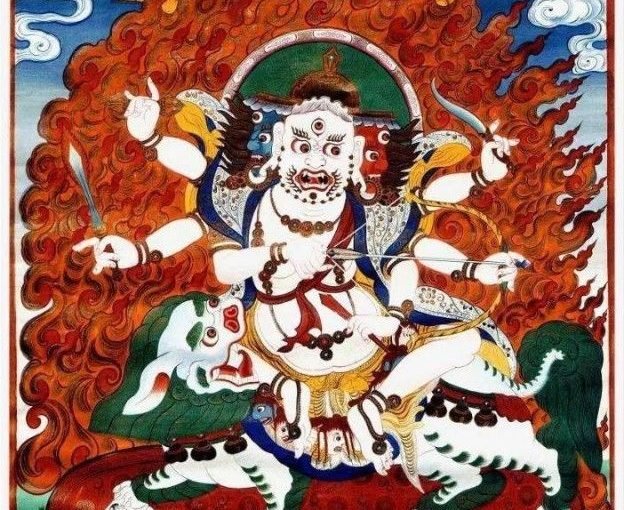
At its core, a Thangka is a scroll painting that typically depicts Buddhist deities, mandalas, or scenes from the life of Buddha. These vibrant artworks are often painted on cotton or silk and are designed to be rolled up for easy transport and storage. The unique aspect of Tibetan Buddhist painting lies in its intricate details and the use of vivid colors, which convey deep spiritual significance.
Thangkas are not merely decorative pieces; they encapsulate teachings and philosophies central to Tibetan Buddhism. Artists meticulously follow traditional guidelines when creating these paintings to ensure that they are both aesthetically pleasing and spiritually meaningful. Thus, understanding Thangka definition goes beyond mere visuals; it encompasses the cultural heritage embedded within each brushstroke.
The Role of Thangkas in Spiritual Practice
In Tibetan Buddhism, Thangkas hold immense significance as tools for meditation and reflection. Practitioners often use these paintings during rituals or personal meditative practices to focus their minds on specific deities or teachings represented within the artwork. The visual representation helps deepen one’s understanding of complex concepts in Tibetan Buddhist philosophy.
Additionally, these paintings serve an educational purpose by illustrating stories from the Buddha’s life or depicting various aspects of Buddhist cosmology. This aspect makes them invaluable resources for both practitioners and scholars alike who seek insight into the teachings of Buddhism through visual means. Therefore, understanding why these pieces are so integral to spiritual practice reveals much about their importance in Tibetan culture.
Variants of Thangka Across Regions
While all Thangkas share common themes rooted in Buddhism, variations exist depending on regional influences and artistic styles across Tibet and neighboring areas like Nepal and Bhutan. For instance, Newari artists from Nepal often incorporate different color palettes or stylistic elements that set their works apart from traditional Tibetan creations. This diversity enriches the overall landscape of what can be classified under Tibetan Buddhist art forms.
Moreover, certain regions may prioritize specific subjects—some focusing more on peaceful deities while others might emphasize wrathful figures representing protection against negative forces. Such variations reflect local beliefs and practices while still adhering to core principles found within traditional Tibetan Buddhist painting techniques. Exploring these regional differences adds layers to our understanding of what constitutes a Thangka.
The Process of Creating Thangka Paintings
Creating a thangka painting is not merely an artistic endeavor; it’s a spiritual journey that embodies the essence of Tibetan Buddhist art. Each step in this intricate process is steeped in tradition, reflecting the cultural and religious significance of Tibetan Buddhist painting. From selecting materials to the final brushstroke, every action is imbued with meaning and intent.
Materials Used in Tibetan Buddhist Painting
The materials used in Tibetan Buddhist painting are as unique as the art form itself. Traditional thangkas are crafted using natural pigments derived from minerals, plants, and even precious stones, ensuring vibrant colors that stand the test of time. The canvas is typically made from cotton or silk, providing a durable yet flexible surface for these spiritual masterpieces.
In addition to pigments and canvas, other essential tools include brushes made from animal hair and gold leaf for highlighting certain features. These materials not only contribute to the visual appeal but also align with the spiritual practices associated with creating thangka paintings. Understanding what a traditional Tibetan Buddhist painting is called helps appreciate how these carefully chosen materials play a crucial role in its creation.
Step-by-Step Creation of a Thangka
The step-by-step creation of a thangka involves meticulous planning and execution, beginning with sketching an outline based on sacred texts or existing designs. Once the outline is approved—often by experienced monks—the artist begins applying layers of color using their finely crafted brushes. Each color symbolizes different aspects of spirituality within Tibetan Buddhism, making it essential for artists to understand what each hue represents.
After the initial layers are applied, details such as facial expressions and intricate patterns are added with precision. This painstaking process can take weeks or even months to complete depending on the size and complexity of the piece—contributing to why thangka paintings can be so expensive! Finally, once completed, each thangka serves not just as art but also as an educational tool that conveys deep spiritual teachings.
The Role of Monasteries in Thangka Production
Monasteries play an integral role in both preserving and producing thangkas within Tibetan culture; they serve as centers for learning and artistic expression where monks dedicate their lives to mastering this traditional art form. Often referred to as custodians of knowledge, these monasteries provide training for aspiring artists who wish to delve into what is Tibetan Buddhist art form at its core.
In addition to teaching techniques specific to creating thangkas, monasteries also serve as places where finished works can be displayed during festivals or religious ceremonies—highlighting their significance beyond mere decoration. This connection between monastic life and artistic production underscores why these paintings hold such cultural value within Tibetans’ spiritual lives today.
What is Tibetan Buddhist Art Form?
Tibetan Buddhist art is a vibrant and intricate tapestry of spirituality, culture, and tradition. At its core, this art form serves as a visual representation of the teachings and beliefs of Tibetan Buddhism. One of the most recognized expressions within this genre is the thangka painting, which embodies both artistic skill and profound spiritual significance.
Overview of Tibetan Artistic Styles
Tibetan Buddhist painting encompasses a variety of styles that reflect the rich cultural heritage of Tibet. Traditional thangkas are characterized by their meticulous detail and vibrant colors, often depicting deities, mandalas, or scenes from the life of Buddha. These styles vary across regions; for instance, while some areas might emphasize bold outlines and bright colors, others might focus on softer tones and intricate patterns.
The artistic techniques employed in these paintings have been passed down through generations, creating a distinct identity for Tibetan Buddhist art. Artists often train in monasteries where they learn not only how to paint but also how to infuse their works with spiritual meaning. This blend of artistry and devotion makes Tibetan Buddhist painting an essential aspect of what is considered traditional Tibetan art.
Symbolism and Meaning in Tibetan Art
Symbolism plays a pivotal role in Tibetan Buddhist art forms such as thangkas. Each color, figure, and element within these paintings carries specific meanings that contribute to their overall message. For example, the lotus flower symbolizes purity and enlightenment while different deities represent various aspects of compassion or wisdom.
Understanding these symbols enhances appreciation for thangka paintings beyond their aesthetic appeal; they are visual stories conveying deep philosophical concepts integral to Tibetan Buddhism. Consequently, when one asks what is a traditional Tibetan Buddhist painting called?, it becomes evident that each thangka serves not just as decoration but as an educational tool steeped in rich symbolism.
Influence of Tibetan Buddhism on Artistic Expression
Tibetan Buddhism has profoundly influenced artistic expression across various mediums beyond just painting; it shapes sculpture, textiles, and even architecture within the region. The teachings encapsulated in this spiritual practice inspire artists to create works that resonate with both beauty and depth—an important aspect when considering why are thangka paintings so expensive?
The time-honored traditions involved in crafting these artworks require immense dedication from skilled artisans who channel their spirituality into every brushstroke. This connection between faith and artistry underscores the significance of the thangka painting: it’s not merely an object but rather a conduit for meditation and reflection within one’s spiritual journey.
Why Are Thangka Paintings So Expensive?
Thangka paintings hold a unique place in the world of Tibetan Buddhist art, and their pricing often reflects the intricate craftsmanship and cultural significance behind each piece. Understanding why these traditional Tibetan Buddhist paintings are so expensive requires delving into various factors, including the materials used, the skills of the artists, and their overall cultural value. This exploration not only highlights the artistry involved but also emphasizes why these works are cherished by collectors and spiritual practitioners alike.
Factors Influencing Thangka Pricing
Several factors contribute to the high prices of thangka paintings. First and foremost is the quality of materials used; traditional thangkas often employ natural pigments derived from minerals and plants, which can be costly to source and prepare. Additionally, the reputation of the artist plays a significant role; established masters who have honed their craft over decades command higher prices due to their skill in creating authentic Tibetan Buddhist painting that resonates with spiritual depth.
Cultural significance also heavily influences pricing; thangkas that depict important deities or historical events in Tibetan Buddhism may fetch higher values due to their importance in religious practices. Moreover, art collectors are increasingly recognizing thangkas’ potential as investment pieces, driving up demand for high-quality works that embody both artistic merit and cultural heritage. In essence, understanding what is a traditional Tibetan Buddhist painting called reveals layers of meaning that justify its cost.
The Time and Skill Required for Creation
Creating a thangka is no small feat; it typically involves meticulous preparation and execution that can take weeks or even months to complete. Artists must possess extensive training in techniques passed down through generations—skills such as precise brushwork, color mixing, and symbolic representation are essential for producing an authentic piece of Tibetan Buddhist art form. This level of dedication not only showcases an artist’s talent but also underscores why these creations are priced so highly.
The painstaking process includes sketching outlines on cotton or silk fabric before layering on paint with incredible precision—a labor-intensive endeavor requiring immense patience and focus. Each brushstroke contributes to a final product that serves both aesthetic appeal and spiritual purpose; thus, when you consider why are thangka paintings so expensive, it becomes evident how much time goes into crafting these masterpieces.
Furthermore, many artists work within monasteries where they receive guidance from senior monks who ensure adherence to traditional methods—this mentorship adds another layer of expertise that enhances both skill levels and market value.
Collectibility and Cultural Value
Thangkas stand out not just for their artistic qualities but also for their collectibility among enthusiasts of Asian art forms worldwide. As interest grows in Tibetan culture—and specifically its rich artistic traditions—collectors seek out pieces with provenance or historical significance linked to specific monasteries or notable artists within the community. This trend has led to increased competition among buyers willing to invest significant sums into acquiring rare works.
Moreover, owning a thangka often means possessing a piece imbued with deep spiritual meaning; many view them as more than mere decorative items—they serve as conduits for meditation or tools for enhancing one’s spiritual journey within Buddhism’s framework. Thus arises another question: what is the significance of the thangka painting? Its role extends far beyond visual beauty—it embodies centuries-old teachings meant to guide practitioners on their paths toward enlightenment.
In summary, when exploring why are thangka paintings so expensive today—the interplay between artistry, spirituality, collectibility—and cultural heritage comes into play beautifully illustrating how these artworks transcend mere commerce into realms rich with meaning.
What is the Significance of the Thangka Painting?
Thangka paintings hold a profound significance in Tibetan culture, transcending mere artistic expression to embody spiritual and educational elements. These vibrant artworks serve as visual aids in meditation, acting as gateways to deeper understanding and connection with Buddhist teachings. In essence, they encapsulate the essence of Tibetan Buddhist art, making them invaluable to practitioners and collectors alike.
Thangka as a Meditation Tool
One of the most cherished roles of Thangka paintings is their function as meditation tools within Tibetan Buddhism. When practitioners gaze upon these intricate works, they are often guided into a state of mindfulness and contemplation, allowing for a richer meditative experience. The imagery depicted in these traditional Tibetan Buddhist paintings often represents deities or mandalas, which serve to focus the mind and inspire spiritual growth.
Incorporating Thangkas into meditation practices can enhance one’s connection to the teachings of Buddhism by providing visual representations of complex concepts. Each brushstroke carries meaning; thus, understanding what a traditional Tibetan Buddhist painting is called becomes essential for anyone wishing to delve deeper into this art form. Ultimately, Thangkas not only beautify spaces but also enrich spiritual lives through focused practice.
Educational and Historical Aspects of Thangka
Thangka paintings are treasure troves of history and education within Tibetan culture. Each piece serves not just as art but also as a narrative device that communicates stories from Buddhist scriptures or historical events in Tibet’s rich tapestry. Through vibrant colors and meticulous details, these artworks educate viewers about important figures in Buddhism while preserving cultural heritage—a vital aspect when exploring what is Tibetan Buddhist art form.
Moreover, understanding the educational value behind these paintings sheds light on why they hold such high esteem among collectors—after all, why are Thangka paintings so expensive? The labor-intensive process involved in creating each piece ensures that they remain not only beautiful but also historically significant artifacts worthy of preservation.
Thangka’s Role in Tibetan Festivals
The role of Thangkas extends beyond personal spirituality; they are integral to numerous festivals celebrated throughout Tibet and beyond. During significant events like Losar (Tibetan New Year) or various religious ceremonies, large-scale displays of Thangkas bring communities together in celebration and devotion. These gatherings highlight how deeply intertwined Tibetan Buddhist painting is with cultural practices—showcasing both artistry and faith.
In festivals, these traditional artworks become focal points for rituals and communal activities that honor deities or commemorate historical events within Buddhism’s rich narrative framework. Thus, understanding their role at such gatherings further emphasizes their significance in both spiritual life and cultural identity within Tibet—truly an introduction to Tibetan art that captivates everyone involved.
Conclusion
In conclusion, Tibetan Buddhist art, particularly the exquisite thangka paintings, offers a profound glimpse into a rich cultural and spiritual heritage. These traditional artworks not only serve as visual representations of Buddhist teachings but also encapsulate centuries of artistic tradition. By exploring the world of Tibetan Buddhist painting, one can appreciate both its aesthetic beauty and its deep-rooted significance in spiritual practice.
Exploring Tibetan Buddhist Art’s Rich Heritage
Tibetan Buddhist art is a treasure trove of vibrant colors, intricate details, and symbolic meanings that reflect the essence of Buddhism itself. What is a traditional Tibetan Buddhist painting called? The answer lies in the term thangka, which signifies more than just an artwork; it embodies spiritual narratives and teachings that have been passed down through generations. An introduction to Tibetan art reveals how these paintings are not merely decorative but integral to understanding the beliefs and practices that shape Tibetan culture.
The Impact of Thangkas on Spiritual Life
Thangkas hold immense significance in the lives of practitioners, functioning as powerful meditation tools that aid in spiritual contemplation. The question arises: what is the significance of the thangka painting? Beyond their visual appeal, these artworks serve to enhance one’s connection to deities and teachings within Tibetan Buddhism, fostering a deeper understanding of one’s path. Moreover, they act as educational resources that convey historical narratives and ethical lessons inherent in Tibetan Buddhist philosophy.
Planning Your Thangka Experience with GuideTibet
For those eager to delve deeper into this captivating art form, planning your thangka experience with GuideTibet can be an enlightening journey. This organization provides unique opportunities to learn about thangka creation firsthand while engaging with skilled artists who embody centuries-old traditions. Why are thangka paintings so expensive? The meticulous craftsmanship involved in each piece reflects not only time and skill but also cultural value—elements you can fully appreciate during your guided experience.