Introduction

Tibetan marriage is a fascinating tapestry woven from ancient customs, spiritual beliefs, and cultural nuances that reflect the essence of Tibetan life. How do Tibetans get married? This question opens a window into a world where rituals are steeped in significance, and traditions are passed down through generations. The exploration of Tibetan wedding traditions reveals not just the process of marrying but also the deep-rooted values that shape relationships within this unique culture.
Discover the Essence of Tibetan Wedding Traditions
At first glance, Tibetan marriage may seem unconventional to outsiders, especially with practices like fraternal polyandry—where brothers share a wife. Why do brothers share a wife in Tibet? This custom is not merely about familial bonds; it’s also an economic strategy to keep land and resources within the family unit. By understanding these distinctive practices, one can appreciate how Tibetan weddings serve as vital connectors between families and communities.
The Significance of Tibetan Marriage Rituals
Tibetan marriage rituals are more than just formalities; they symbolize unity and commitment underpinned by spiritual beliefs. Are Tibetans monogamous? While many follow monogamous practices today, traditional customs often embraced polyandry for practical reasons related to agriculture and inheritance. The significance of these rituals lies in their ability to blend personal desires with communal responsibilities, creating a harmonious balance that has endured through time.
Rich Cultural Heritage and Beliefs
The rich cultural heritage surrounding Tibetan marriages is steeped in Buddhist philosophy and local traditions that emphasize respect for nature and community ties. What is unusual about a Buddhist marriage is its focus on spiritual connection over material concerns, which sets it apart from many other cultural practices worldwide. By delving into these beliefs, we uncover how Tibetan marriage reflects broader themes of love, duty, and interconnectedness that resonate deeply within this mountainous region.
Overview of Tibetan Marriage Practices
Tibetan marriage practices are deeply rooted in the region’s unique cultural, spiritual, and historical contexts. Understanding how Tibetans get married requires delving into the rich tapestry of traditions that have evolved over centuries. From polyandry to communal living, these practices showcase a fascinating blend of customs that define Tibetan society.
Historical Context of Tibetan Marriages
Historically, Tibetan marriages were influenced by geographical isolation and harsh environmental conditions. Families often sought to maintain their lineage and property through strategic unions, leading to practices such as fraternal polyandry—where brothers share a wife. This unusual arrangement not only consolidates land but also ensures economic stability in a landscape where resources are scarce.
Key Differences in Regional Customs
Tibetan marriage customs vary significantly across different regions, reflecting the diverse cultures within Tibet itself. For instance, while some areas practice polyandry, others adhere to more monogamous relationships—raising the question: Are Tibetans monogamous? Moreover, certain communities emphasize elaborate ceremonies filled with rituals distinct from neighboring regions, showcasing local beliefs and traditions that enrich the overall tapestry of Tibetan marriage.
The Role of Family in Marriage Decisions
Family plays an integral role in Tibetan marriages; decisions about unions often involve extensive discussions among relatives. Parents typically have significant influence over whom their children marry, aligning with traditional values that prioritize familial bonds over individual choice. This collective approach underscores why family dynamics are crucial when exploring how Tibetans get married and highlights the importance placed on maintaining harmony within extended families.
Pre-Wedding Rituals and Preparations
Tibetan marriage traditions are steeped in rich rituals and preparations that set the stage for a harmonious union. Before the wedding day arrives, families engage in various pre-wedding practices to ensure that the marriage is blessed and auspicious. These rituals not only reflect the spiritual beliefs of Tibetan culture but also showcase the intricate web of family ties and communal values.
Selecting Auspicious Dates for the Ceremony
In Tibetan culture, selecting an auspicious date for the wedding ceremony is paramount, as it is believed to influence the couple’s future happiness and prosperity. Families often consult with spiritual leaders or astrologers to determine the most favorable time based on lunar calendars and astrological alignments. This attention to timing highlights how Tibetans get married within a framework that intertwines spirituality with everyday life.
Traditional Gifts and Bride Price
The exchange of traditional gifts plays a significant role in Tibetan marriage customs, often involving a bride price or dowry system that symbolizes respect for both families involved. This bride price can include livestock, money, or other valuable items that demonstrate a groom’s commitment to his new family. The practice raises interesting questions about relationships; for instance, why do brothers share a wife in Tibet? This custom reflects unique familial structures where resources are pooled together, ensuring stability within households.
The Importance of Astrology in Planning
Astrology holds considerable importance in planning Tibetan marriages, guiding decisions from auspicious dates to compatibility between partners. Families often seek astrological advice not just during pre-wedding preparations but throughout their married lives as well; they believe it can help navigate challenges ahead. This reliance on astrology may seem unusual compared to other cultures—what is unusual about a Buddhist marriage? In Tibetan society, marrying under favorable celestial conditions emphasizes harmony between cosmic forces and human relationships.
The Tibetan Wedding Ceremony
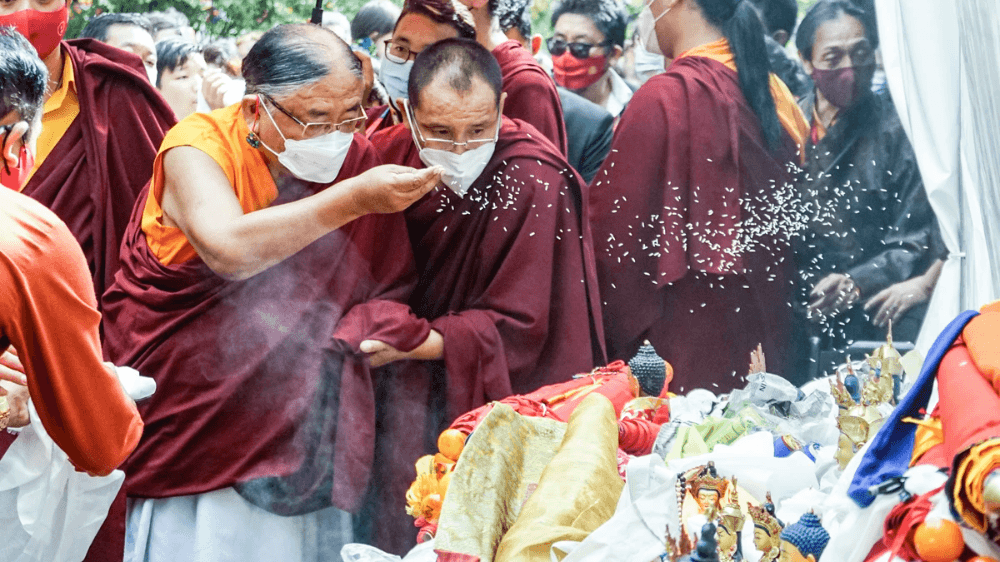
The Tibetan wedding ceremony is a vibrant tapestry woven from ancient traditions and spiritual significance. It serves as a public declaration of love and commitment, showcasing the couple’s devotion to one another within the framework of their rich cultural heritage. How do Tibetans get married? They engage in a series of meaningful rituals that not only unite the couple but also honor their families and communities.
Sacred Locations for the Ceremony
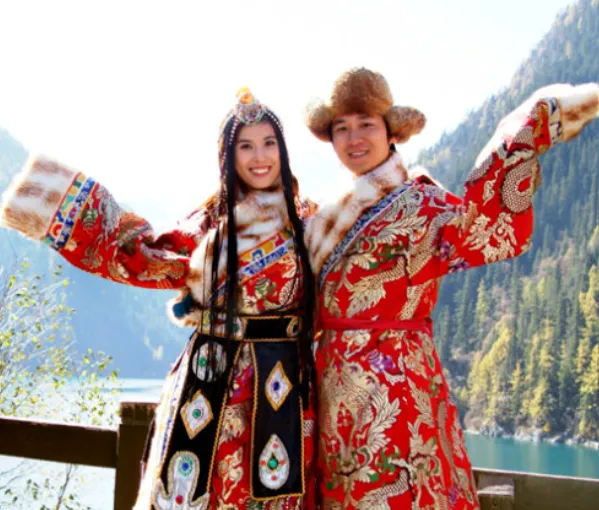
The choice of location for a Tibetan marriage ceremony is deeply significant, often involving sacred spaces such as monasteries or family homes imbued with ancestral blessings. These sites are believed to enhance the spiritual connection between the couple and their surroundings, fostering a sense of belonging within their community. Often, outdoor settings like mountains or rivers are chosen to reflect nature’s beauty—reminding everyone present of the intertwining relationship between love and spirituality in Tibetan culture.
Common Rituals and Their Meanings
During the ceremony, various rituals unfold, each steeped in meaning that reflects Tibetan beliefs about love and unity. For instance, one common practice involves tying a white scarf around the couple’s necks to symbolize purity and auspiciousness—a gesture that reinforces their commitment to one another. Another notable ritual includes lighting butter lamps, which signify enlightenment and dispelling darkness; this highlights how couples illuminate each other’s lives through their union.
Role of Monks and Spiritual Leaders
Monks play an essential role in Tibetan marriages, acting as spiritual guides who bless the union with sacred chants and prayers. Their involvement underscores why Buddhist marriage practices can seem unusual; they emphasize not just legal recognition but also spiritual sanctity in relationships. While many might wonder if Tibetans are monogamous given their unique customs—such as fraternal polyandry where brothers share a wife—their marriages still resonate with deep respect for fidelity within those frameworks.
Post-Wedding Traditions
Post-wedding traditions in Tibetan marriage are rich with symbolism and meaning, reflecting the deep-rooted cultural values of the Tibetan people. These customs serve to strengthen the bond between the newlyweds and their families while ensuring a harmonious integration into community life. Understanding these practices provides insight into how Tibetans get married and celebrate their union.
Welcoming the Bride into the Groom’s Home
The moment a bride enters her new home marks a significant transition in Tibetan marriage customs. Traditionally, she is greeted with warmth and affection, symbolizing her acceptance as a new family member. This welcoming ceremony often involves rituals that honor both families, emphasizing unity and shared responsibilities in the couple’s new life together.
In many cases, this custom also includes offerings made to deities or ancestors to seek blessings for prosperity and happiness. The bride may be presented with gifts from the groom’s family, reinforcing her position within her new household. Notably, this practice showcases an essential aspect of Tibetan marriage: familial bonds take precedence over individual desires.
Significance of the Wedding Feast
A wedding feast is not just a meal; it’s a grand celebration that embodies joy and community spirit following a Tibetan marriage ceremony. Feasting serves as an opportunity for families and friends to come together, share stories, laughter, and create lasting memories while honoring the couple’s new journey. Traditional dishes are prepared with care, showcasing local flavors that highlight regional variations across Tibet.
During this feast, guests often participate in various traditional games and activities that foster camaraderie among attendees. The joyous atmosphere symbolizes good fortune for the newlyweds as they embark on their marital adventure together—a key reason why food plays such an important role in Tibetan culture surrounding weddings. This communal experience reinforces social ties that are crucial in maintaining harmony within communities.
Rituals for Fertility and Prosperity
In Tibetan culture, post-wedding rituals extend beyond simply celebrating love; they encompass hopes for fertility and prosperity as well. These rituals often include offerings made at sacred sites or prayer ceremonies led by monks to invoke blessings upon the couple’s future family life. Such practices reflect deep-seated beliefs about spirituality intertwined with daily existence—an unusual aspect of Buddhist marriages compared to other cultures.
Additionally, it is not uncommon for couples to receive advice from elders regarding family planning based on astrology or other traditional beliefs prevalent within their community. These insights guide them through challenges they might face while trying to conceive or maintain harmony at home—a vital consideration given historical practices like polyandry where brothers might share one wife in certain regions of Tibet!
Ultimately, these rituals underscore how intertwined spirituality is with everyday life in Tibet—an essential element when discussing whether Tibetans are monogamous or engage in alternative marital structures.
The Influence of Modernity on Tibetan Marriage
In the rapidly changing landscape of modern Tibet, traditional customs surrounding Tibetan marriage are experiencing shifts that reflect broader societal changes. Younger generations are increasingly questioning long-standing practices, leading to a blend of old and new approaches to how do Tibetans get married? This evolution is not merely a rejection of tradition but rather an adaptation that seeks to harmonize cultural heritage with contemporary values.
Changing Attitudes Towards Traditional Customs
One noticeable trend in Tibetan marriage is the changing attitudes towards traditional customs, particularly regarding polygamy and familial roles. Historically, it was common for brothers to share a wife in Tibet, a practice rooted in agricultural efficiency and land preservation. Today, many young Tibetans are leaning towards monogamous relationships, reflecting global influences and shifting perspectives on partnership dynamics.
The question Are Tibetans monogamous? often arises in discussions about modern relationships. While some families still adhere to polyandry—where one woman may marry multiple brothers—many younger couples prefer monogamy as they seek emotional fulfillment alongside societal acceptance. This change signifies a broader cultural transformation where love and personal choice are gaining precedence over historical norms.
The Impact of Tourism on Wedding Practices
Tourism has also played a significant role in reshaping Tibetan marriage practices, introducing new ideas and expectations into traditional ceremonies. As visitors flock to witness the unique beauty of Tibetan culture, local communities often adapt their wedding rituals to cater to these external influences, creating an intriguing fusion of tradition and modernity. This has led some couples to incorporate elements that appeal more broadly or even include tourists directly in their celebrations.
Moreover, the influx of tourists raises questions about authenticity: what constitutes genuine Tibetan marriage? While some argue that this blending dilutes cultural significance, others see it as an opportunity for cultural exchange that enriches both locals and visitors alike. Ultimately, tourism can serve as both a catalyst for change and a means for preserving vital aspects of Tibetan heritage through heightened awareness.
Preservation of Authentic Tibetan Marriage Traditions
Despite the pressures from modernity and tourism, there remains a strong desire among many Tibetans to preserve authentic marriage traditions amidst evolving societal norms. Community leaders and elders play crucial roles in this preservation effort by organizing events that celebrate traditional rituals while educating younger generations about their significance within Tibetan culture.
Efforts are underway to document these rich customs through storytelling and media initiatives aimed at fostering pride in heritage among young people asking how do Tibetans get married? By engaging with both tradition and innovation thoughtfully, there is hope for maintaining the essence of Tibetan marriage while embracing necessary adaptations for contemporary life.
Ultimately, the challenge lies in balancing respect for age-old customs with openness toward new ideas—ensuring that future generations can appreciate the depth of their culture while navigating their own paths within it.
Conclusion
Tibetan marriage customs are a vibrant tapestry woven from centuries of tradition, spirituality, and community values. Embracing the beauty of these practices not only enriches our understanding of Tibetan culture but also highlights the profound connections between love, family, and belief systems. As we delve deeper into how Tibetans get married, we uncover a world where rituals and meanings intertwine to create unforgettable experiences.
Embracing the Beauty of Tibetan Wedding Customs
The essence of Tibetan marriage is steeped in rich symbolism and communal involvement. From selecting auspicious dates to the rituals performed during the ceremony, every step reflects a deep appreciation for cultural heritage. The question How do Tibetans get married? opens up a fascinating dialogue about unique customs like polyandry—where brothers share a wife—which may seem unusual yet serves practical purposes in their society.
The Importance of Cultural Preservation
In an age where modernity often overshadows tradition, preserving Tibetan marriage customs becomes crucial for maintaining cultural identity. Understanding why brothers share a wife in Tibet sheds light on social structures that promote cooperation and resource management among families. By valuing these traditions, we ensure that future generations appreciate what makes Tibetan marriage distinct while fostering respect for diverse lifestyles.
Exploring Tibet with GuideTibet
For those intrigued by the intricacies of Tibetan marriage, exploring this enchanting region with GuideTibet offers unparalleled insights into local customs and practices. Through guided tours, visitors can witness firsthand the vibrant ceremonies that define how Tibetans get married today while learning about their historical significance. With all its nuances—from unusual Buddhist marriage practices to questions about monogamy—Tibetan culture invites us to broaden our perspectives on love and partnership.