

Introduction
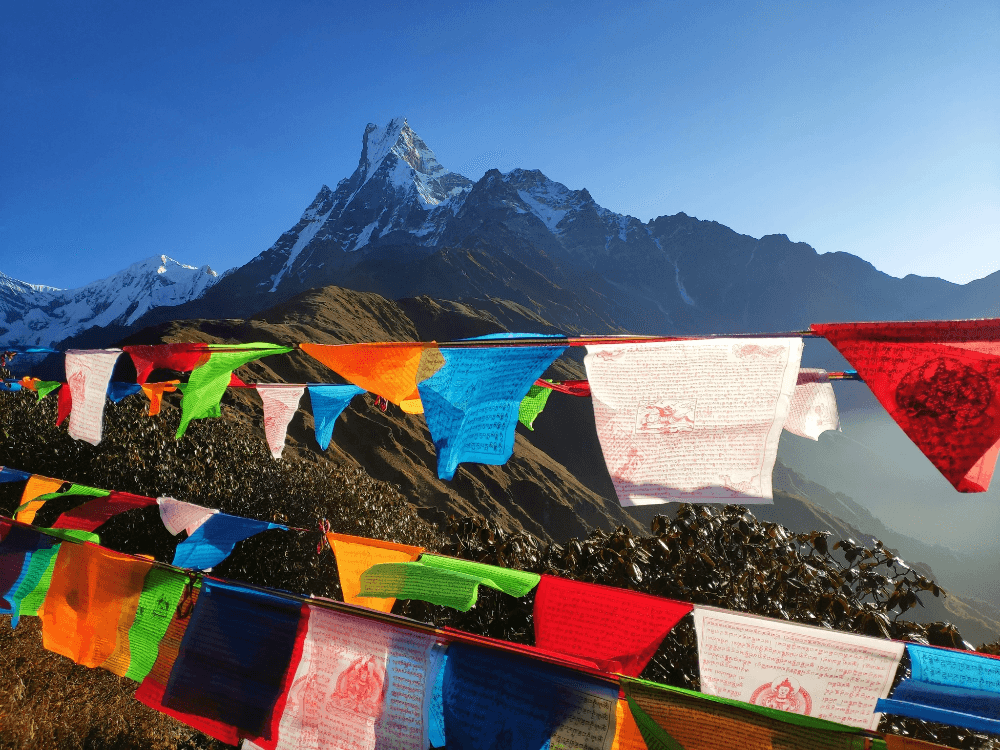
Tibetan stupas, often shrouded in mystique and reverence, stand as monumental testaments to the rich tapestry of Buddhism. These sacred structures, known locally as chortens, embody a profound cultural significance that intertwines spirituality with artistry. As we embark on a journey through time and spirituality, we will explore the essence of these iconic symbols of faith.
Unraveling the Mystique of Tibetan Stupas
The Tibetan stupa is not merely an architectural marvel; it is a spiritual compass guiding practitioners on their path to enlightenment. With origins deeply rooted in Buddhism, these stupas serve as physical manifestations of the teachings and philosophies that have shaped Tibetan culture for centuries. But what exactly distinguishes the Tibetan version of the Buddhist stupa from its counterparts found in other regions?
The Cultural Significance of Chortens
Chortens hold a unique place in Tibetan society, acting as focal points for community gatherings and spiritual practices alike. They are often adorned with intricate carvings and colorful prayer flags, symbolizing blessings and protection for those who encounter them. Understanding how stupas relate to Buddhism reveals not only their religious importance but also their role in preserving cultural heritage.
A Journey Through Time and Spirituality
As we navigate through this exploration, we will delve into questions such as: How is the stupa related to Buddhism? Why do Buddhists walk around the stupa? And what does the stupa symbolize within this ancient tradition? Each inquiry will uncover layers of meaning behind these sacred structures while inviting us to appreciate their enduring legacy within Tibetan Buddhism.
What is a Tibetan Stupa?
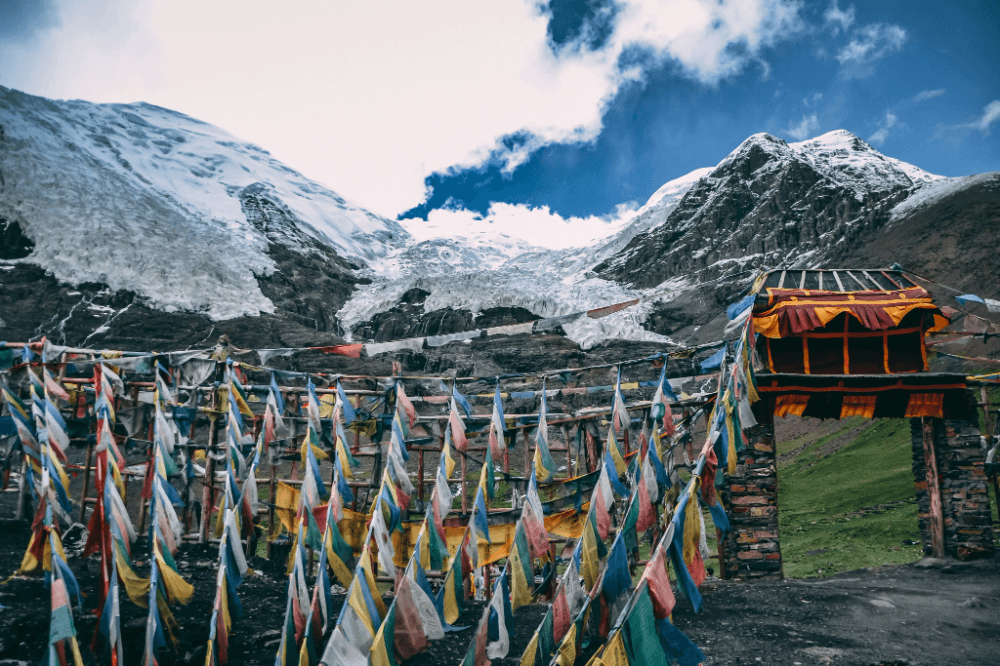
Tibetan stupas are not just architectural marvels; they are profound embodiments of Buddhist philosophy and spirituality. Often referred to as chortens in Tibetan culture, these structures serve as sacred monuments that encapsulate the essence of Tibetan Buddhism. Their significance extends beyond mere construction, representing a physical manifestation of the teachings and ideals central to Buddhism.
Definition and History
A Tibetan stupa is essentially a dome-shaped structure that serves various religious purposes, including housing relics and commemorating significant events in Buddhism. Historically, stupas originated from ancient burial mounds but evolved into spiritual symbols filled with layers of meaning over centuries. The Tibetan version of the Buddhist stupa has its own unique characteristics, influenced by local customs and beliefs while still adhering to fundamental Buddhist principles.
Architectural Features
The architectural features of a Tibetan stupa are both intricate and symbolic, reflecting deep-rooted beliefs in Buddhism. Typically, these stupas consist of several components: the base (or harmika), the dome (anda), and an umbrella-like structure (chhatra) at the top representing enlightenment. Each element embodies aspects of Buddhist cosmology; for instance, the circular shape symbolizes the cycle of life and rebirth—a key concept in understanding how is the stupa related to Buddhism.
Connection to Buddhism
The connection between Tibetan stupas and Buddhism runs deep, serving as focal points for meditation and community gatherings alike. These structures are often adorned with intricate carvings that tell stories from Buddhist texts or depict various deities important in Tibetan culture. Furthermore, they symbolize not only physical spaces for worship but also embody spiritual paths—what does a stupa symbolize? It represents both an invitation to enlightenment and a reminder of life’s transient nature.
Is the Tibetan Version of the Buddhist Stupa?
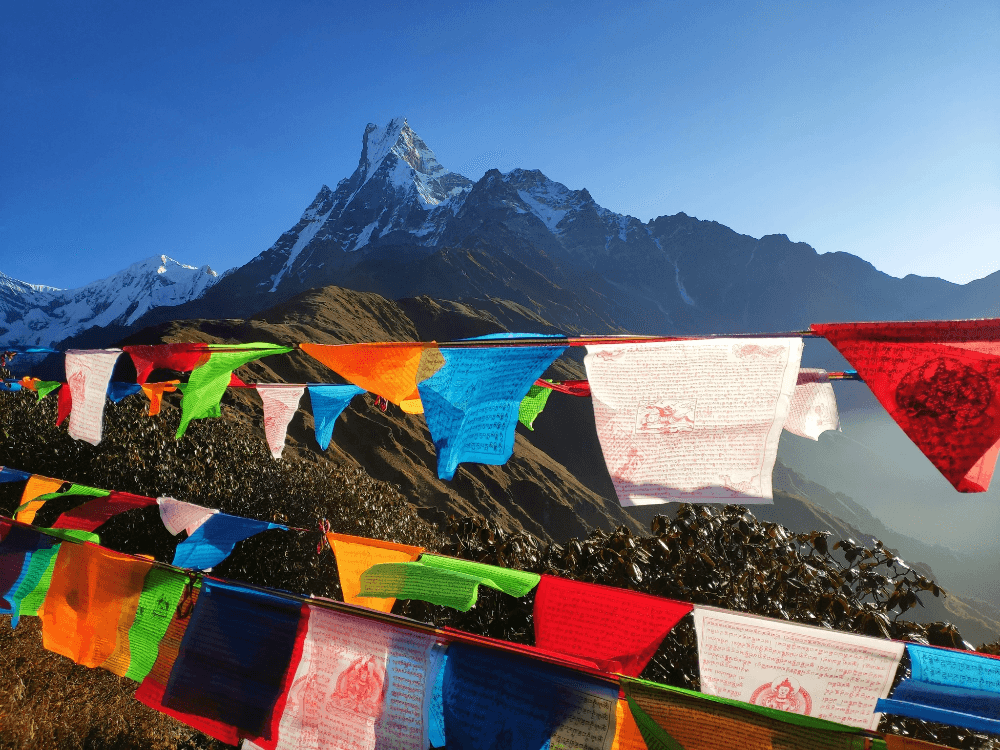
When diving into the world of Tibetan stupas, one may wonder: is the Tibetan version of the Buddhist stupa truly distinct? While all stupas share a common purpose in Buddhism—serving as sacred monuments that embody spiritual teachings—Tibetan stupas, or chortens, exhibit unique characteristics that set them apart. Their evolution reflects a rich tapestry woven from various cultural influences and historical contexts, making them a fascinating subject for anyone intrigued by Tibetan Buddhism.
Differences from Other Forms
Tibetan stupas differ significantly from their counterparts found in other regions of Asia, such as those in India or Nepal. The most notable difference lies in their structure; while traditional stupas often feature a dome-like shape, Tibetan chortens can include multiple tiers and intricate designs that resemble miniature temples. This architectural diversity showcases how the Tibetan stupa embodies specific local beliefs and practices within Buddhism.
Another key difference is found in their purpose and function within communities. In many cases, Tibetan stupas are not only places for meditation but also serve as repositories for sacred relics and scriptures. This dual role enriches the spiritual experience associated with these structures, inviting devotees to engage more deeply with their faith.
Unique Design Elements
The design elements of Tibetan stupas are infused with symbolism that resonates deeply within Buddhism. For instance, many chortens feature a square base representing earth, while the dome symbolizes water—a reflection of the interconnectedness of all elements in Buddhist philosophy. The spire on top represents fire and air, culminating in a design that encapsulates both physical and metaphysical realms.
Additionally, decorative motifs such as prayer flags or intricate carvings often adorn these structures. These embellishments not only enhance aesthetic appeal but also serve to convey important teachings about compassion and enlightenment central to Tibetan Buddhism. Each element contributes to an overall narrative that invites contemplation on one’s spiritual journey.
Cultural Influences
The cultural influences shaping Tibetan stupas are as diverse as Tibet’s history itself. Over centuries, interactions with neighboring cultures—such as Indian and Chinese—have left indelible marks on stupa architecture and symbolism within Tibet’s Buddhist practice. As a result, one can observe an intriguing blend of artistic styles and religious iconography that reflects this rich cultural exchange.
Moreover, local traditions have further enriched the significance of these structures within communities throughout Tibet. Festivals celebrating chortens often incorporate rituals tied to agriculture or seasonal changes, demonstrating how deeply intertwined spirituality is with everyday life for many Tibetans. Such practices reinforce the notion that understanding how is the stupa related to Buddhism requires acknowledging its broader cultural context.
In conclusion, exploring whether the Tibetan version of the Buddhist stupa stands apart reveals layers upon layers of meaning rooted in both history and spirituality. The differences from other forms highlight its unique architectural features while cultural influences add depth to its significance within Buddhism today.
How is the Stupa Related to Buddhism?

The Tibetan stupa, a vital element in Tibetan Buddhism, embodies profound spiritual significance and rich symbolism. Each stupa serves as a physical manifestation of Buddhist teachings, representing the path to enlightenment and the essence of Buddha’s wisdom. Understanding how the stupa relates to Buddhism deepens our appreciation for its role in spiritual practices and community life.
Symbolism in Buddhist Philosophy
In Buddhist philosophy, stupas symbolize the journey toward enlightenment, encapsulating key teachings about impermanence and the nature of existence. The structure itself represents the mind of Buddha, with various elements symbolizing stages on the path to spiritual awakening. This connection raises an intriguing question: Is the Tibetan version of the Buddhist stupa merely a regional adaptation or a unique expression of these timeless concepts?
Rituals and Practices
Rituals surrounding stupas are integral to Tibetan Buddhism, with many practitioners engaging in acts that honor these sacred structures. Walking around a stupa—known as kora—serves not only as a physical activity but also as an opportunity for meditation and reflection on one’s spiritual journey. Why do Buddhists walk around the stupa? This practice fosters mindfulness and devotion while reinforcing community bonds among practitioners.
Role in Monastic Life
Within monastic life, stupas hold immense importance as sites for teaching and contemplation. Monks often gather around stupas for rituals, prayers, and communal activities that strengthen their commitment to Buddhist principles. The presence of a Tibetan stupa within a monastery creates an environment conducive to deepening one’s understanding of what does stupa symbolize; it becomes both a focal point for worship and a reminder of the ultimate goal: achieving enlightenment.
Why Do Buddhists Walk Around the Stupa?
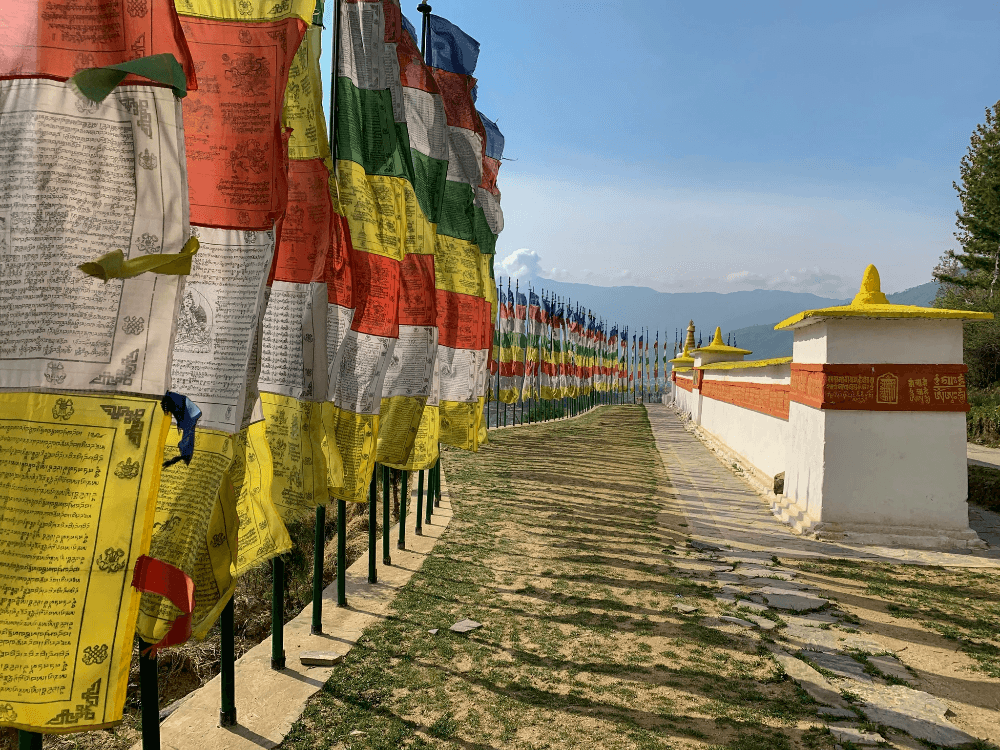
Walking around a Tibetan stupa is more than just a leisurely stroll; it’s a deeply ingrained spiritual practice known as Kora. This ritual involves circumambulating the stupa in a clockwise direction, which holds profound significance in Tibetan Buddhism. The act of walking around the stupa symbolizes devotion and respect, creating a sacred connection between the practitioner and the structure that embodies enlightenment.
The Practice of Kora
Kora is not merely a physical activity but also a meditative practice for many Buddhists. As practitioners walk around the Tibetan stupa, they often recite mantras or reflect on their intentions, enhancing their spiritual experience. This practice reinforces the concept that every step taken in reverence brings them closer to understanding Buddhist teachings and principles.
Significance of Circumambulation
Circumambulation serves as an expression of faith, allowing practitioners to engage with the essence of Buddhism while honoring the teachings represented by the stupa itself. Each round completed is believed to purify negative karma and accumulate merit, which is essential for achieving future happiness and enlightenment. In this way, walking around the stupa becomes both an individual journey and part of a collective spiritual tradition within Tibetan Buddhism.
Spiritual Benefits
The benefits of this practice extend beyond mere physical exertion; it fosters mindfulness and presence in each moment spent walking around the Tibetan stupa. As practitioners focus on their breathing and intentions during Kora, they cultivate inner peace and clarity amidst life’s chaos. Ultimately, this ritual not only strengthens their connection to Buddhism but also deepens their understanding of what stupas symbolize—an ever-present reminder of life’s impermanence and the path toward enlightenment.
What Does the Stupa Symbolize?

Tibetan stupas hold profound significance within Buddhism, serving as powerful symbols of the path to enlightenment. These structures are not merely architectural wonders; they encapsulate the essence of Buddhist philosophy and practice. By exploring what stupas symbolize, one can gain a deeper appreciation for their role in Tibetan culture and spirituality.
The Path to Enlightenment
At its core, the Tibetan stupa represents the journey toward enlightenment, reflecting the ultimate goal of Buddhism: achieving Nirvana. This sacred structure embodies key teachings of Siddhartha Gautama, illustrating how one can transcend suffering through wisdom and compassion. As practitioners engage with these stupas—whether through meditation or ritual—they are reminded of their own spiritual aspirations and the transformative power of Buddhist teachings.
Elements Represented in Design
The design of a Tibetan stupa is rich with symbolism that conveys various aspects of Buddhist doctrine. Each architectural element—from the base to the pinnacle—represents different stages on the path to enlightenment, encouraging mindfulness and introspection among devotees. For instance, the circular shape signifies unity and wholeness, while specific motifs may depict elements like fire or water that resonate with purification and transformation.
Stupas as Sacred Spaces
Beyond their structural beauty, Tibetan stupas serve as sacred spaces where individuals can connect with their spirituality and community. These sites often become focal points for rituals and gatherings that reinforce communal bonds among practitioners. Furthermore, they offer a serene environment for contemplation, making them integral to understanding how is the stupa related to Buddhism? The act of circumambulation around these sacred sites allows Buddhists to engage physically with their beliefs while deepening their connection to both tradition and personal practice.
Conclusion
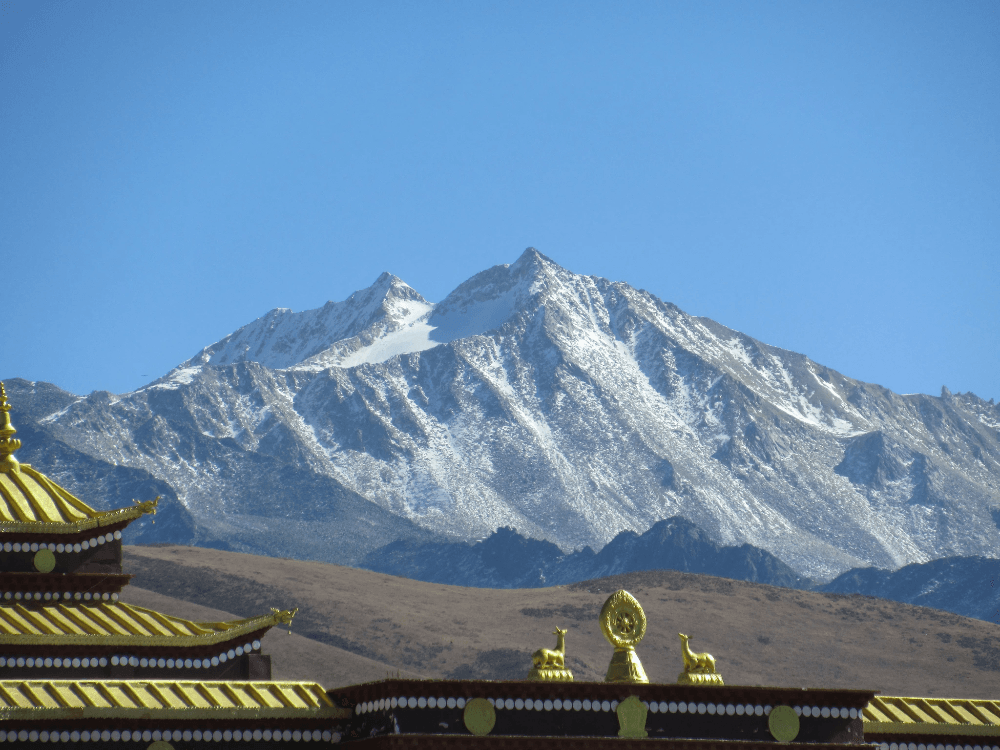
As we conclude our exploration of Tibetan stupas and their profound connection to Buddhism, it’s clear that these architectural marvels are much more than mere structures; they are vibrant symbols of faith, culture, and history. Each Tibetan stupa embodies a journey through spirituality, inviting us to embrace the teachings of Buddhism in a tangible form. By understanding what stupas symbolize and how they relate to Buddhist practices, we can appreciate their role as sacred spaces that inspire contemplation and devotion.
Embrace the Spirit of Tibetan Stupas
Embracing the spirit of Tibetan stupas means recognizing their significance as beacons of enlightenment within the Buddhist tradition. These stupas serve not only as places for meditation but also as reminders of the path to spiritual awakening. Their intricate designs and unique features prompt us to reflect on our own journeys in Buddhism—making each visit a personal pilgrimage toward understanding.
Engage with Local Culture through GuideTibet
To truly immerse oneself in the essence of Tibetan stupas and their cultural backdrop, engaging with local guides through platforms like GuideTibet can be invaluable. These knowledgeable guides provide insights into why Buddhists walk around the stupa and how this practice enriches community life. By participating in these experiences, you’ll discover firsthand what makes the Tibetan version of the Buddhist stupa such a vital part of local customs and spirituality.
Explore the Richness of Tibetan Buddhism
Exploring Tibetan Buddhism invites you into a world rich with symbolism, rituals, and philosophical depth that extend far beyond just observing a stupa’s structure. Understanding how is the stupa related to Buddhism enhances our appreciation for its role in monastic life and daily practices among followers. As you delve deeper into what stupas symbolize—representing not just physical structures but also profound spiritual concepts—you’ll find that each visit is an opportunity for personal growth within this vibrant tradition.

