Introduction

Tibetan culture is a rich tapestry woven from centuries of history, spirituality, and unique traditions. When exploring this captivating region, one cannot help but ponder the intriguing question: Are Tibetans Chinese or Indian? This inquiry leads to deeper discussions about what nationality are Tibetans, their identity, and the essence of their community.
Discovering Tibetan Culture
The allure of Tibetan culture lies in its vibrant customs and practices that have evolved over millennia. From colorful festivals to mesmerizing rituals, the Tibetan people embody a lifestyle that is both ancient and contemporary. As you embark on your Tibet travel adventure, you’ll find that understanding these cultural nuances will enhance your experience immensely.
The Heart of the Tibetan Community
At the core of Tibetan society is a strong sense of community and belonging among its people. The facial features of Tibetan people often reflect their rich heritage—high cheekbones, almond-shaped eyes, and warm smiles tell stories of resilience and unity. Engaging with local communities during your Tibet tour will reveal how these connections shape their identity amidst ongoing discussions about autonomy and nationality.
A Journey Through Tibetan Traditions
A journey through Tibetan traditions unveils a world steeped in spirituality and artistry that captivates both heart and mind. From traditional music to intricate thangka paintings, each aspect offers a glimpse into the lives of the Tibetan people. As you savor authentic dishes during your Tibet trip or participate in age-old ceremonies, you’ll discover why this culture continues to inspire travelers from around the globe.
Understanding Tibetan Identity

Tibetan identity is a complex tapestry woven from history, culture, and the struggles of the Tibetan people. The question of whether Tibetans are Chinese or Indian often arises, reflecting broader geopolitical tensions and cultural misunderstandings. This section aims to unpack these questions and shed light on what it truly means to be Tibetan.
Are Tibetans Chinese or Indian?
The question Are Tibetans Chinese or Indian? is not just a matter of geography; it delves into the essence of Tibetan identity. Officially, Tibet is an autonomous region within China, leading many to classify Tibetan people as Chinese. However, this classification overlooks the rich cultural heritage and distinct language that set Tibetans apart from mainstream Chinese society, making them unique in their own right.
In contrast, some argue that certain regions of Tibet share historical ties with India due to Buddhist influences and shared spiritual practices. This adds another layer to the debate about Tibetan identity as both a cultural and political entity within Asia’s diverse landscape. Ultimately, the answer may lie in recognizing that Tibetan people embody a unique blend of influences while firmly holding onto their distinct cultural roots.
What nationality are Tibetans?
When considering What nationality are Tibetans?, one must navigate through layers of history and politics that have shaped modern identities. While many identify as Chinese citizens due to political circumstances, there remains a strong sentiment among the Tibetan people for their national identity rooted in their ancient culture and traditions. This duality often leads to questions about citizenship rights and cultural preservation.
Furthermore, during your Tibet travel experience or any Tibet tour, you will notice how this sense of nationality manifests in daily life through language, customs, and even art forms unique to Tibetan culture. Many who embark on a Tibet trip find themselves drawn into discussions about national identity with local residents who proudly share their heritage despite external pressures. Thus, understanding what nationality means for the Tibetan people requires acknowledging both their legal status and deep-seated cultural pride.
The significance of Tibetan autonomy
The significance of Tibetan autonomy cannot be overstated when discussing the identity of the Tibetan people. Autonomy represents not just self-governance but also an essential aspect of preserving language, religion, traditions, and overall way of life amid external influences that threaten these elements. For many Tibetans, autonomy is synonymous with dignity—a chance to uphold their rich culture without outside interference.
In recent years, this desire for autonomy has gained international attention as more individuals advocate for human rights regarding the treatment of Tibetan people under foreign governance structures. Many travelers engaging with local communities during their journeys come away with a deeper appreciation for these issues—often finding themselves inspired by stories highlighting resilience against adversity while maintaining strong ties to their heritage during tours in this breathtaking region.
Tibetan Language and Literature

Tibetan language and literature are vital components of Tibetan culture, reflecting the unique identity of the Tibetan people. The rich tapestry woven through their language not only preserves history but also conveys deep spiritual insights rooted in Buddhism. Understanding this linguistic heritage is essential for anyone embarking on a Tibet trip or exploring Tibetan culture.
The beauty of the Tibetan script
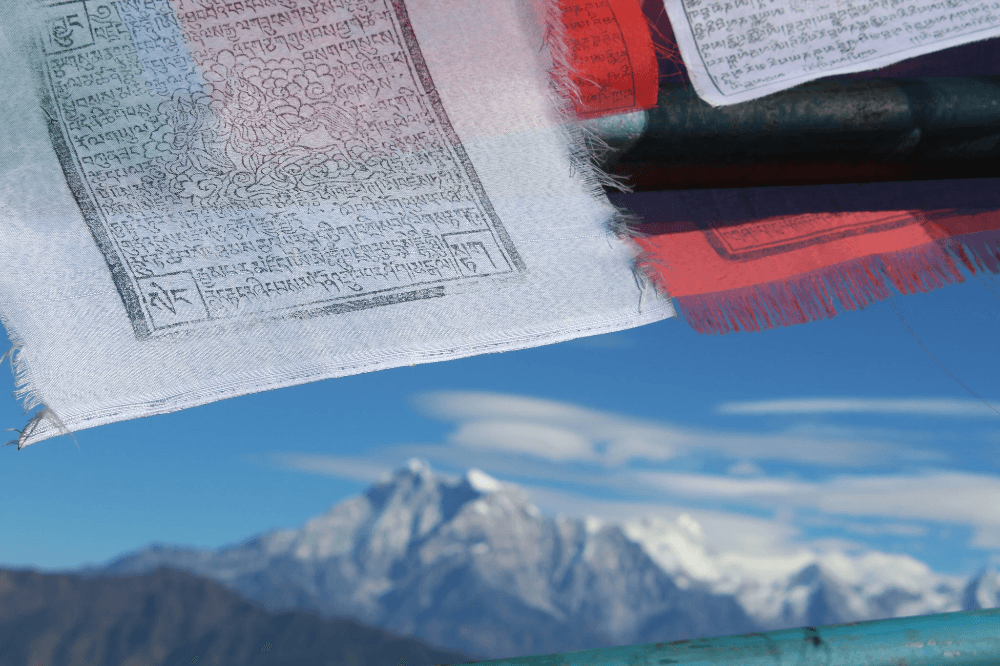
The Tibetan script is an exquisite visual representation of the language, characterized by its flowing curves and intricate characters. This beautiful script is not just functional; it embodies the artistic spirit of the Tibetan people, with calligraphy often regarded as a form of meditation. When you see these elegant letters dancing across ancient texts or modern signage during your Tibet travel, you can’t help but appreciate their aesthetic appeal.
Influence of Buddhism on Tibetan literature
Buddhism has profoundly shaped Tibetan literature, infusing it with spiritual depth and philosophical inquiry that resonates with both locals and visitors alike. Many classic works emerge from Buddhist teachings, showcasing how religious principles intertwine with everyday life among the Tibetan people. If you’re pondering questions like Are Tibetans Chinese or Indian? or What nationality are Tibetans?, exploring their literature can offer enlightening perspectives on identity and faith.
Key Tibetan literary figures
Throughout history, several key figures have emerged in Tibetan literature, each contributing to its richness and diversity. Figures like Tsangyang Gyatso, known for his poignant poetry that often reflects love and longing, have left an indelible mark on the hearts of many Tibetans today. Engaging with these literary giants during your Tibet tour can deepen your appreciation for how these voices continue to shape the cultural landscape of the region.
Exploring Tibetan Religion
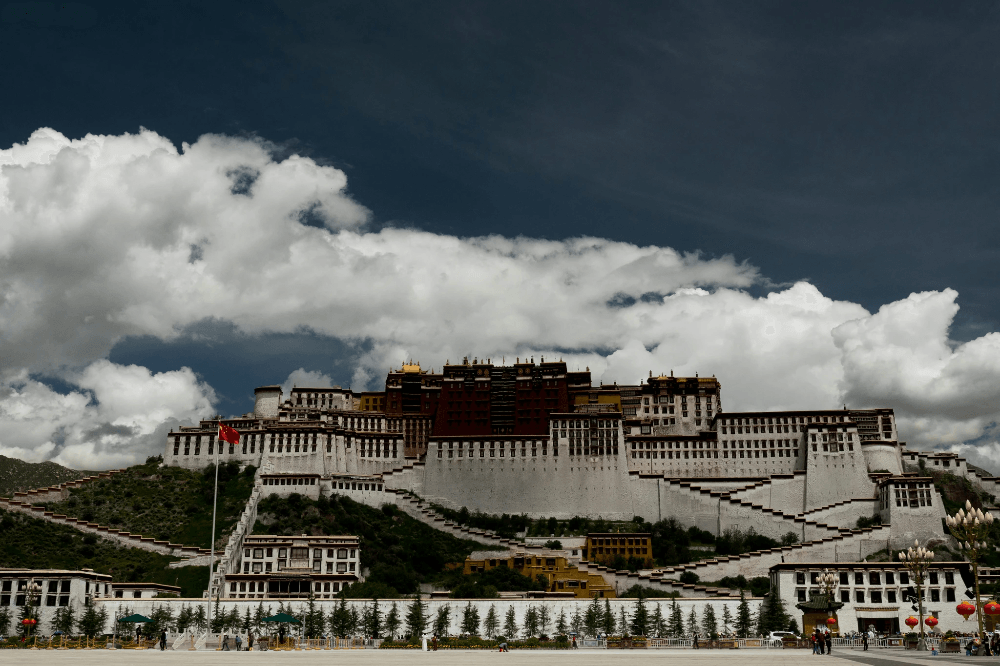
Tibetan religion is a vibrant tapestry woven from the threads of spirituality, culture, and daily life. For Tibetan people, Buddhism is not just a religion; it’s a way of living that permeates every aspect of their existence. From the colorful prayer flags fluttering in the wind to the serene chants echoing in monasteries, the influence of Buddhism is unmistakable in Tibetan culture.
The role of Buddhism in daily life
For many Tibetan people, Buddhism shapes their worldview and daily routines. Morning rituals often begin with prayers and offerings at home shrines or local temples, reflecting their deep reverence for spiritual practices. This commitment to faith influences everything from community gatherings to personal interactions, fostering a sense of unity and shared purpose among Tibetans.
The teachings of Buddhism encourage compassion and mindfulness, which resonate deeply within Tibetan communities. As you embark on your Tibet trip or Tibet tour, you’ll notice how these values manifest in everyday interactions—whether it’s a warm smile from a stranger or an act of kindness between neighbors. In essence, understanding the role of Buddhism provides crucial insight into what it means to be part of Tibetan culture.
Major Tibetan religious festivals
Tibetan religious festivals are vibrant celebrations that showcase the rich spiritual heritage and communal spirit among Tibetan people. One such festival is Losar, the Tibetan New Year, which marks the beginning of spring and involves elaborate rituals filled with music, dance, and feasting. During this time, families come together to honor their ancestors while welcoming new beginnings with open hearts.
Another significant celebration is Saga Dawa, which commemorates Buddha’s birth, enlightenment, and death—an event that brings communities together for prayer and reflection. Pilgrimages to sacred sites are common during this festival as Tibetans express gratitude for their spiritual journey. These festivals not only strengthen communal bonds but also serve as an opportunity for visitors on a Tibet travel adventure to immerse themselves in authentic Tibetan culture.
Monastic life in Tibet
Monastic life holds great significance within Tibetan society as it represents dedication to spiritual practice and community service among Tibetan people. Monasteries are not merely places for worship; they are centers for learning where monks study philosophy, meditation techniques, and traditional arts like thangka painting—a beautiful reflection of their rich cultural identity. Visitors can witness this unique lifestyle firsthand during their Tibet trip by exploring various monasteries scattered across breathtaking landscapes.
Life in these monasteries follows strict routines filled with ceremonies and teachings that reinforce Buddhist values among monks while offering them opportunities for inner growth. The facial features of Tibetan people often reflect serenity shaped by years spent meditating amidst tranquil surroundings—a testament to how deeply spirituality intertwines with daily existence here. For those interested in understanding what nationality are Tibetans beyond geographical labels like “Chinese” or “Indian,” delving into monastic life reveals profound insights into their identity rooted firmly in faith.
Tibetan Art and Craftsmanship
Tibetan art and craftsmanship are not just expressions of creativity; they embody the rich cultural heritage of the Tibetan people. These artistic endeavors reflect their unique identity, a blend of influences that raises questions like Are Tibetans Chinese or Indian? The intricate designs and vivid colors found in Tibetan art serve as a visual narrative of their history, beliefs, and way of life.
What are the facial features of Tibetan people?
The facial features of Tibetan people are often characterized by high cheekbones, wide-set eyes, and a strong jawline. Their unique appearance is influenced by the harsh mountainous environment in which they live, which has shaped both their physical traits and resilience. When you embark on a Tibet trip, you’ll notice how these distinct features contribute to the vibrant tapestry of Tibetan culture.
Moreover, these characteristics can vary across different regions within Tibet, showcasing the diversity among Tibetan people. This diversity also leads to interesting discussions about their nationality—what nationality are Tibetans? The answer often intertwines with their cultural identity and how they perceive themselves amidst geopolitical complexities.
The tradition of thangka painting
Thangka painting is a revered form of art in Tibetan culture that serves both aesthetic and spiritual purposes. These intricate scroll paintings often depict Buddhist deities, mandalas, or scenes from mythology, making them essential for meditation practices among practitioners. With roots deeply embedded in Buddhism’s influence on Tibetan literature and customs, thangkas offer insight into the spiritual life of the Tibetan people.
Creating a thangka is no small feat; it requires years of training to master this delicate craft. Artists use natural pigments made from minerals and plants to ensure that each piece remains vibrant for generations to come. As you explore this captivating aspect during your Tibet tour, you’ll gain an appreciation for how these paintings encapsulate centuries-old traditions while narrating stories central to Tibetan identity.
Tibetan handicrafts and their cultural significance
Tibetan handicrafts encompass a wide range of items including textiles, jewelry, pottery, and wood carvings that reflect both practicality and artistry. Each piece tells its own story while embodying traditional techniques passed down through generations among the Tibetan people. The significance goes beyond mere aesthetics; these crafts play an essential role in preserving cultural heritage amidst modern challenges.
Shopping for handicrafts during your Tibet travel experience offers more than just souvenirs; it’s an opportunity to support local artisans who keep these traditions alive despite external pressures questioning Are Tibetans Chinese or Indian? By purchasing authentic items directly from artisans instead of mass-produced goods elsewhere, you contribute to sustaining their livelihoods while deepening your understanding of what nationality are Tibetans.
In conclusion, exploring Tibetan art forms such as thangka painting alongside various handicrafts enriches your appreciation for this unique culture as well as its enduring spirit amid changing times.
Tibetan Cuisine: A Culinary Journey

Tibetan cuisine is a delightful exploration of flavors and traditions, deeply rooted in the culture of the Tibetan people. The harsh climate and mountainous terrain have shaped their culinary practices, leading to a diet rich in hearty ingredients that provide sustenance and warmth. Understanding the essential components of Tibetan cooking is like uncovering a delicious layer of their identity.
Essential ingredients in Tibetan cooking
When it comes to the essential ingredients in Tibetan cooking, barley takes center stage. Known as tsampa, this roasted flour is often mixed with tea or water to create a nutritious staple for Tibetan people. Other key ingredients include potatoes, meat (usually yak or sheep), dairy products like butter and cheese, and an array of vegetables that flourish in high altitudes.
The use of spices is minimal compared to other Asian cuisines; however, salt plays a crucial role in enhancing flavors. This simplicity reflects the lifestyle of the Tibetan people who prioritize nutrition over extravagance. During your Tibet travel experience, you’ll find that these basic yet wholesome ingredients form the backbone of many traditional dishes.
Famous Tibetan dishes to try
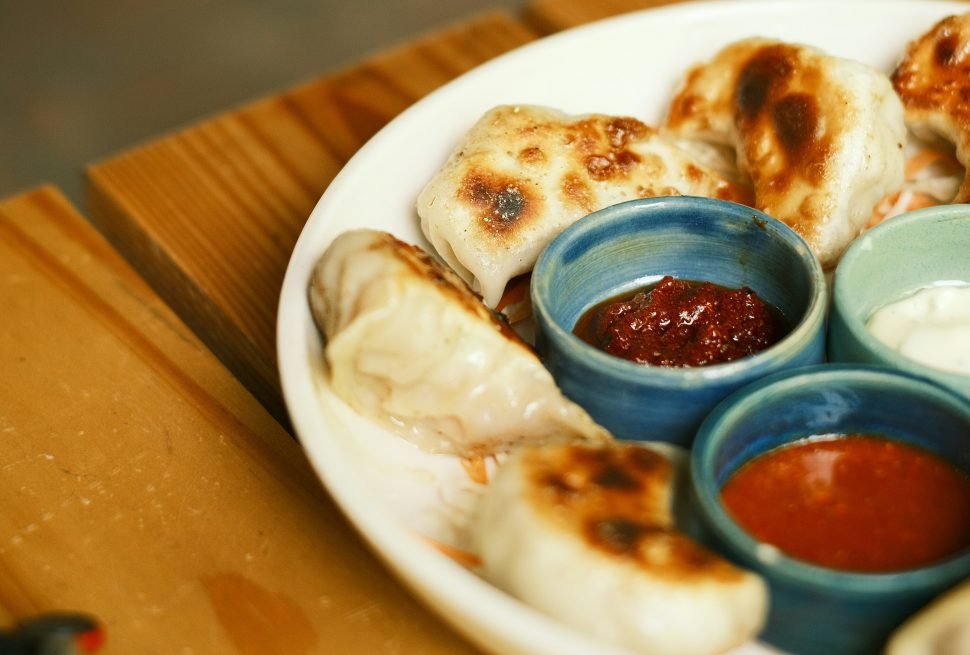
No visit to Tibet would be complete without sampling some famous dishes that showcase the essence of Tibetan culture. One must-try dish is momos, which are delicious dumplings filled with meat or vegetables—perfect for warming up after a day exploring breathtaking landscapes on your Tibet trip. Another classic dish is thukpa, a noodle soup brimming with flavor and often enjoyed by locals during chilly evenings.
For those with a sweet tooth, chang (a traditional barley beer) offers an authentic taste experience while mingling with friendly locals during your Tibet tour. Don’t forget about yak butter tea, which may sound unusual but provides an energizing boost for those trekking through rugged terrain! Each dish tells a story about the resilience and creativity of the Tibetan people.
The importance of food in Tibetan culture
Food holds significant cultural importance among Tibetans; it’s not just about sustenance but also about community and tradition. Meals are often shared among family and friends, highlighting social bonds within communities where hospitality reigns supreme—especially when discussing whether Are Tibetans Chinese or Indian? This cultural exchange enriches understanding among various nationalities living alongside one another.
Festivals also play a vital role in celebrating food; special dishes are prepared during significant occasions, showcasing culinary skills passed down through generations—a testament to what nationality are Tibetans? Engaging with local cuisine during your travels allows you to connect deeply with their rich heritage while appreciating what makes these traditions so unique.
Conclusion

Tibetan culture is a tapestry woven with rich traditions, vibrant customs, and profound spirituality. Embracing the richness of Tibetan culture not only enhances our understanding of the Tibetan people but also fosters respect for their unique identity and heritage. As we reflect on our journey through Tibet, it’s clear that exploring this remarkable region offers insights that go beyond mere travel; it’s an invitation to engage with a way of life that cherishes community, spirituality, and artistic expression.
Embracing the Richness of Tibetan Culture
The diversity within Tibetan culture is reflected in its art, language, and religious practices. Understanding whether Tibetans are Chinese or Indian or what nationality are Tibetans helps us appreciate their distinct identity shaped by centuries of history. The facial features of Tibetan people often tell stories of resilience and adaptation—high cheekbones, almond-shaped eyes, and warm smiles embodying a spirit that thrives amidst challenges.
Tips for Your Tibet Travel Experience
When planning your Tibet travel adventure, consider visiting during one of the major religious festivals to experience the vibrant celebrations firsthand. Engaging with local communities will provide deeper insights into what it means to be part of the Tibetan culture today. Don’t forget to sample authentic dishes during your Tibet trip; food plays an essential role in social gatherings and cultural expressions among the Tibetan people.
Why Choose GuideTibet for Your Tibet Tour
Choosing GuideTibet for your Tibet tour ensures you receive expert guidance while exploring this captivating region’s mysteries. With knowledgeable guides who understand both the nuances of Tibetan culture and its historical context, you’re guaranteed an enriching experience that honors local traditions while ensuring your comfort. Whether you’re curious about whether Tibetans are Chinese or Indian or want to know more about traditional handicrafts made by Tibetan people, GuideTibet is committed to making your journey unforgettable.