
Introduction
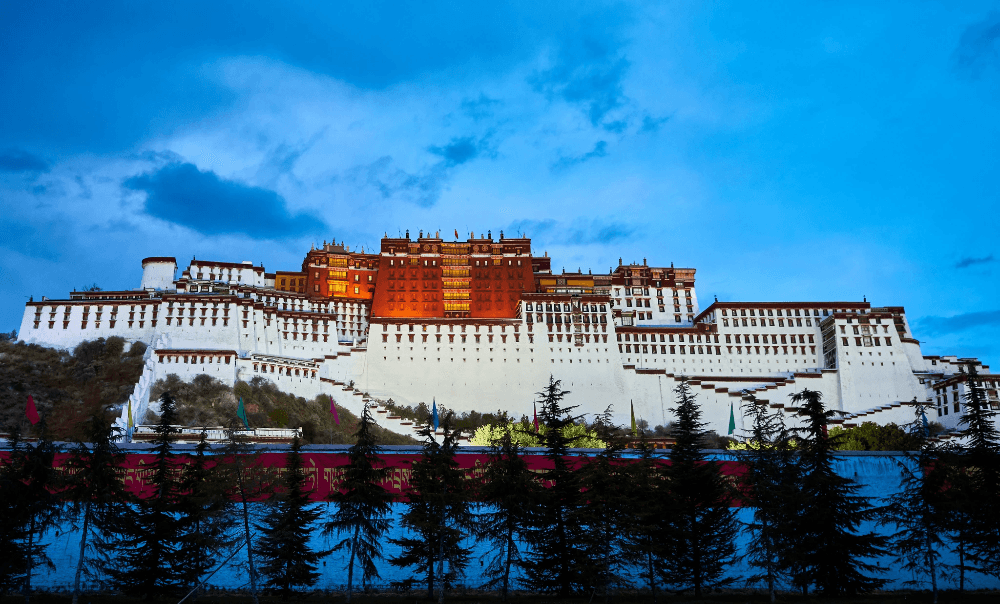
Nestled high in the Tibetan plateau, the Potala Palace stands as a monumental testament to the rich tapestry of Tibetan culture and spirituality. This architectural marvel, often referred to simply as the Potala Palace, has captivated travelers and pilgrims alike for centuries. But what makes this palace in Tibet so significant?
Discovering the Potala Palace
The Potala Palace is not just a building; it is an emblem of Tibetan history and religion, rising majestically against a backdrop of azure skies and rugged mountains. As you approach this iconic structure, you can’t help but wonder: where is Potala Palace located? Perched at an altitude of over 3,700 meters in Lhasa, it dominates the skyline and invites exploration into its storied halls.
The Significance of Tibetan Architecture
Tibetan architecture is a unique blend of practicality and spirituality, with structures designed to withstand harsh climates while also serving as sacred spaces for worship. The Potala Palace exemplifies this harmony through its intricate designs and symbolic elements that reflect Buddhist beliefs. Understanding why the Potala Palace is important requires delving into its architectural features that resonate deeply with both locals and visitors.
A Traveler’s Dream Destination
For those with wanderlust in their hearts, the Potala Palace in Tibet represents a dream destination that combines breathtaking beauty with profound cultural significance. Whether you’re an avid photographer seeking stunning vistas or a history buff eager to uncover potala palace facts, this site offers endless opportunities for discovery. Visiting this palace isn’t just about seeing; it’s about experiencing the essence of Tibetan heritage firsthand.
The History of Potala Palace
The Potala Palace, an architectural marvel perched high in the mountains of Tibet, has a rich history that dates back to the 7th century. Originally built as a fortress by King Songtsen Gampo, it served as a symbol of power and spirituality. Over the centuries, the palace evolved into a magnificent residence for Dalai Lamas and a center for Tibetan Buddhism.
Origins and Construction
The origins of the Potala Palace in Tibet can be traced to its initial construction under King Songtsen Gampo in 637 AD. This ancient structure was built to house sacred relics and unite two powerful kingdoms through marriage with Princess Wencheng of China. The palace underwent extensive renovations and expansions during the reign of the fifth Dalai Lama in the 17th century, transforming it into the grand edifice we see today.
Historical Importance in Tibetan Buddhism
The historical importance of the Potala Palace extends far beyond its impressive architecture; it is deeply intertwined with Tibetan Buddhism’s spiritual fabric. Serving as both a residence and administrative center for successive Dalai Lamas, this palace in Tibet became a focal point for religious teachings and governance. Pilgrims flock to this sacred site not just to admire its beauty but to connect with their spiritual heritage—truly illustrating why is the Potala Palace important.
Key Figures Associated with the Palace
Several key figures have left their mark on the history of Potala Palace Tibet, shaping its significance through their contributions. The most notable is undoubtedly the fifth Dalai Lama, who oversaw its major renovations and established it as an important political hub in addition to being a spiritual center. Other influential figures include King Songtsen Gampo, whose vision initiated its creation, and various artisans whose craftsmanship brought life to its intricate designs—each playing vital roles that contribute to what we now recognize as one of Tibet’s most iconic landmarks.
Why is the Potala Palace Important
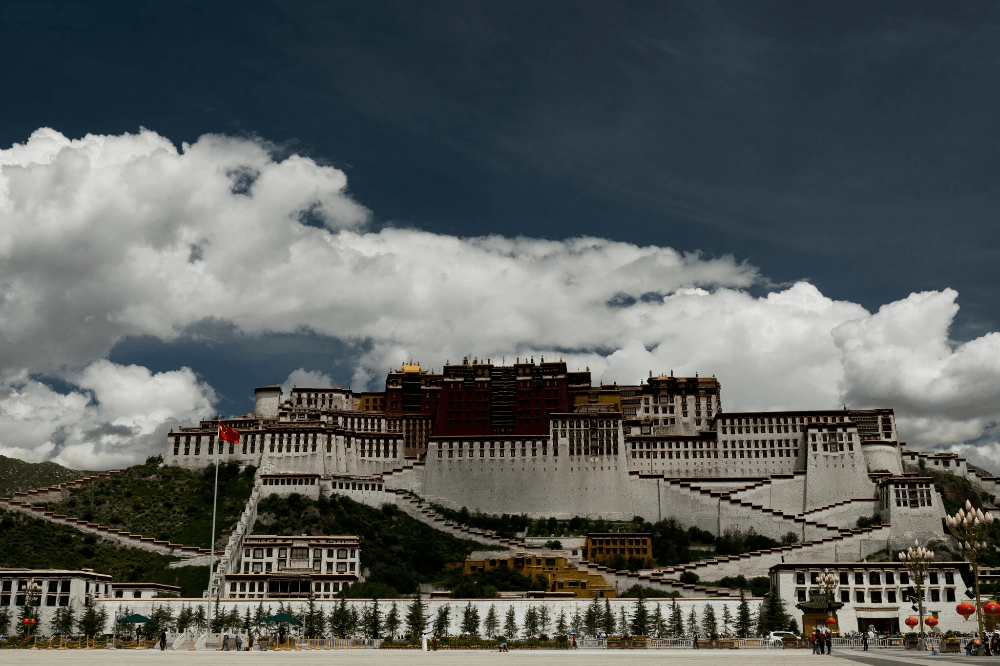
The Potala Palace stands as a beacon of Tibetan culture, history, and spirituality. This architectural marvel is not just a palace in Tibet; it represents the heart and soul of Tibetan identity. Understanding why the Potala Palace is important involves delving into its cultural symbolism, its recognition by UNESCO, and its significance for spiritual pilgrims.
Cultural Symbol of Tibet
The Potala Palace is often regarded as the cultural symbol of Tibet, embodying the rich traditions and heritage of this unique region. With its majestic structure perched on Marpo Ri Hill, it serves as a reminder of Tibet’s historical resilience and artistic excellence. As visitors explore the potala in tibet, they can appreciate how this palace reflects centuries of Tibetan Buddhist philosophy and artistry.
Moreover, the potala palace tibet has become synonymous with Tibetan nationalism and identity in contemporary times. It stands not only as a place for political leaders but also as a gathering point for those seeking to connect with their roots. The intricate designs and sacred spaces within reveal stories that resonate deeply with both locals and tourists alike.
UNESCO World Heritage Status
In recognition of its outstanding universal value, UNESCO designated the Potala Palace as a World Heritage Site in 1994. This status highlights not just its architectural brilliance but also its importance to humanity’s collective heritage. Being part of UNESCO’s list means that visitors from around the globe are drawn to learn about this remarkable palace in tibet.
The designation has also spurred efforts to preserve this iconic structure amid increasing tourism pressures. As more people inquire about where is Potala Palace located or seek out potala palace facts, awareness grows about protecting this treasure for future generations. The global acknowledgment reinforces how vital it is to maintain such historical sites that tell profound stories about human civilization.
Spiritual Significance for Pilgrims
For countless pilgrims making their way to Lhasa, visiting the Potala Palace carries immense spiritual significance. It acts as a pilgrimage site where devotees seek blessings from deities enshrined within its walls while absorbing its serene atmosphere filled with prayers and offerings. The spiritual essence found here connects individuals to centuries-old traditions that define Tibetan Buddhism.
As one navigates through the various chapels and prayer halls inside the potala place, it’s easy to feel enveloped by an aura of reverence and devotion that transcends time itself. Many travelers leave with a deeper understanding of why is the Potala Palace important—not merely for its beauty but for what it represents spiritually for millions around the world. Each visit becomes an opportunity to reflect on personal faith while honoring collective heritage.
Exploring the Architecture
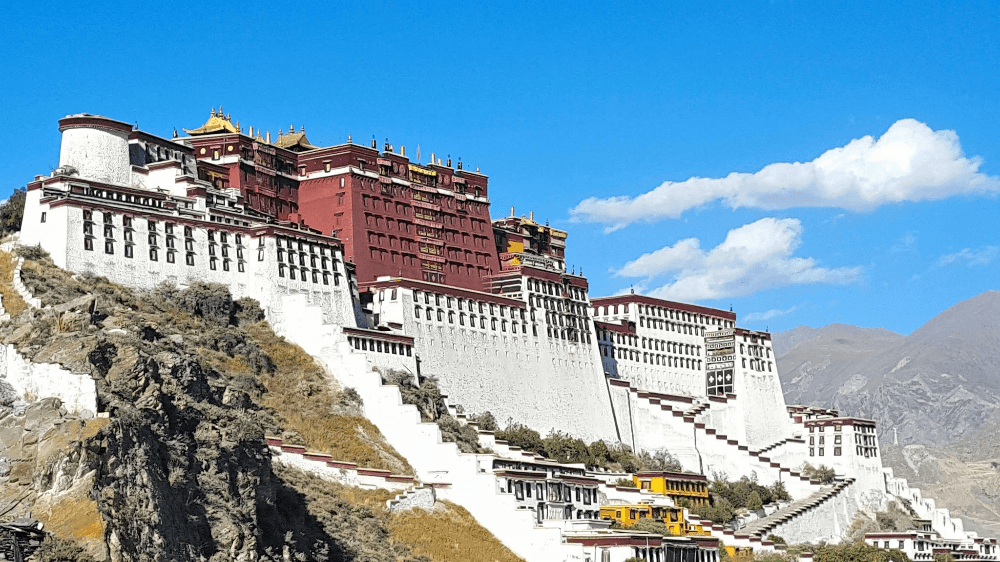
The Potala Palace in Tibet is a stunning architectural marvel that captivates visitors with its unique design and intricate details. Perched on a hilltop, this palace in Tibet is not just a residence; it’s a symbol of Tibetan culture and spirituality. Let’s delve into the unique features that make the Potala Palace an iconic representation of Tibetan architecture.
Unique Features of the Palace
One of the most striking aspects of the Potala Palace is its sheer size and elevation, standing at over 3,700 meters above sea level. The palace consists of 13 stories and houses more than 1,000 rooms, making it one of the largest structures in Tibet. Its white and red walls are not only visually stunning but also serve practical purposes, reflecting sunlight to keep the interiors cool during warm days.
Additionally, the layout of the Potala Palace is a remarkable fusion of traditional Tibetan architectural styles with influences from Chinese and Indian designs. Each section serves specific functions—residential quarters for monks, assembly halls for prayers, and chapels adorned with relics—making it a microcosm of Tibetan society. The strategic placement on Marpo Ri Hill offers breathtaking views over Lhasa, further enhancing its allure as a must-visit destination.
Intricate Artwork and Murals
As you wander through the corridors of the Potala Palace, you’ll be mesmerized by its intricate artwork and murals that tell tales steeped in history and spirituality. These artworks are not merely decorative; they convey profound religious narratives central to Tibetan Buddhism. Each mural depicts deities, historical events, or teachings that resonate deeply with pilgrims who visit seeking enlightenment.
The craftsmanship involved in creating these artworks is nothing short of extraordinary; artisans spent years perfecting their skills to bring these vibrant images to life using natural pigments derived from minerals and plants. The walls are adorned with thangka paintings that showcase intricate details often overlooked at first glance but reveal layers upon closer inspection. This artistic richness contributes significantly to why the Potala Palace is important—not just as an architectural feat but as an embodiment of cultural heritage.
The Grand Staircase and Layout
Navigating through the Potala Palace involves traversing its grand staircase—a central feature designed not only for aesthetic appeal but also for functionality within this extensive complex. The staircase leads visitors through various levels while providing access to different chapels and living quarters throughout this majestic palace in Tibet. Each step taken offers glimpses into different aspects of Tibetan culture encapsulated within these walls.
The overall layout emphasizes harmony between nature and architecture; rooms are arranged around courtyards filled with gardens that provide tranquil spaces for reflection amidst busy pilgrimage activities outside. Visitors can easily lose track of time exploring these interconnected spaces rich with history—every corner presents new potala palace facts waiting to be discovered! Whether you’re admiring elaborate statues or simply absorbing your surroundings, each visit promises something new to uncover about this extraordinary place.
Visiting the Potala Palace

The Potala Palace in Tibet is not just a magnificent structure; it’s a journey through time and culture. As you prepare for your visit, understanding essential information about this iconic palace will enhance your experience. From practical tips to the best times to marvel at this architectural wonder, we’ve got you covered.
Essential Visitor Information
When planning your trip to the Potala Palace, it’s crucial to know that tickets can sell out quickly, especially during peak tourist seasons. Visitors are required to present their ID, so don’t forget to bring yours along—your passport is a must! Guided tours are available in various languages, providing insights into why the Potala Palace is important and its rich history as one of Tibet’s most revered landmarks.
Best Times to Visit
Timing your visit can make all the difference when exploring the Potala Palace in Tibet. The best months are typically April through October when the weather is milder and more conducive for sightseeing. However, if you’re looking for fewer crowds and a more serene experience at this palace in Tibet, consider visiting during shoulder seasons like late September or early October.
Guided Tours with GuideTibet
For an enriching experience at the Potala Palace Tibet offers guided tours that dive deep into its historical significance and architectural marvels. GuideTibet provides knowledgeable guides who can answer all your burning questions about Potala Palace facts and its cultural relevance. With their expertise, you’ll gain insights into not just what you see but also why it matters—making your visit truly unforgettable.
Potala Palace Facts to Know
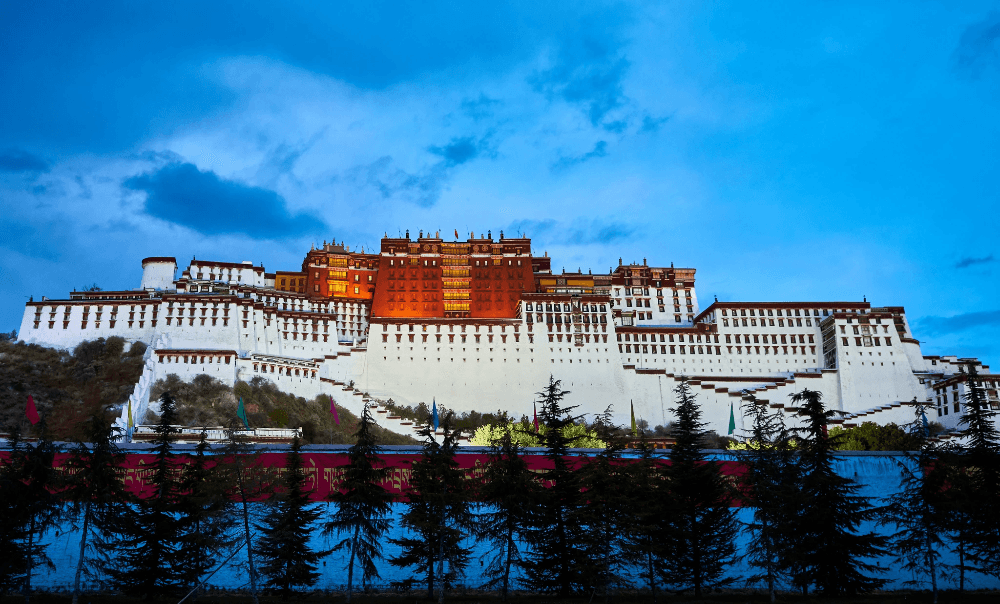
The Potala Palace in Tibet is not just a stunning architectural marvel; it is steeped in fascinating history and cultural significance. Understanding the facts surrounding this iconic palace helps illuminate its importance and allure for visitors. From intriguing statistics to rare relics, the Potala Palace offers a treasure trove of knowledge for anyone eager to explore its depths.
Interesting Statistics and Figures
When pondering where is Potala Palace located, one quickly realizes that this majestic structure stands at an impressive altitude of 3,700 meters (12,139 feet) above sea level. Covering an area of over 130,000 square meters, the palace in Tibet boasts more than 1,000 rooms and houses numerous chapels and shrines dedicated to various deities. Additionally, it is said that around 15 million stones were used in its construction—an extraordinary feat considering the challenging conditions of the Tibetan plateau.
Rare Items and Relics Inside
Inside the Potala Palace Tibet lies a collection of rare items and relics that are both spiritually significant and historically valuable. Among these treasures are ancient scriptures, including some of the earliest Tibetan Buddhist texts written on palm leaves. Visitors can also marvel at intricately crafted statues made from precious metals such as gold and silver, which reflect the rich artistic heritage found within this remarkable palace.
Preservation Efforts
Given its historical importance, understanding why is the Potala Palace important extends beyond mere admiration; it involves recognizing ongoing preservation efforts to maintain its integrity for future generations. The Chinese government has invested significantly in restoration projects aimed at combating weathering caused by altitude and climate conditions unique to this region. These initiatives ensure that not only do we preserve potala palace facts but also safeguard its cultural legacy as a symbol of Tibetan identity amidst modern challenges.
Conclusion
Visiting the Potala Palace in Tibet is not just a trip; it’s an experience that encapsulates the rich tapestry of Tibetan culture and history. As you stand before this majestic palace, you’ll realize why it has become a beacon for travelers from all around the globe. To make the most of your adventure, understanding a few essential tips will enhance your visit to this iconic landmark.
Essential Tips for Visitors
When planning your journey to the Potala Palace, timing is everything. The best times to visit are during spring and autumn when the weather is pleasant and crowds are manageable. Don’t forget to book tickets in advance, as access can be limited, especially during peak travel seasons; knowing where is Potala Palace allows you to prepare accordingly.
Dress comfortably and be ready for altitude changes—Lhasa sits at over 3,600 meters above sea level! Make sure to stay hydrated and take breaks while exploring this sprawling palace in Tibet. Lastly, respect local customs and traditions as you navigate through sacred spaces within the Potala Palace; it’s important to remember why is the Potala Palace important not just architecturally but spiritually.
Understanding Tibetan Culture
Tibetan culture is a blend of spiritual practices, ancient traditions, and vibrant art forms that have evolved over centuries. The intricate murals and artwork found throughout the Potala Palace tell stories of Buddhism’s deep roots in this region, making it essential for visitors to appreciate these details fully. Engaging with local guides can provide insights into how these elements reflect daily life in Tibet today.
Understanding Tibetan culture also means recognizing its resilience amidst challenges throughout history. The significance of places like the Potala Palace extends beyond mere aesthetics; they are symbols of hope and continuity for Tibetan people everywhere. As you explore this remarkable site, take time to reflect on its role in preserving cultural identity amid changing times.
Planning Your Tibetan Adventure with GuideTibet
To make your journey seamless, consider planning your adventure with GuideTibet—a trusted partner for navigating Lhasa’s wonders including the stunning Potala Palace Tibet offers visitors. Their knowledgeable guides can tailor itineraries that showcase not only major attractions but also hidden gems within this beautiful region. With their expertise at hand, you’ll gain deeper insights into both historical context and contemporary life surrounding landmarks like the Potala Place.
Start by exploring various packages that include guided tours focused on specific interests such as photography or spirituality—there’s something for everyone! Additionally, they provide useful information about accommodations near key sites ensuring convenience during your stay in Lhasa. So pack your bags; an unforgettable experience awaits within these walls steeped in history!