Introduction
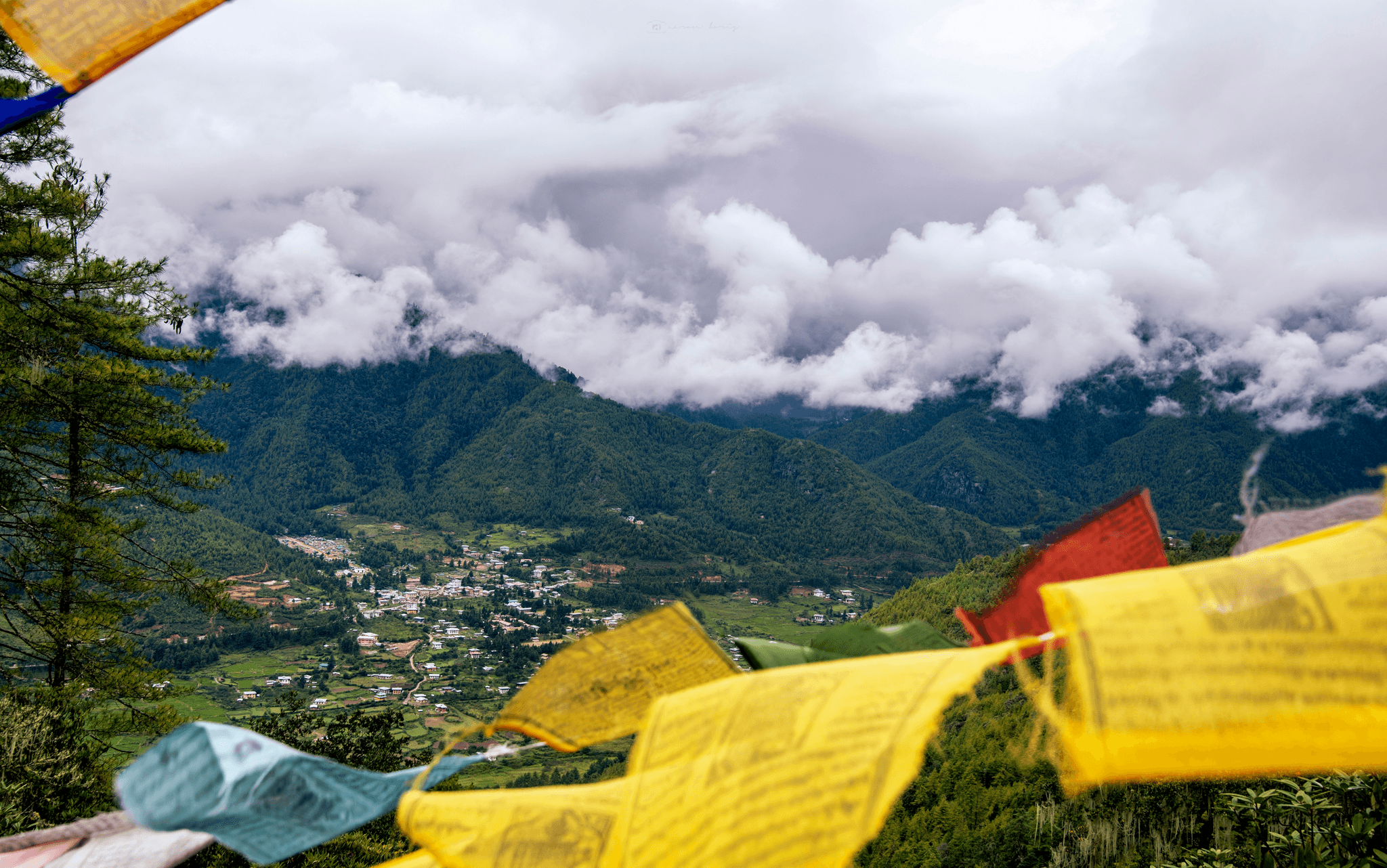
The Tibetan Plateau, often referred to as the Roof of the World, is a place of stunning natural beauty and profound cultural significance. This vast expanse, known for being the highest plateau in Tibet, serves as a unique intersection of nature and spirituality. Understanding this plateau’s importance is crucial not only for appreciating its geographical wonders but also for grasping the rich tapestry of life that thrives within its boundaries.
Understanding the Tibetan Plateau’s Importance
The plateau in Tibet stands out as one of the most significant geological features on Earth, influencing climate patterns across Asia. Its sheer size and altitude contribute to various environmental phenomena, making it a focal point for scientists studying climate change and biodiversity. Additionally, many ask, What is the plateau of Tibet called? The answer reveals its dual identity as both a natural marvel and a cultural treasure trove.
Unique Aspects of Tibetan Culture
Tibetan culture is deeply intertwined with its environment, showcasing traditions that have evolved over centuries in harmony with nature. From vibrant festivals celebrating seasonal changes to intricate art forms rooted in spiritual beliefs, each aspect reflects the unique lifestyle of those living on this majestic plateau. Visitors often seek to uncover what are three facts about the Tibetan Plateau that highlight not just its physical characteristics but also its rich cultural heritage.
The Role of Nature in Tibetan Life
Nature plays an indispensable role in shaping daily life on the Tibetan Plateau; it dictates agricultural practices and influences spiritual beliefs alike. The impressive landscapes provide not only sustenance but also serve as sites for pilgrimage and meditation—integral components of Tibetan Buddhist practices. With questions like Why is the Tibetan Plateau so big? echoing through discussions about geology and ecology, one can appreciate how deeply interconnected these elements are within this extraordinary region.
Historical Significance of the Tibetan Plateau
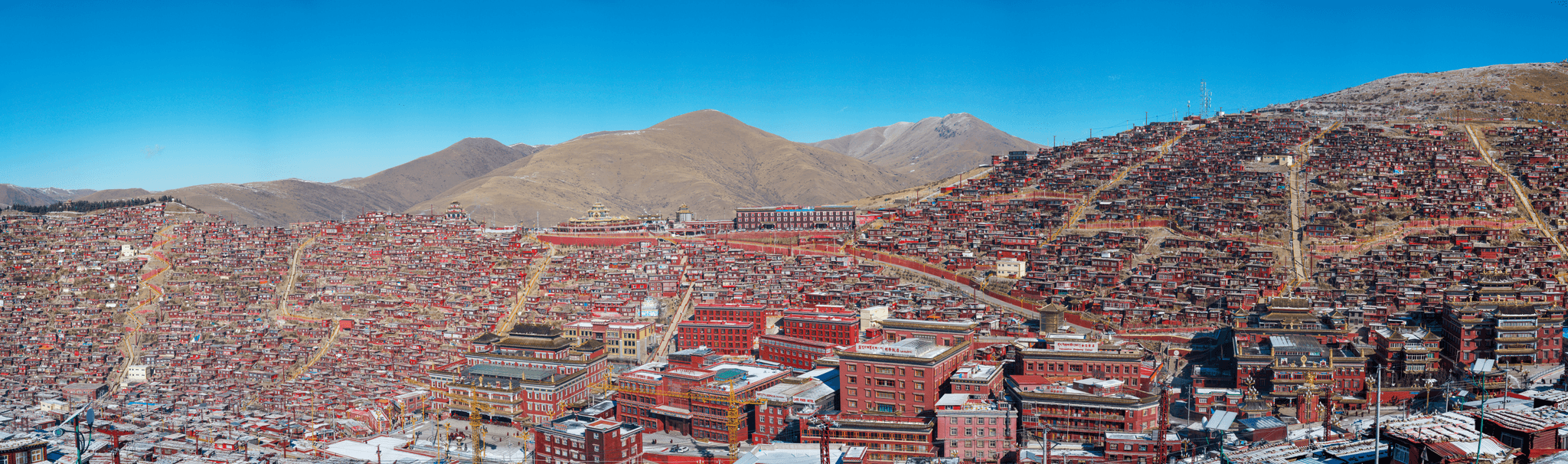
The Tibetan Plateau, often referred to as the Roof of the World, boasts a rich historical tapestry woven from ancient kingdoms, spiritual traditions, and cultural exchanges. This vast expanse has been home to numerous dynasties that have left indelible marks on its landscape and culture. Understanding its historical significance helps illuminate why this plateau in Tibet remains a focal point of intrigue for scholars and travelers alike.
Ancient Kingdoms and Dynasties
Throughout history, the plateau in Tibet has been ruled by various ancient kingdoms and dynasties that shaped its political and cultural landscape. Notably, the Yarlung Dynasty is recognized as one of the earliest rulers who established a unified Tibetan state around the 7th century AD. Their influence not only laid the groundwork for what is now considered the highest plateau in Tibet but also helped develop a distinct identity that persists today.
These kingdoms were instrumental in establishing trade routes connecting Tibet with neighboring regions such as China, India, and Nepal. The interactions facilitated by these ancient dynasties contributed to a vibrant exchange of goods, ideas, and cultures across borders. As we explore what are three facts about the Tibetan Plateau, it becomes evident that its historical depth plays a crucial role in understanding contemporary Tibetan society.
Spiritual Heritage of the Land
The spiritual heritage of the plateau in Tibet is deeply intertwined with its geography and culture. It is revered as a sacred land where various forms of Buddhism flourished over centuries—most notably Tibetan Buddhism, which incorporates elements from Bon (the indigenous religion). The spiritual significance attributed to this highland has drawn pilgrims from around the world who seek enlightenment through meditation practices unique to this region.
Many sacred sites dotting this majestic landscape serve as focal points for spiritual gatherings and rituals. Monasteries like Sera and Drepung are not just architectural wonders; they are living embodiments of centuries-old traditions that continue to thrive today. This rich spiritual heritage enhances our understanding of why is the Tibetan Plateau so big—its vastness symbolizes both physical space for contemplation and metaphysical expansiveness.
Cultural Exchanges with Neighbors
The geographical position of the plateau in Tibet has made it an ideal meeting point for diverse cultures over millennia. Neighboring countries like India have influenced Tibetan art, philosophy, and even cuisine through centuries-long exchanges driven by trade routes traversing these high altitudes. These interactions have enriched local customs while preserving unique aspects intrinsic to Tibetan culture.
Moreover, cultural exchanges have fostered enduring relationships between Tibetans and their neighbors despite political tensions that may arise over time. Festivals celebrating shared traditions often see participation from various ethnic groups within this region—a testament to how interconnected life on this plateau can be despite its isolationist reputation at times. In light of what is the plateau of Tibet called? It’s clear that names may differ across cultures but resonate with shared histories rooted deeply within each community’s identity.
In conclusion, exploring historical significance reveals layers upon layers contributing to what makes this area so captivating today—be it ancient kingdoms or spiritual legacies interwoven into daily life on one of Earth’s most remarkable landscapes.
What is the Plateau of Tibet Called?
The Tibetan Plateau, often referred to as the Roof of the World, is one of the most remarkable geographical features on our planet. This vast expanse, nestled high in Central Asia, has captured the imagination of explorers and scholars alike. But what is the plateau of Tibet called? The answer isn’t just a matter of nomenclature; it reflects a deep connection to its cultural and environmental significance.
The Concept of Roof of the World
The title Roof of the World aptly describes this majestic plateau in Tibet, as it stands at an average elevation exceeding 4,500 meters (14,800 feet) above sea level. This staggering height gives rise to some of the world’s highest peaks, including Mount Everest, making it a natural wonder that attracts adventurers and nature lovers alike. The concept encapsulates not only its physical stature but also its pivotal role in climate regulation and water supply for much of Asia.
Traditional Names and Their Meanings
In addition to being known as the Roof of the World, various traditional names have been attributed to this plateau in Tibet throughout history. Locals refer to it as Bod, which means Tibet in their language, reflecting their deep-rooted cultural identity with this land. Other terms such as “Changthang” highlight specific regions within this expansive area and signify rich agricultural practices or nomadic lifestyles that have thrived for centuries.
The Plateau in Global Geography
When looking at global geography, it’s essential to understand why is the Tibetan Plateau so big compared to other plateaus around the world? Spanning over 2.5 million square kilometers (about 970,000 square miles), it holds a significant place on any map due to its sheer size and unique ecological systems. Additionally, it’s recognized as one of Earth’s most critical areas for biodiversity; what are three facts about the Tibetan Plateau that stand out? It is home to rare species like snow leopards and Tibetan antelopes while serving as a vital water source for major rivers across Asia.
Why is the Tibetan Plateau So Big?
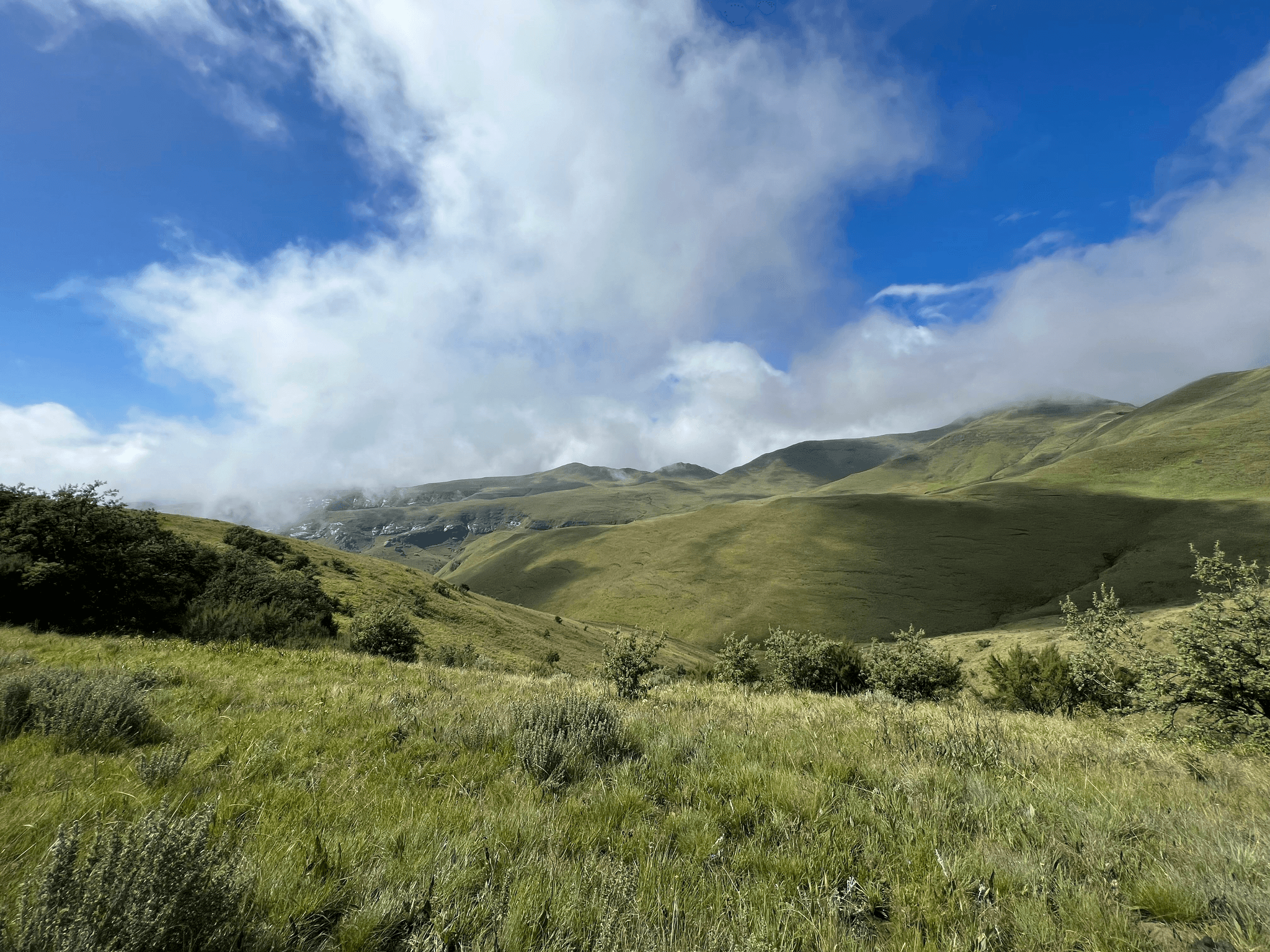
The Tibetan Plateau, often referred to as the Roof of the World, stands out not just for its height but also for its vast expanse. Spanning over 2.5 million square kilometers, it is recognized as the highest plateau in Tibet and one of the largest in the world. But what exactly contributes to this impressive size?
Geological Formations and Processes
The formation of the plateau in Tibet is a tale written by tectonic forces over millions of years. The collision between the Indian and Eurasian tectonic plates has resulted in significant uplift, creating this majestic landform. This geological process not only explains why is the Tibetan Plateau so big but also contributes to its unique landscape characterized by rugged mountains, deep valleys, and expansive grasslands.
Climate Influence on Size and Shape
Climate plays a crucial role in shaping the Tibetan Plateau’s environment and ecosystem. The high altitude results in harsh weather conditions, with cold temperatures and limited precipitation influencing both flora and fauna across this vast region. Understanding how climate affects what is called the plateau of Tibet helps unravel why certain areas are more expansive than others; it creates a delicate balance that sustains life while maintaining its grandeur.
Biodiversity of the Plateau
Despite its harsh conditions, biodiversity flourishes on this remarkable plateau in Tibet. Home to unique species adapted to high altitudes, such as snow leopards and Tibetan antelopes, it showcases nature’s resilience against adversity. Additionally, these vibrant ecosystems contribute significantly to local cultures; many traditional practices are intertwined with wildlife conservation efforts that highlight what are three facts about the Tibetan Plateau: its size, unique flora and fauna, and cultural significance.
Traditional Tibetan Lifestyle
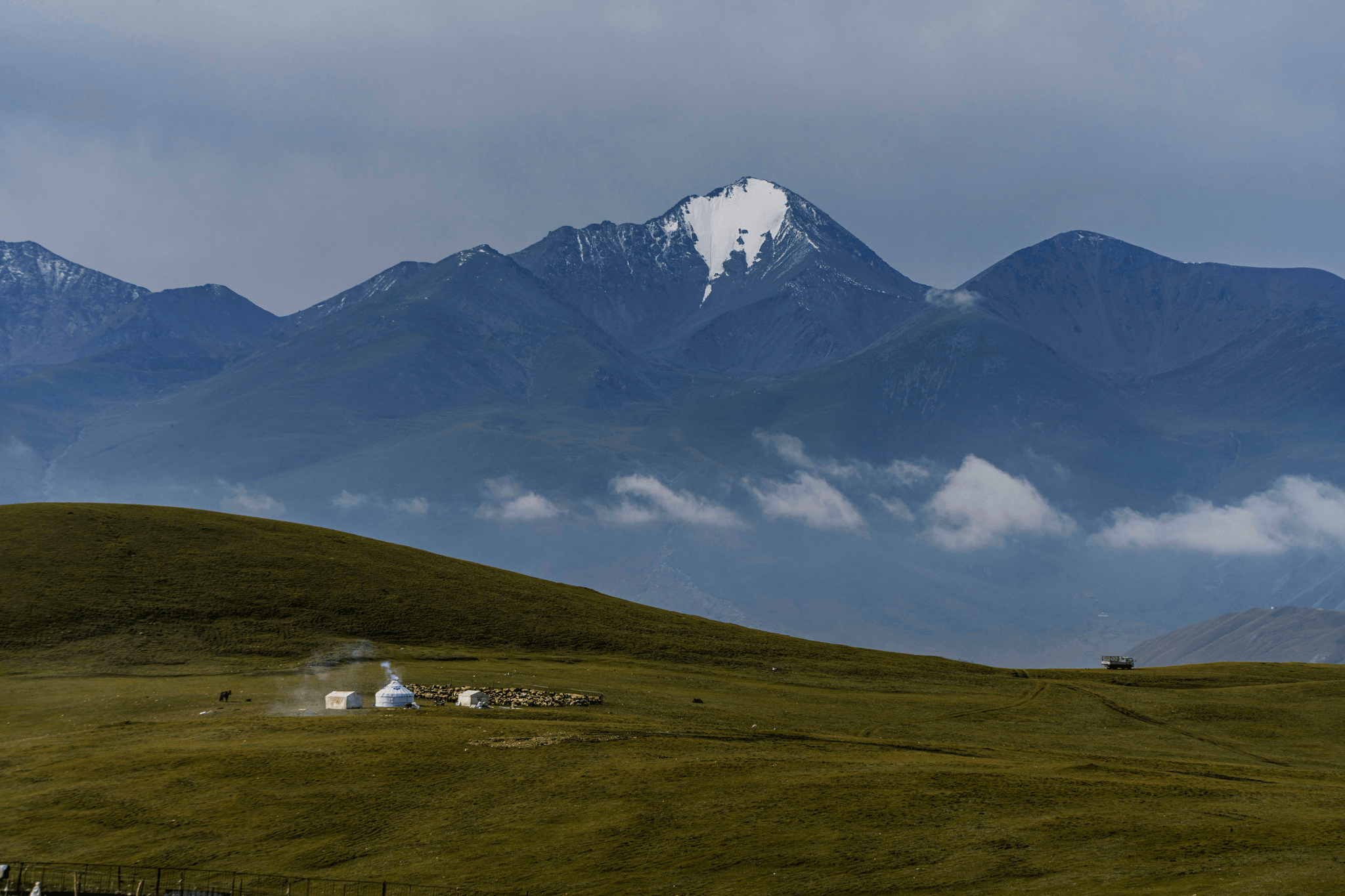
The traditional lifestyle of the Tibetan people is intricately woven into the fabric of their environment, showcasing a harmonious relationship with the plateau in Tibet. Nomadic herding and agriculture form the backbone of their existence, allowing them to thrive in one of the most challenging yet beautiful regions on Earth. With a deep respect for nature and an understanding of its cycles, Tibetans have developed practices that not only sustain their communities but also preserve their rich cultural heritage.
Nomadic Herding and Agriculture
Nomadic herding is a way of life for many Tibetans, particularly those living on the plateau in Tibet. They migrate with their livestock—primarily yaks and sheep—across vast expanses to find fresh pastures and water sources, adapting to seasonal changes that affect their surroundings. This lifestyle is complemented by small-scale agriculture where barley, wheat, and other hardy crops are cultivated in limited areas that can support farming amidst the rugged terrain.
The nomads’ reliance on livestock goes beyond sustenance; it is deeply embedded in their culture and identity. What is the highest plateau in Tibet? It’s here that these herders have learned to navigate extreme altitudes while maintaining traditions passed down through generations. As they move across this stunning landscape, they embody resilience—a trait necessary for thriving on such a grand scale.
Festivals and Community Gatherings
Festivals play a vital role in uniting communities across the Tibetan Plateau, fostering social bonds among families and clans. These celebrations often coincide with significant agricultural events or religious observances, showcasing vibrant displays of dance, music, and traditional dress. The gatherings serve as an opportunity for storytelling and sharing experiences—an essential aspect of preserving what are three facts about the Tibetan Plateau: its unique culture, spiritual depth, and breathtaking natural beauty.
One notable festival is Losar—the Tibetan New Year—which involves elaborate rituals intended to usher in good fortune for families throughout the coming year. During this time, people come together to share meals featuring traditional foods like barley beer (chang) while participating in games that strengthen community ties. Such events highlight how deeply ingrained social connections are within Tibetan life; even amidst modern challenges faced by these communities on the plateau.
The Importance of Yaks in Daily Life
Yaks hold immense significance within Tibetan society; they are often referred to as the lifeblood of nomadic communities living on the plateau in Tibet. These sturdy animals provide not only milk but also meat, wool for clothing, and dung used as fuel—making them indispensable for survival at high altitudes where resources may be scarce. Their resilience mirrors that of their human counterparts who rely on them daily.
In addition to practical uses, yaks also play a crucial role during festivals where they are adorned with colorful decorations—symbolizing prosperity and joy within communities celebrating togetherness against stunning backdrops typical of what is known as the roof of the world. The yak’s presence extends beyond utility; it embodies cultural identity while reinforcing connections between people living harmoniously alongside nature’s grandeur found here at such heights.
As you explore this captivating region through GuideTibet’s carefully curated tours led by knowledgeable locals fluent in English—you’ll undoubtedly gain insights into how these traditions continue shaping lives today! Discovering ancient customs alongside modern adaptations will enrich your experience while highlighting why so many cherish this extraordinary land filled with stories waiting just beneath its surface!
What are Three Facts About the Tibetan Plateau?
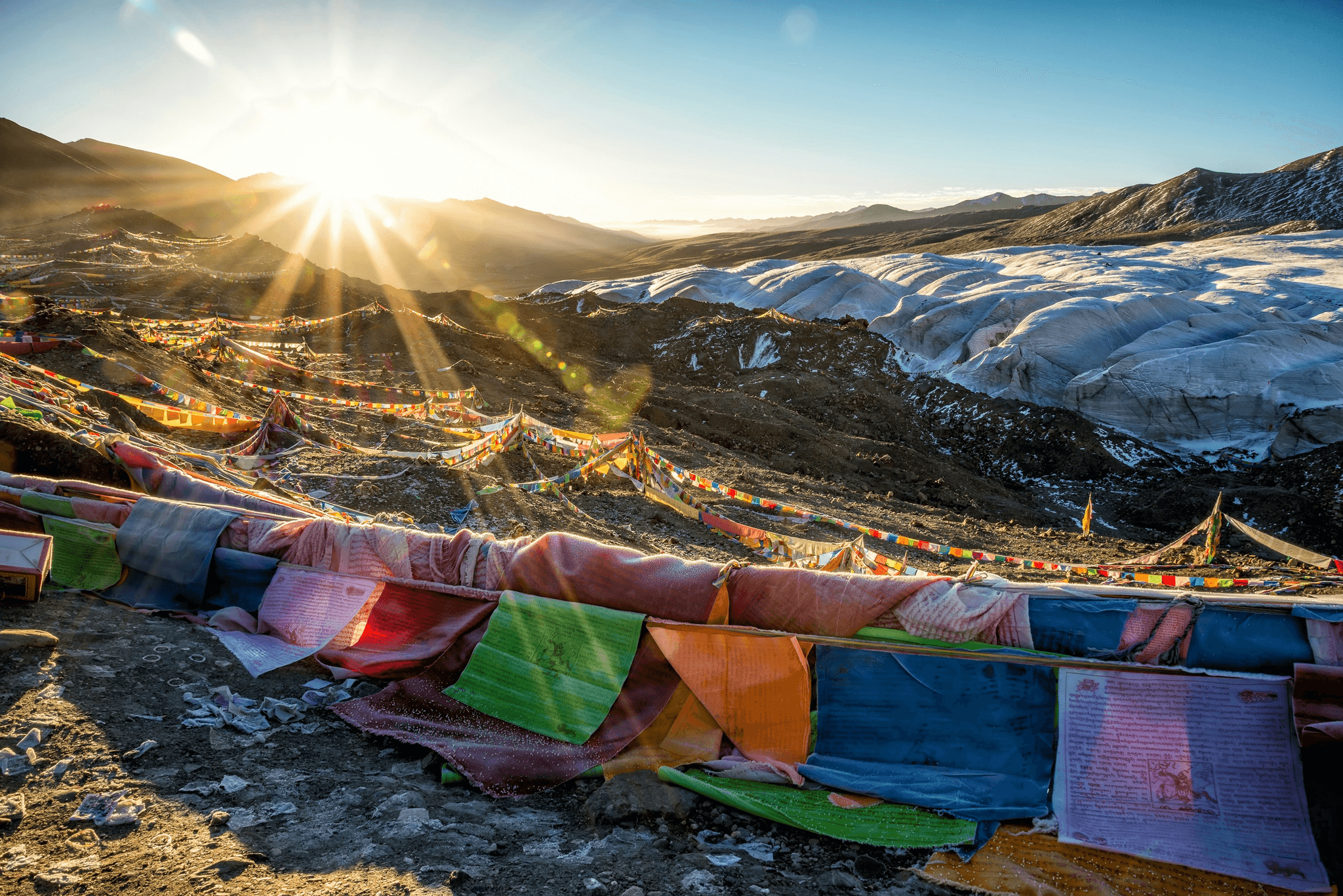
The Tibetan Plateau, often referred to as the Roof of the World, is a region that captivates both scientists and travelers alike. Its vastness and unique features make it a subject of intrigue, leading many to wonder, what is the plateau of Tibet called? In this section, we will explore three fascinating facts about this remarkable area, shedding light on its significance and allure.
The Highest Plateau in Tibet
When discussing what is the highest plateau in Tibet, one cannot overlook its staggering elevation. The Tibetan Plateau sits at an average height of over 4,500 meters (14,800 feet) above sea level, making it not only the highest plateau in Tibet but also the highest in the world. This extraordinary altitude influences everything from climate to biodiversity and even cultural practices among those who inhabit this breathtaking landscape.
Unique Flora and Fauna
The biodiversity found on the plateau in Tibet is nothing short of astounding. Despite its harsh conditions, numerous unique species have adapted to thrive here; for instance, you can find rare plants like Rhodiola and various endemic animals such as the Tibetan antelope or chiru. These remarkable adaptations underscore why it’s vital to protect this fragile ecosystem while also emphasizing that understanding why is the Tibetan Plateau so big involves recognizing its ecological significance.
Cultural Practices Rooted in Tradition
Cultural practices on the plateau in Tibet are deeply intertwined with its environment and history. From nomadic herding traditions that have been passed down through generations to vibrant festivals celebrating seasonal changes, these customs reflect a profound connection between people and their land. As you explore these rich traditions with GuideTibet, you’ll discover how they embody centuries of resilience amidst one of Earth’s most challenging terrains.
Tibetan Spirituality and Religion
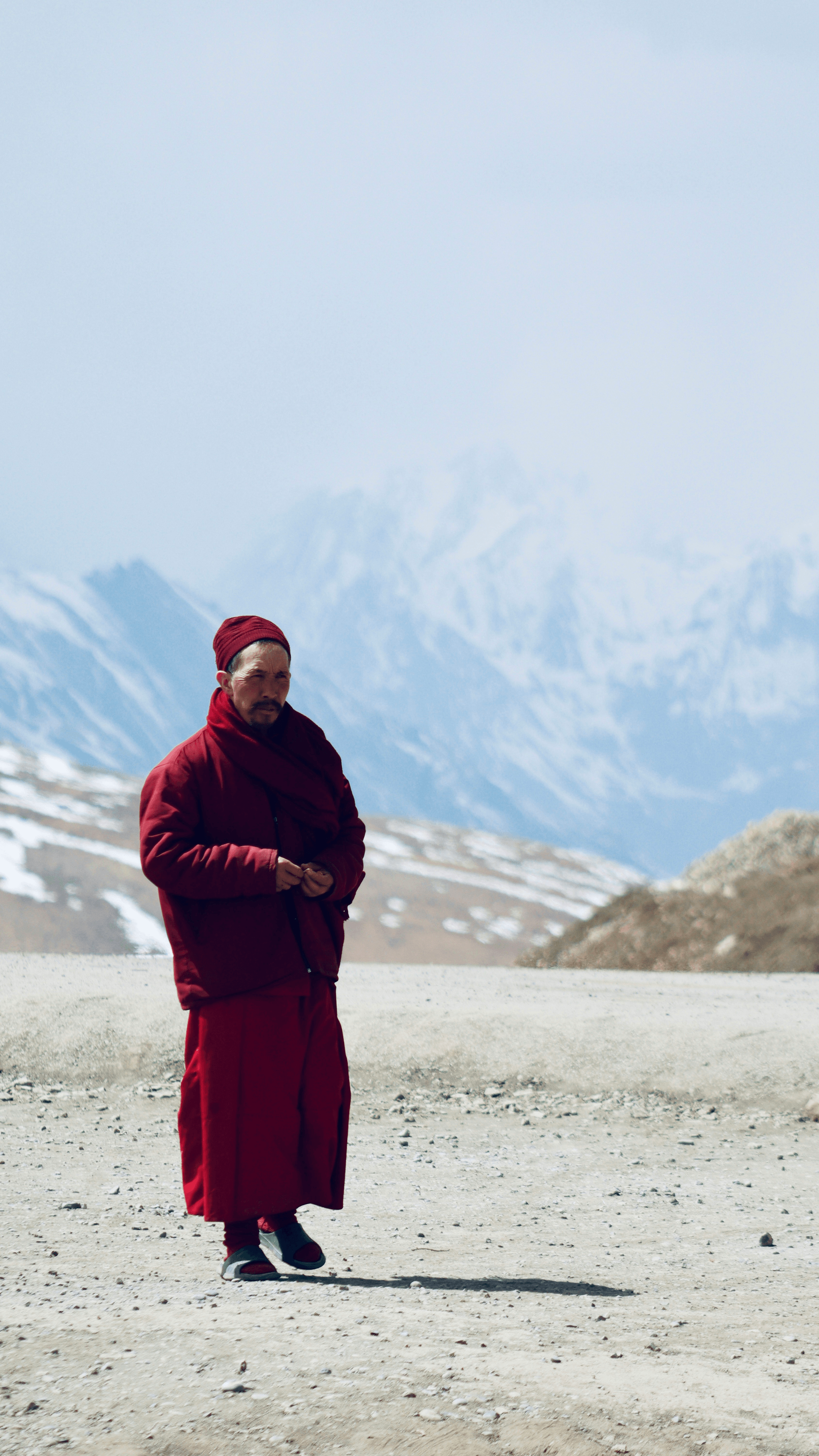
Tibetan spirituality is deeply intertwined with the region’s culture, primarily influenced by Tibetan Buddhism, which has shaped the beliefs and practices of its people for centuries. This form of Buddhism emphasizes compassion, wisdom, and the pursuit of enlightenment, making it a cornerstone of life on the plateau in Tibet. The teachings of revered figures such as the Dalai Lama continue to inspire both locals and visitors alike, creating a vibrant spiritual atmosphere that permeates daily life.
The Influence of Tibetan Buddhism
What is the plateau of Tibet called? Often referred to as the Roof of the World, this vast expanse serves as a spiritual haven where Tibetan Buddhism thrives. Monasteries dotting the landscape serve not only as places of worship but also as centers for education and community gatherings. The influence of this religion can be seen in everything from art to architecture, with intricate thangka paintings and majestic stupas reflecting its rich heritage.
Sacred Sites and Pilgrimage
The plateau in Tibet is home to numerous sacred sites that attract thousands of pilgrims each year. Among these are Mount Kailash and Lake Manasarovar, both considered highly revered by multiple religions including Hinduism and Buddhism. Pilgrimage routes winding through breathtaking landscapes allow devotees to engage in spiritual practices while experiencing the natural beauty that makes this region unique.
Meditation Practices Unique to the Plateau
Meditation practices on the Tibetan Plateau are distinctively shaped by its environment, emphasizing mindfulness and connection with nature. Many practitioners utilize techniques passed down through generations that incorporate local traditions alongside Buddhist philosophies. These methods not only promote inner peace but also foster a profound appreciation for what makes this area special—its expansive skies, rugged mountains, and serene lakes.
Exploring these facets of spirituality provides insight into why so many seek solace on this remarkable land known for being what is considered the highest plateau in Tibet. If you’re curious about what are three facts about the Tibetan Plateau or want to delve deeper into its cultural richness, GuideTibet can offer tailored experiences led by knowledgeable locals who share their passion for their homeland.
Conclusion
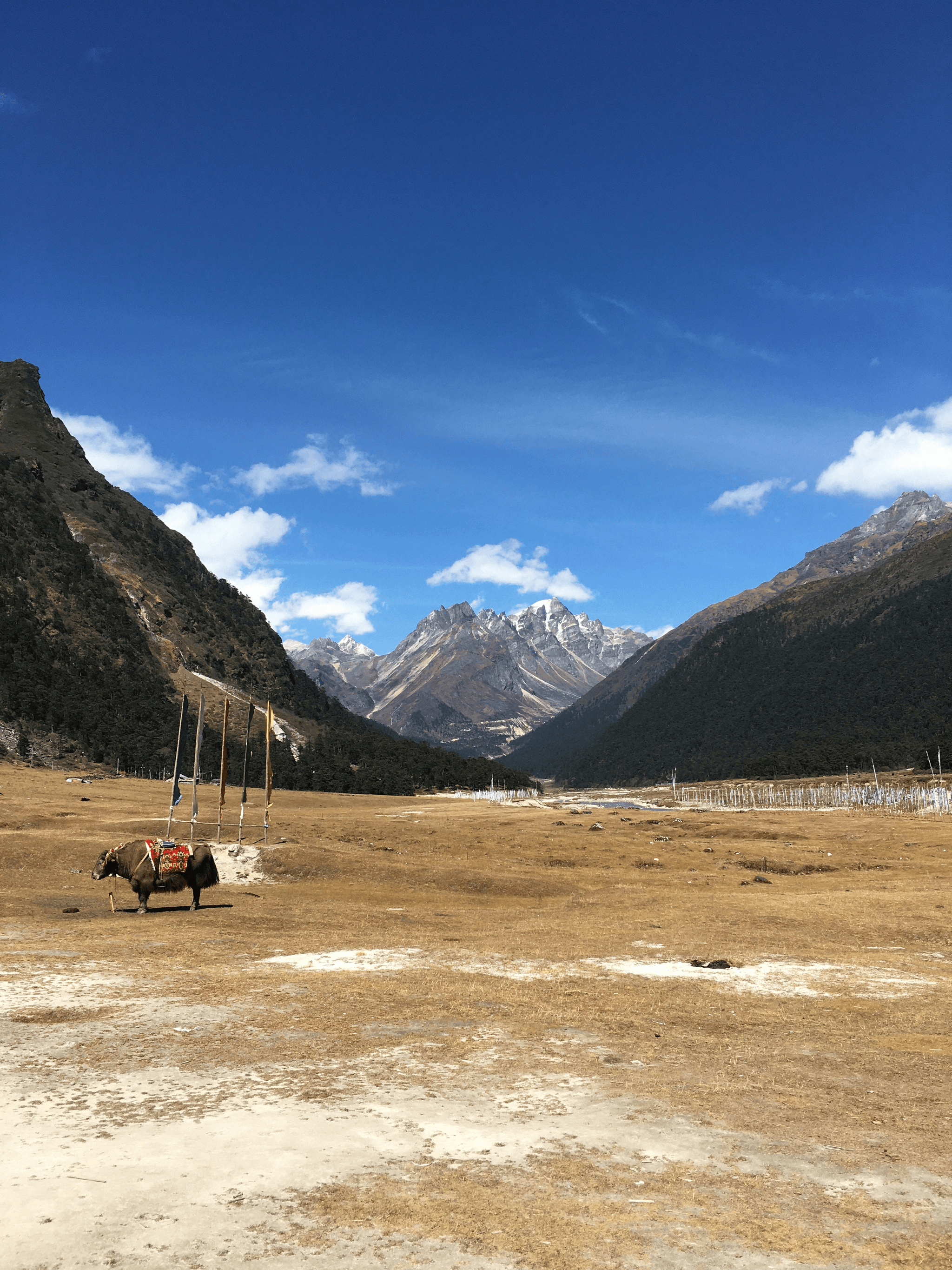
The Tibetan Plateau is not just a geographical marvel; it’s a vibrant tapestry of culture, history, and spirituality that continues to thrive today. Engaging with Tibetan culture offers a glimpse into the soul of this remarkable region, inviting visitors to experience its unique traditions and lifestyles. Whether you’re exploring ancient monasteries or participating in local festivals, the plateau in Tibet serves as an immersive backdrop for understanding the depth of Tibetan life.
Engaging with Tibetan Culture Today
Today, engaging with Tibetan culture means stepping into a world where ancient practices coexist harmoniously with modern influences. Visitors can explore traditional crafts, such as thangka painting and handmade textiles, which reflect the rich heritage of the plateau in Tibet. Moreover, by participating in community events and festivals, travelers can witness firsthand what makes this area so special—its people and their enduring spirit.
How GuideTibet Enhances Your Experience
When it comes to navigating the complexities of traveling through this stunning landscape, GuideTibet is your best ally. This locally based travel agency specializes in organizing authentic tours led by native guides who speak English fluently and are deeply knowledgeable about their homeland. With GuideTibet, you’re not just another tourist; you’re an explorer delving into what is truly called the roof of the world, gaining insights into why the Tibetan Plateau is so big on cultural significance.
Discovering the Depths of the Plateau in Tibet
Exploring the depths of the plateau in Tibet reveals layers upon layers of history and spirituality that are both profound and captivating. From ancient kingdoms to sacred pilgrimage sites, every corner tells a story worth discovering—like what is the highest plateau in Tibet or what are three facts about the Tibetan Plateau that highlight its uniqueness? As you traverse this breathtaking landscape with GuideTibet’s expert guidance, you’ll gain an appreciation for how nature shapes not only geography but also cultural identity on this majestic plateau.