Why can’t anyone conquer kailash? It’s not just a matter of faith, it’s an iron law of nature.
Geographic Curses: Desperate Places Where Even the Gods Are Turned Off.
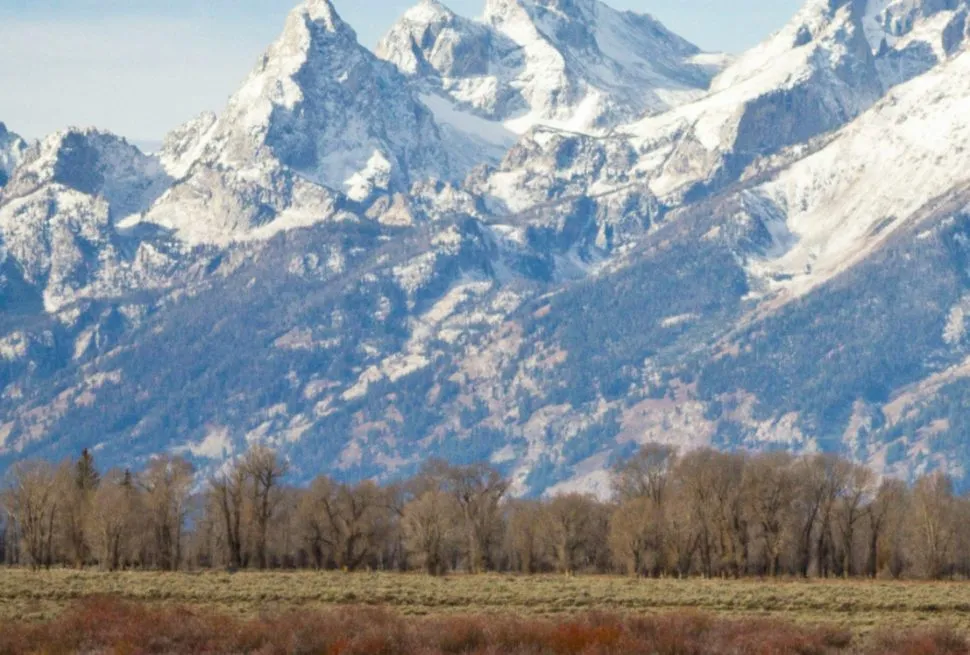
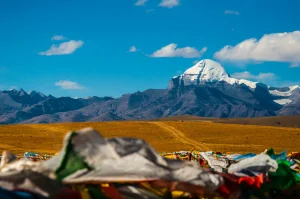
The king of the “Roof of the World” at an altitude of 6,656 meters is shrouded in the extreme cold of -30°C or less all year round, with an oxygen content of only 30% of that of the plains.
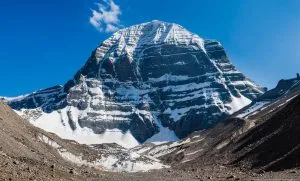
Knife-edge ridges: Steep slopes of over 50° go up almost vertically, and the ice-covered sections of the “Knife-Edge Mountain” are one step deeper than the next.
Rapidly changing weather: you can experience blizzards, hail, and strong winds in a 12-hour period, with temperature fluctuations of more than 50 °C — an inferno that even mountaineering equipment can’t withstand.
Taboos of civilization: touching a sacred mountain is blasphemy
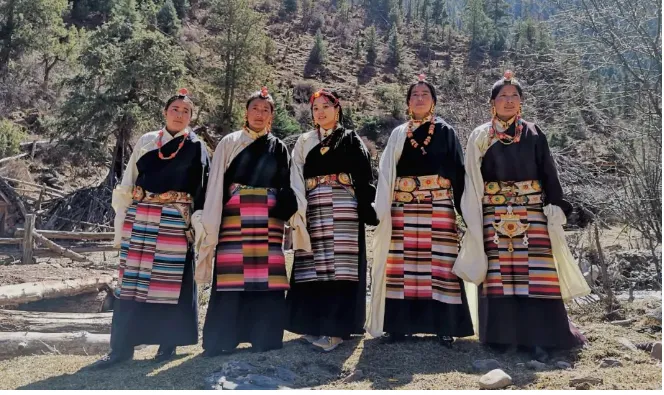
The common holy site of Tibetan Buddhism and Hinduism: Gon Rinpoche is regarded as the ‘center of the world’, and the tradition of climbing the mountain has continued for 1,400 years. The locals believe that the climb is a provocation to the gods and that “every stone is a living scripture”.
Legend of living sacrifice: In the last century, an Indian explorer attempted to climb the mountain, but died in a strange way on the way down, and the Tibetans firmly believe that this is the “mountain god’s punishment”.
The double seal of government bans: both China and India explicitly prohibit climbing, and India has even put violators on an international wanted list for “desecration of a Hindu holy site”.
Historical bloodshed: ambitions that disappeared in the snow and ice
First ascent attempt in 1954: a CAS research team was stranded by a blizzard and eventually froze to death at the foot of the mountain, their remains have not been superseded for burial.
Crazy in the 1980s: Japanese adventurers attempted to airdrop equipment from a helicopter, but lost control of the airflow and crashed on a glacier, the wreckage of which stings the ridges to this day.
‘Suicide Climb’ 2016: a Spaniard climbed alone in -40 °C, with his last friend’s message reading: ‘My fingers are frozen, but the mountain is still laughing at me.’
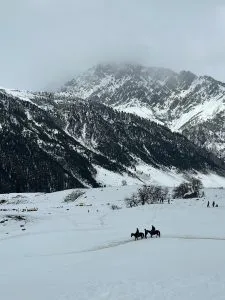
Nature’s ultimate taunt: you think you’ve conquered the mountain, but it’s the mountain that’s conquered you.
The pitfalls of glacier crevasses: the seemingly flat ice surface hides numerous crevasses underneath, which can lead to a ten-thousand-meter plunge into the abyss if you’re not careful.
Cataract Storm: Winds gusting at 200 kilometers per hour wrapped in ice crystals can instantly penetrate a cold suit, and exposed skin will freeze to a purple-black color within 10 minutes.
Plateau cerebral edema: over 80% of climbers experience blurred consciousness and hallucinations, with some laughing at the cliffs and others kneeling down and muttering “I’ve seen Buddha”.
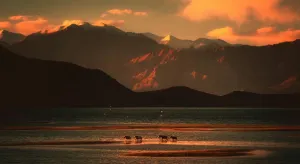
What should we remember?
Kailash has never rejected pious pilgrims, but it has rejected the ambitions of conquerors in the cruelest way.
When modern people are obsessed with ‘clocking’ and ‘conquering’, perhaps it is more necessary to learn to be reverent-some heights are destined to remain in legend. It’s not the mountains we have to conquer but ourselves.
Kailash unclimbable is not a ban, it’s a gentle warning from the mountain to mankind.
May we always retain our humility towards nature.
If you too had stood at the foot of Kailash, what would you have wanted to say to the mountain?
———————————————————————————————————————————————————————
Tips on how to get around the mountain
Best time: June-September (summer mountaineering, mild climate, wildflowers in full bloom);
Winter mountaineering (November-March): you can view the sun-shining gold mountain of Gonzaga, but you need extremely cold equipment (below -30℃).
Avoid the rainy season (July-August): rain and snow are prone to cause flash floods or glacier collapse.
Travel Tips
Highly reactive: Take Rhodiola rosea 7 days in advance, do not bathe or drink alcohol on the first day of arrival, and move slowly.Carry oxygen cylinders, inhale oxygen for 10 minutes every 2 hours, and avoid moving alone.
Cultural taboos: clockwise mountaineering: the whole process is prohibited to walk counterclockwise, shall not step on the scripture streamers, mani pile.
Taboos: Do not make noise, take pictures with the consent of the monks, forbidden to climb any rocks.
Principles of environmental protection: garbage with you, sealed bottles to take away after using water, to protect the fragile ecology.Respect local beliefs, do not photograph monks or pilgrims without permission.
Accommodation and food: Tarkin town: optional hotels or camping.
Road food: bring your own dry food, on the way through the stalls can buy ghee tea.
Safety instructions: Sudden weather changes: the weather in mountainous areas changes rapidly, prepare rain-proof punching jacket and warm clothes.
Risk of heat loss: even in summer, you need to wear a fleece jacket to avoid the wind after sweating.
Complicated road conditions: no signal on some roads, download offline maps.