Introduction
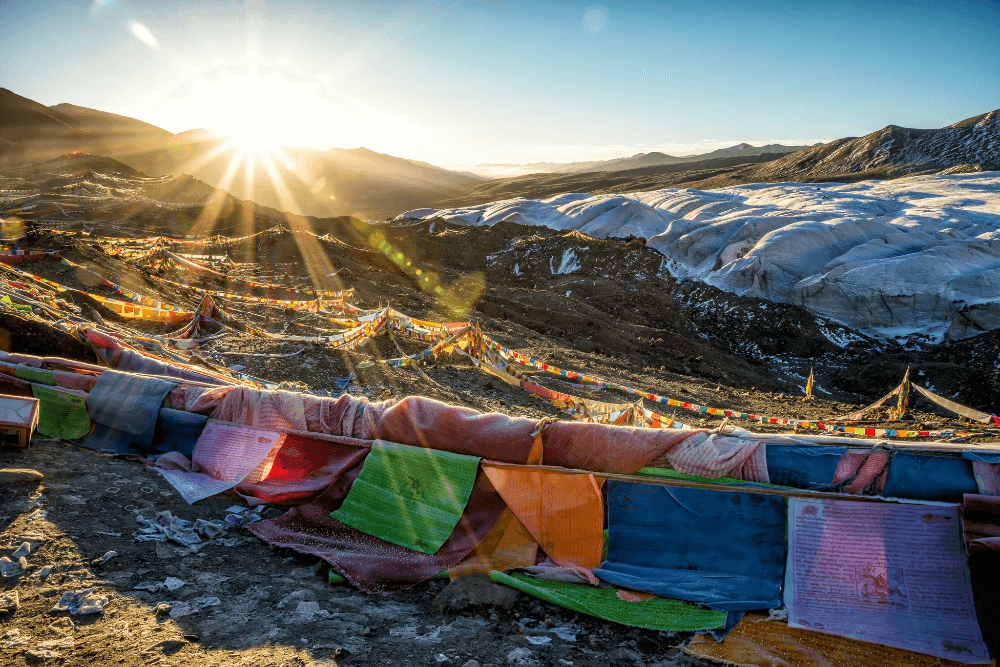
Tibetan prayer flags are more than just colorful pieces of fabric fluttering in the wind; they embody centuries of cultural and spiritual significance. These flags, often seen strung across mountain passes or hung outside homes, serve as a medium for spreading goodwill and compassion throughout the world. Understanding Tibetan prayer flags means delving into their rich history, symbolism, and the profound Buddhist prayer flags meaning that resonates deeply with practitioners.
Understanding Tibetan Prayer Flags
At first glance, Tibetan prayer flags might appear to be simple decorations, but they carry a weighty purpose rooted in ancient traditions. The vibrant colors and intricate symbols are not arbitrary; each element is imbued with meaning, reflecting various aspects of Tibetan spirituality and the interconnectedness of life. Many wonder: Is it okay to have Tibetan prayer flags? The answer is yes—they can be a beautiful way to connect with nature and promote positive energy in your surroundings.
Origins and Cultural Significance
The origins of Tibetan prayer flags can be traced back to ancient shamanistic practices before Buddhism took root in Tibet. As Buddhism spread through the region, these flags evolved into powerful tools for spiritual expression and communal unity. They represent prayers for peace, health, and happiness—essentially encapsulating what Buddhist prayer flags mean: a bridge between humans and divine energies.
The Spiritual Role of Prayer Flags
The spiritual role of these colorful banners extends beyond mere decoration; they are believed to carry blessings on the wind as they flutter outdoors. When hung properly—often at high altitudes or near sacred sites—they allow prayers to be released into the environment, benefiting all beings who encounter them. So what do you do with Buddhist prayer flags? Simply display them respectfully in places where their messages can resonate widely; after all, where you hang a Buddhist prayer flag matters just as much as its design.
The History of Tibetan Prayer Flags
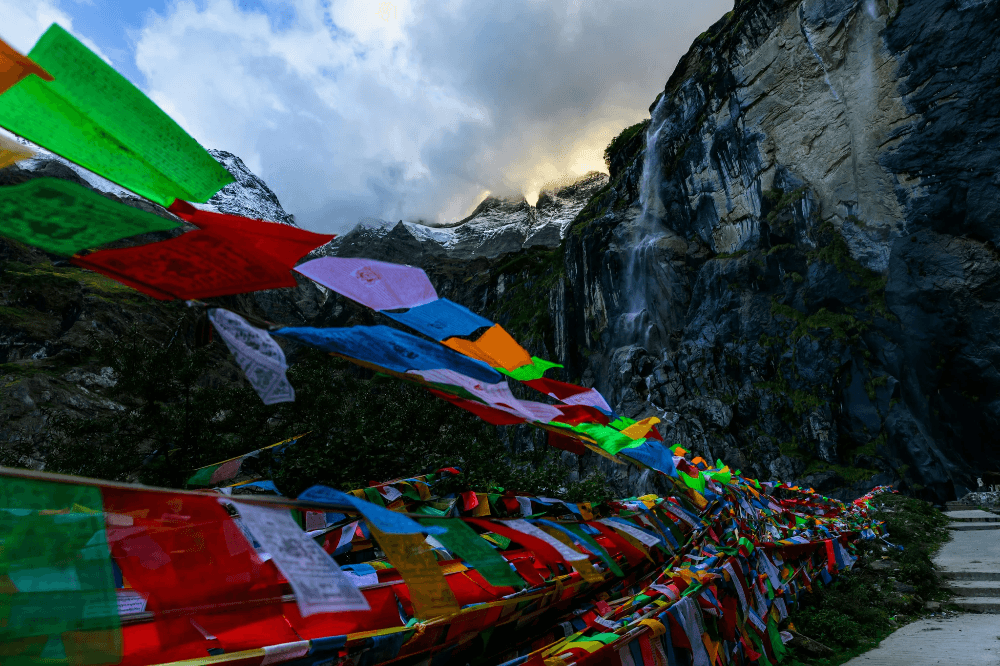
Tibetan prayer flags have a rich and storied history that intertwines with the ancient traditions of Tibet and the profound influence of Buddhism. These colorful pieces of cloth serve not only as decorative elements but also as vessels for prayers, intentions, and blessings. To truly grasp their significance, we must delve into the ancient roots and evolving practices surrounding these vibrant symbols.
Ancient Traditions and Texts
Long before Buddhism made its way to Tibet, local traditions were already steeped in spiritual practices that involved flag-like objects used for invoking blessings from deities. Ancient texts describe how early practitioners would hang flags inscribed with prayers to harness the power of nature and promote harmony within their surroundings. These early forms laid the groundwork for what we now recognize as Tibetan prayer flags, which carried forward this sacred intention into a more structured practice.
Influence of Buddhism on Prayer Flags
The arrival of Buddhism in Tibet brought a wave of new ideas, rituals, and symbols that deeply influenced Tibetan culture, including prayer flags. With Buddhist teachings emphasizing compassion and interconnectedness, the Buddhist prayer flags meaning evolved to reflect these values by serving as tools to spread goodwill through the wind. As practitioners began to incorporate mantras and sacred symbols onto their flags, they transformed into powerful reminders of spiritual aspirations meant to benefit all sentient beings.
Evolution Over Time
Over centuries, Tibetan prayer flags have undergone significant changes in design, purpose, and materials used in their creation. Initially crafted from natural fibers like cotton or silk, modern versions may include synthetic materials while still retaining their spiritual essence. Today’s practitioners often ponder questions like Is it okay to have Tibetan prayer flags? or What do I do with Buddhist prayer flags? as they seek guidance on how best to honor this tradition while adapting it to contemporary contexts—whether hanging them outdoors or incorporating them into home decor.
The Buddhist Prayer Flags Meaning
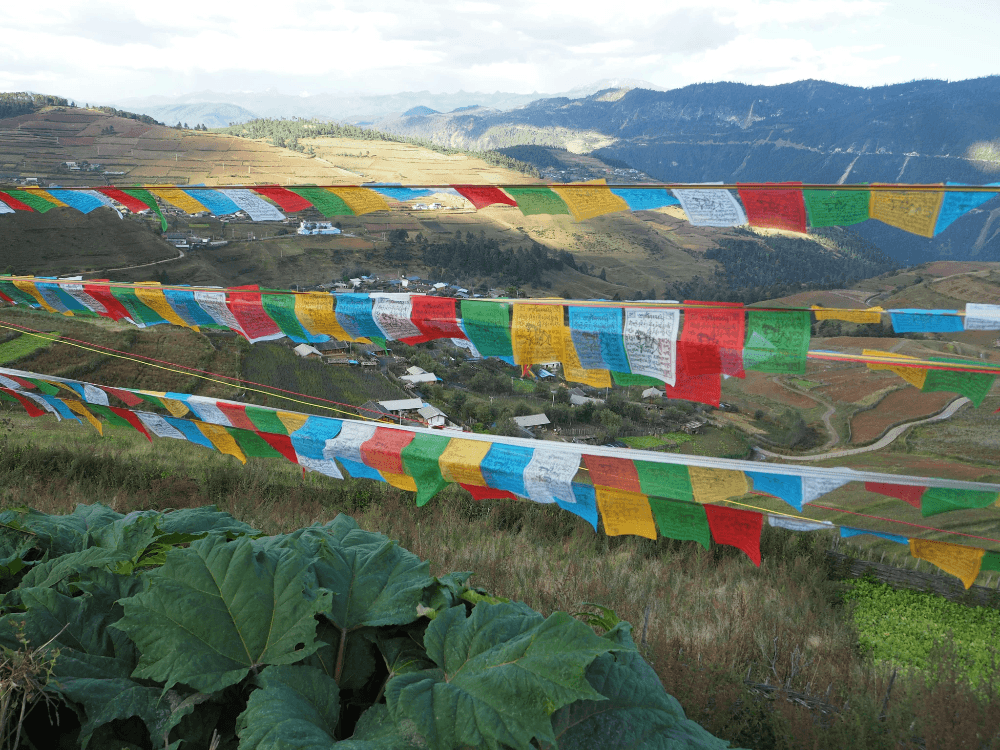
Tibetan prayer flags hold profound significance within Buddhist culture, serving as a bridge between the earthly and spiritual realms. These colorful pieces of cloth are not merely decorative; they embody a rich tapestry of beliefs and intentions that resonate deeply with Tibetan spirituality. Understanding the Buddhist prayer flags meaning can enhance our appreciation for their role in promoting peace, compassion, and harmony.
Symbols and Colors Explained
The fabric of Tibetan prayer flags is adorned with various symbols and colors, each carrying its own unique meaning. Traditionally, there are five colors—blue, white, red, green, and yellow—representing the elements: sky, air, fire, water, and earth respectively. These vibrant hues are not just for aesthetics; they serve to invoke positive energies into the environment while spreading goodwill through the wind.
Moreover, each flag often features images or mantras that reinforce their spiritual purpose. For instance, you might see representations of deities or sacred symbols like the Om Mani Padme Hum mantra—a powerful invocation of compassion in Buddhism. When discussing what to do with Buddhist prayer flags after understanding their meanings, one should consider hanging them in places where they can flutter freely in the wind to release their blessings into the atmosphere.
Relationship to Tibetan Spirituality
The relationship between Tibetan prayer flags and spirituality is intricate and deeply rooted in tradition. They symbolize the interconnectedness of all beings; when these flags flap in the breeze, they are believed to carry prayers for health and happiness across vast distances. This connection fosters a sense of unity among practitioners who believe that every flutter sends positive energy into the world.
Tibetan spirituality emphasizes mindfulness and intention behind actions—hence why many ask themselves: Is it okay to have Tibetan prayer flags? The answer is a resounding yes! As long as one respects their cultural significance and uses them mindfully within appropriate contexts.
The Power of Prayer and Intention
At its core, the power of prayer combined with intention lies at the heart of what makes Tibetan prayer flags so special. Each flag serves as a reminder that our thoughts can shape our reality; thus placing sincere intentions behind prayers on these flags amplifies their effectiveness. Many practitioners believe that by hanging these colorful pieces strategically—like on balconies or at sacred sites—they create an energetic field that promotes healing and positivity.
When considering where to hang a Buddhist prayer flag for maximum impact, think about spaces where people gather or areas needing some extra good vibes! Whether it’s your garden or a peaceful corner in your home, remember that it’s not just about aesthetics but also about channeling those meaningful vibrations into everyday life.
Types of Tibetan Prayer Flags
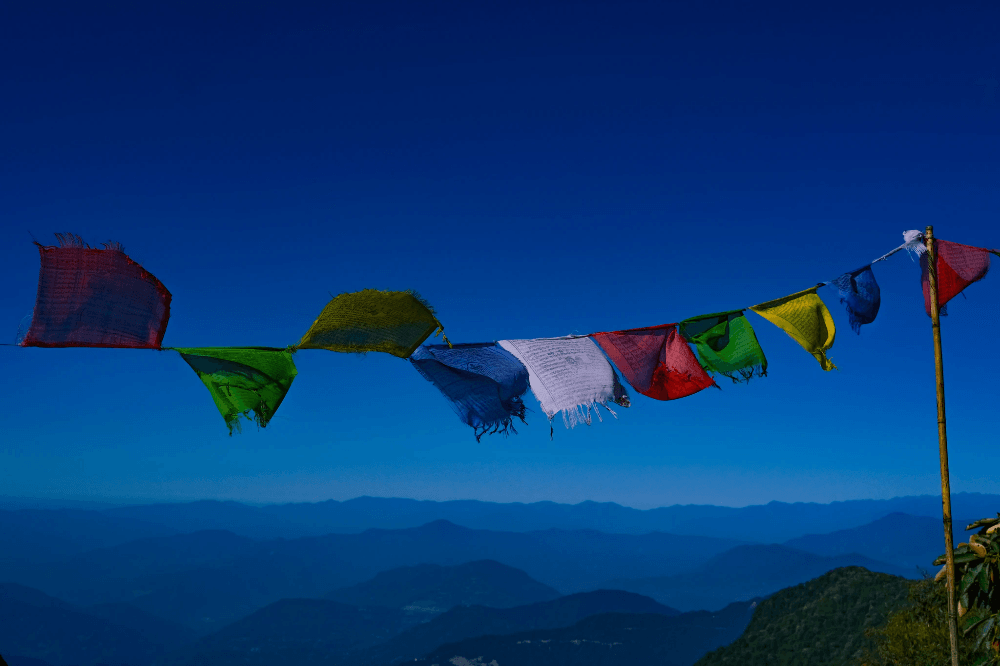
Tibetan prayer flags come in a variety of forms, each serving unique purposes and embodying distinct meanings. Understanding these types not only enhances our appreciation for their cultural significance but also deepens our connection to the spiritual practices they represent. Whether you’re curious about the **buddhist prayer flags meaning** or pondering where to hang a Buddhist prayer flag, this section will illuminate your path.
Horizontal vs. Vertical Flags
The most recognizable Tibetan prayer flags are the horizontal ones, often strung between two poles or trees, fluttering gracefully in the wind. These flags typically feature a series of colorful panels that display various mantras and symbols meant to spread blessings and goodwill throughout the environment. On the other hand, vertical flags, which are less common but equally significant, are often used for specific rituals and can be placed at sacred sites or shrines.
So, what’s the difference? While horizontal flags focus on communal blessings through their widespread visibility, vertical flags may serve more individual purposes or mark specific spiritual locations. Regardless of orientation, both types carry profound **buddhist prayer flags meaning**, inviting positive energy into our lives.
Different Flags for Different Purposes
Not all Tibetan prayer flags are created equal; they come with varying intentions behind them. For instance, some flags are dedicated specifically to health and well-being, while others might focus on prosperity or protection from harm. This diversity allows practitioners to tailor their use of prayer flags based on personal needs and goals.
If you’re wondering what to do with Buddhist prayer flags once you acquire them, consider your intentions when selecting which type to display! The five main categories include those for peace (white), strength (red), compassion (green), wisdom (yellow), and long life (blue). Each color corresponds with specific elements and energies that resonate deeply within Tibetan spirituality.
The Role of Lung ta, the Wind Horse
At the heart of many Tibetan prayer flag designs is Lung ta—the Wind Horse—symbolizing speed and freedom as it carries prayers into the universe when caught by the wind. This mythical creature represents not just physical movement but also spiritual elevation; it acts as a conduit between human wishes and divine fulfillment. When you hang a Buddhist prayer flag featuring Lung ta imagery, you’re essentially sending your prayers soaring high into the cosmos!
Is it okay to have Tibetan prayer flags? Absolutely! Just remember that proper placement is crucial; ideally hang them in areas where they can catch wind easily—like balconies or open spaces—to maximize their effect. By honoring these traditions while embracing their rich **buddhist prayer flags meaning**, we create a harmonious relationship with nature that fosters spiritual reflection.
How to Properly Use Prayer Flags
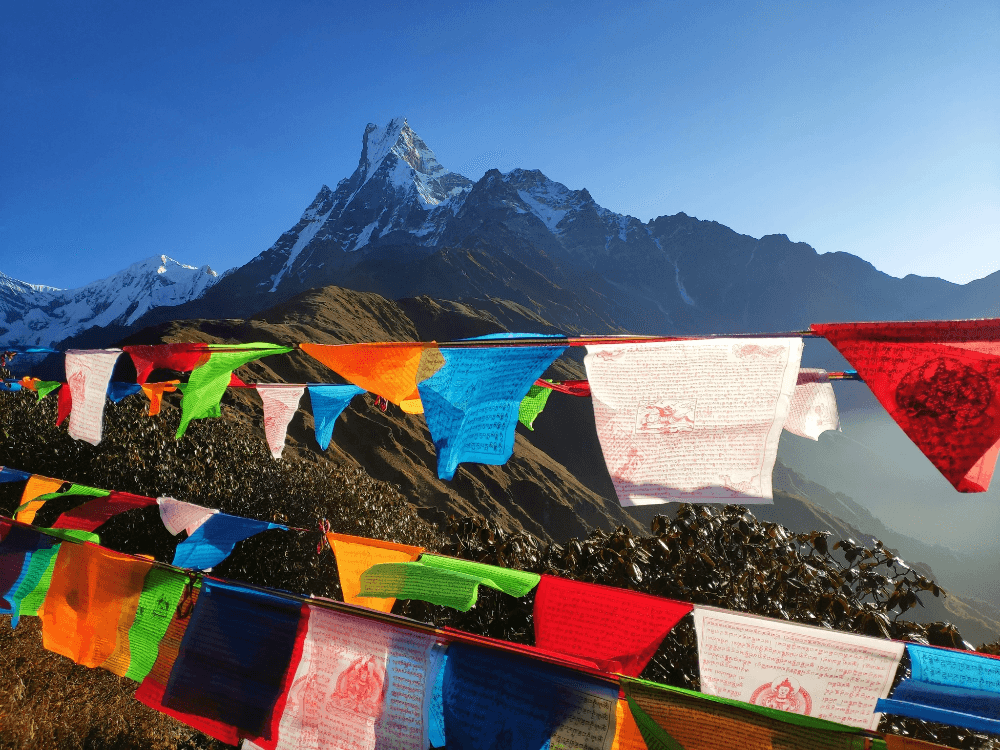
Tibetan prayer flags are not just decorative pieces; they carry profound spiritual significance. Understanding the proper use of these flags is essential to honor their cultural roots and the Buddhist prayer flags meaning. Whether you’re a seasoned practitioner or a curious newcomer, knowing how to engage with these vibrant textiles can deepen your connection to Tibetan traditions.
Placement and Positioning
The placement of your Tibetan prayer flags is crucial for them to serve their intended purpose effectively. Traditionally, they are hung in high places such as rooftops, mountain tops, or trees where the wind can easily catch them, allowing the prayers and blessings to spread throughout the environment. So, if you’re wondering where do you hang a Buddhist prayer flag? The answer lies in choosing elevated spots that let them flutter freely in the breeze.
When positioning your flags, consider placing them facing eastward; this direction is believed to invite positive energy and auspiciousness into your life. Additionally, ensure that they are not obstructed by other structures or objects that could hinder their movement—after all, movement symbolizes the flow of energy and intention inherent in the Buddhist prayer flags meaning. If it’s okay to have Tibetan prayer flags indoors, consider hanging them near windows or doors where they can still catch some airflow.
Rituals and Offerings
Engaging with Tibetan prayer flags often involves rituals and offerings that enhance their spiritual potency. Before hanging your flags, many practitioners recommend performing a small ceremony or blessing—this could involve chanting mantras or setting intentions for peace and compassion while focusing on what you hope to manifest through these symbols. What to do with Buddhist prayer flags? You might also consider offering food items like rice or fruits at the base of where you place them as a gesture of gratitude.
Another meaningful practice is changing out your old flags regularly; this signifies renewal and allows fresh intentions to take flight with new colors waving in the wind. When replacing old ones, it’s respectful to dispose of them properly—burning is a common method as it releases their energy back into nature while honoring their significance within Tibetan spirituality. Remember that each time you interact with these beautiful textiles, you’re participating in an ancient tradition filled with rich symbolism.
Maintenance and Respect
To maintain your Tibetan prayer flags’ vibrancy and meaning over time requires some care but also respect for what they represent. Regularly check for wear-and-tear from weather elements like rain or sun; frayed edges are common but signify that they’ve fulfilled their purpose well! If necessary, replace worn-out flags promptly so that new prayers can take flight without delay.
Respect also extends to how we view these colorful banners—they should never be used as mere decorations devoid of context or reverence for their cultural significance. Keep in mind that understanding what are the five Buddhist flags can enrich your appreciation for each flag’s unique role within this tapestry of tradition—as each color represents different aspects like wisdom (blue), compassion (white), love (red), strength (green), and joy (yellow).
In conclusion, whether you’re asking yourself Is it okay to have Tibetan prayer flags? or pondering how best to incorporate them into your life spiritually, remember that intentionality matters most when using these sacred symbols.
Tibetan Prayer Flags in Modern Culture
Tibetan prayer flags have transcended their traditional roots, captivating the hearts of people worldwide. Their vibrant colors and spiritual significance have made them a popular decorative element in various cultures, often symbolizing peace and harmony. As curiosity grows around the **buddhist prayer flags meaning**, many find themselves drawn to these beautiful pieces of fabric that carry deep-rooted cultural narratives.
Popularity Beyond Tibet
The allure of Tibetan prayer flags has spread far beyond the Himalayan region, with many individuals embracing them in their daily lives. People from diverse backgrounds often ask, Is it okay to have Tibetan prayer flags? The answer is generally yes, as long as they are treated with respect and understanding of their spiritual significance. This growing popularity reflects a broader interest in spirituality and mindfulness practices that resonate deeply with contemporary lifestyles.
Incorporation in Art and Home Decor
Artists and interior designers frequently incorporate Tibetan prayer flags into their work, celebrating both their aesthetic appeal and symbolic depth. From wall hangings to garden decorations, these flags add a touch of tranquility to any space while inviting contemplation on what to do with Buddhist prayer flags beyond mere decoration. Whether draped across a living room or strung between trees in a backyard, they serve as reminders of hope and positivity amid our fast-paced lives.
Cultural Appropriation vs. Appreciation
As interest in Tibetan culture grows, discussions about cultural appropriation versus appreciation become increasingly relevant. While many enjoy displaying these colorful banners for their beauty, it’s essential to consider the **buddhist prayer flags meaning** behind them—understanding their origins can foster genuine appreciation rather than superficial use. Engaging respectfully with this tradition involves recognizing its roots and honoring its significance; for example, knowing where to hang a Buddhist prayer flag can enhance its intended purpose of spreading good wishes carried by the wind.
Conclusion
In exploring the vibrant world of Tibetan prayer flags, we’ve uncovered a rich tapestry woven from threads of spirituality, culture, and history. These flags are not merely decorative; they serve as a profound means of connecting with both the divine and the natural world. Embracing Tibet’s rich cultural heritage allows us to appreciate the intricate meanings behind these colorful symbols, enriching our own spiritual journeys.
Embracing Tibet’s Rich Cultural Heritage
Understanding the Buddhist prayer flags meaning is essential for anyone wishing to incorporate them into their lives respectfully. These flags carry prayers and blessings that are intended to be carried by the wind, spreading goodwill and compassion throughout the world. So, is it okay to have Tibetan prayer flags? Absolutely! Just remember to honor their significance by placing them thoughtfully in your home or garden.
The Mystical Connection to Nature
Tibetan prayer flags create a mystical connection between humanity and nature, reminding us that we are part of something greater than ourselves. When hung in open spaces where they can flutter freely in the wind, they symbolize our hopes and intentions being released into the universe. If you’re wondering where do you hang a Buddhist prayer flag? Look for high places like rooftops or trees—any spot where they can dance with the breeze will do!
A Journey of Spiritual Reflection with GuideTibet
As you embark on your journey of spiritual reflection with GuideTibet, it’s essential to understand what to do with Buddhist prayer flags once you have them. Whether you’re using them during meditation or simply enjoying their beauty in your home decor, these vibrant pieces can enhance your spiritual practice significantly. Plus, learning about what are the five Buddhist flags can deepen your appreciation for this tradition while fostering a sense of connection that transcends borders.