Introduction

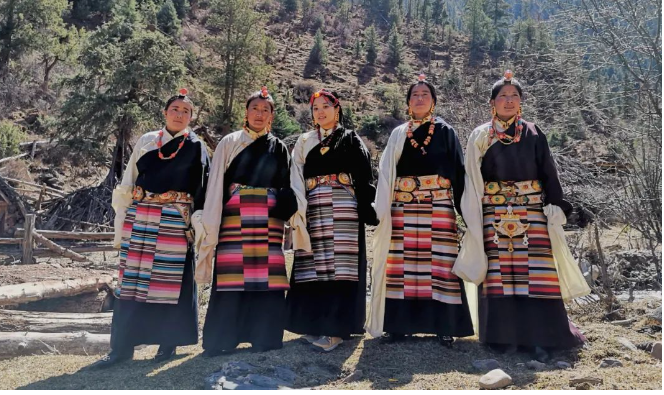
Tibetan culture is a vibrant tapestry woven from centuries of history, spirituality, and resilience. To truly grasp the essence of a Tibetan person is to delve into their unique worldview, which is intricately connected to their traditions and environment. This exploration invites us not only to appreciate what makes Tibetan people special but also to engage with the pressing questions surrounding their identity in a modern context.
Unveiling Tibetan Perspectives on Culture
The rich cultural heritage of Tibet offers profound insights into how Tibetan people perceive life and existence. From the majestic mountains that cradle their homeland to the spiritual practices that define their daily routines, every aspect of Tibetan life reflects a deep-rooted connection to both nature and community. It prompts us to ask: Are Tibetans considered Chinese? This question often arises in discussions about identity, revealing the complexities that underpin Tibetan culture.
The Essence of Tibetan Life
At the heart of Tibetan life lies an unwavering commitment to tradition and community, where family structures play pivotal roles in shaping individual identities. The daily rhythms are infused with rituals that honor both ancestors and nature, creating a sense of belonging among Tibetans. Furthermore, one might wonder: Are Tibetan men tall? While height varies among individuals like anywhere else, it’s the spirit and warmth of these people that truly defines what is special about them.
Understanding Tibetan Identity
Understanding what it means to be a Tibetan person involves navigating through layers of history and contemporary challenges. Questions like Does Tibet belong to China? highlight ongoing debates about sovereignty and cultural preservation within the global landscape. By embracing these complexities, we can better appreciate how Tibetan culture not only survives but thrives amidst change—an inspiring testament to human resilience.
The Rich Tapestry of Tibetan Culture
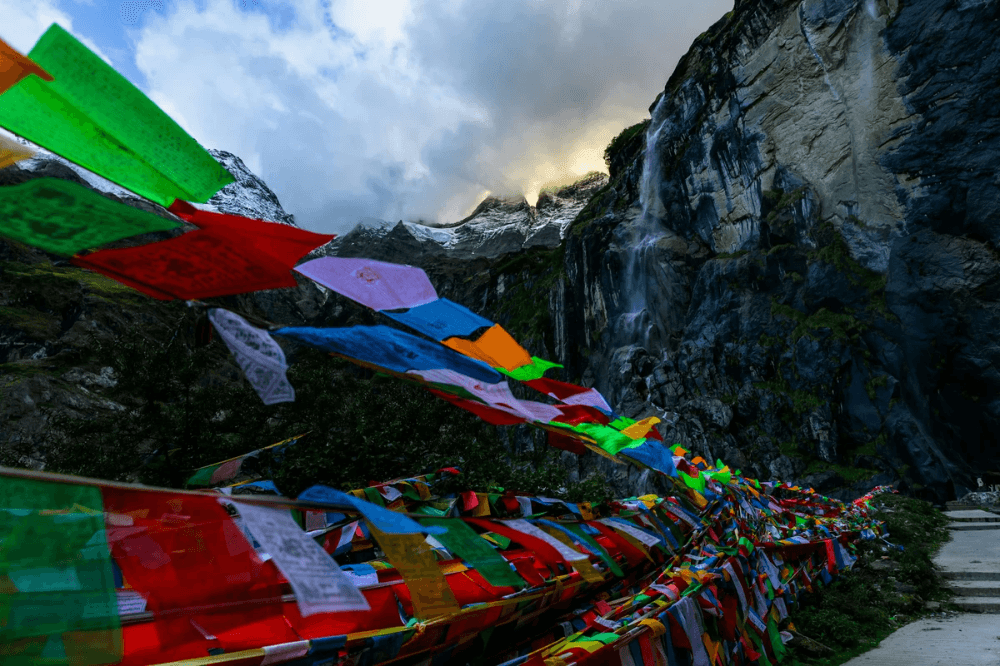
Tibetan culture is a vibrant mosaic woven from centuries of history, spirituality, and community life. Each thread represents the unique experiences of Tibetan people, showcasing traditions that have stood the test of time despite external pressures. This rich tapestry reflects not only their identity but also their resilience in preserving what makes them special.
Insights into Tibetan Traditions
Tibetan traditions encompass a diverse range of practices that reflect the deep spiritual beliefs and communal values held by Tibetan people. From intricate thangka paintings to traditional music and dance, every aspect serves as a window into the soul of Tibet. These traditions are often steeped in religious significance, with many rituals designed to foster harmony between individuals and the universe.
One fascinating element is how these traditions vary across regions and communities, leading to an array of local customs that enrich Tibetan culture further. For instance, while some areas celebrate unique festivals distinct to their locale, others may share similar practices but with different interpretations or flavors—showing just how dynamic Tibetan life can be! Such diversity raises questions like “Are Tibetans considered Chinese?” as it highlights their distinct identity amid broader national narratives.
Festivals and Their Significance
Festivals play a pivotal role in uniting Tibetan communities while celebrating cultural heritage through joyous gatherings filled with music, dance, and feasting. Major festivals such as Losar (Tibetan New Year) are marked by vibrant celebrations where families come together to honor ancestors and set intentions for the year ahead. These events not only reinforce social bonds but also serve as vital expressions of what is special about Tibetan people—their unwavering spirit and connection to tradition.
Another noteworthy festival is Saga Dawa, commemorating Buddha’s birth, enlightenment, and passing away; it illustrates the profound spiritual beliefs that permeate everyday life for many Tibetans. During this time, you might see hundreds of pilgrims making kora (circumambulation) around sacred sites—a practice deeply embedded in their spirituality! Such festivities offer outsiders a glimpse into how intertwined spirituality is with cultural expression in Tibetan society.
Everyday Life of Tibetan People
Everyday life for a typical Tibetan person often revolves around community ties and agricultural rhythms shaped by the rugged landscape they inhabit. Many families engage in farming or herding livestock, which provides sustenance while fostering strong connections among neighbors who rely on one another for support—an embodiment of communal living that defines much of Tibetan culture today! The importance placed on family structures ensures that cultural values are passed down through generations.
In urban areas like Lhasa or Shigatse, modern influences blend seamlessly with traditional lifestyles; however, even city dwellers maintain ties to rural roots through festivals or family gatherings that celebrate their heritage. Questions such as “Are Tibetan men tall?” often arise from perceptions shaped by geographic isolation—yet height aside; it’s clear that character shines brighter than stature among these resilient individuals! As globalization continues to impact daily routines across Tibet—whether through technology or tourism—the essence remains: an enduring commitment to preserving their unique cultural identity amidst change.
The Unique Worldview of a Tibetan Person
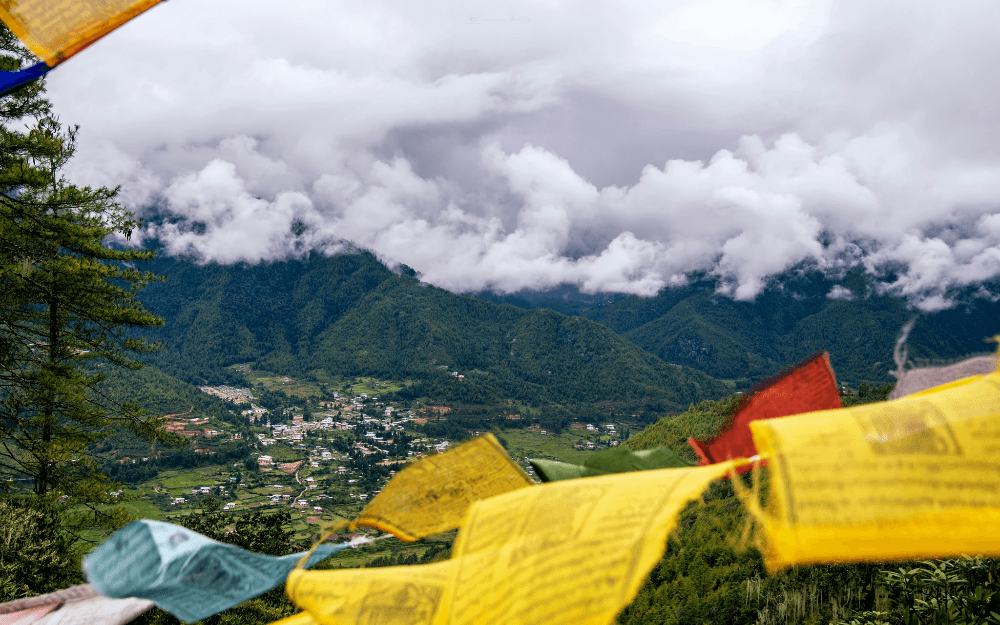
Tibetan culture is steeped in a unique worldview that shapes the lives of Tibetan people in profound ways. Central to this perspective is a deep-rooted spirituality that influences everyday choices, relationships, and even the environment. This spiritual lens not only defines Tibetan identity but also fosters a sense of community that stands out in today’s rapidly changing world.
Spiritual Beliefs and Practices
Spiritual beliefs are at the heart of Tibetan life, with Buddhism playing a significant role in shaping values and practices. The teachings of compassion and mindfulness guide the actions of a Tibetan person, making them more attuned to their surroundings and each other. What is special about Tibetan people is their ability to integrate these spiritual principles into daily routines, from morning prayers to community rituals that honor their ancestors.
Rituals often involve colorful ceremonies filled with music, dance, and offerings that reflect both devotion and celebration. These practices reinforce social bonds among families and communities while providing comfort during challenging times. Such spiritual richness leads many to wonder: Are Tibetans considered Chinese? While political affiliations may vary, it’s essential to recognize how spirituality distinctly shapes Tibetan identity.
Connection to Nature and Environment
A Tibetan person typically possesses an intrinsic connection to nature that goes beyond mere appreciation; it’s woven into the very fabric of their existence. The majestic Himalayas are not just a backdrop but are revered as sacred entities reflecting the divine spirit within all things. This profound relationship with the environment instills a sense of responsibility among Tibetans towards conservation efforts—after all, does Tibet belong to China? Many would argue that its natural beauty is an irreplaceable heritage deserving protection.
The landscape serves as both inspiration for art and as a source for sustenance; traditional practices often emphasize sustainable living methods harmonizing with nature rather than exploiting it. The mountains’ towering presence reminds every Tibetan person about their roots and responsibilities toward Mother Earth—a philosophy increasingly relevant in our globalized world where environmental concerns loom large.
Community and Family Structures
Community plays an indispensable role in shaping the identity of Tibetan people; family ties are strong, often extending beyond immediate relatives to encompass entire neighborhoods or villages. A typical family structure includes multiple generations living together under one roof—a practice fostering mutual support while keeping traditions alive through storytelling and shared experiences. Are Tibetan men tall? While height varies like anywhere else, it’s their stature within families—often seen as protectors—that truly defines them.
Social gatherings revolve around festivals or communal activities where everyone pitches in—be it preparing food or participating in traditional dances—which strengthens bonds among community members. This interconnectedness not only enriches individual lives but also creates resilience against external pressures such as globalization or political turmoil affecting Tibet today. Ultimately, understanding these dynamics helps us appreciate what makes being part of this vibrant culture so special.
Debunking Common Myths about Tibetans

When it comes to understanding Tibetan culture and identity, a few myths often cloud the truth. These misconceptions can lead to confusion about who Tibetans are, their rich history, and their unique perspectives on life. Let’s set the record straight on some of the most common myths surrounding Tibetan people.
Are Tibetans Considered Chinese?
The question Are Tibetans considered Chinese? is a complex one that often stirs debate. While Tibet is an autonomous region within China, Tibetan people maintain a distinct cultural and ethnic identity separate from Han Chinese citizens. Many Tibetans view themselves as part of a unique cultural heritage that predates modern political boundaries, emphasizing their own customs, language, and traditions that define Tibetan life.
What Is Special About Tibetan People?
What is special about Tibetan people? This question invites exploration into the heart of what makes them unique in the broader tapestry of human experience. From their deep-rooted spiritual beliefs to their communal way of living, Tibetan culture thrives on values like compassion and interconnectedness with nature—a perspective that distinguishes them from many other cultures around the world.
Does Tibet Belong to China?
The question Does Tibet belong to China? opens up discussions about sovereignty, culture, and history. While the Chinese government asserts its claim over Tibet as part of its territory, many argue that this assertion overlooks centuries of Tibetan autonomy and cultural richness. The ongoing conversations surrounding this issue highlight not just political tensions but also a profound respect for Tibetan identity and its contributions to global diversity.
The Role of Language in Tibetan Identity

Language is the heartbeat of any culture, and for Tibetan people, it is a vital thread that weaves together their rich tapestry of identity and tradition. The Tibetan language, with its unique script and dialects, serves not only as a means of communication but also as a vessel for centuries-old customs and beliefs. Understanding the nuances of this language reveals much about what is special about Tibetan people and their way of life.
Tibetan Language and Its Variations
Tibetan language boasts a variety of dialects that reflect the diverse geographical regions inhabited by Tibetan people. From the central dialect spoken in Lhasa to the Khampa dialect found in eastern Tibet, each variation offers insights into local customs and lifestyles. This linguistic diversity showcases how language can shape identity, prompting questions such as Are Tibetans considered Chinese? as they navigate their unique cultural landscape amidst broader national narratives.
Preservation of Culture Through Language
The preservation of Tibetan culture hinges significantly on its language; it carries historical texts, religious scriptures, and oral traditions that are critical to understanding Tibetan life. Efforts to promote literacy in the Tibetan language have become increasingly important in maintaining this cultural heritage against external pressures. As globalization spreads rapidly across borders, ensuring that future generations grasp the richness embedded within their native tongue becomes essential to celebrating what is special about Tibetan people.
Influence of Language on Tibetan Life
Language profoundly influences everyday interactions among Tibetans, shaping social structures and community bonds. For instance, traditional greetings or expressions often reflect deep respect for nature and spirituality—core tenets within Tibetan culture—enhancing communal ties among families and neighbors alike. Moreover, discussions surrounding whether Does Tibet belong to China? often arise from misunderstandings rooted in linguistic differences that further complicate identity issues for many Tibetans today.
The Modern Dynamics of Tibetan Culture
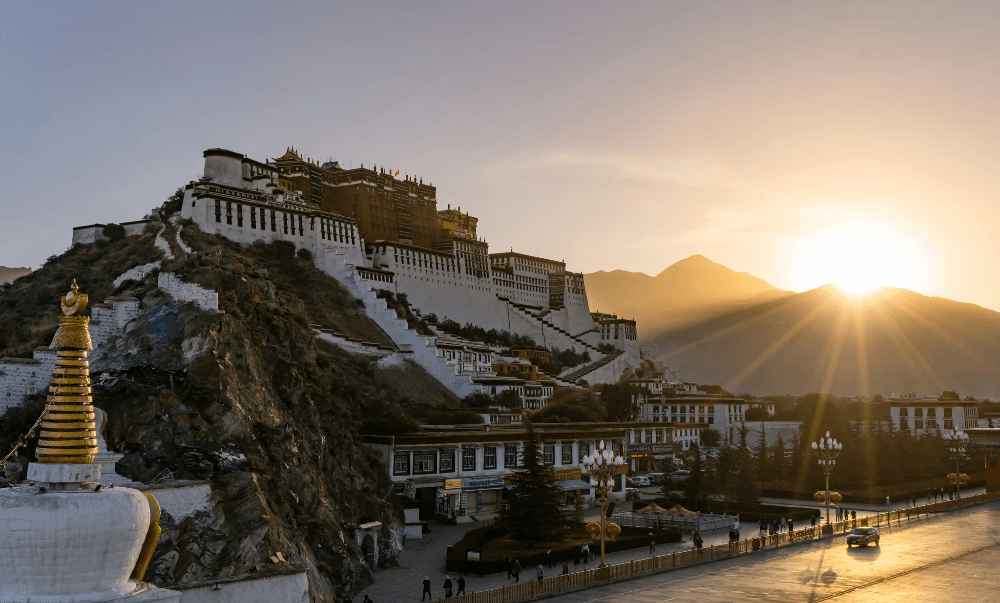
Tibetan culture is continually evolving, balancing its rich traditions with the demands of modern life. In this dynamic landscape, Tibetan people are navigating a world that often pressures them to adapt while striving to maintain their unique identity. The fusion of tradition and modernity is not just a survival tactic; it’s a vibrant expression of what makes Tibetan life so special.
Fusion of Tradition and Modernity
In contemporary Tibet, one can observe a fascinating blend of ancient customs with modern influences. While traditional practices like prayer flag hanging and butter lamp lighting remain integral to Tibetan culture, many Tibetan people also embrace technology, using smartphones and social media to connect globally. This duality enriches their cultural tapestry, allowing them to share what is special about Tibetan people while also learning from others.
Moreover, the younger generation plays a pivotal role in this fusion by incorporating traditional art forms into modern mediums such as digital design or contemporary dance. They are not just passive recipients but active participants in shaping the future of Tibetan culture. Through art exhibitions and music festivals that celebrate both heritage and innovation, they demonstrate that being a Tibetan person today means honoring the past while looking forward.
Contributions of Tibetan Men and Women
Tibetan men and women contribute significantly to their communities through various roles that reflect both tradition and modernity. Traditionally known for their resilience in pastoral lifestyles or monastic roles, today’s Tibetan men are increasingly venturing into diverse fields such as education, healthcare, and entrepreneurship. This evolution raises questions like: Are Tibetans considered Chinese? The answer lies in recognizing their distinct cultural identity despite political complexities.
On the other hand, Tibetan women have historically played crucial roles in preserving family traditions while also stepping into leadership positions within community organizations. Their contributions range from weaving exquisite textiles to advocating for environmental sustainability in the face of climate change—showing us what is special about Tibetan people beyond mere stereotypes. By combining age-old wisdom with contemporary challenges, both genders are redefining what it means to live as a Tibetan person today.
The Impact of Globalization on Tibetan Society
Globalization has undeniably left its mark on Tibetans’ lives—both positively and negatively—altering how they interact with the world around them. On one hand, increased access to information has allowed for greater awareness about issues like whether Tibet belongs to China or not; on the other hand, it poses challenges related to cultural dilution as Western influences seep into everyday life. This tension presents an ongoing dialogue within communities about maintaining authenticity amidst external pressures.
Furthermore, globalization has opened doors for tourism that celebrates authentic aspects of Tibetan culture while also risking commodification—a double-edged sword for many local artisans who depend on visitors but wish for genuine appreciation rather than mere consumption. As we witness these changes unfold within society at large, we must ask ourselves: What does it mean for future generations? Will they uphold their rich heritage or become lost amid globalization’s rapid pace?
In conclusion, understanding how these dynamics shape contemporary Tibetan culture offers valuable insights into the resilience and adaptability inherent within this remarkable community.
Conclusion
Tibetan culture is a vibrant tapestry woven from centuries of tradition, spirituality, and resilience. Embracing the wisdom of Tibetan life means recognizing the unique perspectives that shape the identity of Tibetan people, from their deep-rooted spiritual beliefs to their harmonious relationship with nature. As we delve into the essence of what makes a Tibetan person special, we discover a world rich in history and profound insights.
Embracing the Wisdom of Tibetan Life
To truly appreciate Tibetan culture, one must engage with its core philosophies that emphasize compassion, mindfulness, and interconnectedness. These values are not just abstract concepts; they manifest in the daily lives of Tibetan people as they navigate both modern challenges and age-old traditions. By fostering a deeper understanding of these principles, we can learn to embrace our own lives with greater awareness and empathy.
Exploring the Future of Tibetan Culture
The future of Tibetan culture hangs delicately between preservation and adaptation. While questions like Are Tibetans considered Chinese? continue to spark debate, there is an undeniable strength among Tibetan men and women who strive to maintain their cultural heritage while engaging with global influences. As globalization reshapes societies worldwide, it will be fascinating to observe how Tibetan life evolves while still honoring its rich traditions.
Experiencing Tibet with GuideTibet
Experiencing Tibet through GuideTibet offers an unparalleled opportunity to connect with this extraordinary culture firsthand. Travelers can immerse themselves in local customs, witness vibrant festivals, and interact with warm-hearted Tibetan people who embody their rich heritage. Whether it’s exploring ancient monasteries or trekking through breathtaking landscapes, every moment spent in Tibet reveals something special about its enduring spirit.