Introduction
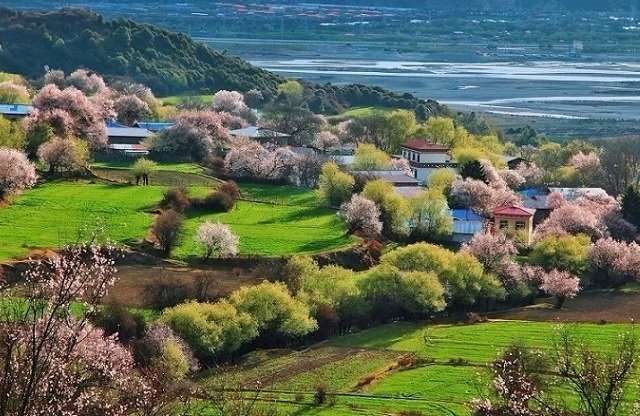
Welcome to the fascinating world of Tibetan ethnic culture, where ancient traditions and modern life intertwine to create a unique and vibrant community. In this exploration, we will delve into the rich tapestry of Tibetan people, unraveling their cultural identity and shedding light on their way of life.
As we embark on this journey, we’ll address the intriguing question: Are Tibetans Chinese people? We’ll delve into the historical and cultural background that shapes their ethnic identity and autonomy, as well as examine the modern challenges and perspectives they face in today’s world.
Understanding Tibetan People
To truly understand Tibetan culture, it’s essential to uncover what culture is truly Tibetan. We’ll uncover the rich traditions and customs that have been passed down through generations, explore the vibrant festivals and celebrations that bring communities together, and savor the arts, crafts, and cuisine that define their way of life.
Unveiling Tibetan Cultural Life
No exploration of Tibetan culture would be complete without delving into their spiritual beliefs. We’ll investigate whether Tibetan people are Buddhist, exploring their spiritual practices, monastic life, rituals, and how these influence their daily lives. Additionally, we’ll also explore whether there are influences from Hinduism in their religious diversity.
Now let’s embark on this enlightening journey to unravel the mysteries surrounding Tibetan ethnic culture!
Are Tibetans Chinese People?
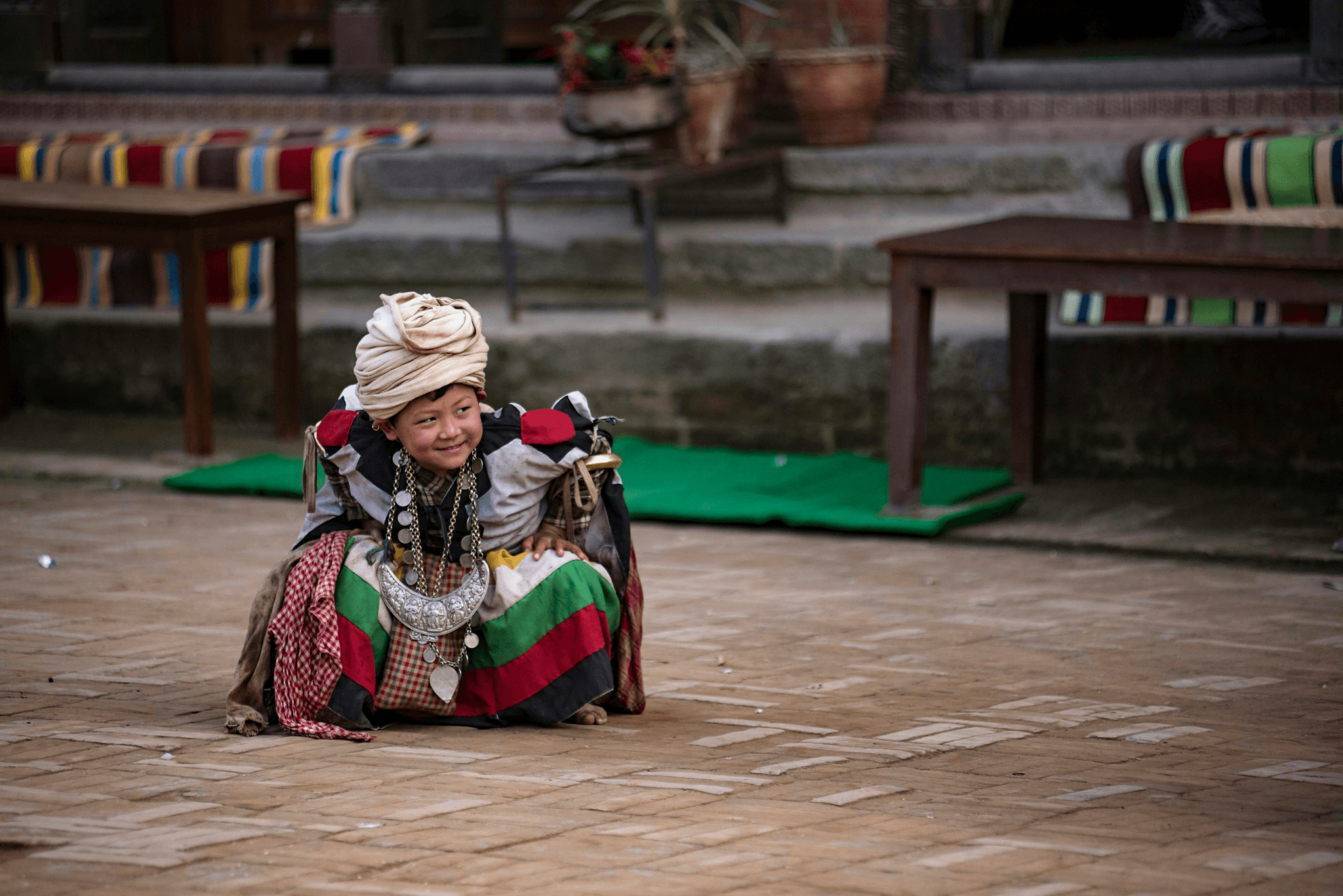
Tibetan ethnic identity has been a subject of debate for centuries, with historical and cultural background playing a crucial role in shaping the narrative. The rich tapestry of Tibetan culture, traditions, and language sets them apart from the Han Chinese majority, highlighting their unique heritage and autonomy.
Historical and Cultural Background
The historical ties between Tibetans and Chinese people date back to ancient times, with interactions influenced by trade, religion, and politics. However, the distinct Tibetan culture, including their language, customs, and religious practices, has remained resilient amidst external influences.
The distinct Tibetan culture has been shaped by centuries of interaction with Chinese civilization, resulting in a unique blend of traditions and practices. Despite these influences, Tibetans have fiercely guarded their cultural identity, preserving their language, customs, and religious beliefs. This resilience has allowed Tibetan culture to thrive and continue to be a source of pride for the Tibetan people.
Ethnic Identity and Autonomy
Tibetans have long sought autonomy to preserve their unique cultural identity in the face of Chinese rule. The struggle for recognition as a distinct ethnic group with its own traditions and beliefs has been an ongoing challenge in modern times.
Modern Challenges and Perspectives
In recent years, political tensions have complicated the relationship between Tibetans and the Chinese government. The push for greater autonomy continues to be met with resistance, leading to debates on cultural preservation versus assimilation.
As tensions persist, the Tibetan community faces the challenge of balancing traditional customs with modern influences. The younger generation is increasingly exposed to outside cultures and ideas, leading to a shift in values and norms. This cultural evolution has sparked discussions on how best to preserve Tibetan heritage while embracing the benefits of globalization.
What Culture is Tibetan?
Rich Traditions and Customs
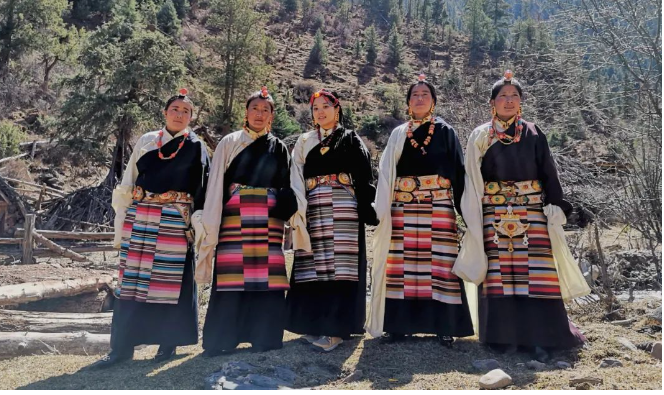
Tibetan ethnic culture is renowned for its rich traditions and customs, which have been passed down through generations. From traditional clothing to intricate rituals, the Tibetan people take great pride in preserving their unique cultural heritage.
Festivals and Celebrations
Tibetan culture is vibrant and colorful, with a calendar full of festivals and celebrations that hold deep cultural significance. From Losar, the Tibetan New Year, to the famous Shoton Festival, these events offer a glimpse into the heart of Tibetan traditions and beliefs.
Arts, Crafts, and Cuisine
The arts and crafts of the Tibetan people are a reflection of their deep connection to their cultural roots. Intricate thangka paintings, traditional woodcarvings, and handwoven textiles showcase the creativity and skill of Tibetan artisans. Additionally, Tibetan cuisine is known for its unique flavors and use of local ingredients such as yak meat and barley.
Are Tibetan People Buddhist?
Spiritual Beliefs and Practices
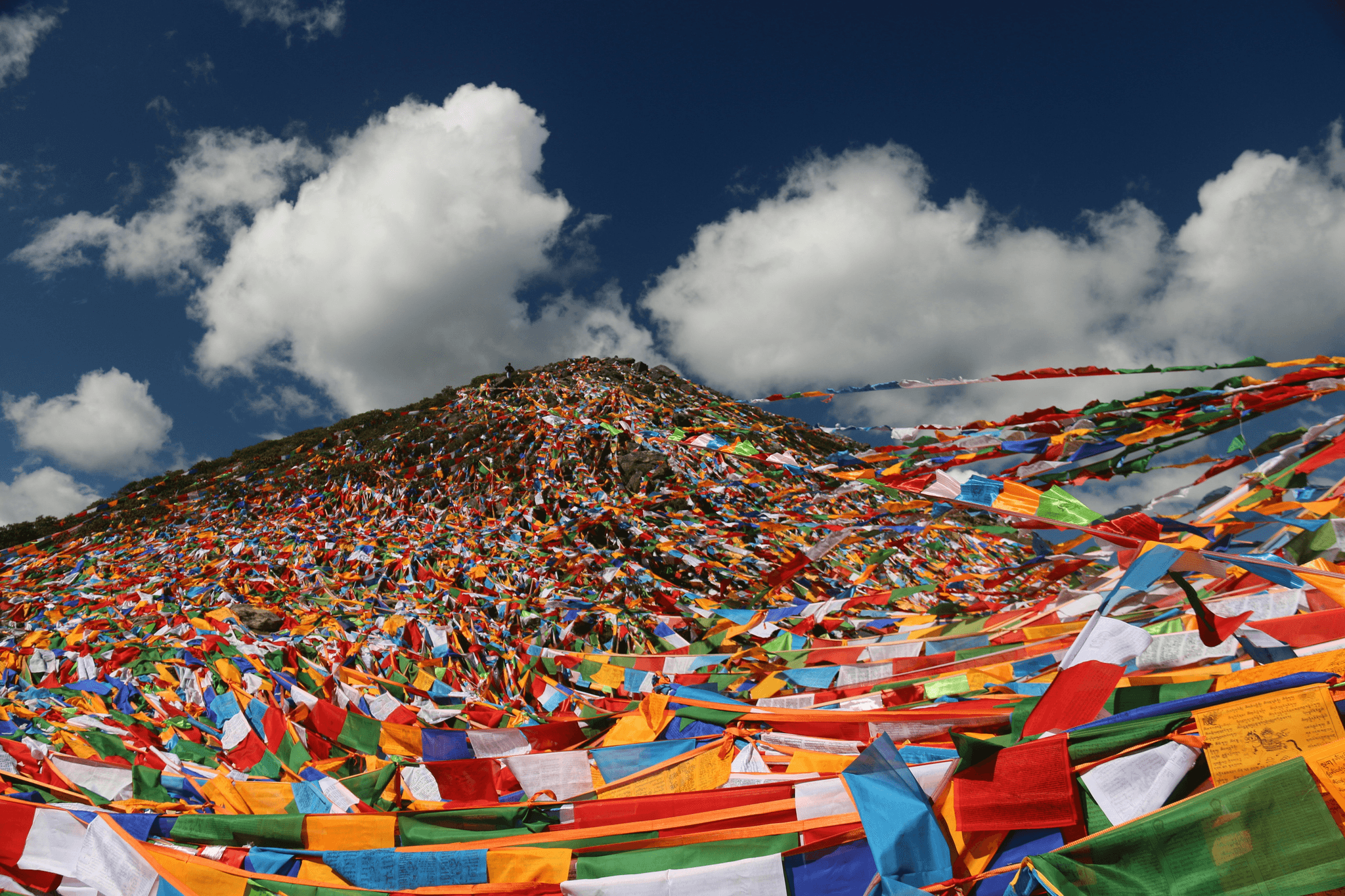
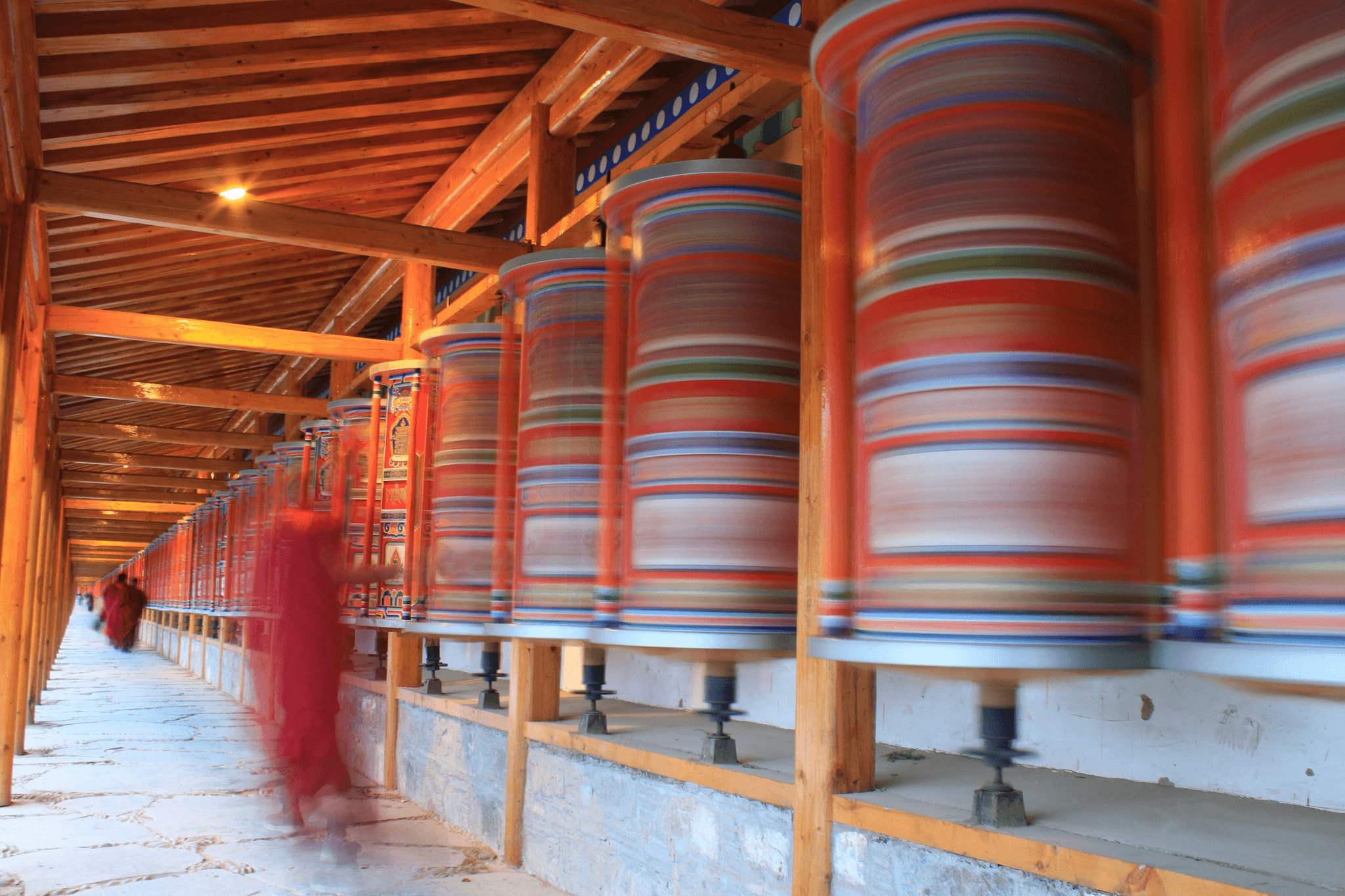
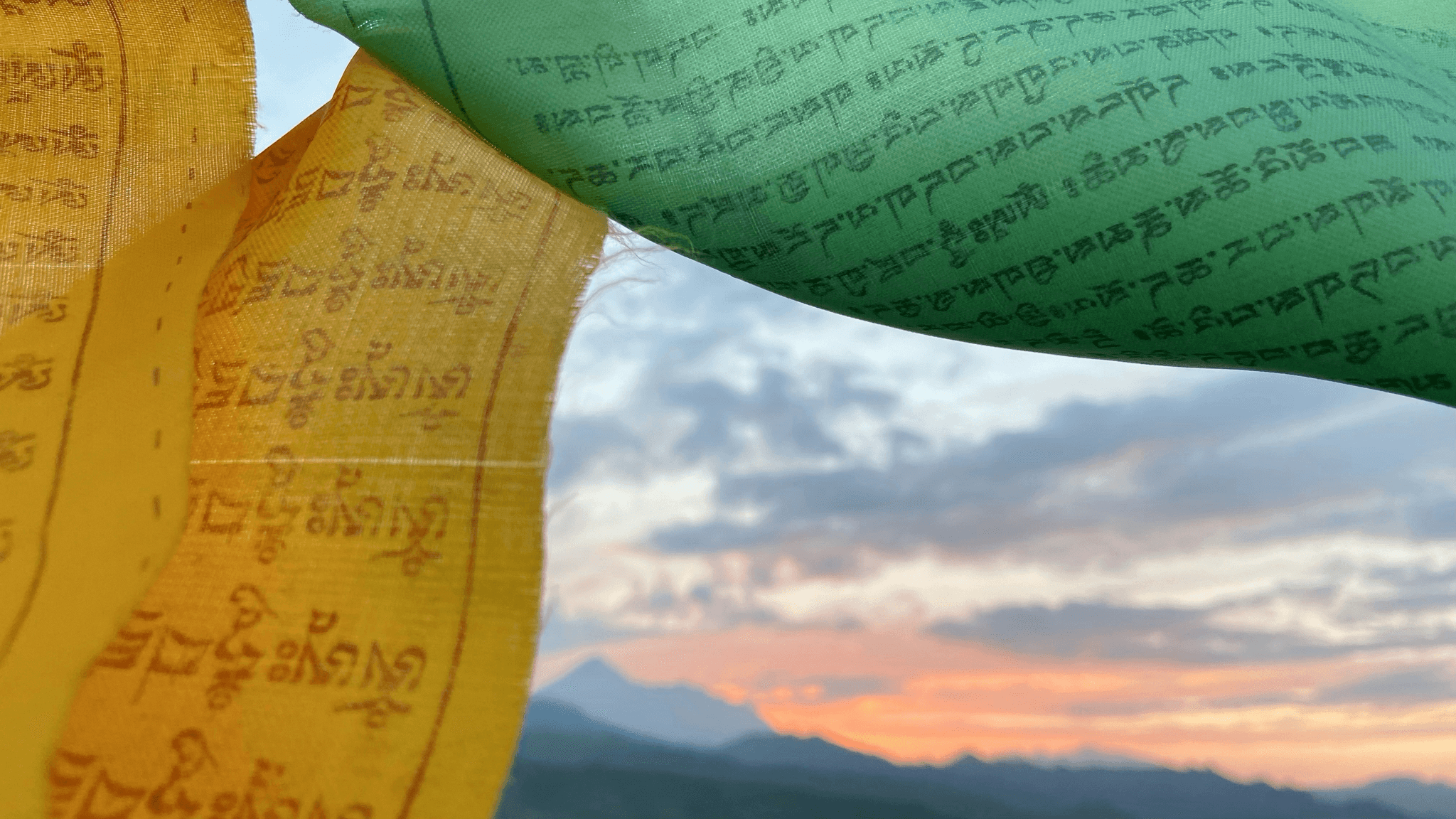
Tibetan ethnic culture is deeply intertwined with Buddhism, as the majority of Tibetans practice this spiritual belief. Their unique form of Buddhism, known as Tibetan Buddhism, incorporates elements of Mahayana and Vajrayana traditions, emphasizing meditation, compassion, and the pursuit of enlightenment. Prayer flags fluttering in the wind and prayer wheels being spun by devotees are common sights in Tibetan communities, reflecting their strong connection to Buddhist practices.
Tibetan monastic life plays a central role in the practice of Tibetan Buddhism, with many individuals choosing to become monks or nuns as a way of devoting themselves fully to their spiritual beliefs. Monasteries, known as gompas, are scattered throughout Tibet and serve as centers for religious study, meditation, and communal living. Monks and nuns participate in daily rituals and ceremonies, often wearing distinctive robes and engaging in practices such as chanting and prostrating as part of their spiritual discipline.
Monastic Life and Rituals
Monastic life holds a significant place in Tibetan culture, with many young boys entering monasteries to receive education and training in Buddhist philosophy. The monasteries are not only centers of religious learning but also serve as hubs for preserving traditional arts, music, and literature. Colorful religious ceremonies and rituals performed by monks play a crucial role in upholding the spiritual fabric of Tibetan society.
Monastic life in Tibet also has a profound impact on the daily lives of its people. The teachings and practices of the monks influence the moral and ethical values upheld by the community, shaping their behavior and interactions with one another. Additionally, the monasteries often serve as centers for community gatherings and social events, fostering a sense of unity and belonging among the Tibetan people. The presence of these spiritual institutions in everyday life reinforces the importance of mindfulness, compassion, and self-reflection as integral components of Tibetan society.
Influence on Daily Life
The influence of Buddhism on daily life in Tibet also extends to the arts and culture of the region. Traditional Tibetan music, dance, and visual arts often incorporate Buddhist themes and symbols, reflecting the deep spiritual connection that permeates all aspects of Tibetan society. Festivals and celebrations are also deeply rooted in Buddhist traditions, with rituals and ceremonies playing a central role in these communal gatherings.
Are Tibetan People Hindu?
Tibetan people have a long history of religious diversity and influence, with Hinduism being one of the major faiths that has interacted with their culture. The presence of Hinduism in Tibet can be traced back to ancient times, and it has had a significant impact on the spiritual beliefs and practices of the Tibetan people.
Hinduism has played a crucial role in shaping the religious landscape of Tibet, coexisting alongside Buddhism and indigenous Bon traditions. The influence of Hinduism can be seen in various aspects of Tibetan culture, from art and architecture to festivals and rituals. This religious diversity reflects the openness and tolerance that are inherent in Tibetan ethnic identity.
The interaction between Hinduism, Buddhism, and Bon traditions has resulted in a rich tapestry of cultural syncretism in Tibet. This blending of religious influences has given rise to unique artistic expressions, such as the incorporation of Hindu motifs in Tibetan thangka paintings and the use of Buddhist and Bon symbols in Hindu temple architecture. The cultural interactions have also led to the creation of hybrid festivals and rituals that draw from multiple religious traditions, showcasing the dynamic nature of Tibetan spirituality.
Cultural Syncretism and Interactions
The interaction between Hinduism and Tibetan culture has led to a rich tapestry of syncretic practices, where elements from both traditions have merged to create unique expressions of spirituality. This cultural exchange has fostered a sense of interconnectedness between different faiths, promoting harmony and understanding among diverse communities within Tibet.
The syncretic practices that have emerged from the interaction between Hinduism and Tibetan culture have not only enriched the spiritual landscape of Tibet but have also contributed to a greater sense of unity and cooperation among different religious communities. This blending of traditions has allowed for the exchange of ideas and beliefs, leading to a more inclusive and tolerant society where individuals can find common ground despite their diverse backgrounds. As a result, these syncretic practices have become emblematic of the cultural diversity and harmony that define Tibetan spirituality.
Shared Traditions and Beliefs
Despite their distinct religious backgrounds, Tibetan people have shared traditions and beliefs with Hindu communities, such as reverence for nature, pilgrimage to sacred sites, and devotion to deities. These commonalities have facilitated cultural exchanges that have enriched both Hindu and Tibetan spiritual practices.
Additionally, the shared traditions and beliefs between Tibetan and Hindu communities have also led to the exchange of cultural practices such as traditional music, dance, and art forms. This cultural exchange has not only enriched the spiritual practices of both communities but has also contributed to a greater understanding and appreciation of each other’s heritage. The blending of these artistic expressions has created a unique fusion that highlights the beauty of diversity and unity within the two cultures.
Tibetan People in Modern Times
Socio-economic Development
In recent years, the Tibetan ethnic community has seen significant socio-economic development, with improved infrastructure, access to education, and healthcare. The government has also implemented policies to support economic growth and alleviate poverty in Tibetan regions, leading to better living standards for the people.
Furthermore, the improved infrastructure and access to education have also led to increased economic opportunities for the Tibetan community. With better transportation and communication networks, businesses are able to thrive and connect with larger markets, contributing to overall economic growth in the region. This has not only boosted the local economy but has also fostered a sense of empowerment and pride among the Tibetan people.
Political Situation and Identity
The political situation and identity of Tibetan people remain complex, with ongoing discussions about autonomy and cultural preservation. The issue of whether Tibetans are Chinese people or a distinct ethnic group continues to be a point of contention, reflecting the struggle for recognition and self-determination.
The debate over the political status and identity of Tibetan people has led to ongoing discussions about autonomy and cultural preservation. This struggle for recognition and self-determination reflects the complex nature of Tibetan identity, as well as the historical tensions between Tibetans and the Chinese government. The issue of whether Tibetans are Chinese people or a distinct ethnic group remains a point of contention, with implications for the preservation of their unique cultural heritage.
Preservation of Cultural Heritage
Despite modernization and external influences, efforts to preserve Tibetan culture remain strong. Traditional arts, crafts, music, dance, and language are actively promoted and celebrated within the community. Initiatives are also in place to safeguard historical sites and religious practices from being overshadowed by contemporary developments.
Conclusion
Embracing Tibetan Cultural Diversity
Tibetan ethnic culture is a tapestry of vibrant traditions, rich customs, and deep spiritual beliefs. Embracing this diversity means immersing yourself in the colorful festivals, intricate arts and crafts, and tantalizing cuisine that make up the fabric of Tibetan culture. Whether it’s participating in traditional dances or learning about ancient rituals, embracing Tibetan cultural diversity is an enriching experience that opens your eyes to a world of beauty and tradition.
Immersing in Tibetan Way of Life
To truly understand what culture is Tibetan, you must immerse yourself in the daily lives of the Tibetan people. From their close-knit communities to their deep reverence for nature, living like a Tibetan means embracing simplicity, mindfulness, and a profound connection to the land. Whether it’s joining in on local celebrations or experiencing the warmth of Tibetan hospitality, immersing in the Tibetan way of life offers a unique perspective on what it means to be part of this ancient culture.
Planning Your Tour with Guide Tibet
When planning your journey into the heart of Tibetan culture, let Guide Tibet be your trusted companion. With expert guides who are deeply rooted in the local traditions and customs, GuideTibet offers an authentic experience that goes beyond typical tourist attractions. From arranging visits to monasteries and remote villages to providing insight into traditional practices and beliefs, GuideTibet ensures that your tour is an immersive and respectful exploration of all that makes Tibetan culture so unique.