Introduction
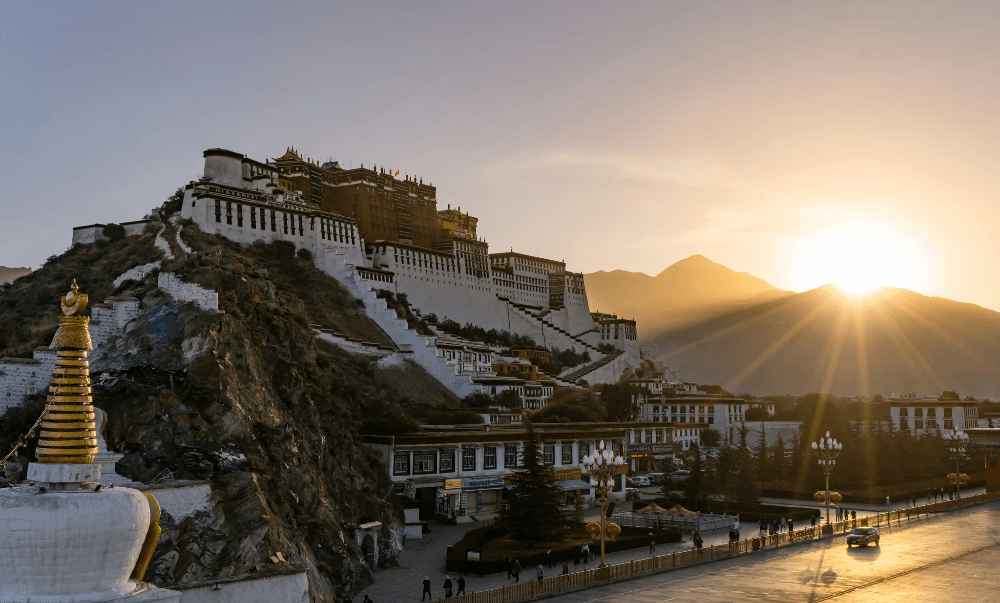
The Tibetan Plateau, often referred to as the Roof of the World, is a place shrouded in mystery and wonder. This vast expanse of high-altitude terrain is not just a geographical marvel; it holds secrets that have fascinated explorers, scientists, and spiritual seekers alike. From its unique ecosystem to its rich cultural heritage, discovering the Tibetan Plateau’s secrets is an adventure worth embarking on.
Discovering the Tibetan Plateau’s Secrets
What is the Tibetan Plateau? It’s more than just an elevated piece of land; it’s a complex tapestry woven with diverse cultures, ancient traditions, and breathtaking landscapes. The exploration of this majestic region reveals not only its physical grandeur but also its profound significance in shaping human history and spirituality.
Unraveling Myths and Facts
Throughout history, numerous myths have surrounded the Tibetan Plateau—some depicting it as a mystical paradise while others paint it as an inhospitable wasteland. By delving deeper into what makes this plateau so unique, we can separate fact from fiction and gain a better understanding of why it captivates so many imaginations. As we unravel these myths and facts, we begin to appreciate how the Tibetan Plateau serves as a bridge between cultures and ideologies.
The Importance of the Tibetan Plateau
The importance of the Tibetan Plateau extends far beyond its breathtaking views; it plays a crucial role in global ecology and climate regulation. Acting as one of Earth’s major water towers, it supports millions of people downstream who rely on its rivers for sustenance. Moreover, understanding why the Tibetan Plateau is famous helps us grasp its impact on human civilization—historically significant events have unfolded here that resonate across borders even today.
What is the Tibetan Plateau?

The Tibetan Plateau, often referred to as the Roof of the World, is a vast and fascinating region that captivates the imagination of adventurers and scholars alike. Spanning across Tibet, parts of China, India, Nepal, and Bhutan, this high-altitude plateau is not only significant for its breathtaking landscapes but also for its cultural heritage and environmental importance. As we delve deeper into understanding what the Tibetan Plateau truly encompasses, we will explore its definition and location, geological formation, and unique ecosystem.
Definition and Location
The Tibetan Plateau is defined as an elevated region in Central Asia that lies at an average height of around 4,500 meters (14,800 feet) above sea level. Covering approximately 2.5 million square kilometers (about 1 million square miles), it extends across several countries—most notably Tibet in China—and serves as a critical watershed for Asia’s major rivers like the Yangtze and Mekong. This geographical marvel is bounded by some of the world’s highest mountain ranges including the Himalayas to the south and the Kunlun Mountains to the north.
Geological Formation
The formation of the Tibetan Plateau is a tale written in tectonic history; it arose from a colossal collision between two tectonic plates—the Indian Plate and the Eurasian Plate—around 50 million years ago. This immense geological event not only lifted this region to staggering heights but also resulted in ongoing seismic activity that shapes its landscape today. The plateau’s complex geology features extensive sedimentary deposits interspersed with granite formations that tell stories of ancient oceans long gone.
Unique Ecosystem and Biodiversity
Home to an array of unique ecosystems, the Tibetan Plateau boasts rich biodiversity despite its harsh climatic conditions. The altitude creates a distinct habitat for numerous endemic species such as the snow leopard and various forms of high-altitude flora like rhododendrons and cushion plants that have adapted remarkably to survive in extreme environments. Furthermore, this ecological treasure trove plays a vital role in maintaining climate stability across Asia by acting as a barrier against weather systems while influencing monsoonal patterns.
Why is the Tibetan Plateau famous?
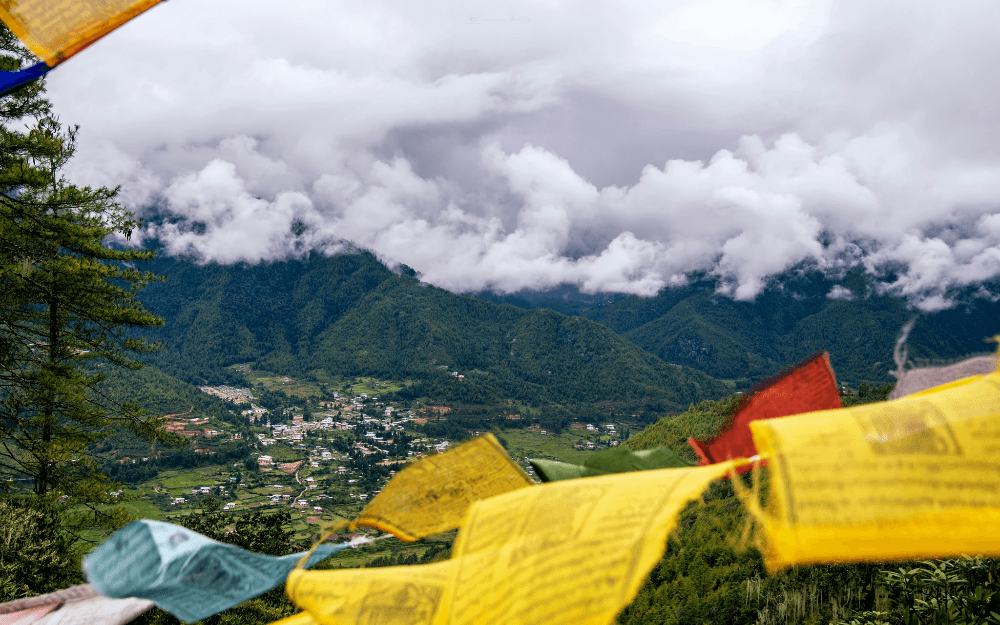
The Tibetan Plateau, often referred to as the Roof of the World, has garnered fame for its breathtaking landscapes, rich cultural heritage, and significant environmental impact. This vast expanse not only serves as a crucial source of water for millions but also plays a pivotal role in global climate patterns. With its unique blend of natural wonders and historical depth, the Tibetan Plateau stands out as a remarkable region that captures the imagination of travelers and researchers alike.
Cultural Significance
The cultural significance of the Tibetan Plateau is profound, with its diverse ethnic groups contributing to a vibrant tapestry of traditions and customs. The plateau is home to Tibetan Buddhism, which influences daily life through rituals, festivals, and art forms that reflect deep spiritual beliefs. Additionally, local practices such as traditional medicine and unique culinary offerings highlight how intertwined culture is with the environment on this majestic plateau.
Historical Events and Legends
The history of the Tibetan Plateau is rich with events that have shaped not only its people but also neighboring regions. Legends abound about ancient kingdoms, spiritual leaders like Padmasambhava, and tales of resilience against foreign invasions that resonate through generations. These stories contribute to an identity steeped in mystique and reverence for nature’s grandeur—elements that make exploring this region an adventure filled with historical intrigue.
Impact on Climate and Environment
The impact of the Tibetan Plateau on climate extends far beyond its borders; it acts as a critical regulator for weather patterns across Asia. Known as Asia’s water tower, it feeds major rivers like the Yangtze and Indus, supporting billions of lives downstream while influencing monsoon cycles vital for agriculture in surrounding countries. Understanding why the Tibetan Plateau is famous also means recognizing its environmental significance—a reminder that this high-altitude expanse holds keys to both ecological balance and human survival.
Why don’t planes fly over the Tibetan Plateau?
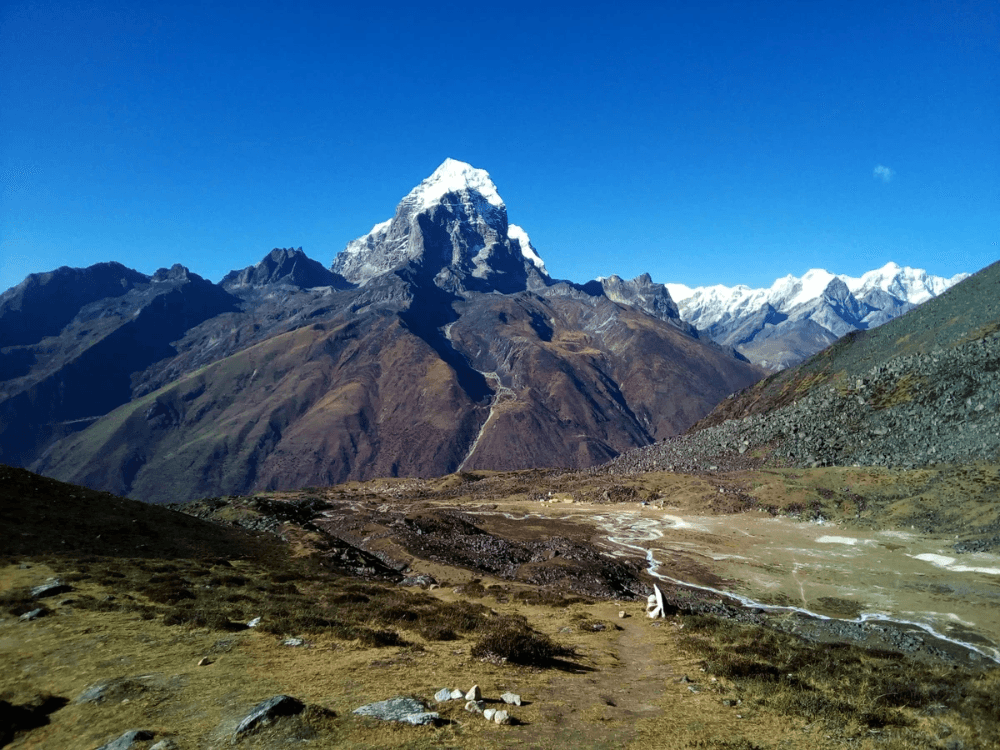
The Tibetan Plateau, often referred to as the Roof of the World, presents unique challenges that deter commercial air traffic from flying directly over its vast expanse. This region, characterized by extreme altitudes and unpredictable weather patterns, poses significant risks for pilots and aircraft alike. Understanding these challenges helps clarify why this majestic area remains largely untouched by commercial flights.
The Challenge of High Altitudes
One of the primary reasons planes avoid flying over the Tibetan Plateau is its staggering elevation, which averages around 4,500 meters (14,800 feet) above sea level. At such heights, oxygen levels become dangerously low for both humans and aircraft engines. This altitude not only complicates takeoff and landing procedures but also requires specialized equipment and training for pilots to navigate safely through these thin air conditions.
Moreover, the high-altitude environment affects aircraft performance significantly; engines may struggle to generate sufficient thrust in thinner air. As a result, airlines must carefully consider flight paths to ensure safety and efficiency while traversing regions like the Tibetan Plateau that present such formidable altitude challenges.
Weather Conditions and Navigation Issues
Weather conditions on the Tibetan Plateau can change rapidly and dramatically, creating a further deterrent for aviation. The region is known for its fierce winds, sudden storms, and thick cloud cover that can obscure visibility at any moment. Such unpredictable weather patterns complicate navigation and increase the risk of accidents during flights over this rugged terrain.
Additionally, pilots flying over remote areas like the Tibetan Plateau face difficulties in finding reliable navigation aids due to a lack of infrastructure in such sparsely populated regions. The absence of radar coverage can lead to disorientation or miscommunication with air traffic control—factors that are far from ideal when navigating through challenging weather conditions.
Safety Regulations and Air Traffic
Safety regulations play a crucial role in determining flight routes around sensitive areas like the Tibetan Plateau. Aviation authorities impose strict guidelines regarding where planes can fly based on factors including altitude restrictions, weather patterns, and potential emergency landing sites—none of which favor high-altitude regions like this plateau.
Moreover, with rising concerns about passenger safety amid increasing global air travel demands, airlines tend to err on the side of caution by routing flights away from regions that pose heightened risks due to environmental factors or geopolitical tensions surrounding places like Tibet itself.
In summary, while it’s tempting to gaze upon maps showing direct routes across breathtaking landscapes such as those found on the Tibetan Plateau, practical considerations regarding altitude challenges, unpredictable weather conditions, and stringent safety regulations keep most planes grounded below its lofty peaks.
Is the Tibetan Plateau part of China?
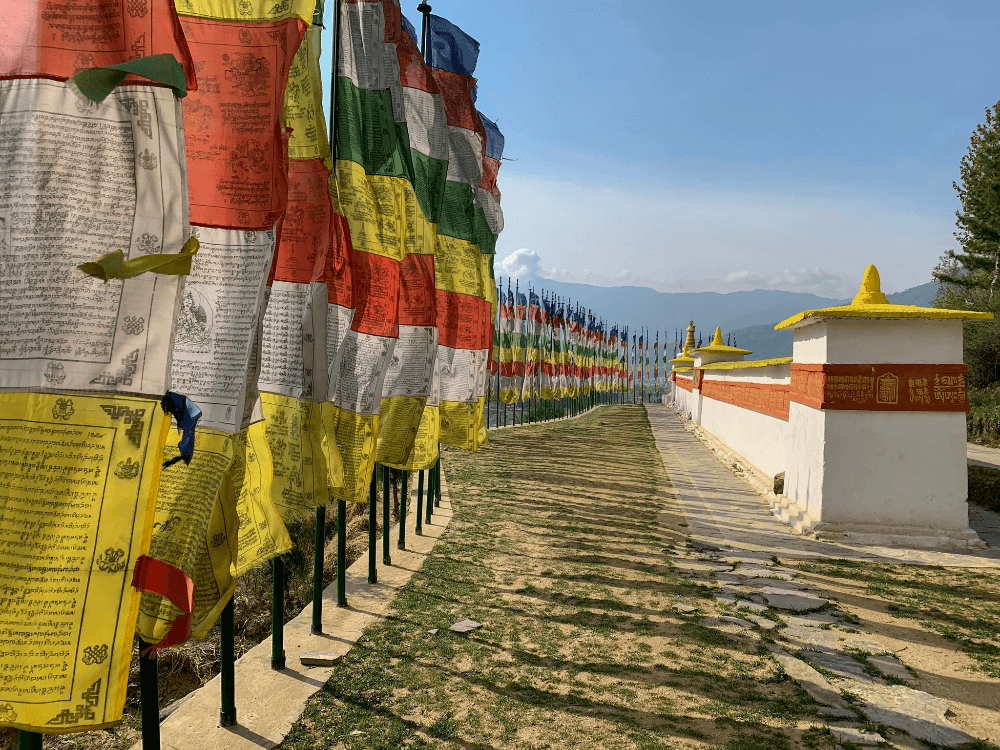
The Tibetan Plateau, often referred to as the Roof of the World, is a region steeped in complexity and controversy regarding its geopolitical status. While it is officially recognized as part of China, the nuances surrounding its governance and cultural identity make it a topic of heated debate. Understanding this context is crucial for anyone looking to explore what makes the Tibetan Plateau so significant on both local and global scales.
Geopolitical Context
The geopolitical context of the Tibetan Plateau is shaped by its historical ties and modern-day governance. Historically, Tibet operated as an autonomous region with its own distinct culture and political systems until it was integrated into China in the mid-20th century. This integration has led to ongoing discussions about autonomy, human rights, and cultural preservation within the larger framework of Chinese sovereignty over what many consider a unique territory.
Cultural and Ethnic Diversity
The cultural and ethnic diversity of the Tibetan Plateau adds another layer to its complex identity within China. The plateau is home to various ethnic groups, with Tibetans being the most prominent among them, possessing a rich tapestry of traditions, languages, and religious practices that distinguish them from Han Chinese culture. This vibrant cultural landscape invites questions about how these identities coexist under China’s governance while striving to maintain their unique heritage within a rapidly modernizing society.
International Relations and Tibet
International relations involving Tibet often reflect broader geopolitical tensions between nations regarding human rights issues, autonomy movements, and environmental concerns on the Tibetan Plateau. Countries around the world watch closely as discussions unfold about China’s policies in Tibet while advocating for greater recognition of Tibetan rights on international platforms. This delicate balance underscores how vital understanding both local sentiments and global perspectives are when addressing issues related to this enigmatic region.
Exploring Tibetan Culture with GuideTibet
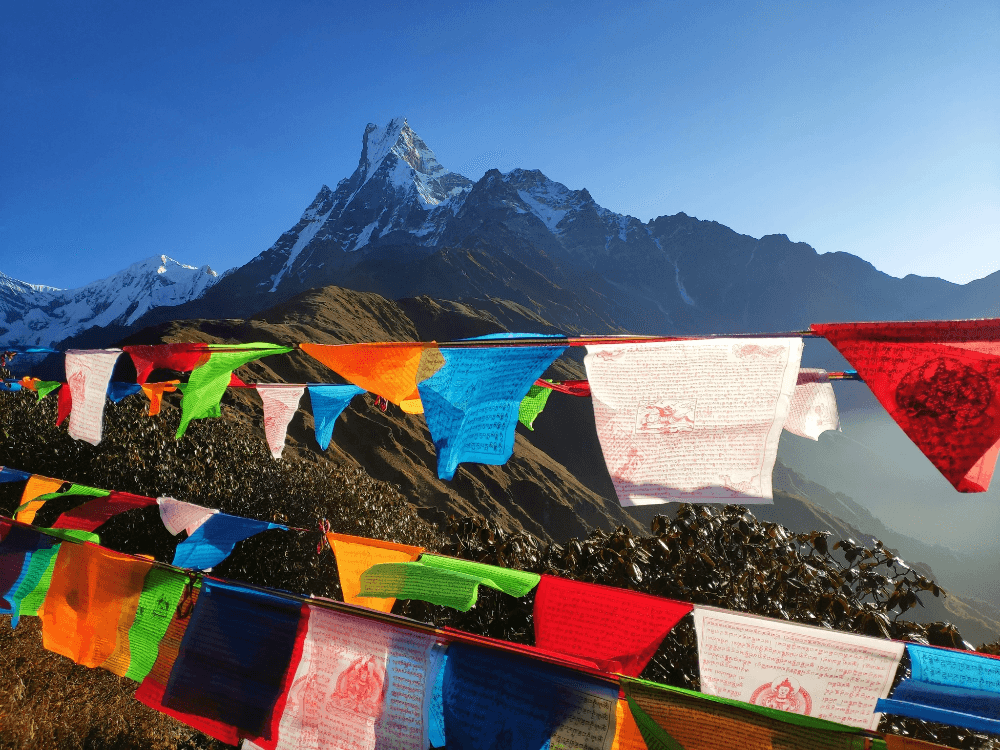
The Tibetan Plateau is not just a geographical marvel; it’s also a vibrant tapestry woven from centuries of rich culture and tradition. With its unique practices, spirituality, and artistic expressions, the plateau offers an immersive experience for travelers eager to delve into its wonders. Through GuideTibet, visitors can explore these cultural dimensions while gaining insights into what makes this region truly special.
Traditional Practices and Lifestyle
Life on the Tibetan Plateau is shaped by its harsh yet beautiful environment, leading to traditional practices that reflect resilience and adaptability. The nomadic lifestyle prevalent among many Tibetan communities emphasizes harmony with nature; herding yaks and sheep is not just a livelihood but a way of life steeped in ancient customs. Festivals like Losar (Tibetan New Year) highlight the community’s deep-rooted beliefs, featuring colorful rituals that celebrate their connection to the land and each other.
Food plays an integral role in daily life on the plateau; staple dishes such as tsampa (roasted barley flour) are consumed alongside butter tea made from yak milk. These culinary traditions are often accompanied by communal gatherings that foster unity among families and neighbors. As you wander through villages or participate in local events with GuideTibet, you’ll find that every meal tells a story of survival and cultural pride.
Spirituality and Religion in Everyday Life
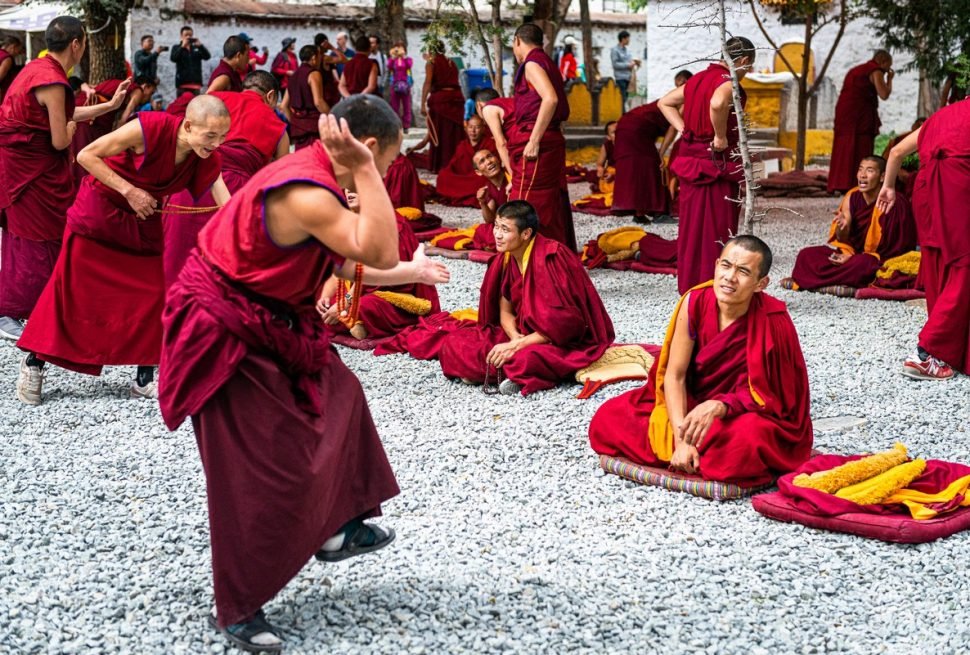
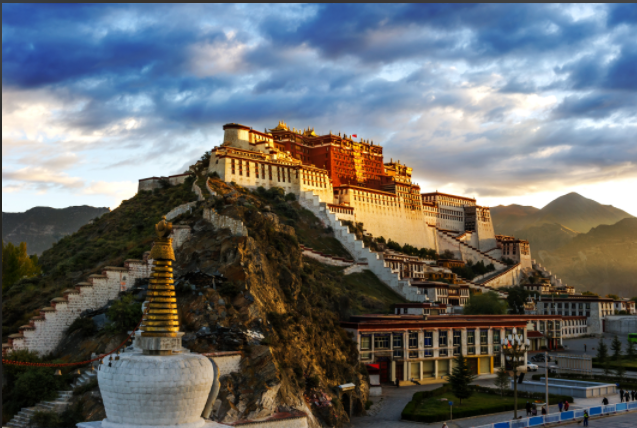
Spirituality permeates every aspect of life on the Tibetan Plateau, deeply influencing daily routines and social interactions. Buddhism is not merely a religion here; it is interwoven into the very fabric of society, guiding moral values and community dynamics. Monasteries dotting the landscape serve as spiritual centers where locals gather for prayer rituals, meditation sessions, or simply to seek wisdom from revered lamas.
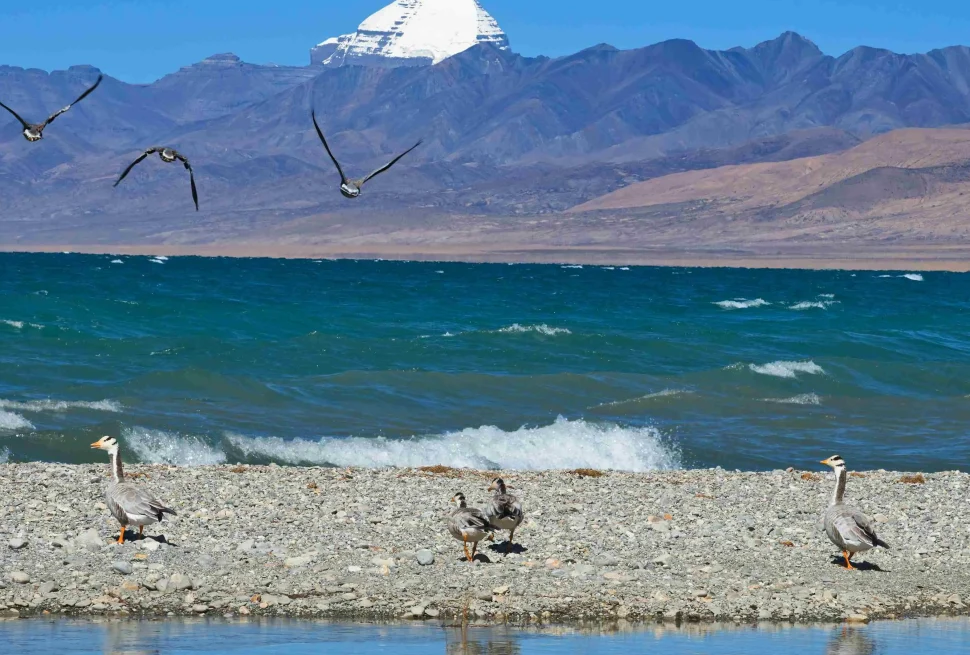
Pilgrimages to sacred sites like Mount Kailash exemplify how spirituality shapes personal journeys for many Tibetans—an embodiment of their faith in action. Even mundane activities often carry spiritual significance; locals may chant mantras while performing chores or offer prayers at home shrines before embarking on their day. This seamless blend of spirituality with everyday tasks provides an enriching experience for travelers who wish to understand why the Tibetan Plateau is famous for its profound mystique.
Local Arts and Crafts: A Deep Dive
The artistic heritage of the Tibetan Plateau reflects centuries of tradition infused with religious symbolism and cultural identity. Local artisans create intricate thangkas (painted scrolls), beautifully depicting Buddhist deities or significant historical events—each brushstroke telling tales passed down through generations. These artworks are more than mere decor; they serve as tools for meditation and learning about Buddhist teachings.
In addition to painting, crafts such as carpet weaving showcase remarkable skill passed down through familial lines; vibrant colors symbolize various aspects of life in Tibet—from nature’s bounty to spiritual beliefs. Visitors can engage directly with artisans through workshops organized by GuideTibet, allowing them to appreciate these crafts’ intricacies while understanding their significance within Tibetan culture. The arts here aren’t just about aesthetics—they embody stories that connect people across time on this vast plateau.
Conclusion
The Tibetan Plateau stands as a majestic testament to nature’s artistry, a place where the earth reaches for the heavens. Its vastness and unique features make it not just another geographical location, but an enigmatic charm that captivates explorers and researchers alike. From its stunning landscapes to its rich cultural tapestry, the Tibetan Plateau offers secrets waiting to be uncovered.
The Tibetan Plateau’s Enigmatic Charms
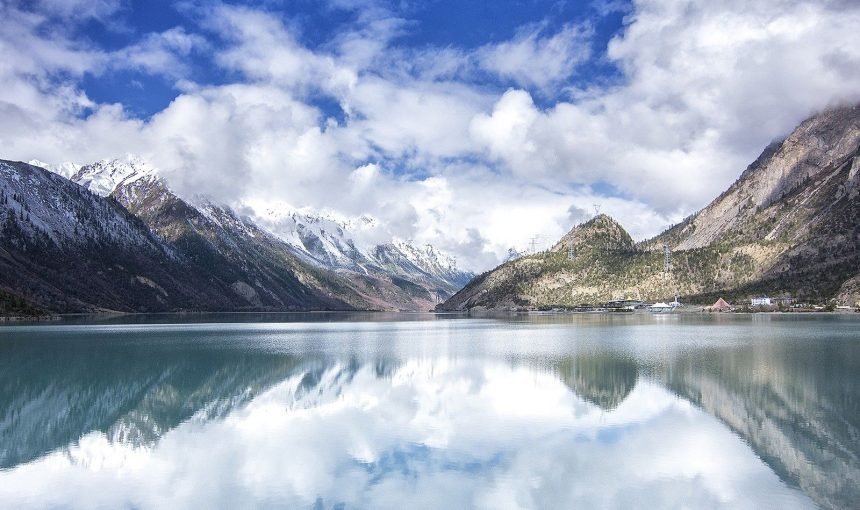
The Tibetan Plateau is often referred to as the Roof of the World, and rightly so; its breathtaking vistas inspire awe in all who visit. This extraordinary region is characterized by high-altitude deserts, glacial lakes, and sprawling grasslands that host a variety of wildlife. Beyond its natural beauty, what makes the Tibetan Plateau truly enchanting are the vibrant traditions and resilient communities that call it home.
Understanding Its Global Significance
The significance of the Tibetan Plateau extends far beyond its borders; it plays a crucial role in climate regulation and water supply for millions of people across Asia. As one of the largest freshwater reserves on Earth, this plateau influences weather patterns and ecosystems far away from its mountainous terrain. Furthermore, understanding the geopolitical context—like whether or not the Tibetan Plateau is part of China—helps us grasp its importance in international relations and cultural preservation.
Embracing Tibetan Traditions through Travel
Traveling to the Tibetan Plateau is not merely about sightseeing; it’s an immersive experience that allows visitors to embrace traditional practices deeply rooted in spirituality and community life. Engaging with local artisans can reveal insights into unique crafts passed down through generations, while participating in festivals opens a window into their vibrant culture. By choosing sustainable travel options that respect local customs, visitors can help preserve both the environment and rich heritage of this extraordinary region.