Introduction

Tibetan funeral practices are a fascinating reflection of the culture’s deep spiritual beliefs and respect for nature. Among these, the Tibet sky burial stands out as a unique and profound ritual that has captivated the interest of many. Understanding these customs not only sheds light on Tibetan perspectives on death but also invites us to consider how different cultures honor their deceased.
Exploring Tibetan Funeral Practices
Tibetans have a rich tapestry of funeral customs that vary widely across regions and communities, yet they all share an underlying reverence for life and death. At the heart of these practices is the Tibet sky burial, a ritual that embodies both ecological awareness and spiritual significance. By exploring these unique customs of Tibetan funerals, we gain insight into how this culture perceives mortality and the afterlife.
The Significance of Sky Burials
Sky burials hold immense significance within Tibetan Buddhism, serving as a physical manifestation of beliefs surrounding death and rebirth. This practice emphasizes the idea that the body is merely a temporary vessel; once life fades, it returns to nature in a meaningful way. By understanding why Tibetans do sky burials, we can appreciate their commitment to environmental harmony and their belief in life’s cyclical nature.
Understanding Cultural Perspectives
Cultural perspectives on death vary widely around the globe, with each tradition offering its own insights into what it means to live and die. In contrast to Western funeral practices, which often prioritize preservation or burial of remains, Tibet’s approach through sky burials showcases an acceptance of impermanence. As we delve deeper into what happens to the bones after a Tibetan sky burial, we’ll uncover not only physical transformations but also profound philosophical reflections on existence itself.
What is Tibet Sky Burial?
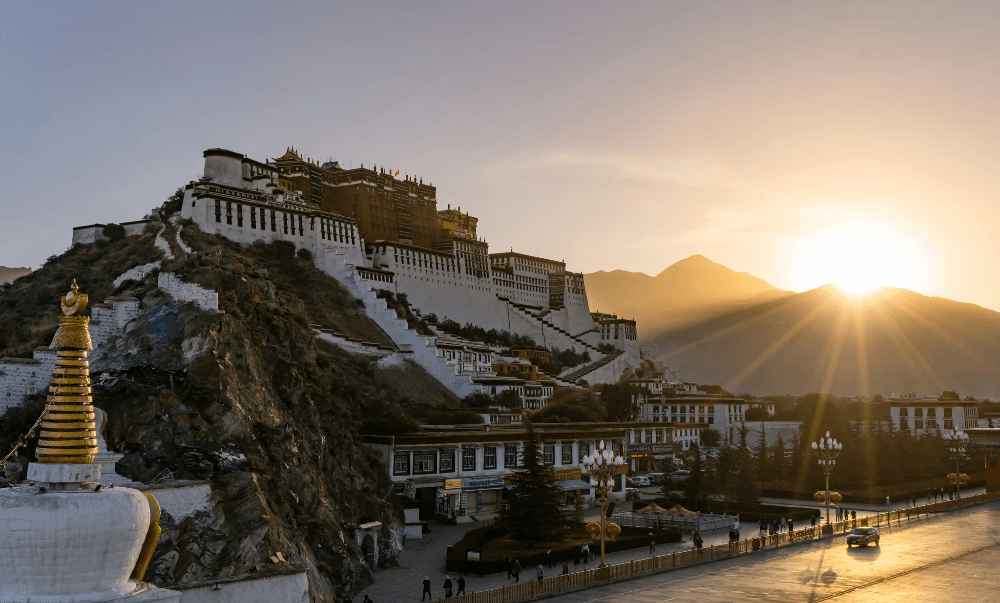
Tibet sky burial is a unique and profound funeral practice deeply rooted in Tibetan culture and Buddhism. This ritual, known as jhator, involves the exposure of the deceased’s body to the elements, allowing vultures and other scavengers to consume it. This practice reflects a deep respect for nature and embodies the belief that death is not an end but a transition.
An Overview of the Ritual
The Tibet sky burial ritual typically takes place on a high mountain or open area, where family members and monks gather for a solemn yet vibrant ceremony. The body is carefully prepared by trained professionals, often referred to as body breakers, who dismember it into smaller parts to facilitate feeding the birds. This act symbolizes generosity and compassion, emphasizing that one’s physical form should nourish other living beings after death.
Historical Context of Sky Burials
Historically, Tibet sky burials have been practiced for centuries, influenced by both local customs and Buddhist beliefs surrounding mortality and rebirth. In regions where arable land is scarce, traditional burial methods are impractical; thus, this practice has evolved as an ecological solution to honor the deceased while respecting nature’s cycle. The significance of this ancient tradition remains strong today, serving as a poignant reminder of life’s impermanence.
Beliefs Surrounding Death and Rebirth
Central to Tibetan culture is the belief in reincarnation; thus, Tibetans view death not as an endpoint but rather a transition into another existence. The sky burial ritual reinforces this belief by returning the body to nature while nurturing life through animal consumption of human remains. By participating in this unique custom of Tibetan funeral practices, families express their understanding that life continues beyond physical existence—an essential aspect of Tibetan spirituality.
Unique Customs of Tibetan Funeral
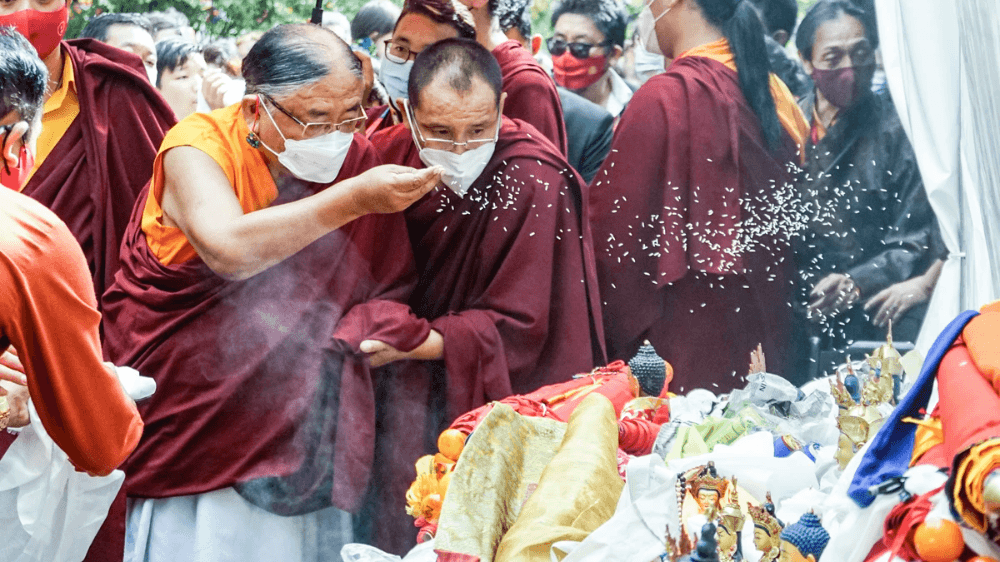
Tibetan funerals are rich in symbolism and tradition, reflecting the deep spiritual beliefs of the community. One of the most intriguing aspects is the Tibet sky burial, a practice that not only serves as a farewell to the deceased but also reinforces communal bonds. This section delves into the unique customs surrounding these ceremonies, highlighting the integral roles played by monks, meticulous preparations, and active community participation.
The Role of Monks in Sky Burials
Monks are central figures in Tibetan sky burials, guiding families through this spiritually significant process. They perform rituals to ensure that the deceased’s spirit is honored and properly transitioned into the next life. Their chanting and prayers during the ceremony serve to invoke blessings and facilitate a peaceful journey for the departed soul, emphasizing why do Tibetans do sky burials—a belief rooted in Buddhist teachings about death and rebirth.
Preparations for the Ceremony
The preparations for a Tibet sky burial are extensive and deeply respectful. Families often spend days getting ready, which includes cleaning and dressing the body according to specific customs that reflect their loved one’s life and status within the community. This meticulous attention to detail underscores not only respect for those who have passed but also an understanding of what happens to the bones after a Tibetan sky burial—fostering a connection between nature, spirituality, and community.
Community Involvement in the Process
A defining feature of Tibetan funerals is how communities come together during this poignant time. Friends, family members, and even neighbors participate actively in various aspects of both preparation and ceremony—demonstrating solidarity in grief while honoring their cultural heritage. This shared experience highlights why are sky burials illegal in the US; such communal practices clash with individualistic funeral traditions prevalent in Western societies that often prioritize privacy over collective mourning.
Why Do Tibetans Do Sky Burials?
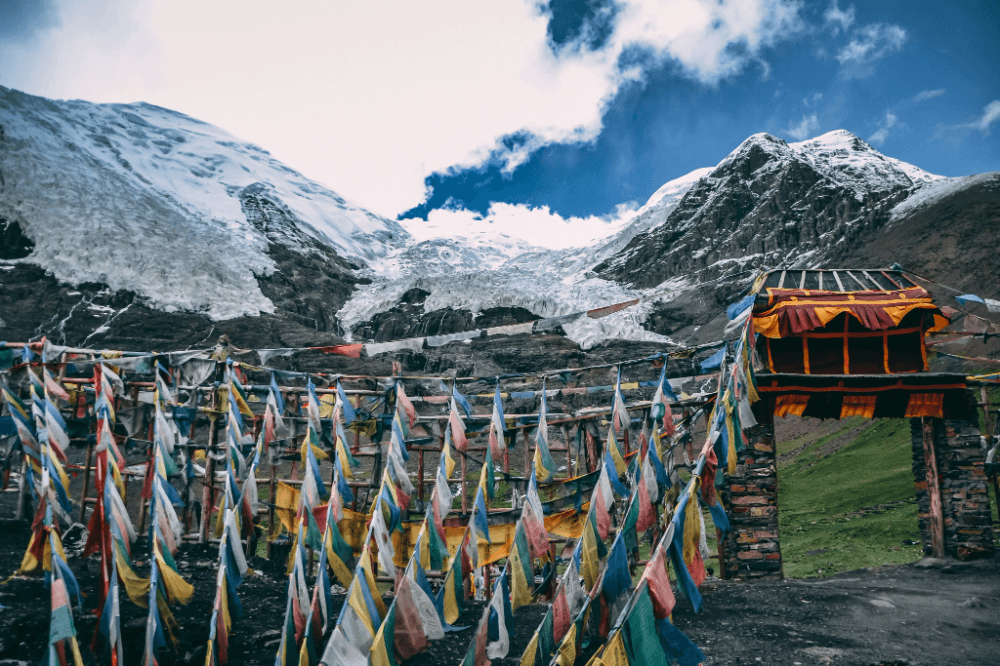
Tibetan sky burials are deeply rooted in the culture and spirituality of the region, reflecting a profound respect for nature and an understanding of life’s impermanence. This unique custom serves not only as a way to honor the deceased but also as a means to reconnect with the environment. By choosing this method, Tibetans embody their belief that death is merely a transition rather than an end, illustrating why Tibetans do sky burials.
Respecting Nature and the Environment
The practice of sky burial highlights Tibetans’ intrinsic respect for nature and their desire to minimize environmental impact. In the rugged terrain of Tibet, where resources are scarce, using the body as sustenance for scavenging birds reflects a harmonious relationship with wildlife. This connection emphasizes that life continues beyond death; thus, through a Tibetan sky burial, they contribute back to the ecosystem.
Spiritual Beliefs in Tibetan Buddhism
Central to Tibetan funeral practices is the spiritual belief system embedded in Tibetan Buddhism. The concept of reincarnation plays a vital role; Tibetans view death not as an end but as part of an ongoing cycle of rebirth. Engaging in sky burials aligns with these beliefs, allowing families to honor their loved ones while facilitating their journey into the next life.
Symbolism of the Body as a Temporary Vessel
In Tibetan culture, bodies are seen as temporary vessels housing consciousness rather than permanent entities deserving elaborate preservation methods like embalming or burial plots. The act of performing a sky burial symbolizes liberation from physical constraints and acknowledges that attachment to material forms can hinder spiritual progress. This perspective reinforces why do Tibetans do sky burials: it’s about freeing both spirit and body while embracing life’s transient nature.
What Happens to the Bones After a Tibetan Sky Burial?
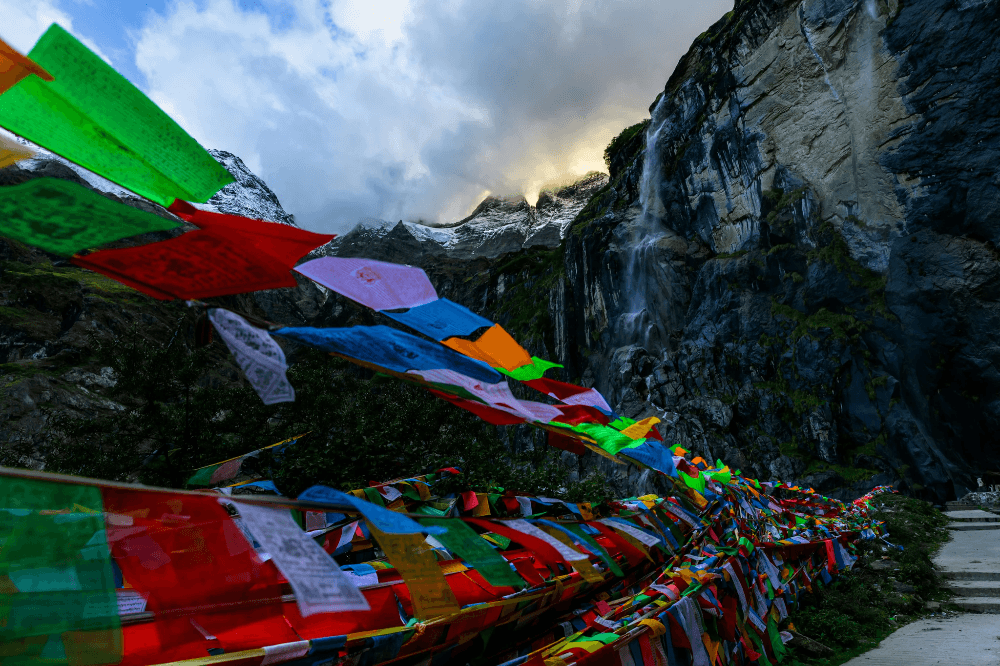
In the aftermath of a Tibetan sky burial, the treatment of bones is as significant as the ritual itself. Following the completion of the sky burial ceremony, the body is often dismembered in a respectful manner. This practice not only symbolizes a return to nature but also facilitates an important connection between life and death, reflecting unique customs of Tibetan funeral traditions.
Process of Dismemberment and Distribution
The process begins with skilled practitioners, usually monks or designated individuals who are trained in this sacred rite. They carefully disassemble the body into smaller parts, treating each piece with reverence and care. Once this is completed, the remains are distributed among various animals, primarily vultures, which play an essential role in this ritualistic feeding process.
Significance of Feeding Animals
Feeding animals during a Tibet sky burial serves multiple purposes that resonate deeply within Tibetan culture. It emphasizes respect for nature and reinforces beliefs about interconnectedness within ecosystems; by providing nourishment to scavengers, Tibetans honor both their deceased loved ones and Mother Earth. This act also symbolizes a spiritual transition—by allowing animals to consume human remains, it reflects on why do Tibetans do sky burials? The cycle continues as life feeds on life.
The Cycle of Life and Death
The entire process encapsulates profound themes related to existence—the cycle of life and death is revered rather than feared in Tibetan culture. After being consumed by animals, what remains are bones that are often left exposed to natural elements or sometimes gathered for further ceremonial practices. In essence, this approach reinforces beliefs regarding impermanence and rebirth central to Tibetan Buddhism while also addressing what happens to the bones after a Tibetan sky burial—reminding everyone involved that death is merely another step in life’s continuous journey.
What is the Tibetan Ritual After Death?
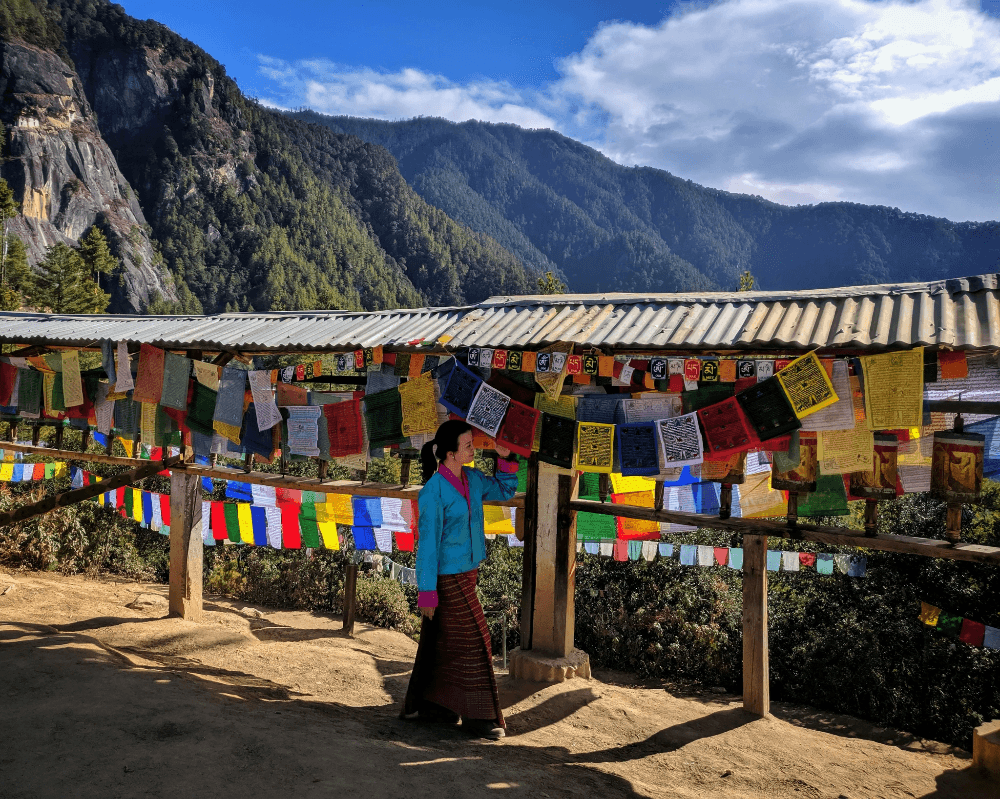
In Tibetan culture, the rituals following death are steeped in spiritual significance and reflect the unique customs of Tibetan funerals. Central to these practices is the belief that the soul continues its journey after death, necessitating a series of prayers and offerings to guide it through the afterlife. The Tibet sky burial serves as a poignant reminder of this journey, emphasizing respect for both life and death within their spiritual framework.
The Role of Prayer and Offerings
Prayer plays a vital role in Tibetan funeral customs, particularly after a loved one passes away. Family members often engage in chanting mantras and making offerings to help ease the deceased’s transition into the next life. These rituals are not merely ceremonial; they embody deep respect for Tibetan beliefs surrounding death, rebirth, and the impermanence of life.
Offerings may include food, incense, and symbolic items that represent nourishment for both the deceased and any wandering spirits. This practice underscores why Tibetans do sky burials: it’s about ensuring that their loved ones are cared for spiritually even after they have departed from this world. Through prayer and offerings, families express their love while reinforcing their cultural ties to tradition.
Customary Mourning Periods
The mourning period in Tibetan culture varies but typically lasts around 49 days—a significant timeframe believed to correspond with important stages in the deceased’s journey through the bardo (the intermediate state between death and rebirth). During this time, families engage deeply with their grief while honoring their loved ones through various rituals. These include regular prayers at home or at monasteries, where monks may also perform special ceremonies to aid in guiding spirits along their path.
This mourning period allows family members not only to process their loss but also to reinforce community bonds as they come together in remembrance of those who have passed. It’s during these times that discussions about what happens to bones after a Tibetan sky burial often arise—further illustrating how intertwined mourning practices are with cultural beliefs surrounding life cycles.
Continuation of Spiritual Connections
In Tibetan Buddhism, maintaining a connection with deceased loved ones is paramount; rituals serve as conduits for ongoing spiritual relationships even after physical separation occurs. Families often light butter lamps or perform specific prayers on anniversaries or special dates related to those who have died—ensuring that memories remain alive within both personal hearts and communal consciousnesses.
The unique customs of Tibetan funerals highlight this continuity; each action taken reflects an understanding that existence transcends physical form—much like what happens during sky burials where bodies nourish nature instead of being confined by traditional burial methods. This perspective fosters an environment where grief transforms into reverence—a celebration intertwined with hope as families believe they can still support those who have transitioned into another realm.
Conclusion
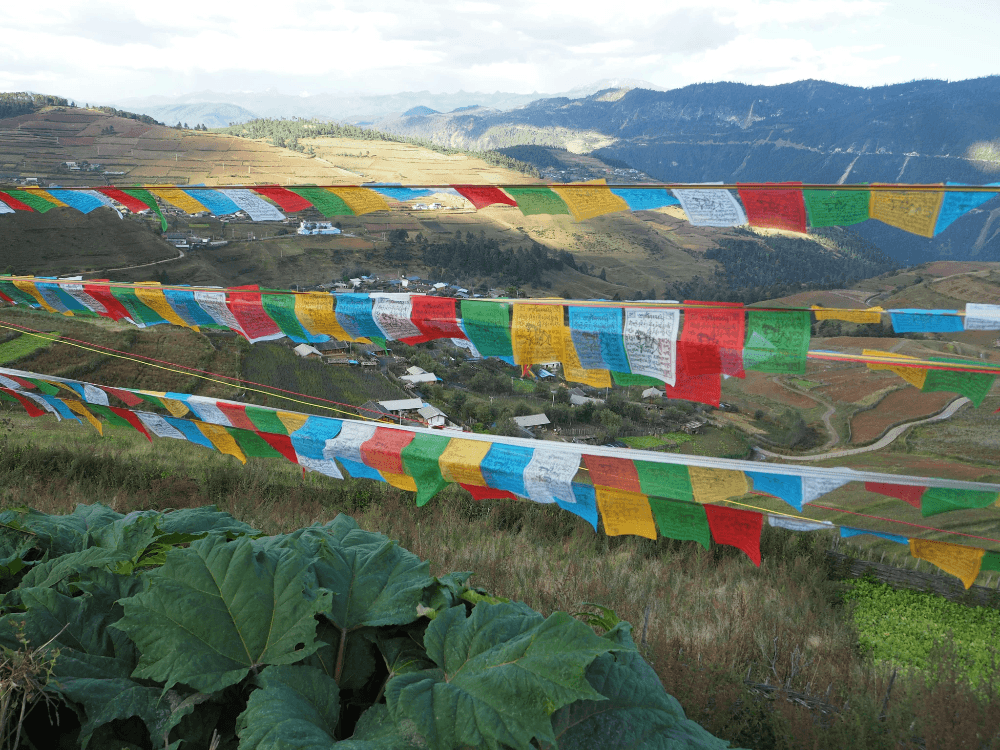
In a world rich with diverse funeral traditions, the practices surrounding the Tibet sky burial stand out for their profound connection to nature and spirituality. Embracing these unique customs of Tibetan funeral rites allows us to appreciate the varied ways cultures honor life and death. By understanding why Tibetans do sky burials, we gain insight into their reverence for the cycle of life and the environment.
Embracing Diverse Funeral Traditions
Funeral traditions vary widely across cultures, each offering a glimpse into how societies perceive mortality. The Tibet sky burial is a striking example, showcasing an approach that emphasizes respect for nature while celebrating the spiritual journey of the deceased. By embracing these diverse customs of Tibetan funeral practices, we foster an appreciation for different beliefs and values surrounding death.
The Spiritual Depth of Tibetan Customs
The spiritual depth embedded in Tibetan customs is evident in rituals like sky burials, where death is viewed not as an end but as a transformative passage. Understanding why Tibetans do sky burials reveals their belief in rebirth and interconnectedness with all living beings. This perspective encourages us to reflect on our own beliefs about mortality and what it means to live harmoniously with nature.
Experiencing Tibet with GuideTibet
For those eager to immerse themselves in these fascinating traditions, experiencing Tibet through GuideTibet offers an enriching journey into its cultural landscape. Visitors can explore not only the significance of sky burials but also learn what happens to the bones after a Tibetan sky burial—insights that deepen our understanding of life cycles in this unique culture. Additionally, discussions around why are sky burials illegal in the US prompt important conversations about cultural preservation and respect for diversity.