Introduction
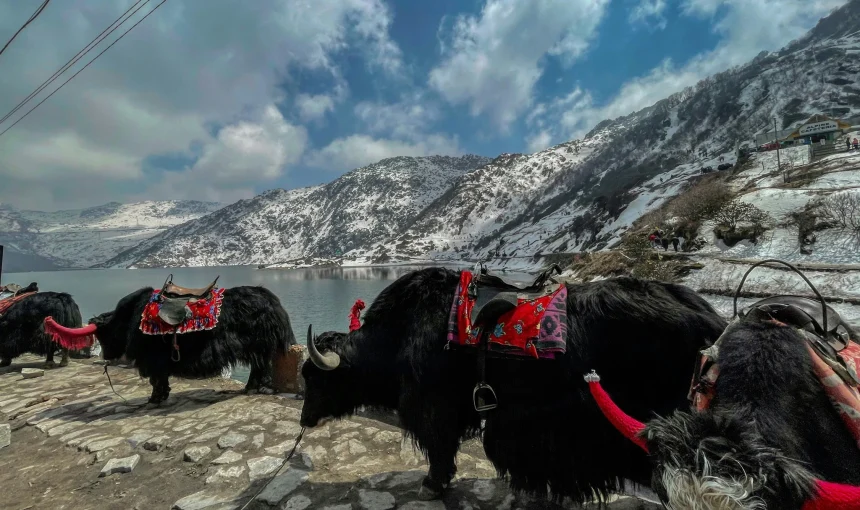
Tibetan yaks are more than mere livestock; they are integral to the very fabric of Tibetan life and culture. The significance of yaks for Tibetan people extends beyond their utility, embodying a deep-rooted connection to the land, traditions, and even the wild animals that roam the rugged terrains of Tibet. As we explore Tibetan yak culture, we uncover how these majestic creatures symbolize resilience and strength in a harsh environment.
Understanding the Role of Yaks
Yaks serve multiple roles in Tibetan society, from providing essential resources like milk, meat, and wool to being vital for transport across challenging landscapes. The significance of yaks for Tibetan people is evident in their daily lives; they are often seen as family members rather than just animals. This close-knit relationship highlights how yaks contribute not only economically but also socially and emotionally within communities.
The Heart of Tibetan Yak Culture
At the core of Tibetan yak culture lies a rich tapestry of traditions that celebrate these remarkable animals through festivals and rituals. One such celebration is the vibrant Tibetan Yaks Festival, where locals showcase their herding skills and honor their bond with yaks through music, dance, and storytelling. This festival not only reinforces community ties but also serves as a reminder of how deeply intertwined yaks are with the identity and heritage of Tibetans.
A Connection to Tibetan Wild Animals
Yaks share an ecosystem with various Tibetan wild animals, forming a unique relationship that reflects nature’s balance in this high-altitude region. The presence of yaks helps sustain local wildlife by maintaining grasslands through grazing while also serving as prey for larger predators like wolves. Understanding this connection enhances our appreciation for both domestic yaks and their wild counterparts, emphasizing the need for conservation efforts to protect this delicate ecological web.
Historical Significance of Yaks

The historical significance of yaks in Tibet is deeply woven into the fabric of Tibetan culture and life. Yaks have been integral to the survival and livelihood of Tibetan people for centuries, serving as a vital resource in various aspects of daily existence. Understanding this connection provides insight into the broader significance of yaks for Tibetan people.
Domestication and Early Uses
Domesticated thousands of years ago, yaks were among the first livestock to be integrated into Tibetan yak culture, playing a crucial role in agrarian societies. They provided essential resources such as milk, meat, and wool—materials that are still pivotal in traditional Tibetan clothing today. Beyond sustenance, yaks served as pack animals, facilitating trade across rugged terrains and connecting remote communities with the rest of Tibet.
Yaks in Tibetan Folklore
In Tibetan folklore, yaks are often depicted as majestic creatures embodying strength and endurance. Stories passed down through generations celebrate their importance not only as working animals but also as spiritual symbols representing resilience against harsh environmental conditions. The tales surrounding yaks often highlight their role during festivals like the Tibetan Yaks Festival, where they are honored for their contributions to both culture and survival.
The Yak as a Symbol of Resilience
The yak stands out as a symbol of resilience within the harsh landscapes of Tibet, reflecting the tenacity required to thrive in such an environment. For many Tibetans, these remarkable animals represent not just physical strength but also emotional fortitude—a mirror to their own struggles against adversity over centuries. This connection underscores why understanding the significance of yaks for Tibetan people is essential for appreciating their enduring cultural identity.
Economic Contributions of Tibetan Yaks
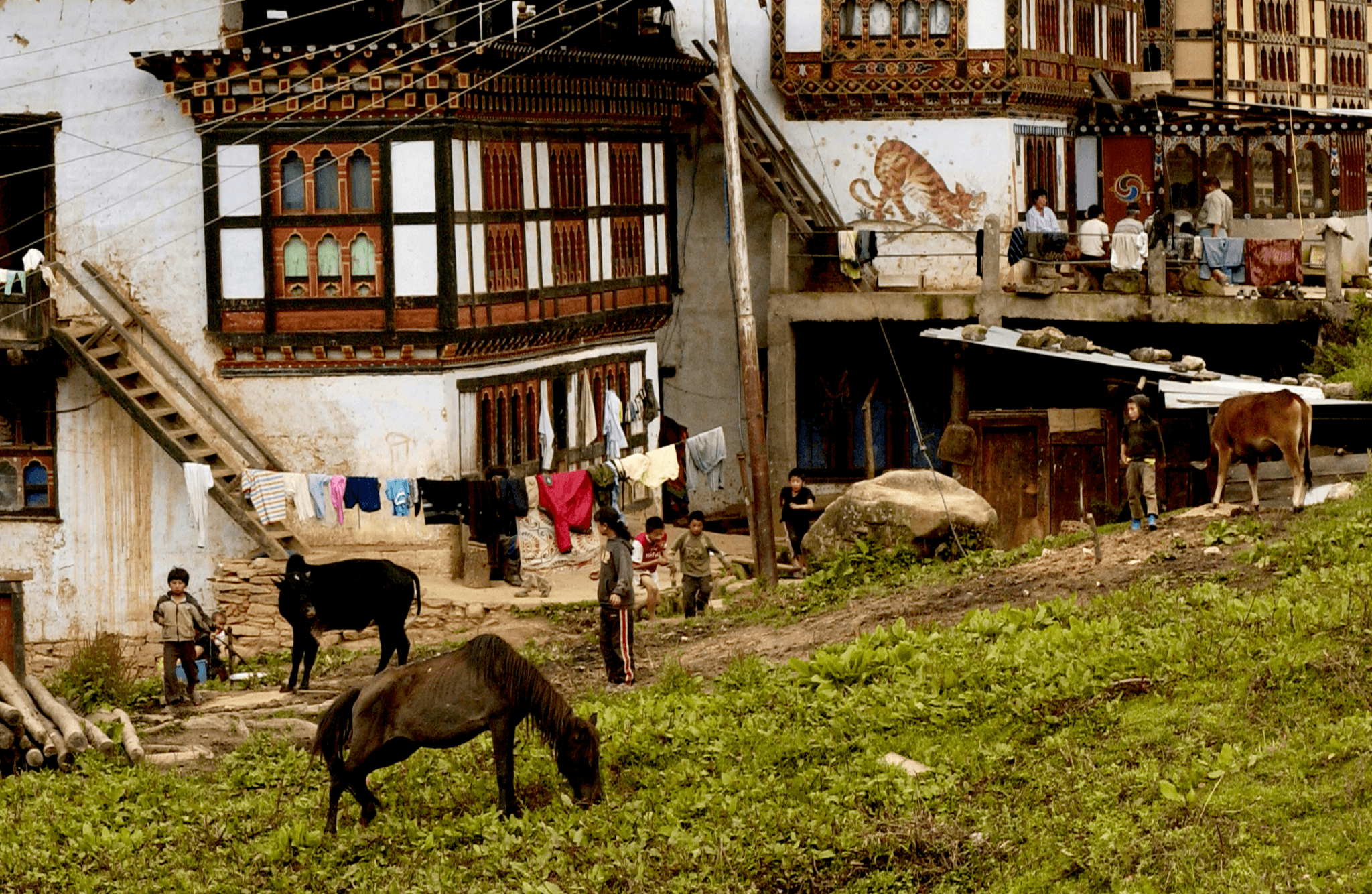
Tibetan yaks are not just a cultural icon; they play a crucial role in the economy of Tibet. The significance of yaks for Tibetan people extends beyond their utility, offering sustenance and materials that are vital for survival in the high-altitude environment. This unique livestock has become an integral part of daily life and economic activities in local communities.
Sources of Food and Clothing
In the rugged terrains of Tibet, yaks provide essential food sources such as meat, milk, and butter. Yak milk is particularly prized; it’s rich in nutrients and often used to make traditional dairy products like cheese and yogurt, staples in the Tibetan diet. Additionally, yak wool is spun into warm clothing, making it indispensable for surviving the harsh climate—demonstrating the profound significance of yaks for Tibetan people.
Yaks in Local Economy
The presence of yaks significantly bolsters the local economy through various means. They serve not only as livestock but also as beasts of burden, transporting goods across challenging terrains where other means may falter. The yak’s contribution to agriculture and trade underscores its status within Tibetan yak culture as both an economic asset and a symbol of resilience.
Trade and Bartering with Yaks
Trade practices involving yaks are deeply rooted in Tibetan culture, often taking place during festivals or community gatherings like the Tibetan Yaks Festival. Locals engage in bartering their yak products—be it meat or wool—for other necessities, fostering a sense of community while sustaining their livelihoods. This traditional method reflects how integral yaks are to both economic stability and cultural identity among Tibetans.
Cultural Practices and Festivals

Tibetan yak culture is deeply intertwined with the daily lives and spiritual practices of the Tibetan people. Yaks are not just livestock; they symbolize resilience, community, and sustainability. This section explores the vibrant cultural practices surrounding yaks, highlighting their significance through festivals, rituals, and traditional medicine.
Celebrating the Tibetan Yaks Festival
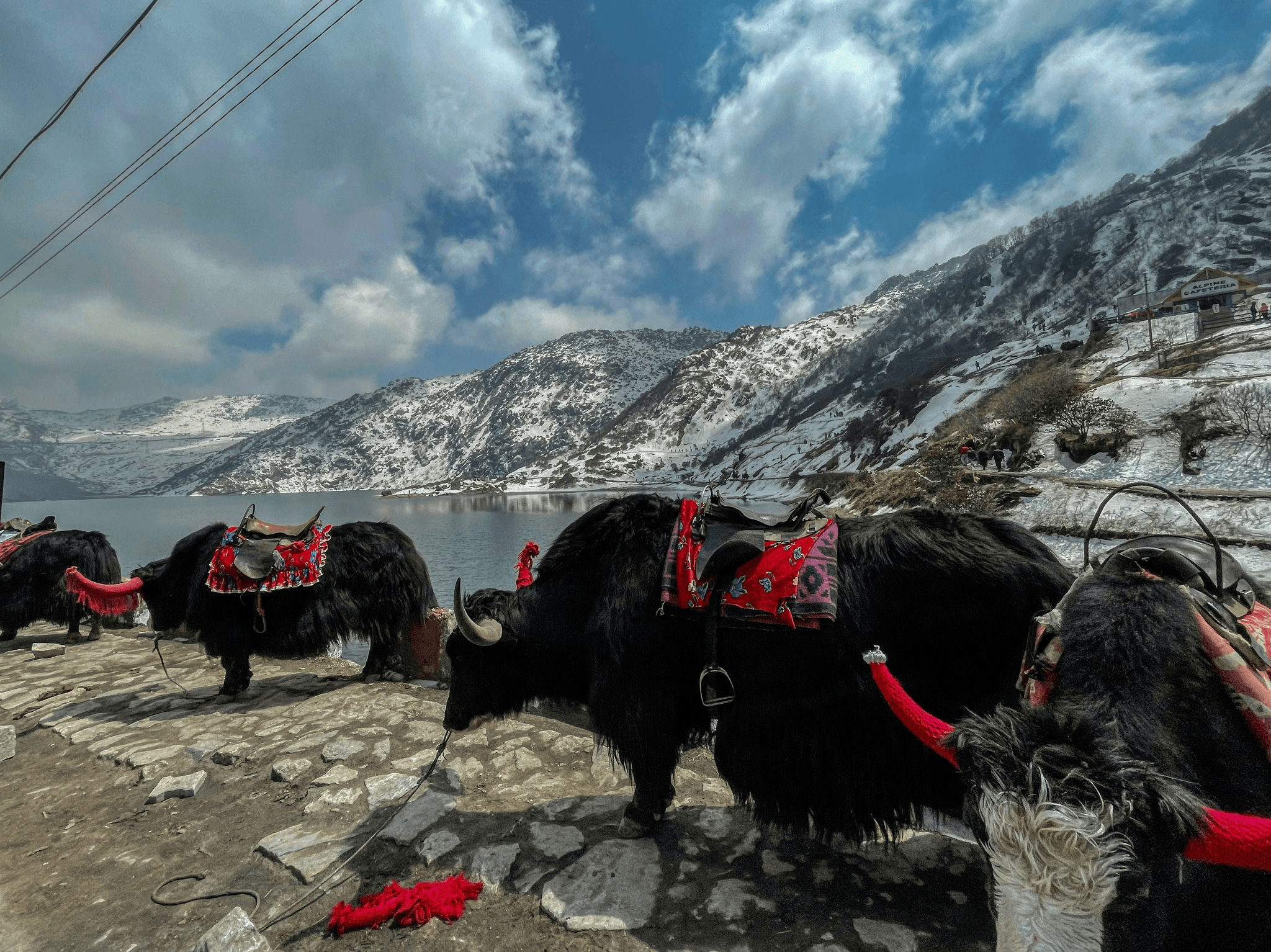
The Tibetan Yaks Festival is a jubilant celebration that brings together communities to honor these majestic animals that are pivotal to Tibetan yak culture. Held annually in various regions of Tibet, this festival showcases yaks in all their glory—decorated with colorful ornaments, paraded through village streets, and even participating in friendly competitions. The festival serves as a reminder of the significance of yaks for Tibetan people, fostering unity while promoting awareness about their importance in sustaining local traditions and livelihoods.
During this lively event, locals engage in traditional dances and songs that pay homage to yaks as essential contributors to their way of life. Various stalls offer yak-based products such as butter tea and woolen garments, allowing visitors to experience firsthand how integral these animals are to both sustenance and artistry in Tibetan culture. The festival not only celebrates yaks but also strengthens community ties among families who depend on these remarkable creatures.
Rituals Surrounding Yaks in Tibet
In Tibet, rituals surrounding yaks are steeped in spirituality and tradition—reflecting the deep connection between the land’s inhabitants and its wildlife. Many families perform ceremonies before significant events like weddings or harvests where yaks are central figures; offerings may be made for blessings or good fortune tied to these revered animals. Such practices underscore how the significance of yaks for Tibetan people transcends mere utility; they embody cultural beliefs that have been passed down through generations.
Additionally, certain rituals involve using yak products like butter or milk during religious ceremonies at monasteries or homes alike. These offerings symbolize gratitude towards nature’s gifts while reinforcing communal bonds through shared spirituality associated with these magnificent creatures. Engaging with such traditions allows both locals and visitors alike to appreciate how vital yaks are within the broader tapestry of Tibetan wild animals.
Yaks in Traditional Tibetan Medicine
Tibetan traditional medicine has long recognized the healing properties associated with various yak-derived products—an embodiment of wisdom accumulated over centuries within Tibetan yak culture. Yak milk is often used for its nutritional benefits while also serving as a base for medicinal concoctions believed to treat ailments ranging from digestive issues to respiratory conditions. The significance of yaks for Tibetan people extends into health practices that honor holistic approaches rooted in natural resources found within their environment.
Moreover, certain herbs used alongside yak-derived ingredients highlight an integrated approach where nature’s bounty plays a crucial role in maintaining wellness among communities reliant on sustainable practices linked directly back to their livestock heritage. As modern challenges arise—such as climate change—the preservation efforts by organizations like GuideTibet aim not only to protect these animals but also ensure that traditional knowledge regarding their use remains alive amidst evolving lifestyles across Tibetans today.
In conclusion, understanding cultural practices related to yaks offers invaluable insights into how deeply embedded they are within everyday life across Tibet—from vibrant festivals celebrating their beauty down through sacred rituals honoring them spiritually—all while showcasing why preserving this legacy matters profoundly both locally and globally.
Ecological Importance of Yaks

The ecological importance of yaks cannot be overstated, especially in the context of Tibetan yak culture and the unique ecosystems they inhabit. These majestic animals are not only vital for the livelihoods of local communities but also play a critical role in maintaining the balance of their environment. By understanding the significance of yaks for Tibetan people, we can appreciate how these creatures contribute to both cultural identity and ecological sustainability.
Yaks as Sustainable Livestock
Yaks are often hailed as sustainable livestock, perfectly adapted to the harsh conditions of the Tibetan plateau. Their ability to thrive at high altitudes with limited resources makes them invaluable for pastoral communities that rely on them for food, clothing, and transportation. The relationship between Tibetan people and yaks is rooted in a deep understanding of sustainable practices; by utilizing yaks effectively, they ensure that their traditional lifestyle can endure while preserving the rich tapestry of Tibetan yak culture.
Their Role in Tibetan Ecosystems
In addition to their contributions to human livelihoods, yaks play a crucial role in maintaining healthy Tibetan ecosystems. As herbivores, they graze on grasses and shrubs, helping to manage plant growth and prevent overgrazing by other species. This grazing behavior supports a diverse range of habitats that are home to various Tibetan wild animals, showcasing how intertwined these species are within their ecosystem.
Preserving Biodiversity with Yaks
Preserving biodiversity is essential for the resilience of any ecosystem, and yaks serve as key players in this effort across Tibet’s landscapes. Their presence helps maintain soil health through natural fertilization from dung, which enriches the land for other plants and animals alike. Furthermore, initiatives like those from GuideTibet aim to promote awareness about the significance of yaks for Tibetan people while encouraging sustainable tourism practices that respect both yak culture and biodiversity conservation efforts.
Modern Challenges and Preservation Efforts

The Tibetan yak is not just an animal; it embodies the essence of Tibetan culture, economy, and ecology. However, modern challenges such as climate change threaten this vital connection. As temperatures rise and weather patterns shift, the habitats and grazing lands essential for Tibetan yaks are at risk, raising concerns about the future of these magnificent creatures.
The Impact of Climate Change
Climate change poses a significant threat to the habitats of yaks in Tibet, impacting their health and productivity. Warmer temperatures can lead to decreased snow cover, which directly affects the quality of grazing pastures that yaks rely on for sustenance. Additionally, changing weather patterns may result in increased competition for resources among Tibetan wild animals, further complicating the survival of both yaks and their wild counterparts.
Protecting Tibetan Yak Culture
Protecting Tibetan yak culture goes beyond preserving a species; it involves safeguarding a way of life deeply intertwined with the identity of the Tibetan people. The significance of yaks for Tibetan people is evident in traditional practices such as herding and crafting items from yak wool. Initiatives aimed at promoting awareness about this unique culture encourage younger generations to engage with their heritage while fostering respect for these remarkable animals.
Initiatives by GuideTibet for Sustainable Tourism
GuideTibet plays a pivotal role in promoting sustainable tourism that respects both nature and local cultures surrounding yaks in Tibet. By organizing authentic tours led by local guides who understand the intricacies of Tibetan yak culture, they help visitors appreciate the significance of yaks while supporting local economies. These initiatives not only enhance travelers’ experiences but also contribute to conservation efforts that aim to protect both yaks and their cultural significance within Tibet.
Conclusion
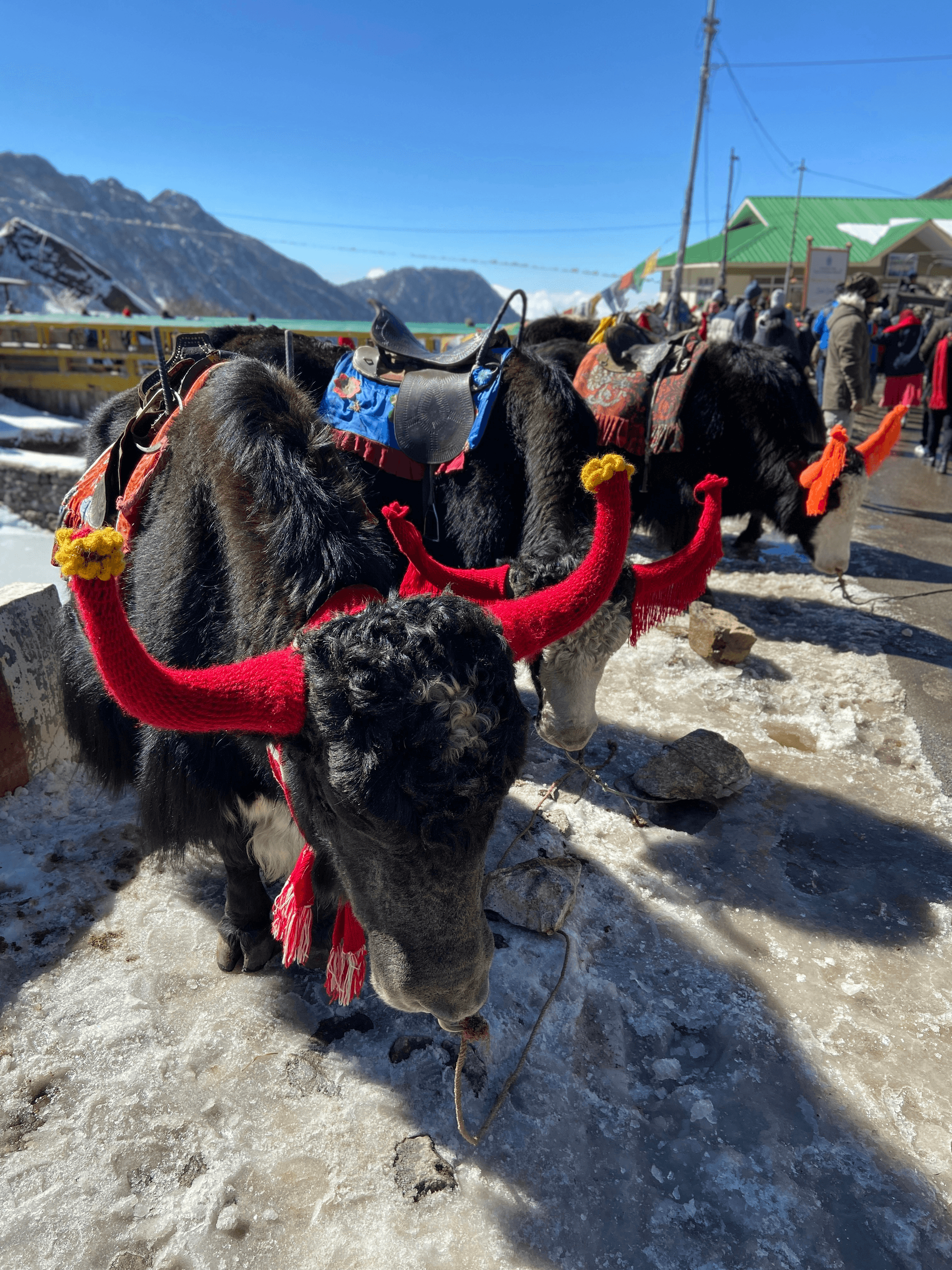
The Tibetan yak is more than just an animal; it embodies a legacy that weaves through the very fabric of Tibetan life. The significance of yaks for Tibetan people stretches beyond mere utility, representing a deep-rooted connection to their culture, economy, and the environment. As custodians of this unique heritage, it’s essential to recognize how yaks have shaped not only livelihoods but also identities in the highlands of Tibet.
The Enduring Legacy of Tibetan Yaks
Tibetan yak culture thrives on traditions that have been passed down through generations, showcasing the resilience and adaptability of these magnificent creatures. The enduring legacy of yaks in Tibet is evident during the vibrant Tibetan yaks festival, where communities come together to celebrate their bond with these animals. This festival serves as a reminder that yaks are not just livestock but integral members of Tibetan society that contribute to its rich tapestry.
Why Yaks Matter to Tibetan Identity
The significance of yaks for Tibetan people cannot be overstated; they are symbols of strength and endurance against harsh mountain conditions. In many ways, yaks embody the spirit of the Tibetan wild animals that share their habitat—both are tough survivors in an unforgiving landscape. This connection reinforces why yaks matter deeply to Tibetan identity; they represent more than sustenance—they reflect a way of life intertwined with nature and tradition.
Embracing Tibetan Yak Culture Through Travel
Travelers looking to experience authentic Tibetan culture should consider engaging with local customs surrounding yaks during their journeys. By participating in events like the Tibetan yaks festival or visiting yak herders, visitors can gain insight into how these animals shape everyday life in Tibet. GuideTibet offers unique opportunities for travelers to embrace this rich yak culture while supporting sustainable tourism practices that benefit local communities and preserve these traditions for future generations.