Introduction

Traveling to Tibet is an adventure filled with breathtaking landscapes, rich culture, and unique experiences. However, understanding the local currency and money management is essential for a smooth journey. This guide will help you navigate Tibet currency, explore what currency is used in Tibet, and provide tips for managing your finances while enjoying this remarkable destination.
Understanding Tibet Currency
In Tibet, the primary currency used is the Chinese Yuan (CNY), which plays a crucial role in everyday transactions. Familiarizing yourself with this currency will help you make informed decisions when it comes to spending and budgeting during your trip. Additionally, knowing the various denominations and values of the yuan can prevent any confusion when handling Tibet money.
Essential Tips for Money Management
Before embarking on your Tibetan adventure, it’s wise to establish a budget that accommodates all your travel needs—from accommodations to meals and activities. Keep in mind that cash is king in many parts of Tibet; thus, having enough local currency on hand will save you from potential hassles. Moreover, understanding how to handle cash safely can protect you from theft or loss while exploring this enchanting region.
Overview of Payment Methods in Tibet
While credit cards are becoming more widely accepted in urban areas like Lhasa, cash remains the preferred method of payment for most transactions across rural regions. Knowing where to find banks in Lhasa or ATMs can ensure you have access to funds when needed. Additionally, being aware of money exchange options available in Tibet will help you convert foreign currencies into tibet currency without stress.
What Currency is Used in Tibet

When planning your trip to Tibet, it’s crucial to understand the local currency system. The primary currency used in Tibet is the Chinese Yuan (CNY), which is essential for all transactions, whether you’re shopping for souvenirs or dining at local restaurants. If you’re wondering what currency is used in Tibet, rest assured that the Yuan will be your go-to form of money throughout your journey.
The Role of the Chinese Yuan
The Chinese Yuan plays a significant role in daily life and commerce within Tibet. As part of China’s monetary system, it serves as a stable and widely accepted form of payment across the region. Understanding how to use the Yuan effectively can help you manage your finances better while exploring this unique area.
In addition to being the official currency, the Chinese Yuan also influences pricing structures for goods and services in Tibet. From street food vendors to upscale hotels, prices are typically quoted in Yuan, making it essential for travelers to familiarize themselves with this currency. With an increasing number of tourists visiting Tibet, knowing how to navigate transactions using the Chinese Yuan will enhance your travel experience.
Currency Denominations and Values
The Chinese Yuan comes in various denominations that make transactions straightforward and manageable during your travels in Tibet. Banknotes are available in denominations of 1, 5, 10, 20, 50, and 100 Yuans while coins include smaller values like 1 Jiao (equal to one-tenth of a Yuan) and other fractions. Familiarizing yourself with these denominations will help you avoid confusion when making purchases or receiving change.
Understanding the value of these denominations can also assist you when budgeting for activities or meals during your stay. For example, a meal at a local eatery might cost around 30-50 Yuans while more upscale dining options could range from 100 Yuans upwards. Being aware of these values not only aids in managing your budget but also helps ensure you get fair prices when engaging with vendors.
Foreign Currency Exchange in Tibet
If you’re traveling from abroad, you’ll likely need to exchange some foreign currency into Tibetan money before diving into local experiences—this process is often referred to as money exchange in Tibet. Most major currencies can be exchanged at banks and authorized exchange counters found throughout Lhasa and other cities within Tibetan regions. However, it’s advisable to check current exchange rates beforehand so that you can get an optimal deal on conversions.
While exchanging money is relatively easy within urban areas like Lhasa due to its numerous banks offering competitive rates; rural areas may have limited options available for foreign currency exchange services. Therefore, plan ahead by converting enough cash before heading off on adventures outside major cities where access might be restricted or less favorable regarding rates offered by local vendors.
Lastly, always remember that some establishments may only accept cash payments; hence having sufficient Tibetan money on hand will save you from any last-minute scrambles! Whether using banks in Lhasa or finding ATMs nearby for withdrawals—being prepared ensures smooth sailing during your travels through this enchanting land.
Money Exchange in Tibet
Options for Currency Exchange
The primary currency used in Tibet is the Chinese Yuan (CNY), so it’s essential to exchange your foreign currency into Yuan before or during your trip. You can exchange money at local banks, designated currency exchange counters, or even some hotels that offer this service. While credit cards in Tibet are accepted at select establishments, cash remains king for most transactions, especially in remote areas where access to banking services may be limited.
Best Practices for Exchanging Money
When exchanging money in Tibet, always check the current exchange rate to ensure you’re getting a fair deal—rates can vary significantly between different locations and services. It’s wise to avoid street vendors offering quick exchanges; stick with reputable banks or official currency exchange offices instead. Additionally, keep track of transaction fees associated with both cash exchanges and ATM withdrawals; understanding these costs will help you manage your budget more effectively during your travels.
Where to Find Exchange Services
In Lhasa, there are several reliable banks where you can exchange foreign currency into Tibetan Yuan without much hassle—look out for Bank of China branches as they are widely recognized and trusted. ATMs in Lhasa are also plentiful and often provide a convenient way to withdraw cash directly from international accounts; just ensure that your bank card is compatible with local ATM networks. If you’re unsure where to go for currency exchanges, hotel staff can usually point you toward nearby services that cater specifically to travelers needing assistance with their Tibet money needs.
Banks and ATMs in Lhasa
When traveling in Tibet, understanding the banking landscape is crucial for managing your finances effectively. In Lhasa, the capital city of Tibet, you will find several local banks that cater to both residents and tourists. These banks provide essential services such as currency exchange, savings accounts, and international money transfers, making them a vital resource for anyone navigating Tibet currency.
Overview of Local Banks in Lhasa
Lhasa boasts a variety of local banks where you can conduct financial transactions with ease. Major banks include the Bank of China, Agricultural Bank of China, and Industrial and Commercial Bank of China; all offer reliable services tailored to the needs of travelers. These institutions typically have English-speaking staff who can assist with inquiries about what currency is used in Tibet and help facilitate money exchange in Tibet.
Using ATMs for Withdrawals
Using an ATM in Lhasa is one of the most convenient ways to access cash during your stay in Tibet. Most ATMs accept international credit cards in Tibet, allowing you to withdraw Chinese Yuan directly from your bank account back home. However, it’s wise to check with your bank beforehand regarding any potential fees associated with foreign withdrawals or daily limits.
Limits and Fees on Withdrawals
While using an ATM in Lhasa can be straightforward, keep an eye out for withdrawal limits imposed by both local banks and your own bank back home. Generally, ATMs may allow withdrawals ranging from 1,000 to 2,000 Yuan per transaction; however, this varies by machine and bank policy. Additionally, be aware that fees may apply for each transaction—both from the local ATM provider and potentially from your home bank—so it’s smart to budget accordingly when dealing with Tibet money.
Credit Cards in Tibet

Acceptance of Credit Cards
In major cities like Lhasa, some establishments do accept credit cards, but it’s not as widespread as you might hope. Restaurants, hotels, and larger shops may allow you to pay with credit cards in Tibet, particularly Visa and MasterCard. However, smaller vendors and rural areas are less likely to accept plastic payments, which means carrying cash is still crucial for your trip.
Best Practices for Using Credit Cards
If you plan on using credit cards in Tibet, consider these best practices to avoid any hiccups during your travels. Always inform your bank that you’ll be traveling to avoid any potential fraud alerts that could block your transactions while you’re exploring the Tibetan landscape. Additionally, keep a backup payment method handy—whether it’s another card or some cash—just in case you encounter places that only deal with good old-fashioned cash.
Alternatives for Cash Payments
Since cash remains king when it comes to everyday transactions in Tibet money matters, knowing your alternatives is vital for a hassle-free experience. If you’re unsure about relying solely on credit cards in Tibet or if they aren’t accepted at all locations, make sure to exchange enough currency before heading out on day trips or adventures into the more remote areas of the region. Local banks and ATMs in Lhasa are great sources for withdrawing cash when needed; just remember that limits and fees may apply.
Tips for Managing Tibet Money
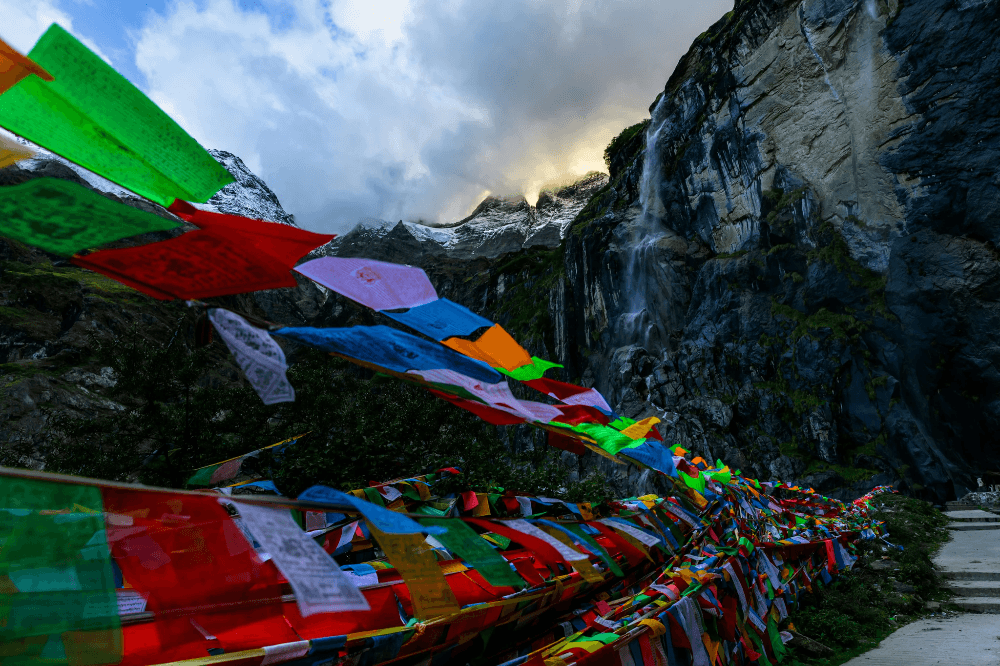
Traveling to Tibet can be an exhilarating experience, but managing your finances effectively is crucial to ensure a smooth journey. Understanding the nuances of Tibet currency, budgeting wisely, and knowing how to handle cash safely will help you avoid unnecessary stress. Let’s dive into some essential tips for managing your money while exploring this breathtaking region.
Budgeting for Your Trip
When planning your trip to Tibet, it’s vital to create a realistic budget that considers various expenses such as accommodation, food, transportation, and activities. Since the primary currency used in Tibet is the Chinese Yuan (CNY), familiarize yourself with current exchange rates and plan accordingly. Be sure to allocate extra funds for unexpected costs—after all, you might find yourself tempted by unique souvenirs or delicious street food!
To get started on budgeting effectively, list out all potential expenses and categorize them into fixed (like hotels) and variable (like meals). This breakdown will help you gauge how much cash you’ll need for daily spending while also allowing room for flexibility in case plans change. Keep in mind that credit cards in Tibet are not widely accepted outside major cities; thus, having sufficient cash on hand is essential.
Lastly, consider using budgeting apps or simple spreadsheets to track your spending throughout your trip. By keeping a close eye on your expenditures related to money exchange in Tibet and other costs, you’ll be able to adjust as necessary without overspending or running low on funds.
Handling Cash Safely
Handling cash safely is paramount when traveling through Tibet due to varying levels of security in different areas. Always keep a portion of your tibet currency hidden away—consider using a money belt or securing it in multiple locations within your luggage. This way, if you lose some cash or it gets stolen while navigating crowded markets or busy streets, you won’t find yourself completely out of funds.
When withdrawing cash from ATMs in Lhasa or any banks in Lhasa that offer yuan exchanges, opt for machines located within reputable establishments like banks or hotels rather than standalone ATMs found on the street. Additionally, always check that you’re withdrawing from an ATM that accepts international cards if you’re relying on credit cards in Tibet as a backup option.
Finally, be cautious when handling large sums of cash during transactions—count your money discreetly and avoid drawing attention to yourself as a tourist with significant funds at hand. Practicing these safety measures can help ensure that your tibet money remains secure throughout your travels.
What to Do in Financial Emergencies
Financial emergencies can happen anywhere—even amidst the stunning landscapes of Tibet! If you find yourself short on tibet currency due to unforeseen circumstances like theft or an unexpected expense during activities like trekking excursions, don’t panic; there are solutions at hand! First things first: locate an ATM in Lhasa where you can withdraw additional funds if needed; just remember the limits and fees associated with withdrawals.
If you’re unable to access more cash via ATMs or banks in Lhasa due to technical issues or card restrictions with credit cards in Tibet being limitedly accepted outside urban centers—reach out to friends or family back home who might be able to wire transfer funds through services like Western Union which often have local agents available even in remote areas!
Lastly, always have contact information handy for local embassies—should things take a turn for the worse regarding finances while traveling abroad—they can provide assistance and guidance tailored specifically toward tourists facing financial dilemmas during their stay.
Conclusion
Traveling to Tibet can be an exhilarating experience, but managing your finances effectively is crucial for a smooth journey. Understanding the nuances of Tibet currency and the options available for money exchange in Tibet will help you avoid unnecessary stress. With careful planning, you can focus on enjoying the breathtaking landscapes and rich culture without worrying about your finances.
Planning Your Finances Before Traveling
Before embarking on your Tibetan adventure, it’s wise to assess your budget thoroughly. This includes determining how much cash you’ll need and understanding what currency is used in Tibet—primarily the Chinese Yuan. Additionally, familiarize yourself with local banks in Lhasa and ATM options so that you’re prepared when it comes time to withdraw cash or make purchases.
Key Takeaways on Tibet Currency
The primary currency used in Tibet is the Chinese Yuan, which is essential for all transactions throughout your trip. Keep in mind that while credit cards are accepted at some establishments, they are not universally recognized—so having cash on hand is vital for smaller purchases or remote areas. Lastly, knowing where to find reliable money exchange services can save you from unfavorable rates or long wait times during your travels.
Resources for Your Tibet Journey
For a seamless travel experience, utilize resources like travel blogs or official tourism websites that provide updated information about banks in Lhasa and ATM locations. Apps can also help track expenses and manage budgeting while you’re exploring this stunning region of China. Remember to stay informed about any changes related to credit cards in Tibet or local currency regulations as these can impact how you handle your finances during your trip.